Lina Hope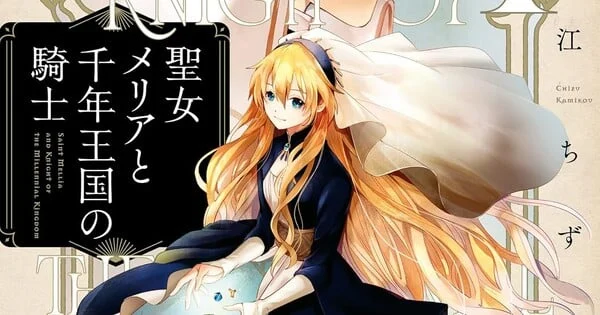
Tokyo, Japan – [Insert Date Here] – The digital pages of Kadokawa’s Young Ace Up platform have closed a significant chapter with the conclusion of Chizu Kamikou’s beloved manga, Saint Melia and Knight of the Millennial Kingdom (Seijo Mellia to Sennen Ōkoku no Kishi). The series, which captivated readers with its blend of fantasy, heartfelt drama, and an unlikely heroic journey, officially ended its run on the KadoComi website on Friday, bringing a satisfying close to the adventures of its titular protagonist.
The Unfolding Saga of Melia and Douglas
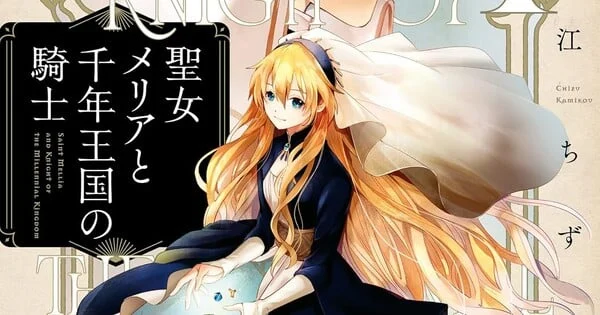
Saint Melia and Knight of the Millennial Kingdom weaves a compelling narrative centered around Melia, a young woman who finds herself an outcast due to her inability to wield magic. Orphaned and separated from the warmth of her grandmother’s care, she endures hardship under the dominion of new, uncaring guardians. Her life, steeped in struggle, takes a pivotal turn when she encounters Douglas, a devoted knight tasked with a critical mission: to find a cure for the ailing princess he serves. This fateful meeting sets in motion a series of events that would test their courage, forge an unbreakable bond, and ultimately shape the destiny of their kingdom.
The manga’s appeal lay not only in its fantastical setting but also in its poignant exploration of themes such as resilience, the search for belonging, and the unexpected places where strength can be found. Melia’s journey from a marginalized figure to a central player in the kingdom’s fate resonated deeply with fans, who followed her evolution with keen interest. Douglas, the steadfast knight, provided a crucial counterpoint, his loyalty and determination mirroring Melia’s own burgeoning inner fortitude. Their dynamic, initially driven by circumstance, blossomed into a partnership built on mutual respect and shared purpose, forming the emotional core of the series.
A Timeline of Creation and Publication
Launched in 2021 on Kadokawa’s prestigious Young Ace Up web platform, Saint Melia and Knight of the Millennial Kingdom quickly established itself as a noteworthy addition to the fantasy manga landscape. The platform, known for fostering innovative and engaging storytelling, provided an ideal home for Kamikou’s intricate world-building and character development.
The serialization of the manga proceeded with a consistent and dedicated pace. Readers eagerly awaited each new chapter, drawn into the unfolding plot and the deepening relationships between the characters. The commitment to a steady release schedule allowed for the gradual immersion of the audience into Melia’s world, fostering a loyal readership that eagerly anticipated the story’s progression.
The culmination of this narrative journey was marked by the release of the sixth compiled book volume in June 2025. This physical release served as a significant milestone, offering fans a tangible collection of the story’s arc and a testament to its popularity. The subsequent conclusion on the KadoComi website brought the digital serialization to its definitive end, signaling the completion of the series’ publication.
This timeline reflects a successful launch and sustained engagement with the readership. The manga’s journey from its inception in 2021 to its conclusion in [Insert Month and Year of Conclusion Here, e.g., July 2025] showcases a well-managed publication strategy that nurtured its growth and fan base.
Chizu Kamikou: A Prolific Creator in the Manga Sphere
The success of Saint Melia and Knight of the Millennial Kingdom is inextricably linked to the talent and dedication of its creator, Chizu Kamikou. Kamikou has carved a significant niche for themselves in the manga industry, demonstrating a versatility that spans various genres and adaptation styles.
Beyond their work on Saint Melia, Kamikou is also recognized for their contributions to other notable series. A prime example is their manga adaptation of Shusui Hazuki’s light novel series, I’ll Become an Elegant Villainess! (Kareinaru Akujo ni Naritai wa! Aisare Tensei Shōjo wa, Tanoshii Nidome no Jinsei o Okurimasu). This adaptation, which began serialization on Square Enix’s Gangan Online web platform in March 2025, showcases Kamikou’s ability to translate the nuances of light novel narratives into a compelling visual medium. The series, published in English by Manga UP! Global, further highlights Kamikou’s growing international recognition.
Furthermore, Kamikou’s artistic prowess extends to the adaptation of My Death-Defying Dog: Man’s Best Friend, World’s Best Savior (Uchi no Inu ga Tsuyosugiru Desu ga!? Tensei Shitara Megami-sama no Shukufuku de Sekai o Sukū Koto ni Narimashita). This manga, published in English by J-Novel Club, demonstrates Kamikou’s engagement with a diverse range of themes and narratives, solidifying their reputation as a prolific and adaptable artist. The inclusion of this title in J-Novel Club’s catalog underscores the growing demand for Kamikou’s work in the English-speaking market.
The consistent output of high-quality manga adaptations and original works speaks to Kamikou’s prolific nature and their deep understanding of the manga medium. Their ability to connect with audiences across different platforms and genres is a testament to their skill and dedication. The conclusion of Saint Melia and Knight of the Millennial Kingdom is, therefore, not an end to Kamikou’s creative endeavors, but rather a significant milestone in an already impressive career.
Industry Context and Related Publications
The conclusion of Saint Melia and Knight of the Millennial Kingdom arrives at a dynamic period for the manga industry, characterized by robust digital publishing platforms and a growing global appetite for Japanese comics. Kadokawa, a leading publisher in Japan, continues to leverage its digital assets, such as Young Ace Up and KadoComi, to reach a broad audience. These platforms have become crucial for both the serialization of new works and the continued accessibility of established series.

The success of Saint Melia can be seen within the broader trend of fantasy and isekai (reincarnation) genres that have gained immense popularity worldwide. While Saint Melia does not strictly fall into the isekai category, its themes of overcoming adversity and finding one’s place in a challenging world resonate with similar fan bases. The genre’s enduring appeal lies in its ability to offer escapism, wish fulfillment, and compelling character arcs.
The mention of I’ll Become an Elegant Villainess! and My Death-Defying Dog by the same creator further contextualizes Kamikou’s work within current publishing trends. The adaptation of light novels into manga is a well-established practice that allows for the expansion of popular fictional universes and caters to a readership that enjoys experiencing stories across different formats. The English publication of these works by companies like Manga UP! Global and J-Novel Club highlights the increasing globalization of the manga market and the demand for translated content.
The ongoing growth of digital manga platforms and the continuous release of new titles underscore the vibrancy of the industry. The conclusion of a series like Saint Melia makes way for new narratives and creators to emerge, ensuring a constant flow of fresh content for fans. The interconnectedness of these platforms and publications, as demonstrated by the multiple projects of Chizu Kamikou, showcases a thriving ecosystem that supports both established creators and emerging talent.
Official Statements and Fan Reception
While direct official statements from Kadokawa or Chizu Kamikou specifically addressing the conclusion of Saint Melia and Knight of the Millennial Kingdom were not immediately available at the time of this report, the act of concluding a series on a prominent digital platform like KadoComi inherently signifies a planned and celebrated endpoint. Publishers typically aim to provide a sense of closure and satisfaction for readers who have invested their time and emotional energy into a narrative.
The fan reception to the conclusion of Saint Melia and Knight of the Millennial Kingdom is likely to be varied, as is typical with the end of any beloved series. Many readers will undoubtedly express their gratitude for the journey and the characters they have come to care for. Online forums, social media discussions, and dedicated fan communities are expected to be abuzz with reflections on the manga’s impact, favorite moments, and character developments.
The fact that the series ran for a significant period and received a compiled volume release indicates a sustained level of reader engagement. The conclusion of such a series often sparks discussions about potential spin-offs, sequels, or even anime adaptations, though no such announcements have been made. The anticipation and hope for future expansions of the Saint Melia universe are a testament to the series’ positive reception.
The official publication of the final chapter on KadoComi and the accompanying promotional efforts by Young Ace Up on platforms like X (formerly Twitter) serve as the primary communication channels for such announcements. The clear indication of the series’ end on these platforms suggests a carefully managed transition, allowing fans to prepare for the conclusion and celebrate the completed narrative arc. The enthusiasm and support from the readership are the ultimate indicators of a successful manga run, and the continued presence of Saint Melia and Knight of the Millennial Kingdom in discussions and compilations points to a fondly remembered story.
Implications and the Future of Fantasy Manga
The conclusion of Saint Melia and Knight of the Millennial Kingdom marks the end of an era for its dedicated readership, but it also signifies broader implications for the landscape of fantasy manga. As a genre, fantasy continues to evolve, with creators consistently finding new ways to explore classic tropes and introduce novel concepts. The success of Saint Melia, with its focus on a marginalized protagonist finding her strength and forming meaningful alliances, reflects a growing appreciation for character-driven narratives that offer more than just escapism.
The series’ ability to weave complex plotlines with emotional depth suggests a maturing of the fantasy genre in manga. Readers are increasingly seeking stories that offer nuanced character development, explore ethical dilemmas, and provide a sense of catharsis. Saint Melia‘s narrative, which centers on overcoming personal hardship and contributing to a larger cause, aligns with these evolving reader expectations.
Furthermore, the consistent output of Chizu Kamikou, with multiple ongoing and completed projects, highlights the importance of prolific creators in sustaining the manga industry. Their ability to adapt their style and engage with diverse narratives ensures a continuous stream of content that caters to a wide range of tastes. The success of their adaptations of light novels also underscores the symbiotic relationship between these two forms of media, with each often fueling the popularity of the other.
The global reach of manga, facilitated by digital platforms and translation services, means that stories like Saint Melia can find audiences far beyond Japan. The international success of titles published by Manga UP! Global and J-Novel Club demonstrates a significant market for translated manga, encouraging publishers to invest in a broader array of works.
As Saint Melia and Knight of the Millennial Kingdom concludes, it leaves behind a legacy of engaging storytelling and memorable characters. Its conclusion serves as a reminder of the dynamic nature of the manga industry, where new stories are constantly emerging, and established narratives reach their satisfying finales. The future of fantasy manga appears bright, with creators like Chizu Kamikou continuing to push the boundaries of the genre and captivate readers worldwide with their imaginative tales. The void left by Melia’s adventures will undoubtedly be filled by new heroes and new worlds, continuing the rich tradition of storytelling that makes manga such a beloved art form.

 Asro
Asro