Asro
Asro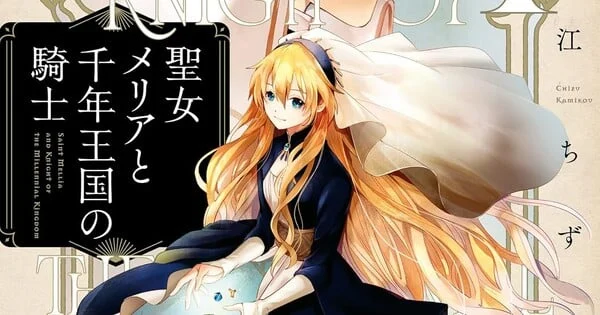
Tokyo, Japan – The pages have turned on a captivating fantasy narrative as Chizu Kamikou’s manga series, Seijo Mellia to Sennen ÅŒkoku no Kishi (translated as Saint Melia and Knight of the Millennial Kingdom), has officially concluded its run. The final installment was published on the KadoComi website on Friday, marking the end of an engaging story that has captured the attention of manga enthusiasts since its debut. This conclusion signifies not only the end of one journey but also highlights the prolific output and expanding global reach of its creator and associated publishing houses.
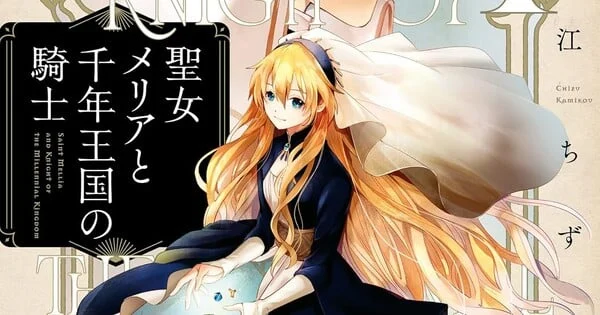
The manga, born from the creative mind of Chizu Kamikou, introduced readers to the poignant tale of Melia, a young protagonist who finds herself ostracized and mistreated by her new guardians after being separated from her beloved grandmother. Melia’s plight is amplified by her inability to wield magic, a common trait in her world, making her vulnerable and an easy target for cruelty. Her life takes a dramatic turn when she encounters Douglas, a knight dedicated to the princess. Douglas is on a quest for a cure to the princess’s mysterious ailment, and his path intersects with Melia’s in a way that promises to reshape their destinies. The narrative masterfully weaves themes of resilience, hope, and the unexpected bonds that can form in the face of adversity.
Launched in 2021 on Kadokawa’s prestigious Young Ace Up web platform, Saint Melia and Knight of the Millennial Kingdom quickly established itself as a noteworthy addition to the fantasy manga landscape. The series’ serialization over several years allowed for a deep exploration of its characters and world-building, culminating in a satisfying conclusion. The final compiled book volume, the sixth in the series, was released in June 2025, providing a tangible representation of the manga’s journey from its inception to its conclusion. This release served as a poignant reminder for fans of the story’s rich history and the anticipation surrounding its final arc.
A Chronicle of Melia’s Journey: From Separation to Sorcery and Swords
The narrative of Saint Melia and Knight of the Millennial Kingdom is rooted in Melia’s profound loss and subsequent struggle. Orphaned and separated from her grandmother, the foundation of her world crumbles. The magic-deficient status further isolates her, positioning her as an outsider in a society that likely values arcane abilities. Her new caretakers, rather than offering solace, become instruments of her suffering, painting a bleak picture of her early life. This stark portrayal of hardship serves as a crucial catalyst for her character development, emphasizing her inner strength and capacity for endurance.
The introduction of Sir Douglas injects a vital element of hope and adventure into Melia’s life. As the princess’s knight, Douglas embodies duty, skill, and a noble purpose. His quest for a cure for his liege’s illness is not merely a plot device; it represents a desperate race against time and a testament to his unwavering loyalty. The fateful encounter between Melia and Douglas is the narrative pivot upon which their individual destinies, and potentially the fate of the kingdom, are hinged. Their interaction promises to explore themes of destiny, heroism, and the power of unlikely alliances.
Kamikou’s storytelling within Saint Melia and Knight of the Millennial Kingdom demonstrates a keen understanding of character arcs and plot progression. The slow burn of Melia’s suffering, juxtaposed with the urgency of Douglas’s mission, creates a compelling dynamic. Readers have been drawn into the intricacies of their relationship, the mysteries surrounding the princess’s illness, and the wider world of magic and political intrigue that likely underpins their story. The manga’s conclusion on the KadoComi website signifies the culmination of these interwoven plot threads, offering resolution and closure to the characters and the world they inhabit.
Supporting Data: A Testament to Kamikou’s Creative Output and Publishing Partnerships
The conclusion of Saint Melia and Knight of the Millennial Kingdom arrives amidst a busy period for Chizu Kamikou, underscoring their prolific and diverse creative portfolio. The manga’s serialization on Kadokawa’s Young Ace Up platform, a prominent digital hub for manga, speaks to the publisher’s commitment to fostering new talent and delivering engaging content to a global audience. Young Ace Up is known for hosting a wide array of genres, and Kamikou’s fantasy series has undoubtedly contributed to its reputation.
Furthermore, Kamikou’s involvement in other significant projects sheds light on their broader impact within the manga industry. The artist is also behind the manga adaptation of Shusui Hazuki’s light novel, I’ll Become an Elegant Villainess! (original Japanese Kareinaru Akujo ni Naritai wa! Aisare Tensei ShÅjo wa, Tanoshii Nidome no Jinsei o Okurimasu). This adaptation, which began serialization on Square Enix’s Gangan Online web platform in March 2025, showcases Kamikou’s versatility in adapting different narrative styles and genres. The international availability of this series through Manga UP! Global further emphasizes the growing international appetite for Japanese manga and the active role of publishers like Manga UP! in facilitating this access.
Adding to their extensive bibliography, Kamikou also contributes to J-Novel Club’s English releases with their manga adaptation of My Death-Defying Dog: Man’s Best Friend, World’s Best Savior (original Japanese Uchi no Inu ga Tsuyosugirun Desu ga!? Tensei Shitara Megami-sama no Shukufuku de Sekai o SukÅ« Koto ni Narimashita). J-Novel Club is a prominent publisher of light novels and manga in the English-speaking market, and their partnership with Kamikou highlights the artist’s appeal to a broad international readership. This ongoing work demonstrates a continuous engagement with storytelling and a dedication to bringing diverse narratives to a global audience.

The success of Saint Melia and Knight of the Millennial Kingdom, alongside these other ventures, paints a picture of a highly productive and talented manga artist whose work resonates across different platforms and genres. The sustained collaboration with major publishing houses like Kadokawa and Square Enix, and the international reach facilitated by J-Novel Club and Manga UP! Global, are crucial elements in understanding the ecosystem that supports and promotes such creative endeavors.
Chronology of a Fantasy Epic: Key Milestones in Saint Melia and Knight of the Millennial Kingdom‘s Run
The journey of Saint Melia and Knight of the Millennial Kingdom from its inception to its conclusion can be traced through a series of significant milestones, reflecting its steady presence in the manga world and the consistent efforts of its creators and publishers.
- 2021: The series officially launched on Kadokawa’s Young Ace Up web platform. This marked the beginning of readers’ immersion into Melia’s challenging world and her fated encounter with Sir Douglas. The initial chapters laid the groundwork for the overarching plot, introducing key characters and the central conflict.
- Throughout 2021-2025: The manga continued its serialization on Young Ace Up, with Chizu Kamikou diligently crafting each chapter. During this period, the narrative likely developed Melia’s character, explored her relationship with Douglas, delved into the mysteries of the princess’s illness, and expanded the world-building elements. The pacing of a manga series is crucial, and the consistent release schedule over these years allowed for a comprehensive exploration of the story’s themes and plot points.
- March 2025: This month marked a significant point in Kamikou’s career as they launched the manga adaptation of I’ll Become an Elegant Villainess! on Square Enix’s Gangan Online platform. While not directly related to Saint Melia, this launch signifies Kamikou’s continued active engagement in the manga industry and their ability to manage multiple projects concurrently.
- June 2025: The sixth and final compiled book volume of Saint Melia and Knight of the Millennial Kingdom was released. This physical release served as a tangible culmination of the manga’s story, allowing fans to collect the complete narrative in a bound format. It also represented a significant point for the publisher, Kadokawa, in concluding a successful series.
- Friday (Specific Date Unspecified, but within the context of the article): The manga officially concluded its serialization on the KadoComi website. This digital publication of the final chapter brought the narrative to its intended end, providing closure for the characters and the story arc. This date marks the official end of the manga’s weekly or bi-weekly release schedule.
This chronological overview highlights the sustained effort and dedicated readership that Saint Melia and Knight of the Millennial Kingdom garnered over its publication period. The overlapping timelines with other projects also emphasize Kamikou’s standing as a busy and in-demand artist within the manga community.
Official Responses and Industry Implications: A Concluding Chapter in a Vibrant Market
The conclusion of Saint Melia and Knight of the Millennial Kingdom on the KadoComi website is more than just the end of a single manga series; it represents a natural progression within the dynamic and ever-evolving manga industry. The KadoComi platform, a digital storefront and reading service operated by Kadokawa, serves as a crucial outlet for both new and established series. Its role in hosting the final chapter underscores its importance as a distribution channel for manga content.
The announcement of the series’ conclusion, disseminated through platforms like Young Ace Up’s X (formerly Twitter) account, is a standard practice in the manga industry. These official channels serve as direct lines of communication with fans, providing updates on releases, finales, and other significant news. The Young Ace Up account’s role in disseminating this information highlights the integrated marketing strategies employed by publishers to reach their audience.
The implications of this conclusion extend beyond the immediate fanbase. For Kadokawa, the successful completion of a series signifies the culmination of an investment in an artist and their work. It allows them to allocate resources to new projects while also leveraging the completed series for further merchandise, potential anime adaptations, or international licensing. The consistent release of compiled volumes, such as the sixth volume in June 2025, demonstrates a strategic approach to capitalizing on reader engagement and ensuring the commercial viability of their intellectual properties.
Furthermore, the fact that Chizu Kamikou’s other works are being published and translated internationally, as seen with I’ll Become an Elegant Villainess! and My Death-Defying Dog, speaks to a broader trend in the manga market. The global demand for Japanese manga continues to grow, and publishers like Manga UP! Global and J-Novel Club are instrumental in bridging cultural and linguistic barriers. The success of Saint Melia and Knight of the Millennial Kingdom within Japan likely contributes to the overall appeal and recognition of Kamikou’s work, potentially boosting interest in their other translated titles.
The manga industry is characterized by a constant cycle of creation, serialization, and conclusion. While one story ends, countless others begin, driven by the creative energy of artists and the strategic vision of publishers. The conclusion of Saint Melia and Knight of the Millennial Kingdom is a testament to the enduring appeal of well-crafted fantasy narratives and the robust infrastructure that supports their journey from concept to published work, reaching audiences both domestically and around the world. The legacy of Melia’s journey will now live on in the collected volumes and the memories of its dedicated readers.

 Lina Hope