

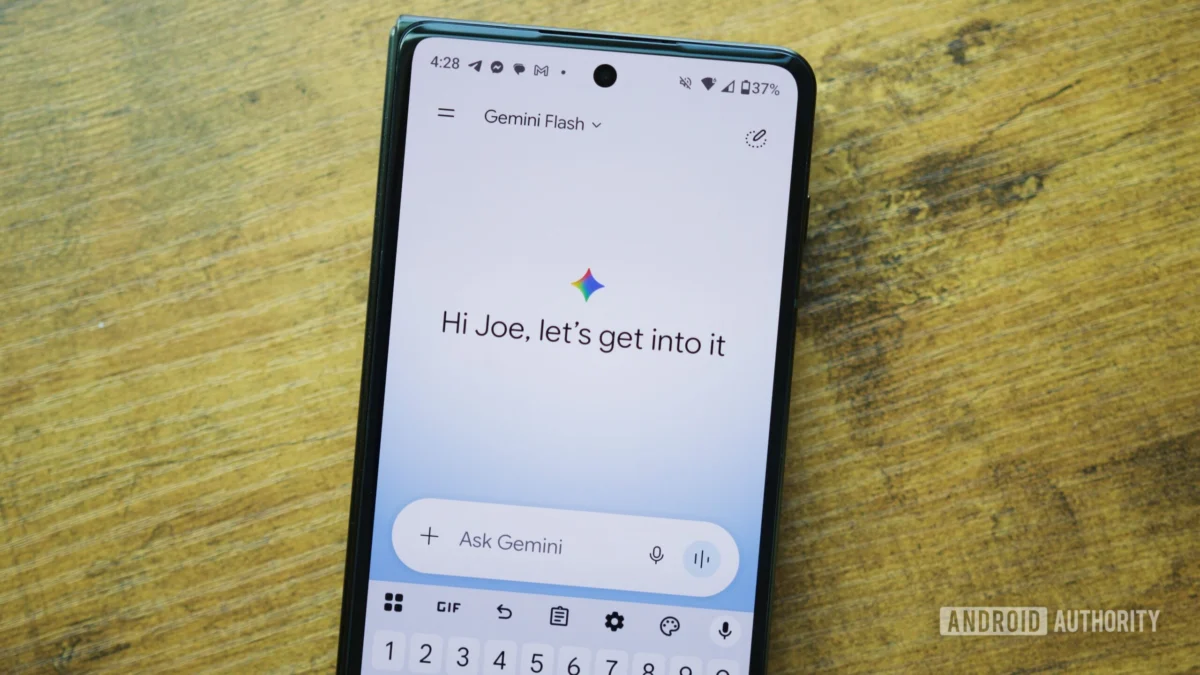
In the rapidly evolving landscape of artificial intelligence, the hierarchy that once seemed set in stone is undergoing a profound transformation. As of mid-2026, the AI market remains defined by the rivalry between OpenAI’s ChatGPT and Google’s Gemini. While ChatGPT established an early, commanding lead, a series of strategic pivots from Google and mounting friction at OpenAI have altered the competitive terrain. What was once a lopsided race is now a tight contest, as Google leverages its massive ecosystem to turn Gemini into an indispensable utility rather than just a standalone chatbot.
The Chronology of a Competitive Pivot
The history of this rivalry is a study in contrasting corporate philosophies. OpenAI, backed by its high-profile partnership with Microsoft, captured the global imagination with the release of ChatGPT. For a long time, the service was synonymous with generative AI. Google, despite being a pioneer in transformer architecture—the technology underpinning these models—was initially seen as the "sleeping giant" that had been caught off-guard.
When Google launched Bard, it was met with lukewarm reception. Critics pointed to technical stumbles and a lack of clear direction. However, the 2024 rebranding to "Gemini" marked a fundamental shift. Google moved away from treating AI as an experimental side project and instead began weaving it into the fabric of its existing products. By the end of 2024, while Gemini had secured a respectable 90–140 million monthly active users, it remained in the shadow of ChatGPT’s 200–250 million.
The narrative took a sharper turn in 2025 and early 2026. OpenAI faced a "perfect storm" of challenges. The release of GPT-5 was marred by initial performance inconsistencies, and the company found itself in the crosshairs of public scrutiny regarding its evolving relationship with the U.S. government and the Department of Justice. Furthermore, high-profile instances of users misusing the tool for illicit activities created a "negative press" cycle that began to erode public trust.
Conversely, Google executed a disciplined expansion. By 2026, the company had successfully scaled Gemini to reach approximately 750 million monthly users. While ChatGPT remains the "unstoppable giant" with roughly 900 million weekly active users, the momentum has clearly shifted in favor of a more integrated, utility-focused approach by Google.
Supporting Data: The Power of the Ecosystem
The primary driver behind Gemini’s meteoric rise is not merely model performance, but "ecosystem gravity."
1. The Value Proposition of Bundled Storage
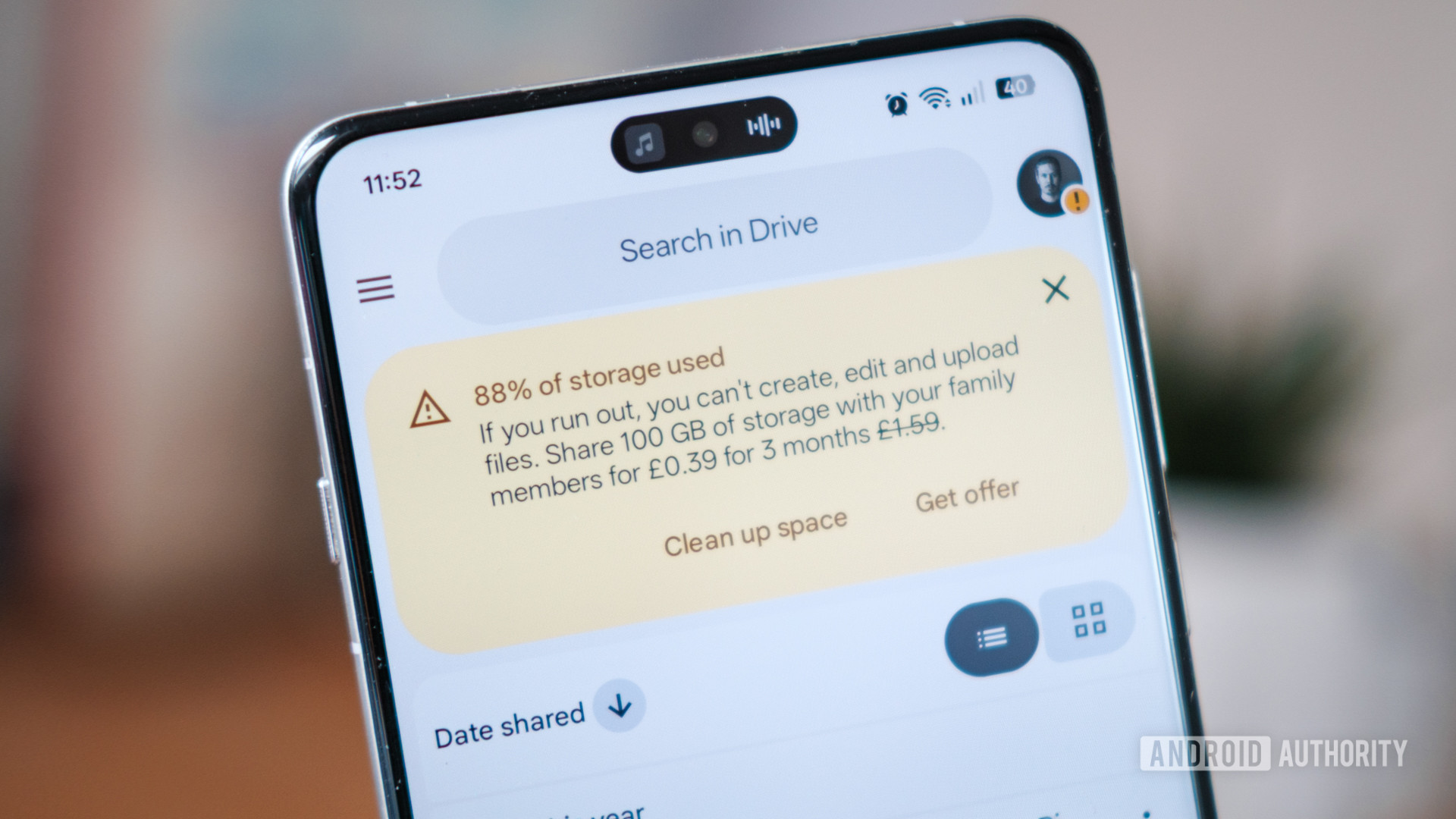
One of the most significant barriers to AI adoption is the cost of subscription models. For years, the industry standard for premium AI access hovered around $20 per month. In 2026, both Google and OpenAI introduced entry-level tiers at roughly $8 per month. However, Google’s offering provides a superior value proposition by folding in essential services.
Google Gemini’s entry-level subscription includes 200GB of Google Drive storage. For the average user already paying for cloud storage, this effectively reduces the cost of the AI subscription to a fraction of its sticker price. OpenAI, by contrast, offers access to its model suite without any bundled utility services, creating a "pay-for-AI-only" model that struggles to compete with Google’s comprehensive subscription bundles.
2. Deep Integration and the Rise of AI Agents
Integration is where Google holds an insurmountable advantage. ChatGPT offers third-party plugins, but Gemini is built directly into the operating system and software stack that billions of people use daily.
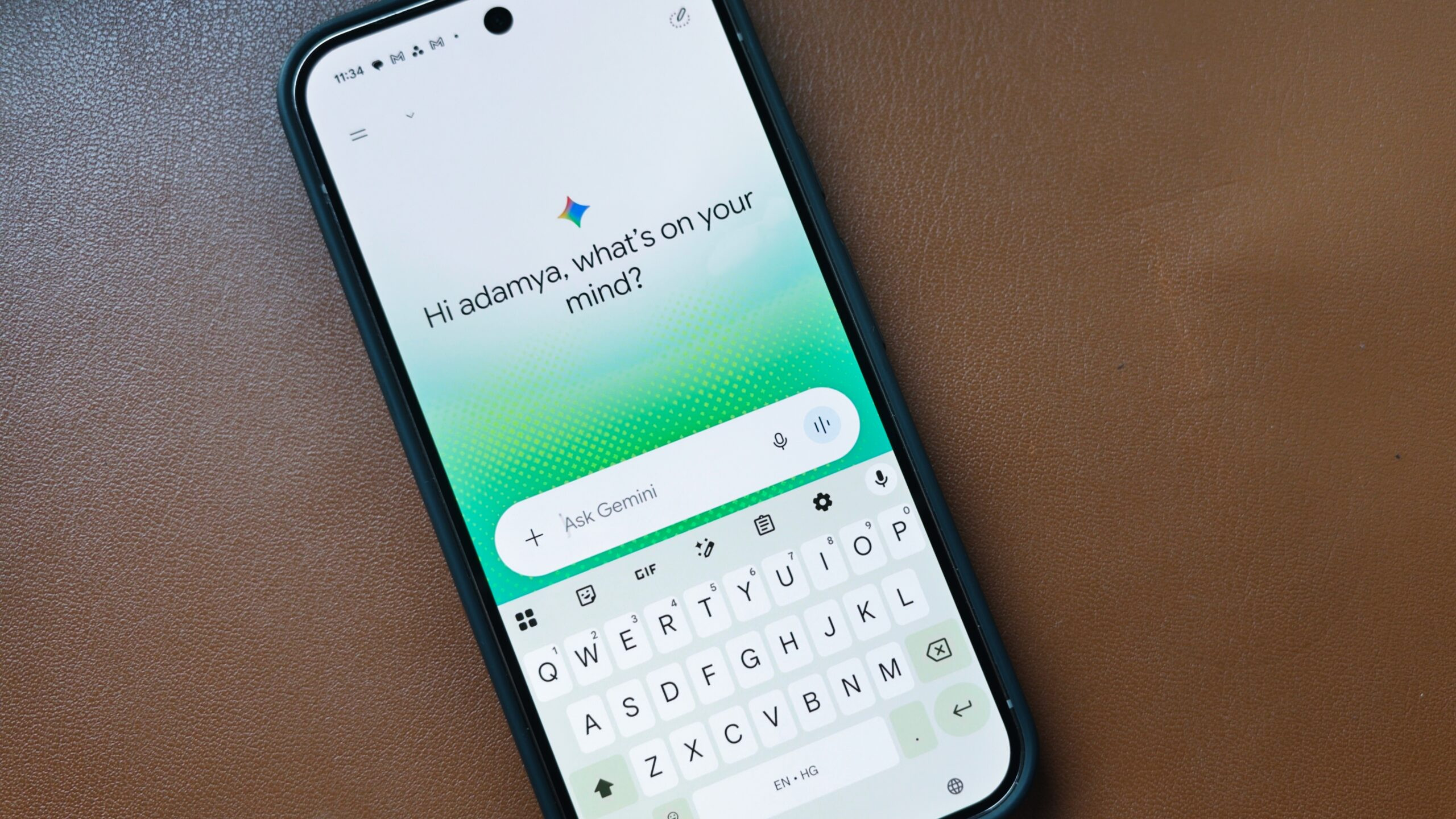
The introduction of "Google Spark," a cloud-based AI agent, represents the next frontier. Spark is designed to operate across Gmail, Docs, and Drive with granular control. For example, it can proactively scan credit card statements for forgotten subscriptions, cross-reference them with email receipts, and draft cancellation notices—all without the user needing to manually initiate the search. This "agentic" capability turns Gemini from a chatbot into a personal administrative assistant.
3. Hardware-Level Synergy
Android’s integration with Gemini has evolved far beyond the traditional voice assistant. In 2026, Gemini is baked into the OS, enabling system-level controls and on-screen context awareness. Features like "Circle to Search" have been bolstered by Gemini, allowing users to query information directly from their current screen state. At the 2026 Google I/O, the company unveiled "Android Halo," a framework designed to track and manage the activities of various AI agents, creating a unified dashboard for a user’s digital life.
Image and Video Generation: The Multimodal Edge
A major battlefield in 2026 is multimodal generation—the ability to create not just text, but images and video. OpenAI’s Sora was once the gold standard, but the company has seemingly retreated from the video generation space, retiring it as a standalone feature.
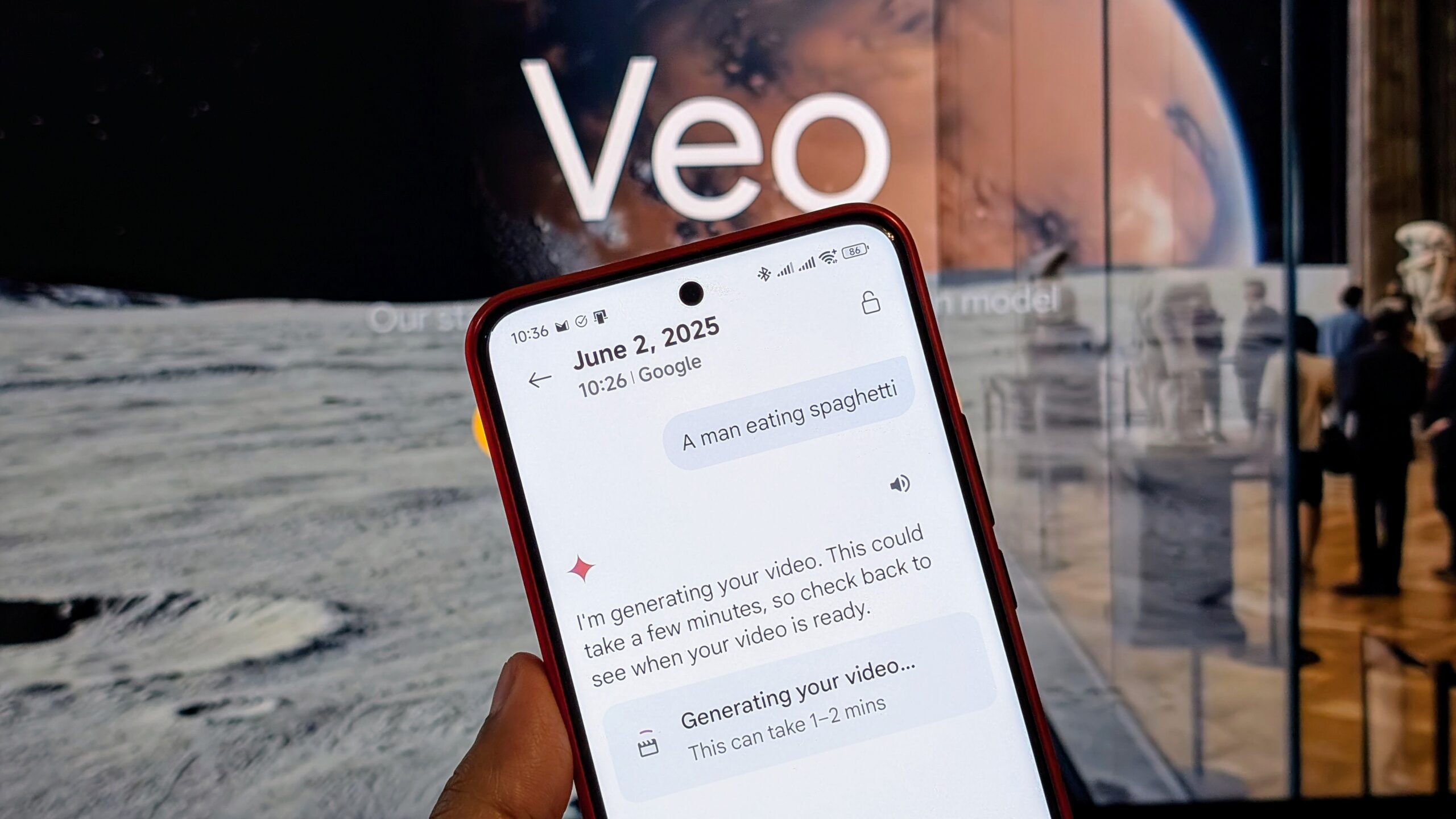
Google has moved in the opposite direction. "Gemini Veo" has become the industry leader for AI video generation, and the newer "Gemini Omni" model allows for the seamless synthesis of text, audio, images, and video. By making these tools accessible directly within the Gemini interface, Google has provided a more cohesive creative workflow than competitors who require jumping between disparate platforms.
Official Responses and Strategic Implications
The shift in market share has not gone unnoticed by the industry. In recent press statements, OpenAI leadership has emphasized their focus on "frontier research" and "model safety," suggesting that they view the race as one of intellectual depth rather than horizontal reach. However, internal memos leaked earlier this year suggest that OpenAI is feeling the pressure to expand its utility, with plans to potentially integrate more heavily with enterprise software suites to mirror Google’s success.
Google, meanwhile, has remained bullish on its "AI everywhere" strategy. Sundar Pichai’s recent comments at shareholder meetings highlight a focus on "frictionless AI," where the technology disappears into the background of the user’s daily workflow. The company’s decision to upgrade Google Search with Gemini 3.5 Flash is evidence of this; by turning the world’s most popular search engine into an "agentic" platform, Google is ensuring that even casual users are constantly engaging with their AI ecosystem.

Implications for the Future
The current state of the AI market suggests that we are moving out of the "chatbot era" and into the "agentic era."
- The Death of the Standalone Chatbot: The future of AI will likely be defined by integration. Services that exist as isolated chat windows will find it increasingly difficult to compete with those that can read your emails, organize your calendar, and generate assets across your existing software ecosystem.
- The "Free Tier" War: As Google continues to offer a more generous, compute-based free tier, other AI companies will face pressure to lower their costs or risk losing the next generation of power users who are currently cutting their teeth on Gemini’s free services.
- The Trust Factor: OpenAI’s regulatory and legal hurdles have allowed Google to capture the "safe, stable, and essential" market segment. If OpenAI cannot resolve its image problem and improve its corporate reputation, it risks becoming a niche tool for researchers rather than a platform for the masses.
Conclusion
The gap between ChatGPT and Gemini is closing not because of a single breakthrough, but because of a compounding series of advantages. Google’s ability to bundle storage, dominate the Android ecosystem, and provide superior multimodal creative tools has created a "stickiness" that is difficult to break.
While ChatGPT remains a technological powerhouse, it is currently fighting a war on two fronts: competing with the raw capability of other models and competing with the massive, integrated infrastructure of a tech conglomerate. Unless OpenAI can replicate this ecosystem-level integration, the trend of the next few years seems clear: the AI market will increasingly favor the platform that does the most for the user, in the places where they already spend their time. For now, that platform is Google Gemini.












No comments yet. Be the first to join the conversation!