

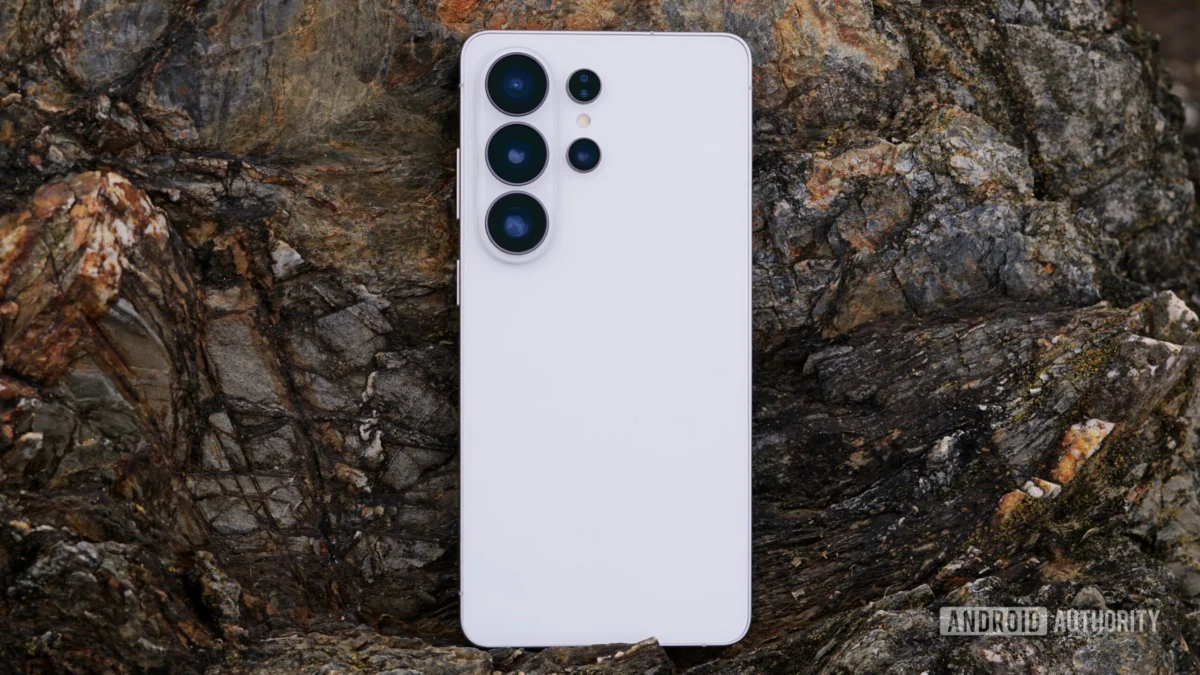
In a move that has caught even the most seasoned industry analysts off guard, Samsung Electronics has officially pulled the curtain back on the One UI 9 beta program. This announcement comes on the heels of the company’s rollout of One UI 8.5, which only recently began reaching global devices. By launching the testing phase for its next major interface iteration—built atop the upcoming Android 17 framework—Samsung is signaling a shift toward an accelerated software development cycle, aiming to solidify its dominance in the flagship market.
Main Facts: What You Need to Know
The One UI 9 beta program is now live, specifically targeting the Galaxy S26 series, Samsung’s latest flagship lineup. This aggressive timeline marks a significant departure from previous years, where beta cycles often spanned several months before reaching a public testing phase.
Key highlights of the announcement include:
- Core Foundation: The software is built on the Android 17 operating system, the next major iteration of Google’s mobile platform.
- Device Eligibility: The beta is currently exclusive to the Galaxy S26 series, including the S26, S26 Plus, and the S26 Ultra.
- Global Reach: Samsung has designated six key markets for the initial rollout: South Korea, Germany, India, Poland, the United Kingdom, and the United States.
- Speed of Implementation: By launching this so soon after the stable release of One UI 8.5, Samsung is effectively shortening the "lull" period between major software milestones, ensuring that users have access to the latest features as quickly as possible.
A Chronology of Rapid Deployment
To understand the magnitude of this announcement, one must look at the recent cadence of Samsung’s software updates. In the past, the gap between the release of a stable One UI version and the announcement of the next beta was typically measured in months.
- Mid-April 2026: Samsung finalized and deployed the stable version of One UI 8.5. This release focused heavily on refined system stability and minor UI tweaks, serving as a polish layer for the existing Android architecture.
- Late-April 2026: Almost immediately following the global rollout of 8.5, Samsung issued an official press release via its Mobile Press portal. This signaled the transition from the 8.x development branch to the 9.0 branch.
- The Current Week: The beta portal has opened, allowing registered users in the six selected territories to begin the process of downloading and installing the early-access software.
This rapid-fire approach suggests that Samsung has optimized its internal development pipelines, allowing teams to work in parallel on stability patches for current software while aggressively iterating on the next generation of features.
Supporting Data: Why the S26 Series Matters
The Galaxy S26 series represents the pinnacle of Samsung’s hardware engineering, and it is no coincidence that this device family is the primary beneficiary of the One UI 9 beta. The hardware-software synergy is critical to the success of a major interface overhaul.
Hardware-Software Optimization
The S26 series utilizes a highly specialized chipset architecture, designed to handle the advanced neural processing tasks required by modern Android iterations. One UI 9 is rumored to be "AI-first," with a deep integration of machine learning across the system UI.
- RAM Management: With the S26 Ultra’s increased memory bandwidth, Samsung is expected to introduce "Predictive Resource Allocation," a feature that anticipates which apps a user will open next, pre-loading them into memory without sacrificing battery life.
- Display Refresh Rates: One UI 9 is rumored to introduce more granular control over adaptive refresh rates, potentially dropping to as low as 1Hz for static tasks to maximize the efficiency of the new display panel technology found in the S26 series.
Regional Testing Metrics
By focusing on South Korea, the U.S., and key European markets, Samsung is gathering data from the most diverse user demographics. These regions represent the highest concentration of "power users," whose feedback is essential for identifying edge-case bugs that could plague a wider rollout.
Official Responses and Strategic Intent
In an official statement released via the Samsung Mobile Press site, a spokesperson for the company stated: "Our commitment to the Galaxy S26 series goes beyond hardware. With One UI 9, we are redefining the relationship between the user and the device. By engaging our community early in the development cycle, we ensure that the final product is not only stable but deeply aligned with the needs of our global user base."
Industry observers suggest that this announcement is part of a larger strategy to compete with the growing fragmentation in the Android ecosystem. By maintaining a tight, rapid-update schedule, Samsung aims to convince users that a Galaxy device is the safest, most "future-proof" investment in the mobile market.
Implications: The Future of Android
The launch of the One UI 9 beta has far-reaching implications for the mobile landscape.
1. The Death of the "Slow Update" Narrative
For years, Android manufacturers—Samsung included—faced criticism for being slow to push updates compared to Apple’s iOS ecosystem. This new, rapid-fire approach effectively dismantles that narrative. If Samsung can maintain this pace, it sets a new gold standard for Android software support, putting immense pressure on competitors like Xiaomi, Oppo, and Motorola to accelerate their own timelines.
2. Integration with Android 17
Android 17 is expected to be a major pivot toward ambient computing. One UI 9 will likely serve as the primary vehicle for these changes. Features like "Contextual Awareness," which allows the phone to change settings based on the user’s environment, will be tested extensively during this beta period.
3. Developer Ecosystem Impact
For third-party app developers, this early beta provides a crucial window. Developers now have months to optimize their apps for the new APIs introduced in Android 17. This ensures that when the stable version of One UI 9 launches, the apps users rely on most will be fully compatible and optimized, preventing the crashes and performance issues that often plague new OS launches.
What Should Users Expect?
If you are a Galaxy S26 owner in a participating region, you are likely wondering whether to join the beta. While the allure of early access is strong, it is important to exercise caution.
Risks of Early Adoption:
- Stability: Early beta builds are, by definition, unfinished. You may encounter random reboots, battery drain, or incompatibility with banking and secure apps.
- Data Integrity: While rare, there is always a risk of data loss during a major OS transition. Backing up your device via Samsung Cloud or Smart Switch is not just recommended; it is essential.
- Feature Variability: Not all features announced for One UI 9 may be present in the initial beta build. Some may be held back for future iterations to allow for further testing.
Conclusion
The initiation of the One UI 9 beta for the Galaxy S26 series is more than just a software update; it is a statement of intent. Samsung is positioning itself as the leader in both hardware innovation and software lifecycle management. By inviting the community into the fold at such an early stage, the company is fostering a culture of co-creation that is becoming increasingly rare in the tech world.
As we move through the coming months, the feedback from this beta program will refine what promises to be the most sophisticated version of One UI to date. For the Galaxy S26 user, the future of Android is arriving ahead of schedule—and it is looking brighter than ever.
Stay tuned as we continue to track the development of One UI 9, providing in-depth analysis of new features and performance benchmarks as they become available.












No comments yet. Be the first to join the conversation!