

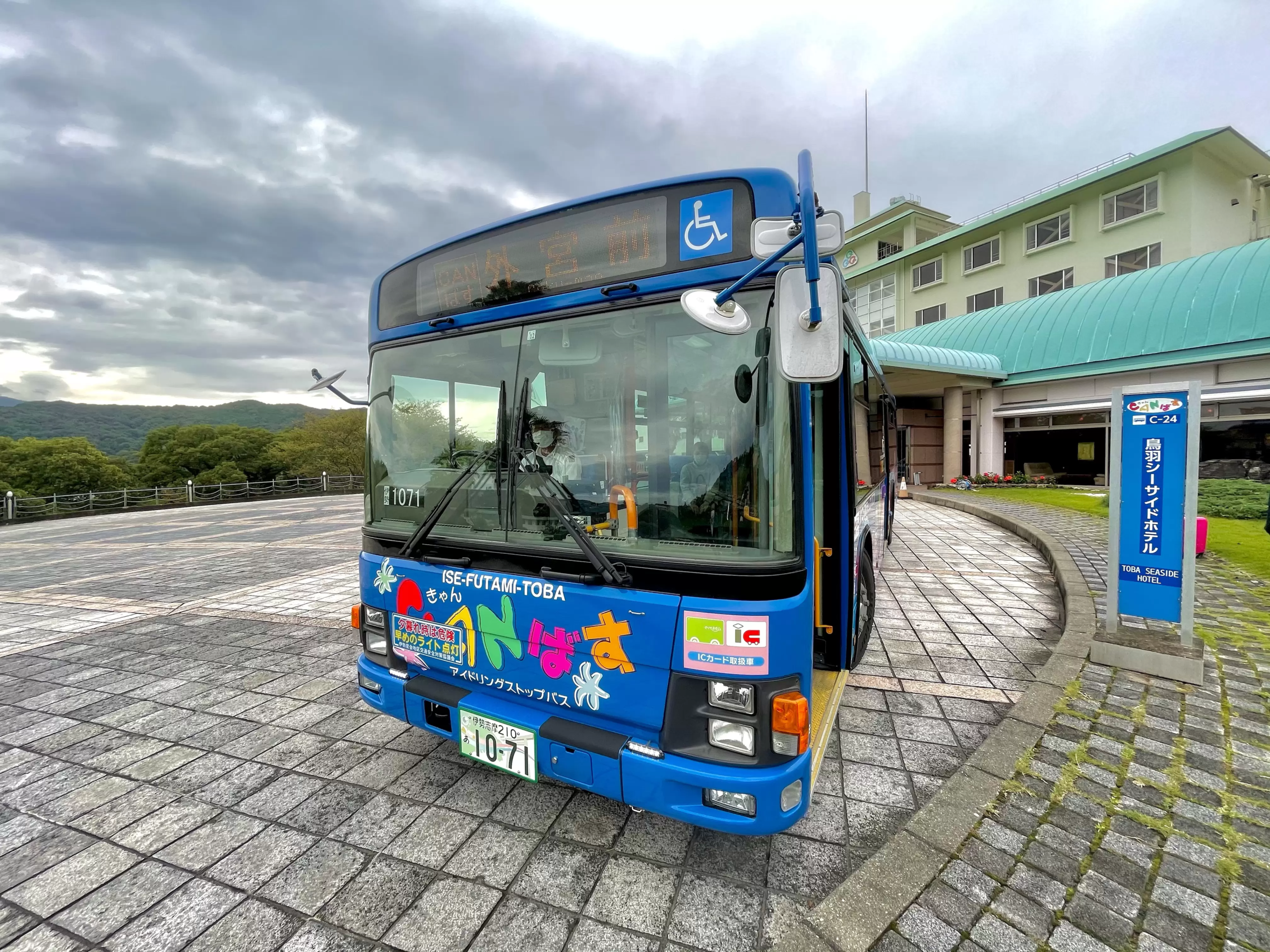
For travelers seeking to immerse themselves in the spiritual grandeur of Ise Jingu and the scenic coastal beauty of Futami, the logistics of navigation often present a daunting hurdle. However, a specialized transit solution—the Mie Kotsu "CAN Bus"—has emerged as the definitive bridge between the comfort of the Toba Seaside Hotel and the historic precincts of Ise. By streamlining the journey into a single, direct transit experience, this service is redefining how visitors explore one of Japan’s most cherished cultural corridors.
Main Facts: The CAN Bus Advantage
The "CAN Bus" is not merely a public transit route; it is a curated tourist lifeline operated by Mie Kotsu. Designed to link the major nodes of the Toba, Futami, and Ise areas, the service caters to both hotel guests and day-trippers alike.
Why Choose the CAN Bus?
The primary value proposition of the CAN Bus lies in its convenience and reliability. Unlike the standard regional rail network, which often requires multiple transfers, the CAN Bus offers a direct, stress-free route.
- Direct Connectivity: The bus departs directly from the Toba Seaside Hotel, bypassing the need for commuters to navigate local train stations with luggage in tow.
- Seating Assurance: As the first stop on the route, passengers boarding at the Toba Seaside Hotel enjoy a high probability of securing a seat, even during peak travel seasons.
- Digital Integration: The bus is equipped with free onboard Wi-Fi, allowing travelers to research shrine etiquette or plan their itinerary in real-time while in transit.
- Logistical Ease: By eliminating transfers, travelers avoid the common stressors of navigating complex transit schedules, making it an ideal choice for families and those with heavy luggage.
Chronology: A Morning Departure for a Day of Discovery
Timing is essential for the modern pilgrim. The CAN Bus operates on a precise daily schedule, designed to position travelers at the gates of the Inner Shrine (Naiku) during the optimal hours of the morning.

- 09:45 AM – Pre-Departure: The bus typically arrives at the Toba Seaside Hotel bus stop (located conveniently to the left of the main entrance) ahead of schedule. Passengers are encouraged to utilize hotel facilities before boarding, as this is the only morning departure from this location.
- 09:57 AM – Departure: The bus departs promptly. The boarding process is intuitive: passengers enter through the rear door and exit through the front.
- 10:22 AM (Approx.) – The Futami Milestone: After roughly 25 minutes, the bus reaches the Futami Meoto Iwa Rocks. This stop offers a quick, accessible opportunity to view the famous "Wedded Rocks," an iconic site of Shinto significance.
- 10:57 AM (Approx.) – Arrival at the Inner Shrine: The final leg of the journey concludes at Ise Jingu Naiku, approximately 60 minutes after the initial departure from the hotel.
Supporting Data: Fare Structures and Economic Efficiency
Travelers often find that the most efficient route is also the most cost-effective. Mie Kotsu provides a transparent pricing model that rewards strategic planning.
Fare Breakdown (Adults)
- Toba Seaside Hotel to Ise Jingu Naiku: 1,150 yen
- Ise Jingu Naiku to Ise Jingu Geku (Outer Shrine) / Ujiyamada Station: 520 yen
- Ise Jingu Naiku to Isuzugawa Station: 300 yen
The One-Day Pass Advantage
For those planning a comprehensive tour, the individual fare structure can quickly accumulate. For instance, a route encompassing the hotel, the Naiku, and a connection to Isuzugawa Station totals 1,450 yen. By contrast, the Mie Kotsu One-Day Pass is priced at only 1,300 yen.
This pass does more than provide a 150-yen savings on the base journey; it serves as a "Golden Ticket" for the region. It offers:
- Unlimited Travel: The flexibility to hop on and off at various stops, including the Outer Shrine (Geku) and Futami.
- Facility Discounts: Cardholders are eligible for reduced entry fees at major regional attractions, including the Jingu Chokokan Museum, the Okageza Myth Museum, and the Ise Sea Paradise.
Official Responses and Operational Guidelines
Mie Kotsu Group Holdings, the parent organization behind the service, emphasizes that the CAN Bus is a central pillar of their regional mobility strategy. By connecting the Toba seaside resort area with the spiritual heart of the Ise region, the company aims to facilitate a more cohesive tourism experience.

Guidelines for Passengers:
- Payment Methods: The service accepts both cash and major transportation IC cards. When paying with cash, passengers must take a numbered ticket upon boarding to ensure the correct fare is calculated at the end of the trip.
- Information Hub: For real-time updates, schedule variations, or to purchase discounted tickets, travelers are directed to the official Mie Kotsu website.
- Visitor Etiquette: Given the spiritual nature of the destination, the company encourages visitors to use the provided travel time to prepare mentally for their visit to the Shrines, ensuring they are familiar with the customs of the sacred grounds.
Implications: The Future of Ise-Shima Tourism
The implementation of the CAN Bus service reflects a broader trend in Japanese domestic tourism: the shift toward "seamless mobility." As regional travel continues to recover and expand, the ability to move tourists from high-end accommodation directly to historic sites without the friction of multiple transfers is becoming a significant competitive advantage.
Reducing the Carbon Footprint
Beyond convenience, the centralization of transit into a single bus route reduces the reliance on private vehicle rentals or taxis, contributing to the sustainability of the Ise-Shima National Park area. By encouraging the use of public, high-capacity transport, Mie Kotsu is actively participating in the preservation of the serene atmosphere that makes Ise a global pilgrimage site.
Encouraging Deeper Exploration
The inclusion of discount partnerships with museums and cultural institutions like the Okageza Myth Museum suggests that the bus is intended to serve as a catalyst for longer, more meaningful stays. Rather than rushing through the main shrines, the CAN Bus encourages travelers to linger in the region, supporting local economies in Futami and the surrounding districts.
Final Considerations for the Traveler
While the CAN Bus is an exceptional tool, travelers should remain cognizant of the limitations of a single-departure schedule. Planning one’s day around the 09:57 AM departure is essential. Furthermore, as regional services are subject to seasonal adjustments, it is highly recommended that visitors verify the current schedule and fare information via the official website shortly before their trip.

By choosing the CAN Bus, the traveler moves beyond the role of a mere tourist, becoming a participant in a well-oiled, efficient, and culturally respectful journey. Whether you are a first-time visitor to the Inner Shrine or a frequent traveler to the Mie Prefecture, the CAN Bus remains the most reliable, comfortable, and economical choice for navigating the spiritual landscape of Ise.
Disclaimer: Information contained in this report is accurate as of the date of publication. Please confirm all fares and schedules with Mie Kotsu directly prior to your travel, as service availability and pricing may be subject to periodic revisions. The Mie Kotsu Group provides these services to enhance regional connectivity and supports the tourism infrastructure of the Ise-Shima region.












No comments yet. Be the first to join the conversation!