

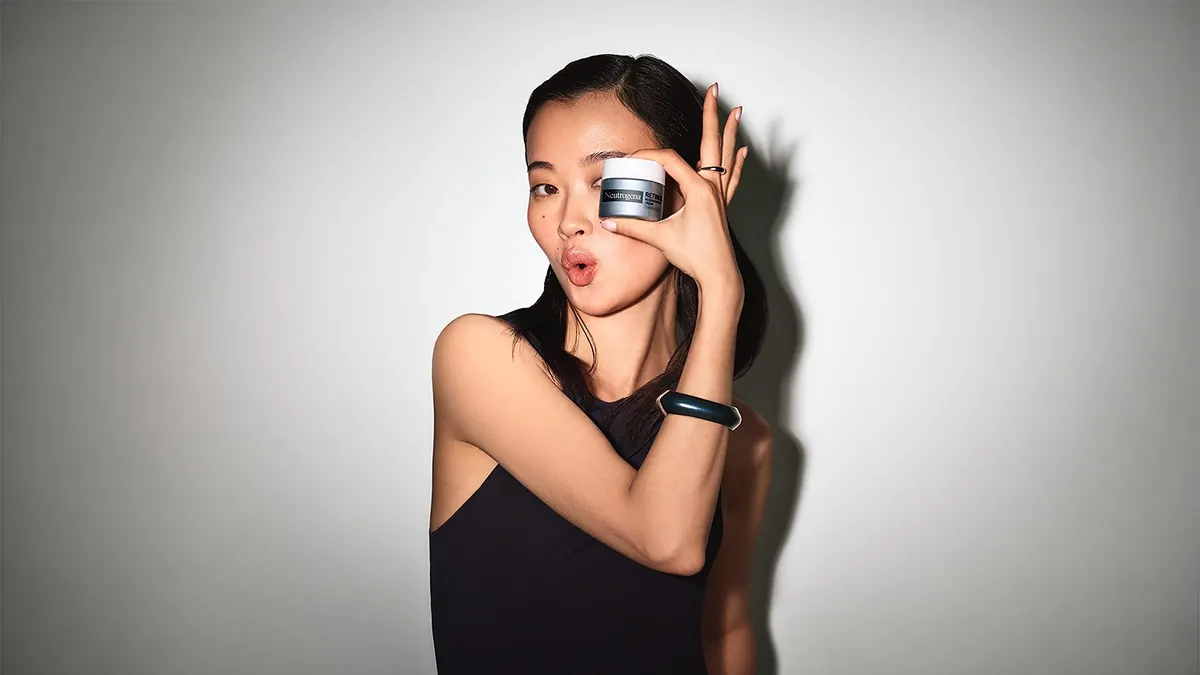
In an era where skincare advice is often dictated by unverified social media trends and the rapid-fire cycle of “TikTok-famous” hacks, Kenvue-owned powerhouse Neutrogena is attempting to reclaim the narrative. With the launch of its new campaign, “Break the Rules,” the legacy brand is positioning itself as the bridge between clinical, dermatologist-backed science and the modern, entertainment-driven expectations of today’s beauty consumer.
The initiative marks a strategic pivot for the 96-year-old brand, signaling an intent to compete directly with category disruptors like CeraVe and legacy icons like Dove. By blending high-science credentials with culturally resonant messaging, Neutrogena is aiming to cut through the digital noise that currently overwhelms skincare aisles.
The Core Objective: Cutting Through the Noise
The “Break the Rules” campaign is not merely a marketing slogan; it is a tactical response to the overwhelming amount of misinformation currently circulating on social media. Neutrogena’s research indicates that consumers are increasingly paralyzed by conflicting advice regarding ingredients, application techniques, and anti-aging philosophies.
The campaign centers on the Neutrogena Rapid Wrinkle Repair Retinol Regenerating Cream. Retinol, a perennial powerhouse ingredient, is currently the subject of intense scrutiny and high consumer interest. According to brand-provided data, the ingredient garners an average of 60,000 monthly searches, with over 17,000 U.S.-based social media posts on TikTok and Instagram alone during the first five months of 2026. The brand identified a significant tension point: consumers want the transformative results of retinol but fear the common side effects, such as redness and irritation. “Break the Rules” aims to provide a solution that reconciles these concerns with clinical efficacy.
A Chronology of Strategy: From Legacy to Modernization
Neutrogena’s journey to this moment has been characterized by a series of pivots designed to maintain relevance in a hyper-competitive market.

- 1930s – 2010s: Neutrogena established its reputation as a "dermatologist-developed" brand. For decades, the marketing strategy relied heavily on medical authority and clean, clinical aesthetics.
- 2023 – 2025: As the digital landscape shifted toward influencer marketing, the brand began experimenting with cultural touchpoints. Notable campaigns included a dive into 90s nostalgia to capture Gen Z interest and a pivot toward the “#steamybooktok” trend, which sought to associate the brand with the lifestyle habits of younger readers.
- July 2026: The official launch of “Break the Rules.” This campaign represents the brand’s most comprehensive effort to date, integrating traditional TV spots, social media influencer partnerships, and on-the-ground experiential marketing.
- August 2026 and Beyond: The brand is slated to activate at Lollapalooza in Chicago, signaling a move toward high-visibility lifestyle events to capture the attention of a festival-going demographic.
Supporting Data: Why the Shift is Necessary
The necessity of this campaign is underscored by Kenvue’s recent financial trajectory. Following the separation from Johnson & Johnson, Kenvue has seen robust growth. In the first quarter of 2026, the company reported a 4.5% increase in total net sales, with the “Skin Health and Beauty” segment—the home of Neutrogena—outperforming the average with an 8.4% growth rate.
However, growth in the beauty sector is increasingly volatile. Competitors like CeraVe have mastered the “edutainment” model—pairing dermatologist-backed credentials with viral, culturally relevant content to build a multi-billion-dollar empire. By contrast, Dove has successfully sustained its “Real Beauty” platform for decades by focusing on inclusivity and emotional resonance. Neutrogena’s “Break the Rules” campaign is a synthesis of these two successful strategies: it adopts the medical authority of CeraVe while mimicking the inclusive, myth-busting tone of Dove.
Official Responses and Creative Vision
Chris Riat, the global brand leader for Neutrogena, framed the campaign as a return to the brand’s foundational roots, updated for a modern context.
“Neutrogena has helped pioneer dermatologist-developed consumer skincare,” Riat said in an official statement. “’Break the Rules’ is us putting 90 years of expertise to work where consumers need it most, helping move them past the noise and advancing their beauty routines both in terms of aesthetics and clinical efficacy.”
The campaign’s creative direction, led by the agency Publicis, is a direct challenge to outdated beauty standards. In a 30-second hero video, the brand tackles common myths such as "don’t smile too big" (to avoid wrinkles) and "don’t sleep on your side." The narrative arc features a woman laughing off these beauty anxieties, asserting, "Don’t age by the rules." The message is punctuated by a board-certified dermatologist who invites consumers to "Biohack your skincare routine," effectively reclaiming technical language for the consumer market.

Implications for the Skincare Market
The “Break the Rules” campaign has several far-reaching implications for the broader skincare industry as we move into the second half of 2026.
1. The Rise of the "Dermatological Influencer"
The era of the "beauty guru" is being superseded by the "dermatological influencer." Consumers are demanding more than just an aesthetic endorsement; they want scientific substantiation. By utilizing Publicis to handle everything from social strategy to influencer partnerships, Neutrogena is ensuring that their digital creators are aligned with a unified, science-first message, rather than relying on disparate, unverified claims.
2. Experiential Marketing as a Growth Lever
The decision to bring the brand to Lollapalooza is indicative of a broader trend: skincare brands are no longer content to live on store shelves or social media feeds. They must exist in the real-world environments where their consumers live. By providing sunscreen and "refresh" stations, Neutrogena is converting brand awareness into physical utility, creating a tangible connection between the product and the consumer’s lifestyle.
3. The Kenvue-Kimberly-Clark Era
The timing of this campaign is critical. With the acquisition of Kenvue by Kimberly-Clark expected to finalize in the latter half of 2026, Neutrogena is under pressure to solidify its market share and demonstrate brand vitality. A successful, high-profile campaign like “Break the Rules” serves to increase the brand’s equity ahead of the merger, ensuring that Neutrogena remains a primary growth engine within the new corporate portfolio.
4. Re-Defining "Anti-Aging"
Perhaps the most significant implication is the shift in how the brand talks about aging. By explicitly challenging the idea that one should modify their facial expressions to avoid wrinkles, Neutrogena is aligning itself with a more modern, body-positive stance. This move effectively modernizes the brand’s image, moving away from the "fear-based" marketing of the 90s and early 2000s and toward a "pro-aging" or "smart-aging" philosophy that emphasizes skin health over a rigid adherence to youthfulness.

Conclusion: A Delicate Balance
Neutrogena is walking a fine line. It must maintain the trust associated with its nearly century-old medical heritage while simultaneously proving that it can play the fast-paced game of modern social media marketing. The “Break the Rules” campaign is a sophisticated attempt to achieve this balance.
By centering its message on the tension between clinical science and consumer anxiety, Neutrogena is positioning itself as a reliable guide in an increasingly chaotic marketplace. Whether this strategy will be enough to fend off the rapid ascent of younger, social-native brands remains to be seen. However, if the first quarter of 2026 is any indication, the brand is well-positioned to leverage its legacy to dominate the future of the skincare conversation. As the company transitions into its next chapter under new ownership, “Break the Rules” provides a clear, aggressive, and culturally relevant blueprint for the future of mass-market dermatology.











