Nila Kartika Wati
In the annals of television history, few projects have achieved the legendary, catastrophic status of NBC’s 1979 disaster, Supertrain. While modern audiences are accustomed to the term "flop"—often applied to streaming series that fail to secure a second season—Supertrain represents a bygone era of hubris, where massive budgets, high-concept ambition, and a complete disconnect from the viewing public collided to create one of the most expensive blunders in the history of the medium.
To understand Supertrain is to understand the desperation of a network in freefall and the misplaced faith placed in a single visionary who thought he could reinvent the television landscape with a nuclear-powered, luxury train.
The Architect of Ambition: Fred Silverman’s "Golden Gut"
By the late 1970s, Fred Silverman was the most powerful man in television. Having served as a programming executive at CBS and ABC, he was the mastermind behind juggernauts like All in the Family, Happy Days, and The Love Boat. He possessed what the industry called a "golden gut"—an uncanny, almost supernatural ability to predict what the American public wanted to watch before they even knew it themselves.
When NBC recruited Silverman to take the helm as president in 1978, the network was in a state of decay, trailing far behind its competitors. NBC needed a miracle; Silverman intended to give them one. He envisioned a slate of programs that would dominate the ratings, and his crown jewel was to be a sci-fi drama that combined the futuristic allure of high-speed transit with the proven, episodic, guest-star-heavy formula of The Love Boat.
The concept was simple: a nuclear-powered, high-speed train capable of traveling from New York to Los Angeles in record time. It would be a microcosm of society, featuring swimming pools, shopping centers, and dance clubs. It was, in theory, the perfect vessel for anthology-style storytelling. In reality, it was a logistical nightmare that lacked the warmth and intimacy required for a hit show.
Chronology of a Catastrophe
The production of Supertrain was plagued by excess from the very beginning. NBC, desperate for a ratings hit, gave the project an unprecedented level of financial backing.
Pre-Production and The $7 Million Pilot
NBC hired Dark Shadows creator Dan Curtis to helm the series. The network spared no expense, sinking a reported $7 million into the two-hour pilot episode alone. In 1979, that figure was astronomical—adjusted for inflation, it would be equivalent to nearly $30 million today. This made Supertrain the most expensive show ever produced up to that point.
The Debut and The Immediate Backlash
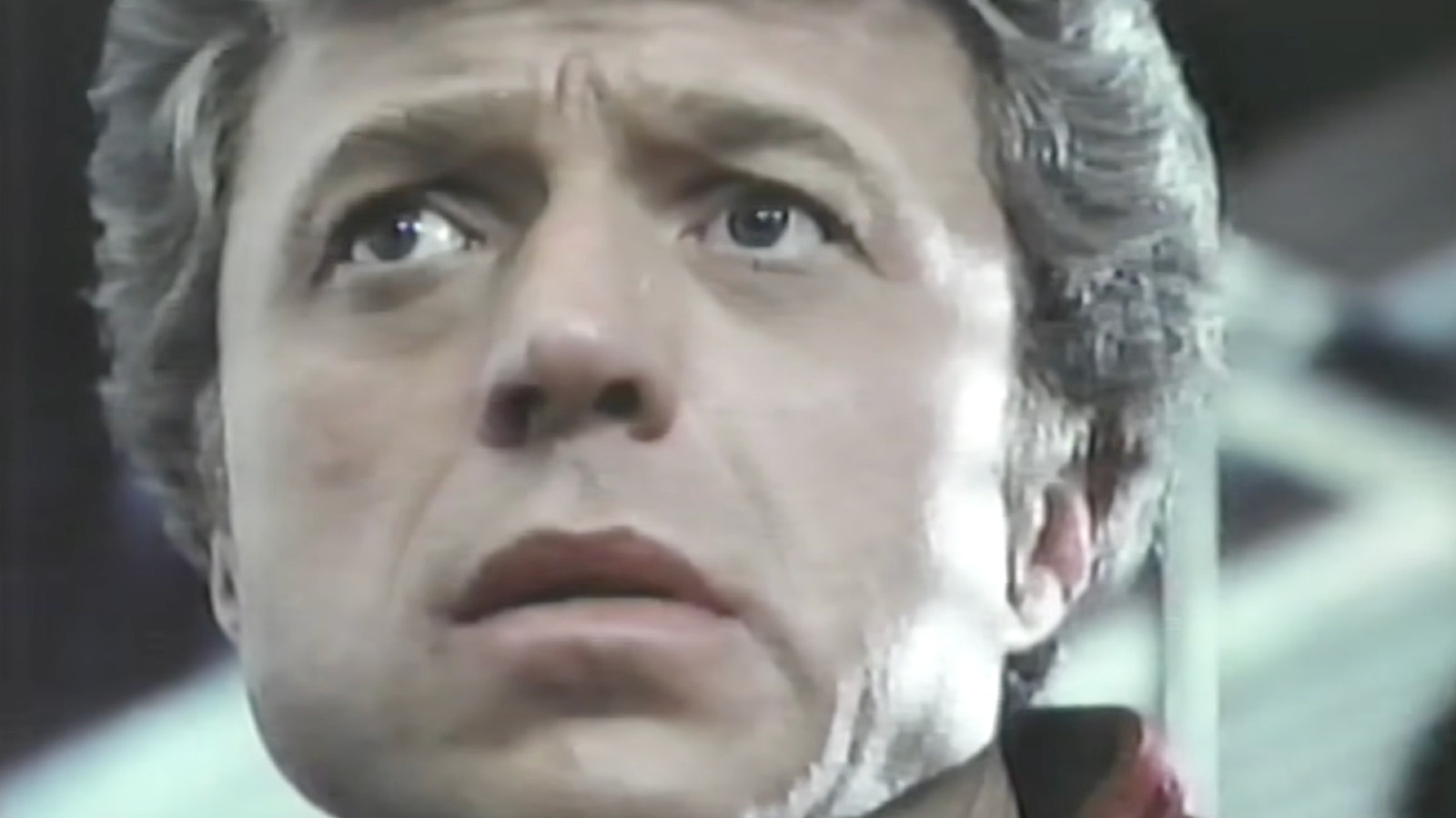
When the show finally premiered in February 1979, the reaction was immediate and negative. Critics panned the acting, the writing, and, most notably, the sets. Despite the millions spent on production, the interior of the train felt cramped and artificial. Instead of the opulent cruise-ship-on-rails vibe the network promised, the sets felt like a claustrophobic, beige-colored fever dream.
The Mid-Season Overhaul
Realizing the show was failing to win its time slot, NBC attempted a desperate, classic "retooling." They slashed the cast from 10 regular characters to five, hoping to focus on a more streamlined, Love Boat-style narrative. They adjusted the tone, shifting toward lighter, more comedic interactions. It was too little, too late. By the end of the 1978-79 season, Supertrain ranked 69th out of 114 shows. NBC pulled the plug after just nine episodes.
The Economics of Failure: Supporting Data
The financial wreckage left by Supertrain was compounded by a stroke of exceptionally bad luck for NBC. The network’s heavy investment in the series coincided with the U.S. boycott of the 1980 Summer Olympics in Moscow, which cost NBC millions in projected advertising revenue.
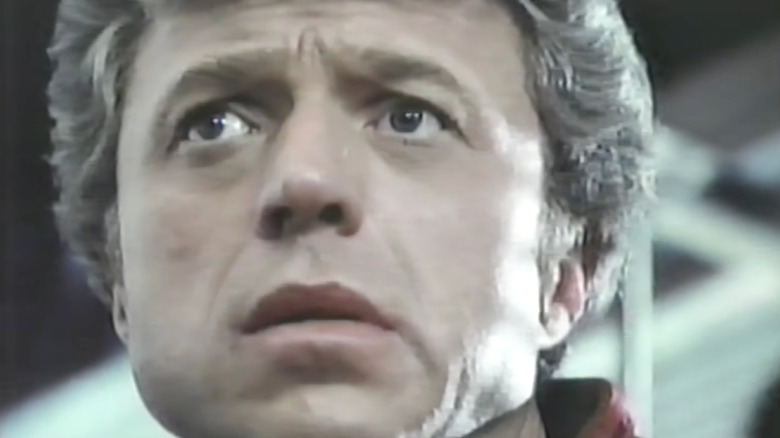
The financial data regarding Supertrain remains staggering:
- The Set Budget: $5 million was allocated purely for the construction of the train’s interiors.
- The Model Trains: NBC spent an additional $10 million to commission three massive, highly detailed model trains for exterior shots.
- The Incident: One of the three custom-built model trains crashed during filming, forcing the production team to rush the construction of a replacement, adding even more weight to the ballooning budget.
- Per-Episode Costs: After the initial investment, every single episode of the nine-episode run cost upwards of $500,000.
These figures, when viewed in the context of the network’s broader financial struggles at the time, illustrate why Supertrain is cited as one of the few shows that genuinely threatened to push a major network toward bankruptcy.
The "Love Boat" Problem and Creative Missteps
Why did Supertrain fail so spectacularly? The core issue was tone. The Love Boat succeeded because the ship was a romantic destination; the passengers were there to find love or closure. Supertrain tried to force high-stakes drama—assassins, jewelry heists, and murder mysteries—into a setting that was fundamentally sterile.
Guest stars were brought in, including comedy legends like Dick Van Dyke and Tony Danza, but even their charm could not save the scripts. The writers struggled to make the "sci-fi" elements feel grounded. The train was supposed to be a marvel of engineering, but it often looked like a poorly constructed ride at a regional amusement park. The juxtaposition of "serious crime" and "futuristic luxury" never gelled, resulting in a show that was too silly for a drama and too boring for a sci-fi epic.
Implications for Modern Television
The legacy of Supertrain is one of caution. It stands as a reminder that money cannot buy audience interest. In the modern era of streaming, where budgets for shows like The Lord of the Rings: The Rings of Power or Stranger Things frequently exceed $10-20 million per episode, Supertrain serves as the historical baseline for what happens when production value replaces narrative substance.
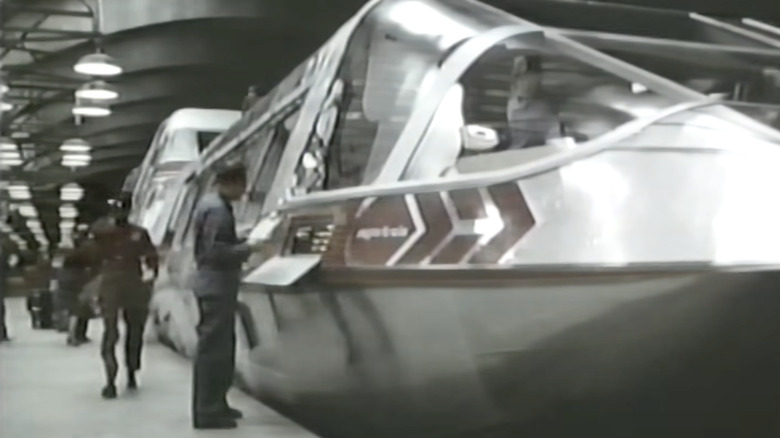
Furthermore, the "retooling" of Supertrain is a textbook example of why mid-season overhauls rarely work. When a show’s fundamental premise is flawed, cosmetic changes to the cast or tone cannot stop the bleeding. The audience had already decided what Supertrain was: a joke. Once that reputation was established, no amount of editing could salvage the brand.
The Final Resting Place of the Dream
In a strange post-script to the show’s history, the legacy of the Supertrain actually survived in the real world. Years after the cancellation, a model-train enthusiast named Ben Thoburn discovered that he had purchased one of the original 50-foot-long, two-foot-tall models used for the show’s exterior shots from a Philadelphia jewelry store.
The model was eventually acquired by Los Angeles-based producer Jack Morrissey, who had been a fan of the show during its original, brief run. The fact that pieces of the production ended up in the hands of private collectors is perhaps the most fitting end for a show that was more focused on its physical "toy" than its soul.
Ultimately, Supertrain remains a cautionary tale of "big-swing" television. It serves as a permanent mark on the resume of Fred Silverman and a stark reminder that in the television industry, even the most expensive, well-marketed, and high-tech ideas can be derailed by the simple, unforgiving reality of a disinterested audience. The train has long since left the station, but its wreck remains a landmark in the history of pop culture.


 Asro
Asro
 Basiran