

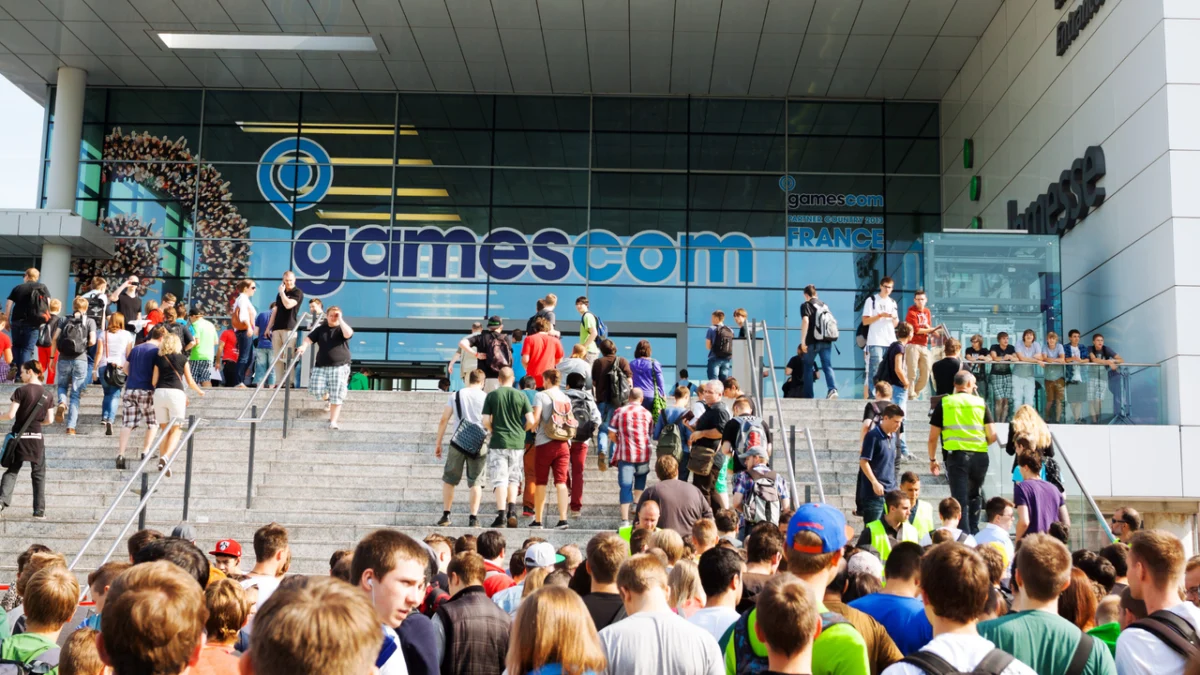
The global gaming industry descended upon Cologne, Germany, for Gamescom 2026 with high expectations, anticipating a celebration of upcoming titles and technological innovation. However, the event has been marred by a series of brazen equipment thefts, leaving several indie developers and publishers grappling with both significant financial losses and the harrowing prospect of compromised intellectual property.
Reports from the exhibition floor indicate that multiple booths were targeted by thieves during the week, casting a long shadow over one of the industry’s most significant annual gatherings. Among those affected are independent developer Ryan Laley, publisher iam8bit, and Tessera Studios, all of whom have publicly detailed their losses, citing a mix of physical hardware theft and the potential exposure of sensitive, unreleased game data.
The Chronology of the Breaches
The incidents appear to have occurred overnight, exploiting the period when exhibition halls are typically less densely populated by staff and attendees.
For Ryan Laley and iam8bit, the proximity of their booths—located in Hall 4.1 near the west entrance—likely made them prime targets for opportunistic criminals. The west entrance is a high-traffic area, often serving as a primary transit point for logistics and staff access, potentially providing a veneer of legitimacy for individuals moving equipment. Laley, in a deeply personal account shared on social media, described his experience as a "huge blow financially and mentally," noting that he arrived at his booth to find his setup stripped of essential hardware, including multiple laptops.
Simultaneously, iam8bit, a prominent publisher known for its high-profile indie projects, reported the loss of two laptops. These machines were not merely tools of convenience; they were the primary conduits for showcasing Petal Runner and Escape Academy 2 to members of the media and influential content creators. The theft effectively paralyzed their ability to conduct business, forcing a sudden and stressful pivot in their show-floor operations.
While the Hall 4.1 incidents suggest a targeted approach near entry points, the case of Tessera Studios indicates that the security risk was widespread. Located in Hall 10.2, significantly removed from the other reported incidents, Tessera fell victim to a forced entry. Their cabinet was compromised, resulting in the loss of two laptops and a Steam Deck. The geographic disparity between these locations suggests either a coordinated effort or a pervasive vulnerability throughout the Koelnmesse facility that opportunistic actors were quick to exploit.
Supporting Data and the Cost of Theft
While the retail value of the stolen hardware—laptops, handhelds, and peripherals—is significant, the true cost of these crimes is measured in much higher stakes. For an independent studio, a single laptop represents more than just a piece of hardware; it is a repository of years of labor, proprietary code, and sensitive corporate data.
The primary concern for the affected parties is the integrity of their unreleased builds. In the modern game development pipeline, security is paramount. The accidental or malicious leaking of a game’s source code or an unpolished build can result in irreparable damage to a studio’s marketing strategy and, more importantly, its reputation.
When a machine is stolen, developers are not just losing a device; they are potentially losing the "gold master" of a demo or internal documentation that, if leaked, could allow malicious actors to dissect unfinished mechanics or expose the narrative beats of a title months before its intended launch. As noted in the industry, the "chilling effect" of such a breach is profound. Even with cloud-based backups and external encrypted storage, the uncertainty of who has access to the physical hardware creates a nightmare scenario for small teams that lack the legal and technical resources of major AAA publishers to mitigate a large-scale data leak.
Official Responses and Security Protocols
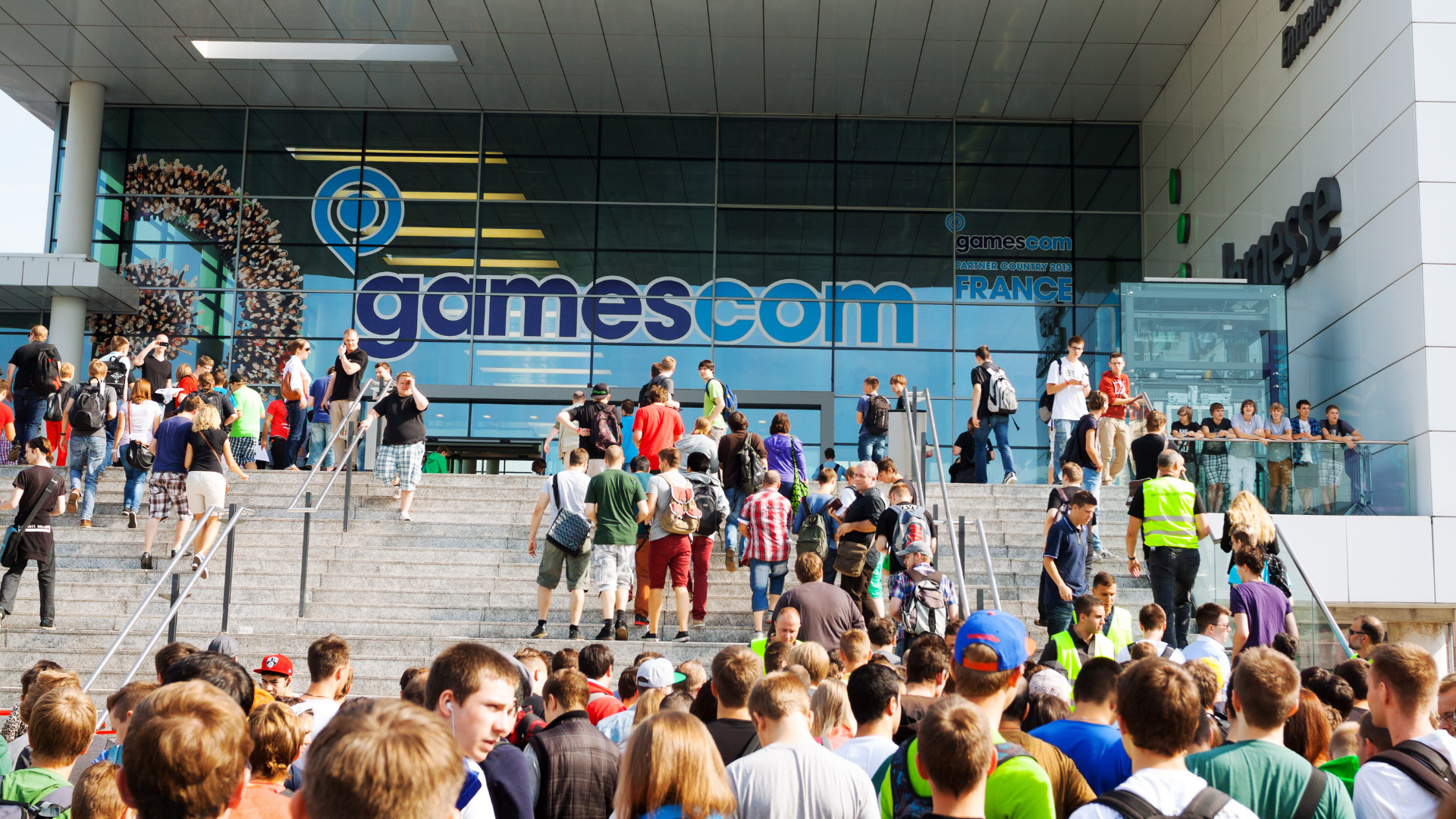
The response from Koelnmesse, the organizers of Gamescom, has been characterized by a firm adherence to their stated operational guidelines. In an official statement following the reports, organizers confirmed that they have received reports from the affected exhibitors and are coordinating with local law enforcement to facilitate investigations.
However, the organizers also moved to clarify the division of responsibility regarding security. While Koelnmesse provides general security personnel to patrol the halls and monitor entrances, they emphasized that the protection of individual booths is the responsibility of the exhibitors themselves. According to the event’s technical guidelines and terms and conditions, exhibitors are expected to book specialized booth security if they require 24-hour monitoring or individual surveillance.
"At an event of this size, there will always be individuals attempting to take advantage of the situation," a representative for the organizers stated. The response underscored that while security remains a "priority," the sheer scale of the event—spanning multiple massive halls and hosting thousands of attendees—presents logistical challenges that render universal, granular security for every individual exhibit difficult to guarantee. The organizers have strongly advised all exhibitors to maintain comprehensive theft insurance, a standard recommendation that has now taken on renewed urgency for the indie community.
The Implications for Future Industry Events
The thefts at Gamescom 2026 serve as a stark wake-up call for the gaming industry. As hardware becomes more portable and the value of digital intellectual property continues to skyrocket, the physical security of booths at global trade shows must evolve.
1. The Vulnerability of the "Indie Area"
The "Indie Area" is the lifeblood of events like Gamescom, providing a stage for smaller creators to gain visibility. However, these areas often feature more open-concept booths that are inherently more difficult to secure than the walled-off, high-security structures used by multi-billion dollar publishers. The industry may need to reconsider the design of these spaces, perhaps moving toward more hardened, lockable storage solutions provided as part of the exhibition package rather than as an expensive, optional add-on.
2. Digital Hygiene and Data Security
The incident highlights the critical need for "zero-trust" hardware policies at trade shows. Developers may need to adopt stricter protocols, such as using thin-client hardware that does not contain local, unencrypted project files, or utilizing hardware-level encryption that renders stolen machines useless without biometric or multi-factor authentication. The fear of a "GTA VI-style" leak—where early, unpolished footage disrupts years of brand-building—is a powerful motivator for change.
3. The Human Cost
Beyond the hardware and the code, there is the emotional toll on the developers. For many, Gamescom is the culmination of years of sacrifice. Having that moment of celebration interrupted by a criminal act is a psychological blow that can stifle creativity and drain the morale of small, tight-knit teams. The outpouring of support from the gaming community toward affected developers like Ryan Laley and Tessera Studios is a testament to the industry’s solidarity, but it is a poor substitute for the peace of mind that a safe working environment should provide.
Conclusion
As investigations into the Gamescom 2026 thefts continue, the event serves as a somber reminder that the excitement of innovation must be tempered by the realities of security. For the organizers, the challenge lies in balancing the open, welcoming nature of a public trade show with the increasing need for protection against sophisticated or opportunistic theft. For the developers, the takeaway is clear: in an era where data is the most valuable commodity, the physical hardware guarding that data must be treated with the same level of care as the software itself.
The industry will undoubtedly emerge from this year’s show with a more cautious approach to booth security. Whether through increased collaboration with organizers for better surveillance or a shift in how demos are presented to the public, the events of 2026 will likely set a new standard for how exhibitors protect their future, ensuring that the next generation of games reaches the players as intended—on the developers’ terms, not those of a thief.











