

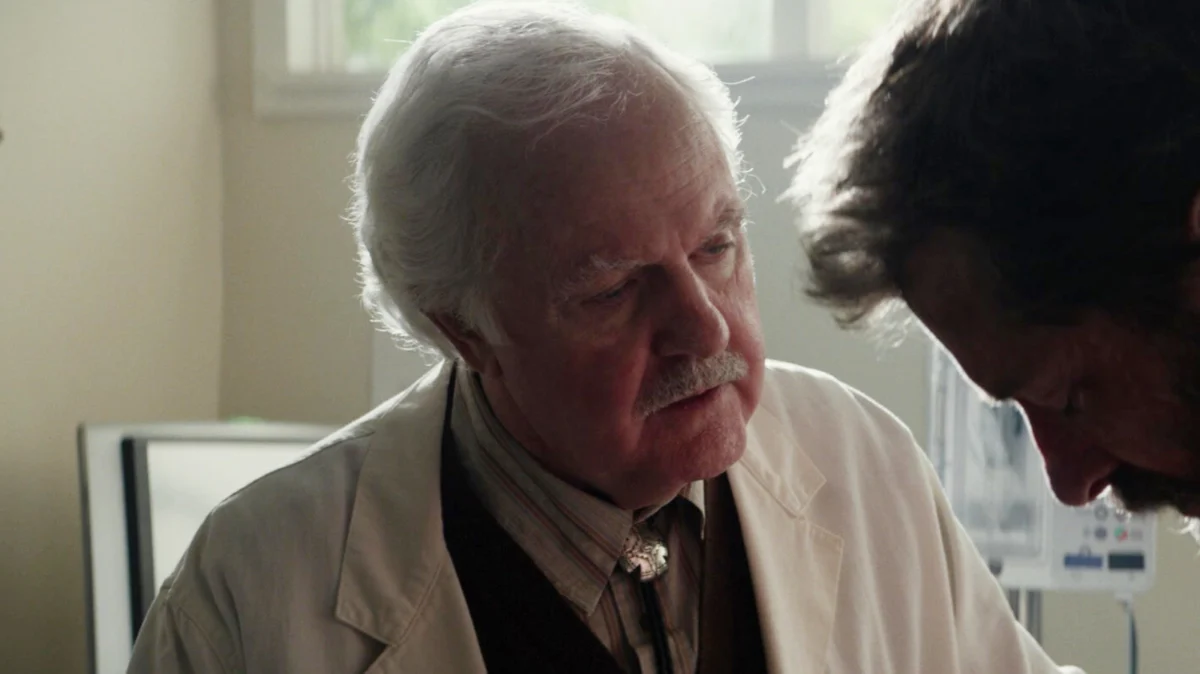
The entertainment industry is in mourning following the tragic death of James Handy, a quintessential character actor whose face and voice were staples of the American screen for over four decades. Handy, 81, passed away under harrowing circumstances that have shocked his colleagues and fans alike. Known for his ability to disappear into roles ranging from hardened law enforcement officers to figures of quiet, somber authority, Handy’s legacy is defined by a career built on reliability, intensity, and a rare ability to ground high-concept films with human reality.
The Tragic Circumstances: An Industry Stunned
The news of Handy’s death broke under the shadow of a violent crime. According to preliminary reports, the actor was allegedly killed by the son of his girlfriend, who reportedly stabbed him multiple times in the chest. While law enforcement authorities are still piecing together the timeline and motivations behind the altercation, the brutality of the event has cast a pall over Hollywood.
For a man who spent his life portraying the complexities of the human condition on screen, his own departure has been marked by a senselessness that stands in stark contrast to his professional life. As details remain scarce, the industry has turned its focus toward honoring the body of work he leaves behind—a testament to a man who dedicated his life to the art of storytelling.
A Career Chronology: From the Stage to the Silver Screen
Born with an innate sense of dramatic timing, James Handy’s ascent was not marked by overnight stardom, but by the steady accumulation of respect. His journey began in the trenches of character acting—the backbone of the Hollywood studio system.
The Early Breakthrough: "The Verdict"
In the early 1980s, Handy earned his stripes in high-stakes dramatic roles. Perhaps the most pivotal moment of his early career came with his portrayal of Kevin Doneghy in Sidney Lumet’s The Verdict (1982). Sharing the screen with the legendary Paul Newman, Handy was tasked with going toe-to-toe with one of the greatest actors of the generation. In a scene that required immense emotional range, Handy’s character—the brother-in-law of a medical malpractice victim—confronts Newman’s alcoholic lawyer, Frank Galvin. Handy held his own with a fiery, visceral performance that served as a calling card to casting directors: he was an actor who could elevate any scene, regardless of the screen time allotted.
The Television Stalwart: "NYPD Blue" and "Alias"
Throughout the 1990s and early 2000s, Handy became a fixture in American living rooms. He was a master of the "extended run," appearing in recurring roles that required a deep understanding of character continuity. His presence on NYPD Blue showcased his ability to portray the grit and moral ambiguity of police procedurals, while his tenure on J.J. Abrams’ Alias allowed him to navigate the complex, high-octane world of international espionage. He brought a sense of grounded realism to these projects, acting as an anchor for the more fantastical elements of the plots.
Genre Versatility: From "Jumanji" to "The Rocketeer"
Handy was never one to be pigeonholed. His filmography reads like a checklist of beloved 90s cinema. Whether he was appearing in the creature-feature Arachnophobia, the soaring superhero spectacle The Rocketeer, or the imaginative adventure Jumanji, Handy treated every role with the same level of commitment. He was the kind of performer who made the unbelievable seem plausible, a skill that made him an invaluable asset to filmmakers working in genre cinema.
Supporting Data: The Anatomy of a Character Actor
What made James Handy a "cherished commodity"? In the parlance of Hollywood, a character actor is someone who brings a specific, often nuanced energy to a production, supporting the protagonist while ensuring the narrative fabric remains intact.
Analysis of Handy’s body of work reveals a transition in his "type." As he moved into his fifties and sixties, his roles shifted from volatile or action-oriented characters toward those defined by "gravitas." He became the quintessential face of institutional authority—priests, doctors, judges, and senior officers. He possessed a vocal quality that carried weight, a weathered face that suggested a life of experience, and a physical stillness that commanded attention even in the background of a frame.
Groundbreaking Superhero Contributions: "Unbreakable" and "Logan"
Perhaps the most enduring aspects of his late-career work were his contributions to two of the most critically acclaimed superhero films of the 21st century: M. Night Shyamalan’s Unbreakable (2000) and James Mangold’s Logan (2017). Both films challenged the conventions of the genre, moving away from spectacle toward introspection and melancholia. Handy’s presence in these films was not coincidental; he was the actor directors called when they needed to ground their "comic book" worlds in genuine human sadness.
The Somber Priest in "Unbreakable"
In Unbreakable, Handy’s performance is defined by restraint. As a priest presiding over a memorial service for the victims of a catastrophic train wreck, his character is the emotional vessel for the audience’s grief. We hear him before we see him, his voice listing the names of the lost. In a film about survivors’ guilt and the search for purpose, Handy’s character represents the lingering, haunting reality of the tragedy that acts as the catalyst for Bruce Willis’ character, David Dunn.
The Concerned Physician in "Logan"
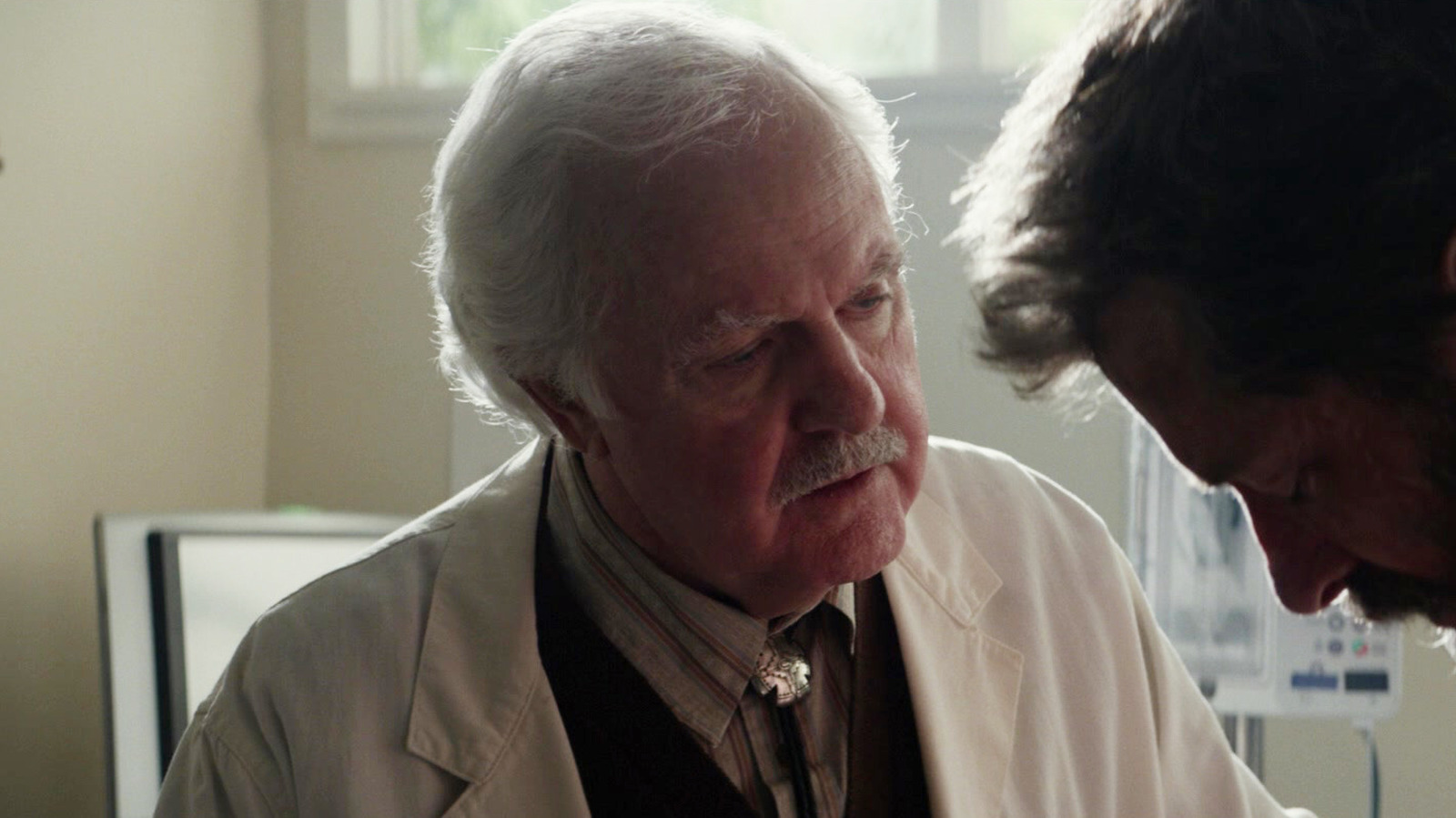
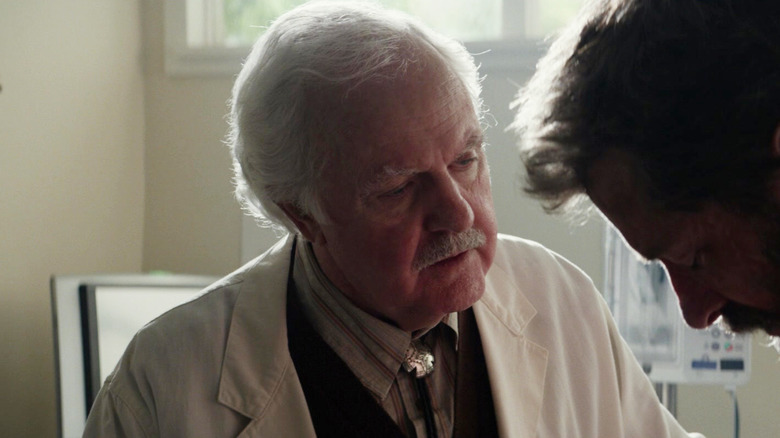
In Logan, Handy’s role as an elderly doctor provides one of the film’s most poignant human interactions. In a world where mutants are all but extinct, his character encounters a failing, aging Wolverine. His request that Logan seek medical treatment—driven by genuine professional care rather than self-interest—is a mirror held up to the audience. He is the voice of reason and humanity in a film defined by carnage. When Wolverine rejects his help, the tragedy of the scene is amplified by the doctor’s sincere, simple desire to heal, underscoring the film’s themes of decay and the inevitable end of a legend.
Implications: The Loss of an Era
The passing of James Handy is a poignant reminder of the fragility of the "working actor." While the industry celebrates its A-list stars, it is the James Handys of the world—the faces we recognize in a dozen different films without always knowing their names—that truly sustain the medium.
His death leaves a void in the landscape of character work. In an era increasingly dominated by digital effects and star-power-driven marketing, actors like Handy, who relied on the old-school principles of presence and preparation, are becoming rarer.
Industry Reflection
As colleagues and fans continue to post tributes, the consensus is clear: James Handy was a professional of the highest order. He never sought the limelight for himself, choosing instead to serve the story. Whether he was a minor character or a central catalyst, he approached every line of dialogue with the seriousness of a Shakespearean actor.
Conclusion: A Legacy of Craft
James Handy did not need to be the hero to be memorable. By dedicating his life to the craft of acting, he enriched the cinematic landscape, lending his talent to projects that shaped the childhoods and imaginations of millions. From the courtrooms of The Verdict to the mutant-ravaged future of Logan, Handy proved that a great actor can be found in the details.
He was, in every sense of the word, a professional. As we reflect on his contribution to film and television, we are reminded that cinema is not just about the figures on the posters; it is about the thousands of artists like James Handy who labor in the background to ensure the story rings true. He will be deeply missed, but his performances—the voice of the priest, the plea of the doctor, the intensity of the brother-in-law—will remain on screen, immortal, for generations to come.









No comments yet. Be the first to join the conversation!