

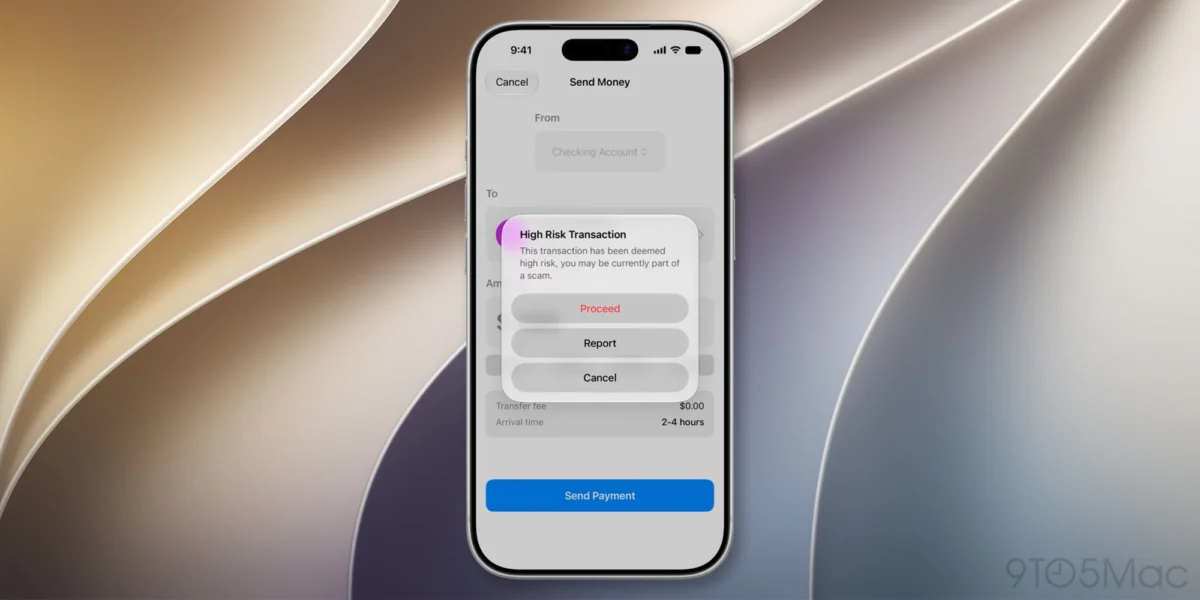
In the ever-evolving landscape of cybersecurity, the greatest vulnerability remains the human element. As artificial intelligence makes deepfakes, voice cloning, and hyper-personalized phishing campaigns increasingly indistinguishable from reality, traditional security measures—such as two-factor authentication and encrypted messaging—are proving insufficient against social engineering. Recognizing this, Apple has unveiled a groundbreaking defensive architecture in iOS 27: the "Trust Insights" framework. This system represents a paradigm shift in mobile security, moving beyond static defenses to analyze real-time behavioral patterns to intercept scams as they unfold.
The Genesis of Trust Insights: Addressing the Human Vulnerability
Social engineering scams are uniquely insidious because they exploit trust rather than software flaws. In these scenarios, the victim is often the one performing the malicious action—transferring funds, resetting passwords, or sharing verification codes—while believing they are interacting with a legitimate authority figure, a bank representative, or a loved one in distress. Because the user is "authenticated and legitimately" performing these actions, traditional security systems often perceive the activity as authorized, leaving the user defenseless.
Apple’s Trust Insights framework, introduced with iOS 27, seeks to bridge this gap. By operating as a background layer of behavioral intelligence, it aims to act as a digital "safety net," identifying the subtle, frantic, or unusual interaction patterns that typically characterize a user being coerced or coached by a scammer.

Chronology: The Rise of AI-Driven Fraud and the Apple Response
The development of Trust Insights did not occur in a vacuum. It is the culmination of years of escalating threats within the mobile ecosystem.
- 2022–2024: The proliferation of Generative AI tools lowered the barrier to entry for cybercriminals. During this period, reports of "authority impersonation" and "family emergency" scams skyrocketed. Scammers began utilizing AI-cloned voices to mimic family members, leading to significant financial losses for users globally.
- 2025: As AI-generated content became virtually indistinguishable from organic media, the industry saw a move toward "coached fraud." In these instances, scammers maintain live contact with victims via voice or text, guiding them step-by-step through account takeovers.
- June 2026 (WWDC): Apple officially announced the Trust Insights framework during the Worldwide Developers Conference (WWDC). The announcement signaled that Apple was moving from passive security (asking users to be vigilant) to active, on-device protection.
- July 2026: Following the initial beta releases, developers began integrating the framework into banking, retail, and communication applications, setting the stage for a broader rollout in the public iOS 27 release.
Technical Foundations: How Trust Insights Operates
The brilliance of the Trust Insights framework lies in its privacy-centric design. Unlike cloud-based antivirus services that scan file content, Trust Insights is built on a "local-first" model.
Privacy-Preserving Behavioral Analysis
Apple has been categorical: Trust Insights does not "read" the content of a user’s Photos, iMessages, or emails. Such an approach would be a violation of Apple’s core privacy tenets. Instead, the framework analyzes behavioral signals. This includes:
- Interaction Patterns: Does the user’s typing speed or cadence change significantly during a transaction?
- Timing: Is the user performing a high-risk action in the middle of a prolonged phone call?
- Contextual Sensors: Are there signs of rapid, erratic navigation through the device’s UI?
The Risk Scoring System
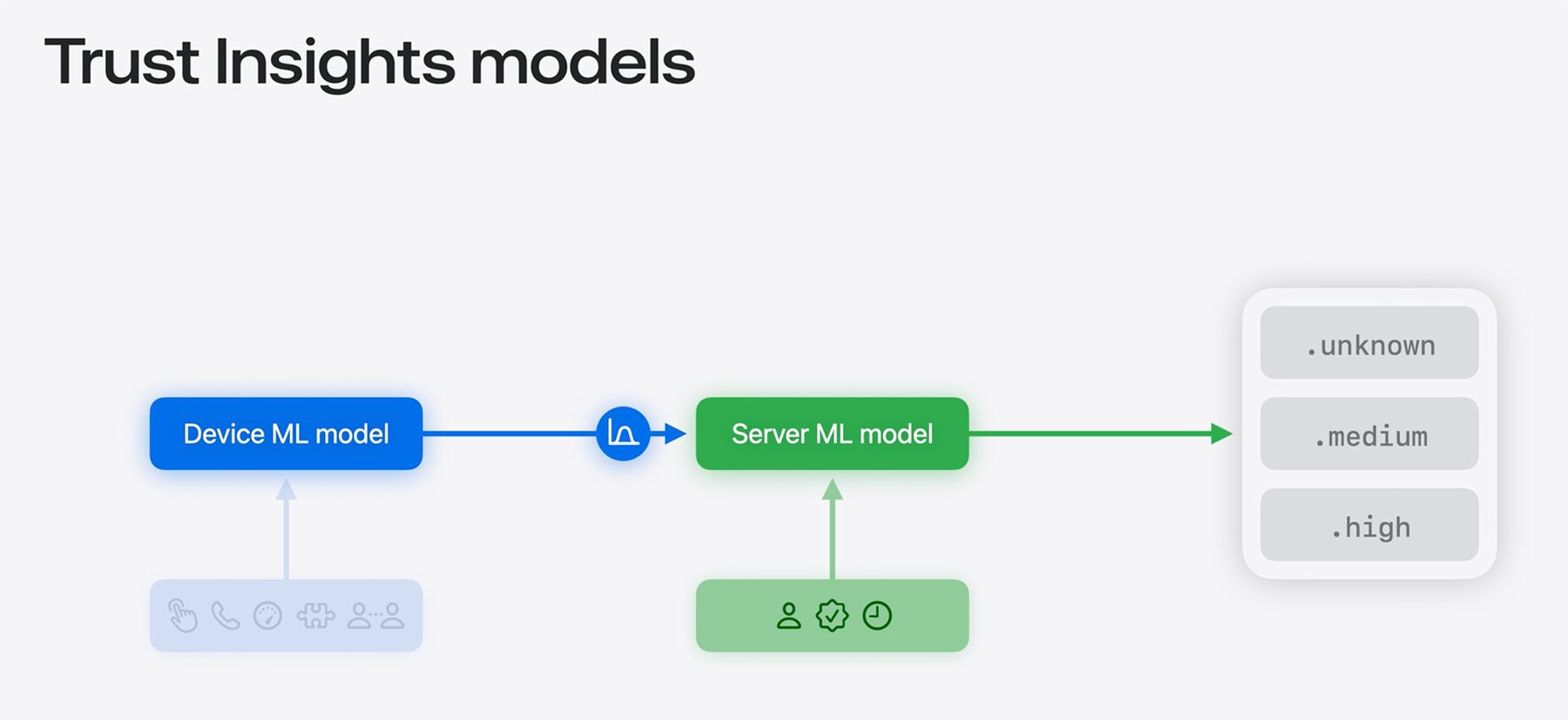
Once the on-device model identifies anomalous patterns, it assigns a risk level to the current session:
- Low Risk: Standard operation; the system remains in the background.
- Medium Risk: The system triggers subtle prompts, such as "Are you sure you want to proceed?" or introduces minor delays to allow the user to cool off and reconsider their actions.
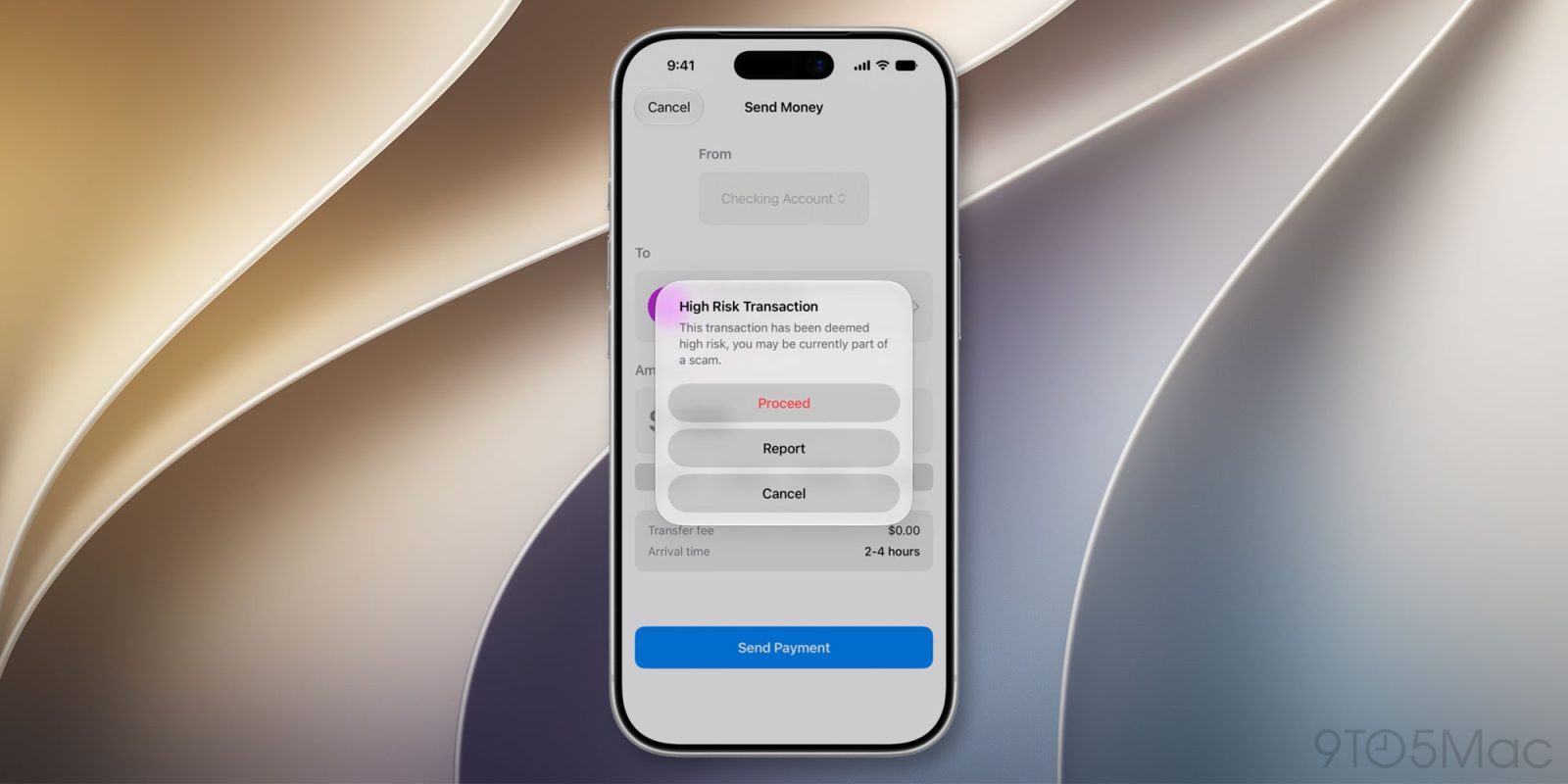
- High Risk: The system may require secondary biometric authentication, lock specific transactions, or provide an educational alert explaining the common hallmarks of a scam.
The Feedback Loop
Once the analysis is complete, the underlying behavioral data is immediately discarded. Only a single, anonymized output value is sent to Apple’s servers. This value is then cross-referenced with Apple Account security data to identify if the account itself shows signs of compromise. This multi-layered validation ensures that the system is not only identifying the current threat but is also learning from emerging fraud trends.
Implications for Developers and the Ecosystem
For third-party developers, Trust Insights is a powerful tool to protect their user base without compromising the user experience. Apple has defined five primary operation categories for the framework, though they have left the door open for expansion through the .other classification.
Developers are encouraged to use the Feedback Assistant to report how the framework is performing within their apps. Crucially, Apple is asking developers to flag confirmed fraud cases. This crowdsourced intelligence will allow the machine learning models underpinning Trust Insights to evolve, effectively creating a "herd immunity" against new social engineering tactics as they appear in the wild.
The "Cooldown" Mechanism: Preventing Coerced Disablement
A critical design feature of Trust Insights is the handling of user overrides. While Apple acknowledges the importance of user autonomy—allowing users to disable the framework in Settings—it has implemented a "cooldown period."
This is a direct response to a common scammer tactic: instructing the victim to turn off security features under the guise of "fixing" an account issue. By introducing a delay or a verification step before the feature can be disabled, Apple creates a window of time for the user to realize they are being manipulated. It is a subtle but profound example of "friction-based design" intended to safeguard the user from their own actions when under duress.

The Future of Defensive Computing
The implications of the Trust Insights framework extend far beyond the immediate release of iOS 27. It signals a move toward "defensive computing" where the operating system acts as a guardian rather than just a platform.
As we move toward a future where deepfakes and automated social engineering are the baseline of the internet, the ability to analyze the context of a user’s interaction becomes the ultimate security frontier. While critics may argue that this increases the complexity of the OS, the alternative—a digital world where trust is completely eroded—is far more dangerous.
Apple’s decision to prioritize on-device processing for Trust Insights ensures that privacy remains a central tenet of this new defensive layer. By keeping the analytical heavy lifting on the device, Apple avoids the pitfalls of centralized data collection, ensuring that users do not have to choose between their security and their privacy.

Conclusion
The launch of the Trust Insights framework is a milestone in the ongoing war against cybercrime. By integrating behavioral intelligence into the very fabric of iOS 27, Apple is providing a critical layer of defense against the most difficult-to-detect threats: those that leverage human psychology against us. While no security system can be 100% effective against the ingenuity of determined attackers, Trust Insights provides a sophisticated, privacy-first mechanism that empowers users to pause, reflect, and protect their digital assets before it is too late.
As the framework rolls out to millions of devices, its success will depend on the collaboration between Apple, developers, and the end-user. By reporting fraud and allowing the system to learn, the collective intelligence of the iOS ecosystem will become a significant deterrent, making the digital world a safer place for everyone. For now, the introduction of Trust Insights serves as a vital reminder: in an age of artificial intelligence, our best defense is often a system that understands not just what we do, but how—and why—we are doing it.











