

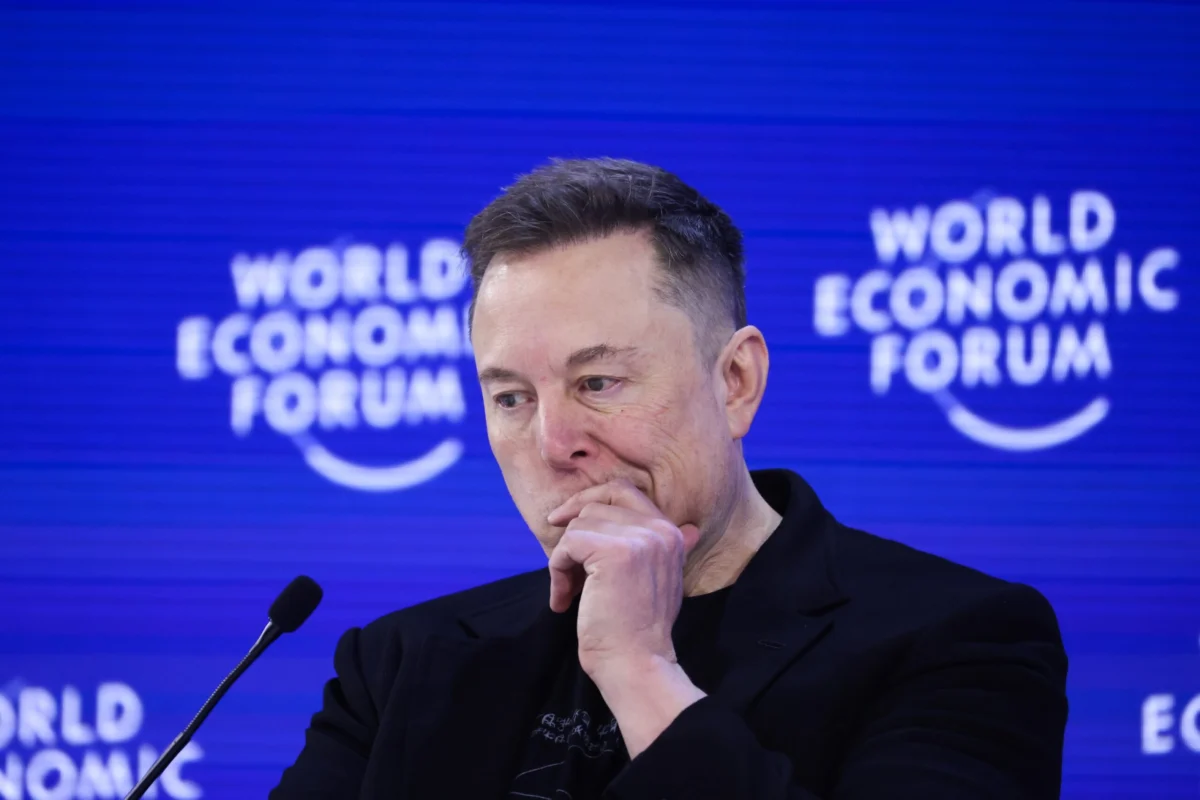
In a courtroom in Northern California, the high-stakes confrontation between tech titan Elon Musk and the leadership of OpenAI has reached a definitive—if abrupt—conclusion. A jury of nine has returned a unanimous verdict against Musk, effectively dismantling his attempt to hold Sam Altman, Greg Brockman, and their corporate partners accountable for what he characterized as the "theft" of a non-profit mission.
The verdict, delivered after a trial that stripped away the layers of Silicon Valley mythology surrounding the origins of artificial intelligence, hinged not on the grand philosophical debates of AI safety, but on the rigid, uncompromising mechanics of the statute of limitations. For OpenAI, the decision provides a critical layer of insulation as the organization eyes a potential Initial Public Offering (IPO) and continues its dominance in the global AI race.
The Core of the Dispute: A "Charity" Reimagined
The genesis of the lawsuit lay in Elon Musk’s claim that OpenAI—the frontier lab he helped co-found—had drifted dangerously far from its original mandate. Musk argued that he, along with Altman and Brockman, had established OpenAI as a non-profit organization dedicated to the betterment of humanity, ensuring that the fruits of AGI (Artificial General Intelligence) would be open-sourced and safe.
Musk’s legal team contended that the subsequent pivot to a for-profit structure, and the partnership with Microsoft, constituted a betrayal of that foundational promise. He labeled the move a "theft of a charity," asserting that the transition to a commercial entity effectively funneled the value created by a public-interest project into the pockets of private stakeholders.
However, the legal proceedings quickly shifted from the high-minded rhetoric of corporate ethics to the dry, procedural realities of civil law. Throughout the trial, OpenAI’s defense team aggressively pursued a "statute of limitations" strategy, arguing that the events Musk was litigating occurred years ago and fell well outside the window allowed for legal action.
Chronology of a Failed Lawsuit
To understand why the jury reached its decision so quickly, one must look at the specific timeline that governed the trial. The defense meticulously outlined the dates that served as the "point of no return" for Musk’s claims:
- Pre-2021 Foundations: The defense argued that the structural changes to OpenAI—the very changes Musk labeled as a breach of trust—were well-known and enacted long before his legal team filed suit.
- August 5, 2021: The cutoff date for the first count of the lawsuit.
- November 14, 2021: The cutoff for the third count of the lawsuit.
- August 5, 2022: The cutoff for the second count.
The jury found that the injuries Musk alleged were sustained well before these deadlines. By the time the courtroom doors swung open for the trial, the clock had effectively run out on his ability to litigate these grievances. Judge Yvonne Gonzalez Rogers, who presided over the proceedings, noted following the verdict that there was a "substantial amount of evidence" to support the jury’s finding, adding that she was prepared to dismiss the case on the spot had the jury not reached the conclusion they did.
The Economic Mirage: Analyzing the "Damages"
Before the verdict was reached, the trial saw a bizarre interlude during which Musk’s team attempted to quantify the astronomical damages they believed he was owed. Dr. C. Paul Wazzan, an expert witness for the plaintiff, presented a valuation suggesting that OpenAI and Microsoft had generated between $78.8 billion and $135 billion in "wrongful gains" at Musk’s expense.
The figure, while staggering, failed to survive judicial scrutiny. Judge Gonzalez Rogers openly questioned the methodology, noting that the analysis seemed "devoid of connection to the underlying facts." The judge struggled to reconcile the premise that a donor’s charitable contribution could be equated to a traditional equity investment in a high-growth startup, casting doubt on the validity of the financial theory underpinning Musk’s claims.
The disconnect between the massive numbers cited by the plaintiffs and the legal reality of the case became a defining feature of the trial’s final days, serving to undermine the credibility of the suit in the eyes of the court.
Official Responses and Corporate Stances
The reaction to the verdict was swift and, for the defendants, largely one of relief. Microsoft, a key target in the suit for its alleged role in aiding and abetting the breach of trust, issued a measured statement through a spokesperson.
"We remain committed to our work with OpenAI to advance and scale AI for people and organizations around the world," the company said. The verdict serves as a major victory for the tech giant, effectively shielding its partnership with OpenAI from the existential threat of a court-mandated restructuring.
Conversely, the camp representing Elon Musk has signaled that this is not the end of the road. When asked for comment, lead counsel Marc Toberoff was brief and resolute: "One word: Appeal."
While the trial outcome is a decisive blow to Musk’s current legal strategy, the promise of an appeal suggests that the battle over the soul and structure of OpenAI may continue to play out in appellate courts.
Implications for the Future of AI Governance
The failure of Musk’s lawsuit carries profound implications for the artificial intelligence industry, particularly concerning how non-profit AI labs transition into corporate powerhouses.
1. Stability for OpenAI’s IPO
For OpenAI, the most immediate impact is the removal of a significant cloud of uncertainty. As the organization prepares for a widely rumored IPO, the threat of a court-ordered breakup or a massive restructuring of its corporate governance would have been catastrophic to investor confidence. With the legal threat neutralized, the path forward appears significantly clearer.
2. The Limits of "Charitable" AI
The trial highlights the difficulty of enforcing promises made in the early stages of a startup’s lifecycle. The legal system, as evidenced by this verdict, is ill-equipped to police the shifting mandates of organizations that move from non-profit research labs to massive, for-profit enterprises. Donors and co-founders looking to enforce "mission-lock" through litigation may find that the law provides very little protection once the corporate structure begins to evolve.
3. Silicon Valley’s Melodramatic History
This trial served as a window into the often-volatile relationships that underpin the tech industry’s most important institutions. The testimony provided a rare, behind-the-scenes look at the internal conflicts, power struggles, and disagreements over safety and profit that defined the early days of OpenAI. While these stories make for compelling reading, the trial ultimately proved that courts are not the venue for settling the historical grievances of founders.
Conclusion
The verdict in Musk v. Altman et al. serves as a stark reminder of the limitations of the courtroom in resolving the high-level conflicts of the AI era. By focusing on the statute of limitations, the jury sidestepped the broader philosophical questions Musk hoped to pose, opting instead for a pragmatic application of the law.
For Sam Altman and the leadership at OpenAI, the result is a vindication of their corporate trajectory. For Elon Musk, the outcome is a bitter defeat that forces him to retreat from the legal front. As the AI industry continues its rapid expansion, the case will likely be remembered not as a turning point for the regulation of AI, but as a cautionary tale for those who seek to use the legal system to rewind the clock on the rapid, often messy, evolution of Silicon Valley’s most consequential firms.
The industry moves forward, with the "frontier" of artificial intelligence remaining firmly under the control of the current leadership—unencumbered, for now, by the ghosts of its non-profit past.












No comments yet. Be the first to join the conversation!