

In a move that could signal a significant shift in its approach to intellectual property and fan engagement, Sony Interactive Entertainment is reportedly exploring the revival of several dormant PlayStation franchises. This comes at a time when the PlayStation brand, despite the PS5’s impressive sales figures, faces growing criticism from its dedicated fanbase for a perceived disconnect and a faltering investment in live-service games.
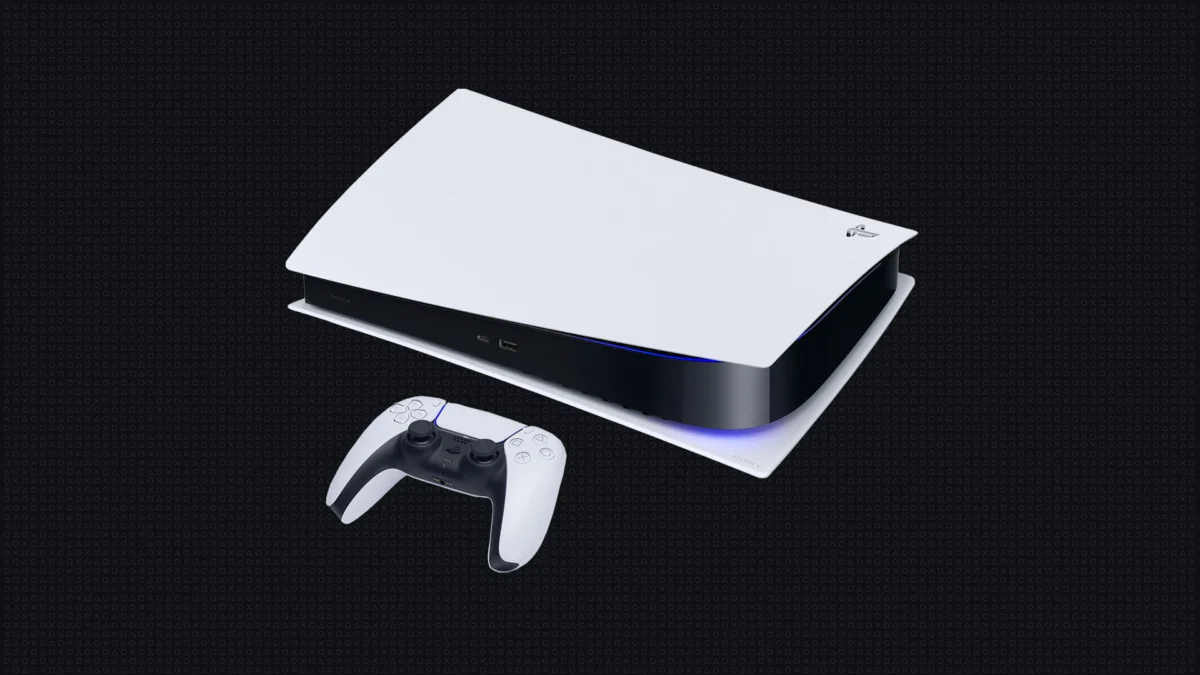
The PlayStation 5 console is on the cusp of achieving a remarkable sales milestone, nearing 100 million units sold. However, this commercial success has not translated into universal acclaim for Sony’s strategic direction. A palpable sense of frustration permeates the PlayStation community, fueled by what many perceive as a distant and sometimes miscalculated approach to its loyal player base. The company’s ambitious pivot towards live-service titles, a genre that demands sustained engagement and ongoing development, has yielded mixed results and, in some instances, has been met with skepticism.
Amidst this landscape of both commercial strength and fan apprehension, whispers of potential franchise revivals have begun to circulate, offering a glimmer of hope. Initial rumors focused on the beloved open-world superhero series, inFAMOUS. While these early reports, shared by industry insider Jordan Middler, acknowledged the difficulty in achieving definitive double-sourced confirmation, the mere possibility ignited a surge of excitement across the PlayStation community. A subsequent poll on Push Square revealed a strong appetite for an inFAMOUS collection on the PS5, underscoring the deep affection fans hold for these dormant titles.
Adding significant weight to these burgeoning hopes is the recent commentary from Nate the Hate, a highly regarded and consistently accurate leaker within the gaming industry. Nate the Hate has indicated that "there’s truth to Sony exploring and considering reviving some of its older, unused IPs." This statement, coming from an insider known for his reliable track record, including the accurate prediction of Nintendo’s new Star Fox game, carries considerable weight. It’s crucial to emphasize, however, that his assertion points towards exploration and consideration, not a finalized commitment. The operative word, for now, remains "yet."
The Echoes of Past Triumphs: A Look at Potentially Revived Franchises
Nate the Hate’s insights were specifically prompted by inquiries regarding franchises such as Sly Cooper, Ape Escape, and MotorStorm. These names represent significant pillars of PlayStation’s history, each offering unique gameplay experiences and captivating worlds that have left an indelible mark on a generation of gamers.
-
Sly Cooper: This stealth-platformer series, known for its charming anthropomorphic characters, stylish cel-shaded graphics, and engaging heist-based gameplay, was a staple of the PS2 era. Players followed the adventures of Sly Cooper, a raccoon thief from a long line of master thieves, as he and his friends, Bentley the turtle and Murray the hippo, embarked on daring capers. The series’ blend of humor, intricate level design, and unique art style garnered a dedicated following. The last mainline entry, Sly Cooper: Thieves in Time, released in 2013, left fans yearning for more.
Read Also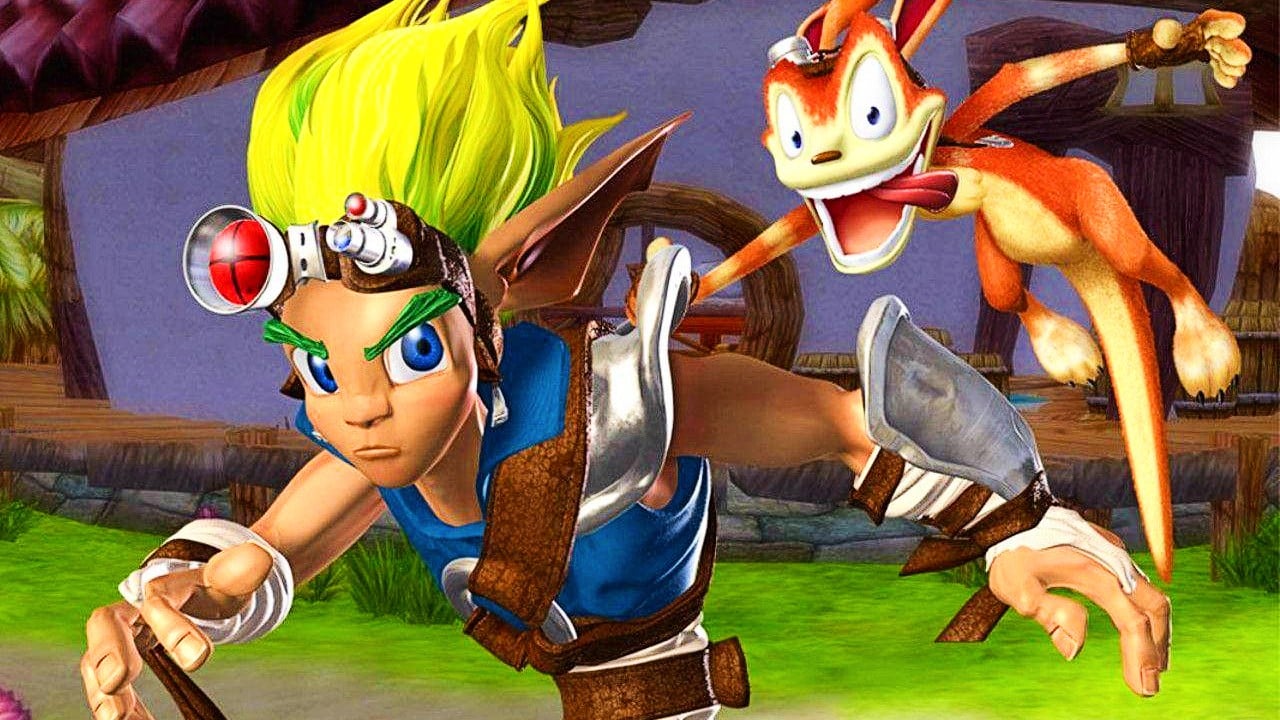
-
Ape Escape: A truly innovative franchise for its time, Ape Escape was one of the earliest games to fully utilize the DualShock controller’s analog sticks for precise movement and control. Players were tasked with capturing a horde of mischievous monkeys who had escaped and were using a time-traveling device to wreak havoc across history. The series was celebrated for its inventive gadgets, varied environments, and often humorous premise. While it saw several sequels and spin-offs, its core appeal as a unique puzzle-platformer has remained a fondly remembered aspect of PlayStation’s legacy.
-
MotorStorm: This off-road racing series was a showcase for the graphical prowess of the PlayStation 3, offering brutal, mud-slinging, and adrenaline-fueled races across diverse and treacherous terrains. From dusty deserts and treacherous mountain passes to dense jungles, MotorStorm delivered a visceral and chaotic racing experience that stood apart from its more simulation-focused competitors. The series’ emphasis on extreme environments and aggressive racing made it a fan favorite for those seeking a less conventional racing challenge.
Beyond these directly mentioned titles, the depth of Sony’s back catalog offers a veritable treasure trove of beloved IPs that could benefit from a modern revival. The list of franchises fondly remembered by fans and ripe for a second chance is extensive:
-
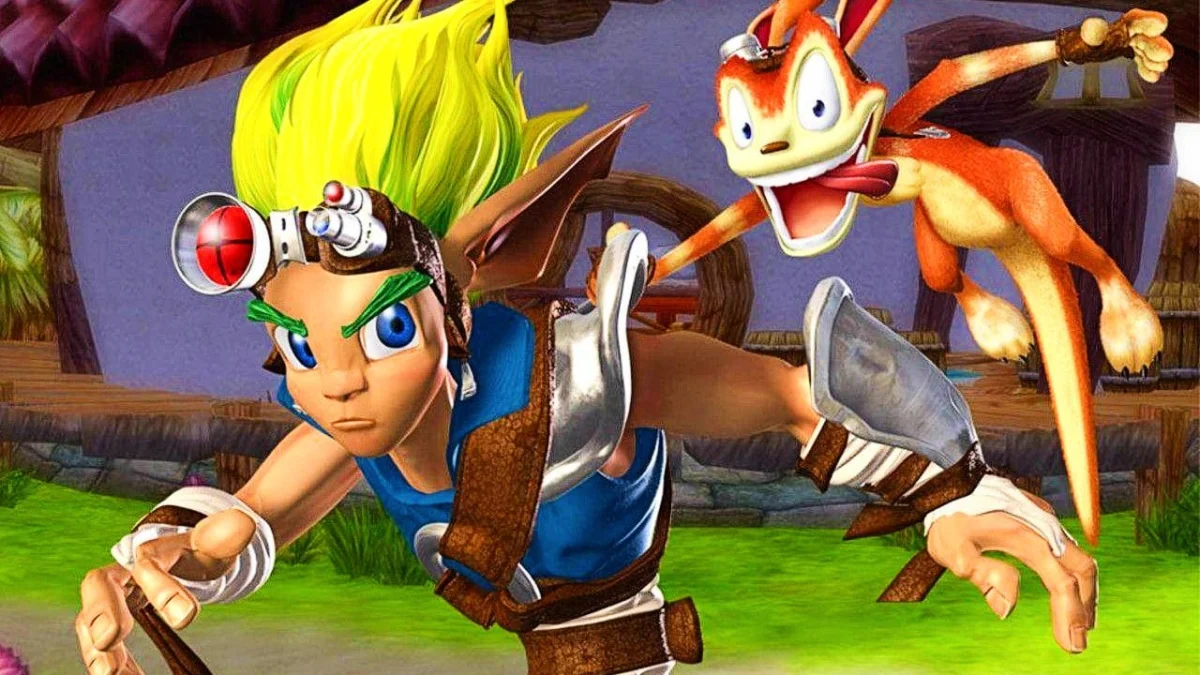
Jak & Daxter: Another iconic duo from the PS2 era, Jak & Daxter evolved from a lighthearted platformer to a darker, more mature action-adventure with its sequels. The series’ unique world-building, character development, and satisfying combat mechanics made it a cornerstone of early PlayStation gaming.
-
Killzone: Once positioned as PlayStation’s answer to Halo, the Killzone series offered a gritty, dystopian science-fiction shooter experience. While its critical reception varied across installments, the franchise’s distinctive Helghast antagonists and its atmospheric war-torn environments left a lasting impression on many.
-
Resistance: Set in an alternate history where an alien species, the Chimera, has invaded Earth in the 1950s, Resistance provided a compelling blend of World War II aesthetics and extraterrestrial horror. The series was praised for its unique premise, solid gameplay, and engaging narrative, making its eventual conclusion a disappointment for many.

-
Gravity Rush: This PlayStation Vita gem, later ported to PS4, introduced a unique gravity-shifting mechanic that allowed players to navigate expansive environments in truly novel ways. Its distinctive art style and charming protagonist, Kat, made it a standout title that deserved a wider audience.
The potential for Sony to revisit these franchises is not merely about nostalgia; it represents an opportunity to leverage established brand recognition and engage a passionate fanbase that has been vocal about its desire for new entries.
The Strategic Crossroads: Live Service vs. Legacy IPs
As previously noted, Sony’s current strategic focus has heavily leaned towards the development and promotion of live-service games. While this strategy is understandable from a business perspective – aiming for consistent revenue streams and sustained player engagement – its execution has been met with criticism. As highlighted in a recent Push Square article, the reasoning behind Sony’s pursuit of live-service models is comprehensible, and it may not be an inherently flawed strategy. However, the perception has been that this pursuit has come at the expense of nurturing and continuing established, beloved single-player franchises.
The contrast between the resources seemingly allocated to ambitious live-service projects and the relative silence surrounding dormant IPs has created a disconnect. Fans feel that while Sony is investing in the future, it may be neglecting the foundations of its success and the intellectual property that has cultivated its most dedicated following. This perceived abandonment of fan-favorite franchises has undoubtedly contributed to the current low perception of PlayStation, even as the PS5 hardware itself continues to sell exceptionally well.
A Potential New Avenue: Empowering Indie Talent for Franchise Revival
Beyond simply revisiting its own development studios, there’s a compelling argument to be made for Sony to explore collaborations with talented independent development teams. The recent success of God of War: Sons of Sparta serves as a promising precedent. This spin-off, which has been a significant hit for Sony, demonstrates the potential for external studios to contribute to existing PlayStation universes in innovative and commercially viable ways.
If Sony can successfully foster and acquire pitches from skilled indie developers, it could open up new avenues for revitalizing its dormant franchises. This approach offers several advantages:

- Fresh Perspectives: Indie developers often bring unique creative visions and a willingness to experiment, which can inject new life into established IPs without adhering strictly to past formulas.
- Cost-Effectiveness: Collaborating with indie studios can be a more financially prudent way to test the waters for franchise revival compared to large-scale internal projects.
- Community Engagement: Empowering indie talent can foster a sense of collaboration and goodwill within the broader gaming ecosystem, potentially strengthening Sony’s relationship with developers.
- Niche Appeal: Certain dormant franchises might find a more dedicated and passionate audience through smaller, focused development teams that are deeply invested in the IP.
This model could allow Sony to explore a wider range of its back catalog, potentially reviving titles that might not justify the colossal investment of a AAA internal studio project but would nonetheless be met with immense enthusiasm from fans. The success of God of War: Sons of Sparta suggests that this approach is not just theoretical but has already proven its efficacy.
Implications and Future Outlook
The implications of Sony actively exploring the revival of its older IPs are significant. Firstly, it signals a potential acknowledgment of fan sentiment and a willingness to course-correct if current strategies are not resonating. Secondly, it opens up a wealth of opportunities for new and returning players to experience some of the most cherished games in PlayStation’s history.
The prospect of an inFAMOUS collection, for instance, could be a massive draw for PS5 owners, offering a chance to relive the electrifying adventures of Cole MacGrath or potentially embark on new journeys within that universe. Similarly, seeing Sly Cooper, Ape Escape, or MotorStorm reimagined for the current generation of hardware would be a dream come true for many.
While the current focus remains on exploration and consideration, the industry is abuzz with the potential of these rumors. The hope is that these whispers translate into concrete announcements, offering a much-needed injection of excitement and variety into the PlayStation ecosystem. The fanbase is eagerly awaiting any news, and the return of these iconic franchises could not only reignite passion for the PlayStation brand but also solidify its position as a platform that truly values its legacy and its community.
The question now is not just if Sony will revive these IPs, but how they will do it. Will it be through faithful remakes, ambitious reboots, or perhaps entirely new installments developed by internal studios or external partners? Whatever the approach, the enthusiasm for seeing these beloved worlds and characters return to the forefront of gaming is undeniable. The potential is vast, and the PlayStation faithful are holding their breath, hoping that their cherished memories will soon be complemented by new, unforgettable experiences. The future of PlayStation might just be a reflection of its celebrated past.









No comments yet. Be the first to join the conversation!