

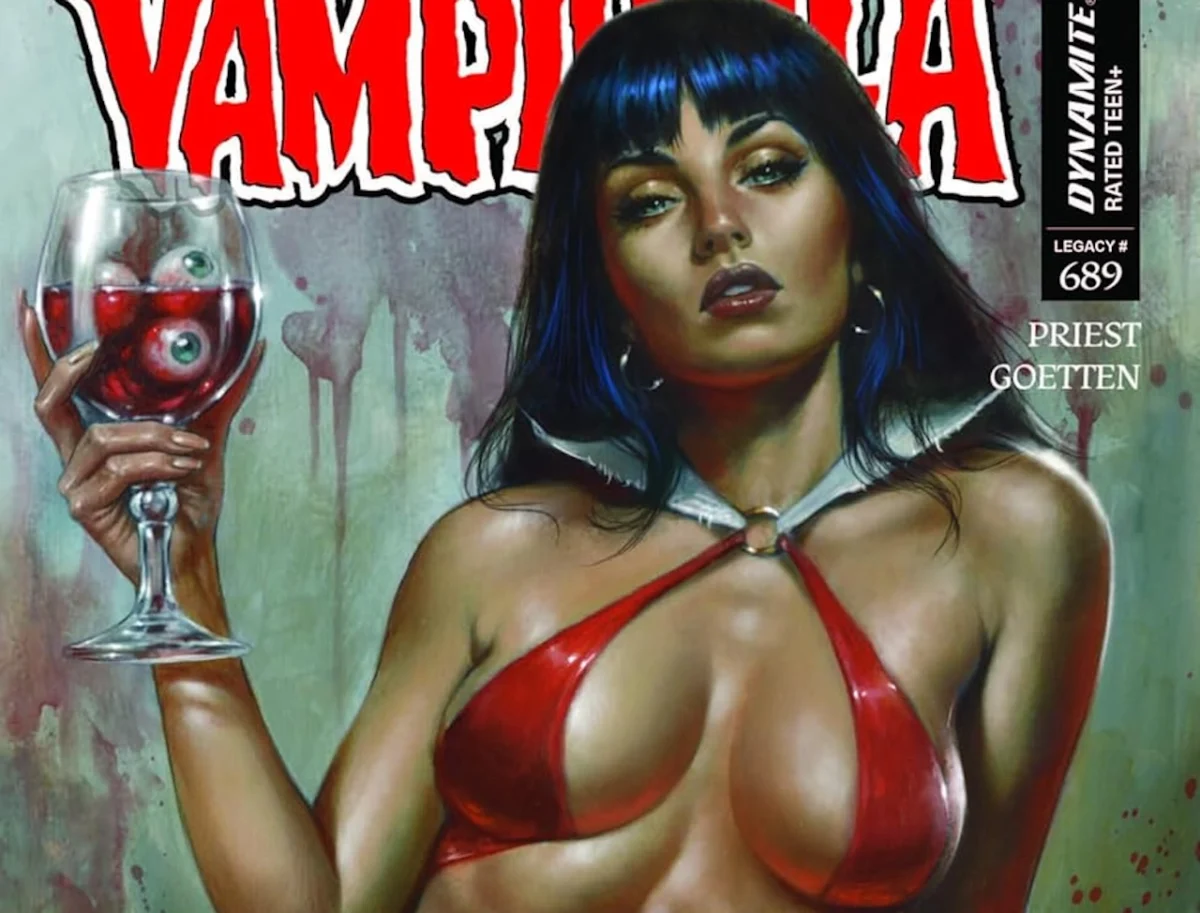
In the landscape of long-running comic book characters, few have undergone as dramatic a transformation as Dynamite Entertainment’s Vampirella. For decades, the character was primarily defined by her visual aesthetic—a "bland, mildly sexy" icon of the 1970s horror magazine era. However, the release of Vampirella #2 marks the latest milestone in a sustained, high-quality creative run that has redefined the character for a contemporary audience.
Under the stewardship of veteran writer Priest, Vampirella has evolved from a one-dimensional pulp figure into the anchor of a complex, sprawling narrative universe. With artistic contributions from Davis Goetten and colorist Giovanni Caputo, the latest issue continues the "Family Plot" arc, demonstrating that a deep, character-driven approach is the key to longevity in the medium.
Main Facts: The "Family Plot" Thickens
Vampirella #2 is a masterclass in narrative density. The story picks up in the immediate aftermath of Vampirella’s accidental resurrection of Draculina, who has been forcibly returned to her vampiric state. As Vampirella attempts to navigate her dual life—balancing clandestine crime-fighting for a mysterious organization while managing the volatile fallout of her sister’s return—the narrative broadens its scope to include a massive supporting cast.
The central conflict is not merely external; it is a tug-of-war between duty and morality. Priest has successfully melded the alien lore of Drakulon with the gothic tropes of classic Earth-bound vampirism. Most notably, the "rules" of the universe have been subverted: Dracula is now capable of traversing in daylight, a power gained through the consumption of Draculina’s blood. This shift in power dynamics ensures that the threat level in Vampirella #2 is consistently high, forcing characters to adapt or face total annihilation.

Chronology of a Character Evolution
To understand the weight of Vampirella #2, one must look at the last decade of the character’s history. Ten years ago, Vampirella’s appearances were often episodic, lacking a cohesive internal mythology or a trajectory for growth. She existed primarily as a vessel for standalone adventures, with little focus on her psychological interiority or her place within a wider, interconnected world.
Priest’s tenure changed this trajectory permanently. By grounding the character in a believable past—both on her home planet of Drakulon and in her years on Earth—he transformed her into a relatable, albeit supernatural, protagonist. This longitudinal approach to storytelling has allowed readers to witness the development of a colorful, interconnected roster of supporting characters. What we are seeing in issue #2 is the payoff of years of careful world-building, where the "Family Plot" functions as a convergence point for every narrative thread Priest has woven since taking over the title.
Supporting Data: The Power of an Ensemble Cast
One of the most striking aspects of Vampirella #2 is how the supporting cast threatens to steal the spotlight from the titular character herself. This is not a failure of the writing, but rather a testament to the depth of the characters Priest has cultivated.
The John Hughes Archetype: Katie and Stan
Katie, the teenage "ragamuffin," remains one of the most compelling additions to the mythos. Often described as a character who would feel right at home in a classic John Hughes film, she provides a grounded, human contrast to the supernatural chaos surrounding her. Her emotional arc—defined by an impulsive nature and a profound, underlying loneliness—is exacerbated by her interactions with her talking rat, Stan, and a romantic interest who tempts her with a life back on Drakulon.

The Fallen Power: Draculina
Draculina’s arc provides the emotional friction of the issue. After living a quiet, human existence in Kansas, stripped of her vampiric abilities by Dracula, her forced return to her undead state is a source of pure, unadulterated rage. Her plotline alternates between the peaceful, mundane memories of her time in Kansas and her cold, calculated planning for revenge against the sister she holds responsible for her transformation.
The Superheroic Counterpoint: Victory
Victory serves as the moral center of the book. As the most "traditional" superhero in the ensemble, her integrity is a perfect counterpoint to the morally gray nature of the vampires she surrounds herself with. The issue concludes with a high-stakes cliffhanger involving Victory, setting the stage for a physical and ideological confrontation with Dracula that readers are already clamoring for.
Official Responses and Creative Vision
The artistic team, led by Davis Goetten, has been lauded for maintaining the visual standard established by previous artists like Kewber Baal. The aesthetic of the book is characterized by sharp, detailed work that manages to convey both the horror elements of the series and the more grounded, character-focused moments.
Dynamite Entertainment has positioned this series as a "something for everyone" title, and the critical reception supports this claim. By blending horror, high-octane superheroics, and genuine character drama, the creative team has avoided the trap of catering to only one sub-genre of comics. The integration of colorist Giovanni Caputo’s work adds a layer of atmosphere that distinguishes the locales—from the bright, deceptive peace of Kansas to the shadows of Los Angeles—furthering the sense of a living, breathing world.

Implications for the Future of the Franchise
The implications of Vampirella #2 are clear: the series is no longer just a "vampire comic." It has matured into a multi-genre epic that uses its protagonist as a lens through which to explore complex themes of identity, trauma, and legacy.
Expanding the Demographic
By focusing on a diverse ensemble, the book successfully attracts readers who might not be interested in traditional horror, but are drawn to superhero drama, character-led fiction, or urban fantasy. This broad appeal is essential for the longevity of a character with such a long history.
The "Priest Effect"
The success of this issue highlights a broader trend in the comic book industry: the value of long-term creative control. When a writer is allowed to spend years with a character, the result is a narrative density that is impossible to replicate with short-term, rotating creative teams. Priest’s ability to juggle multiple subplots—keeping the pacing brisk while allowing for quiet, character-building moments—sets a high bar for other long-running titles.
Setting the Stage for Conflict
As the subplots converge in Los Angeles, the tension is palpable. The impending clash between Victory and Dracula is not just a fight; it is the culmination of the thematic struggle between the "hero" and the "monster." Because the reader has been invested in the personal histories of all involved, the stakes feel significantly higher than a standard superhero brawl.

Conclusion
Vampirella #2 is more than just a continuation of a story; it is a demonstration of how to handle legacy characters with respect and innovation. By evolving the character from a one-dimensional trope into a complex, central figure in a sprawling universe, the creative team has ensured that Vampirella remains vital.
Whether it is the tragic, teenage angst of Katie, the simmering rage of Draculina, or the noble struggles of Victory, there is a hook for every type of reader. As the "Family Plot" continues to unfold, one thing is certain: the future of this horror icon is brighter—and more dangerous—than it has ever been. For those who believe they have seen all there is to see in the world of vampires, Vampirella #2 is a necessary reminder that with the right writer and the right vision, even the oldest stories can be made entirely new.









No comments yet. Be the first to join the conversation!