Evan Lee Salim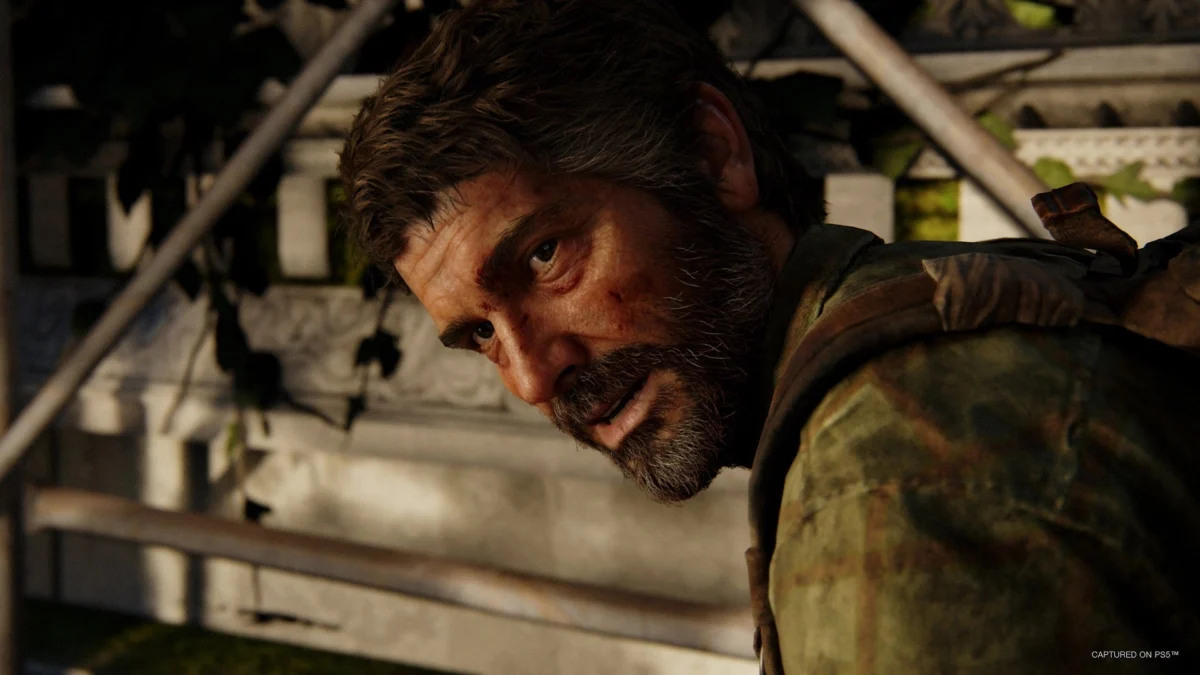
In a strategic pivot that marks a significant reversal from its recent multi-platform ambitions, Sony Interactive Entertainment has signaled a definitive return to its roots. During an internal town hall meeting held this past Monday, Hermen Hulst, the CEO of PlayStation Studio Business, reportedly confirmed to staff that the company’s signature narrative-driven, single-player titles will henceforth remain exclusive to PlayStation hardware.
This announcement serves as the final word on months of industry speculation and internal debate regarding the efficacy of Sony’s aggressive expansion into the PC gaming market. By prioritizing the PlayStation 5 (and future hardware) as the primary home for its high-budget, cinematic experiences, Sony is attempting to reinforce the value proposition of its console ecosystem in an increasingly fragmented gaming landscape.
A Chronology of the PC Experiment
To understand the weight of this decision, one must look at the evolution of Sony’s relationship with the PC platform over the last half-decade.
The Initial Foray (2020–2022)
In 2020, Sony stunned the gaming world by announcing that Horizon Zero Dawn, a flagship title that had been synonymous with the PlayStation 4, would be arriving on Steam. At the time, the move was framed as a way to expose new audiences to PlayStation’s prestige library, theoretically acting as a "gateway" that would entice PC gamers to purchase a PlayStation console for the sequels. This was followed by high-profile releases including God of War (2018), Days Gone, and Marvel’s Spider-Man Remastered.
The Expansion and Integration (2023–2024)
By 2023, the strategy had shifted from merely porting legacy titles to more synchronized releases. Sony established the "PlayStation PC" label, investing heavily in porting studios like Nixxes Software. The release of Ghost of Tsushima: Director’s Cut in 2024 represented the apex of this integration. It was the first title to feature a native PlayStation overlay, allowing users to access their PSN profiles, earn trophies, and view their friends list directly within a PC environment. This suggested that Sony was not just selling games; they were trying to build a service ecosystem on non-PlayStation hardware.
The Turning Point (Mid-2024)
The momentum began to stall under the weight of performance data and community friction. Reports from Bloomberg in March 2024 indicated that internal metrics were not meeting expectations. The cost of porting, combined with the risk of cannibalizing console hardware sales, led to a cooling of enthusiasm in the boardroom. The subsequent backlash regarding the mandatory PlayStation Network (PSN) login requirement for Helldivers 2—a live-service title—further complicated the brand’s relationship with the PC community, forcing Sony to backtrack on its requirements and rethink its long-term outreach.
The Data Behind the Pivot
Sony’s decision to pull back is rooted in cold, hard economic calculations. While the PC market offers a vast user base, the conversion rate from a PC player to a console owner proved to be lower than initial projections.
Brand Dilution and Hardware Sales
Internal stakeholders within Sony have long harbored fears that releasing games on PC simultaneously—or shortly after—a console launch would diminish the "must-have" status of the PlayStation 5. The console business model relies heavily on the "walled garden" approach: hardware is often sold at a slim margin or even at a loss, with the expectation that profit will be recouped through software sales and subscription services like PlayStation Plus. If a consumer can play the latest God of War or The Last of Us on a high-end PC without ever touching a Sony console, the incentive to buy into the PlayStation ecosystem evaporates.
Performance Realities
Sources familiar with the company’s internal reports suggest that while some ports performed well, others failed to reach the revenue thresholds necessary to justify the high cost of development and optimization. Furthermore, the technical overhead required to maintain parity across a massive array of PC hardware configurations creates significant ongoing support costs that the company is now looking to minimize.
Official Stance and Internal Messaging
Hermen Hulst’s confirmation during the town hall has provided the clarity that investors and fans have been seeking. By framing narrative, single-player games as the "crown jewels" of the PlayStation experience, Hulst is reinforcing the company’s identity as a curator of premium, curated entertainment.
While the company has not issued a formal press release to the general public, the sentiment expressed by leadership is clear: the focus is shifting back to the "console-first" philosophy that defined the success of the PlayStation 4 generation. This is not necessarily an abandonment of PC gaming entirely—the company may still look to port titles years after their initial release to squeeze out residual revenue—but the "day-and-date" or "near-launch" PC strategy appears to be effectively dead for major single-player franchises.
Strategic Implications for the Future
The implications of this move are profound, both for Sony and for the broader gaming industry.
For the Consumer
PlayStation loyalists are likely to applaud this move. For years, the core fanbase has felt that the value of owning a PS5 was being eroded by the arrival of exclusive games on PC. This reversal restores the "prestige" of the PlayStation library. Conversely, PC-only gamers will likely feel the sting of this decision, as the pipeline of high-quality, narrative-heavy titles they have come to enjoy over the last four years will inevitably dry up or face significant delays.
For the Competitive Landscape
Sony’s move stands in stark contrast to Microsoft’s Xbox strategy. Microsoft has fully embraced the PC platform, with almost every Xbox Game Studios title launching simultaneously on Xbox and Windows. By doubling down on exclusivity, Sony is choosing to differentiate itself through content rather than platform accessibility. This highlights a clear divergence in philosophy: Microsoft is chasing the "Netflix of games" model, while Sony is doubling down on the "Prestige Boutique" model.
AI Integration and Development Efficiency
It is worth noting that alongside this shift, Sony is doubling down on its investment in Artificial Intelligence. The company recently announced plans to integrate AI tools throughout its development pipelines. If Sony can use AI to reduce the time and cost required to develop its massive single-player games, it may find that it can maintain its high quality while producing more content, thereby lessening the need to rely on the PC market for supplemental revenue.
Conclusion
Sony’s return to a strict exclusivity model is a defensive maneuver in a volatile market. By prioritizing the PlayStation 5 as the primary destination for its marquee titles, the company is betting that the quality of its narrative-driven games is a strong enough draw to drive hardware sales in an era of multi-platform competition.
The era of "PlayStation everywhere" appears to be over. As the industry moves forward, the battle lines have been redrawn: Sony will remain the bastion of the console experience, while its competitors continue to chase the promise of platform-agnostic gaming. For Sony, the message is clear—if you want to experience the next great PlayStation story, you will need to own a PlayStation console.

 Neng Nana
 Pevita Pearce