Laily UPN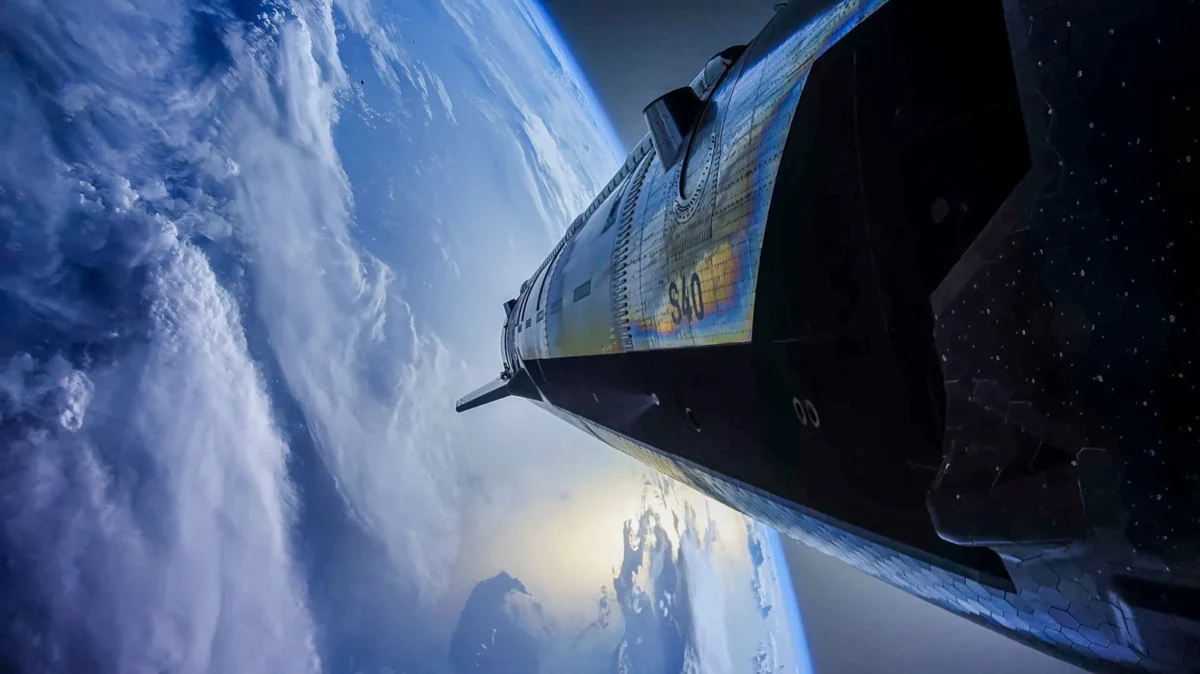
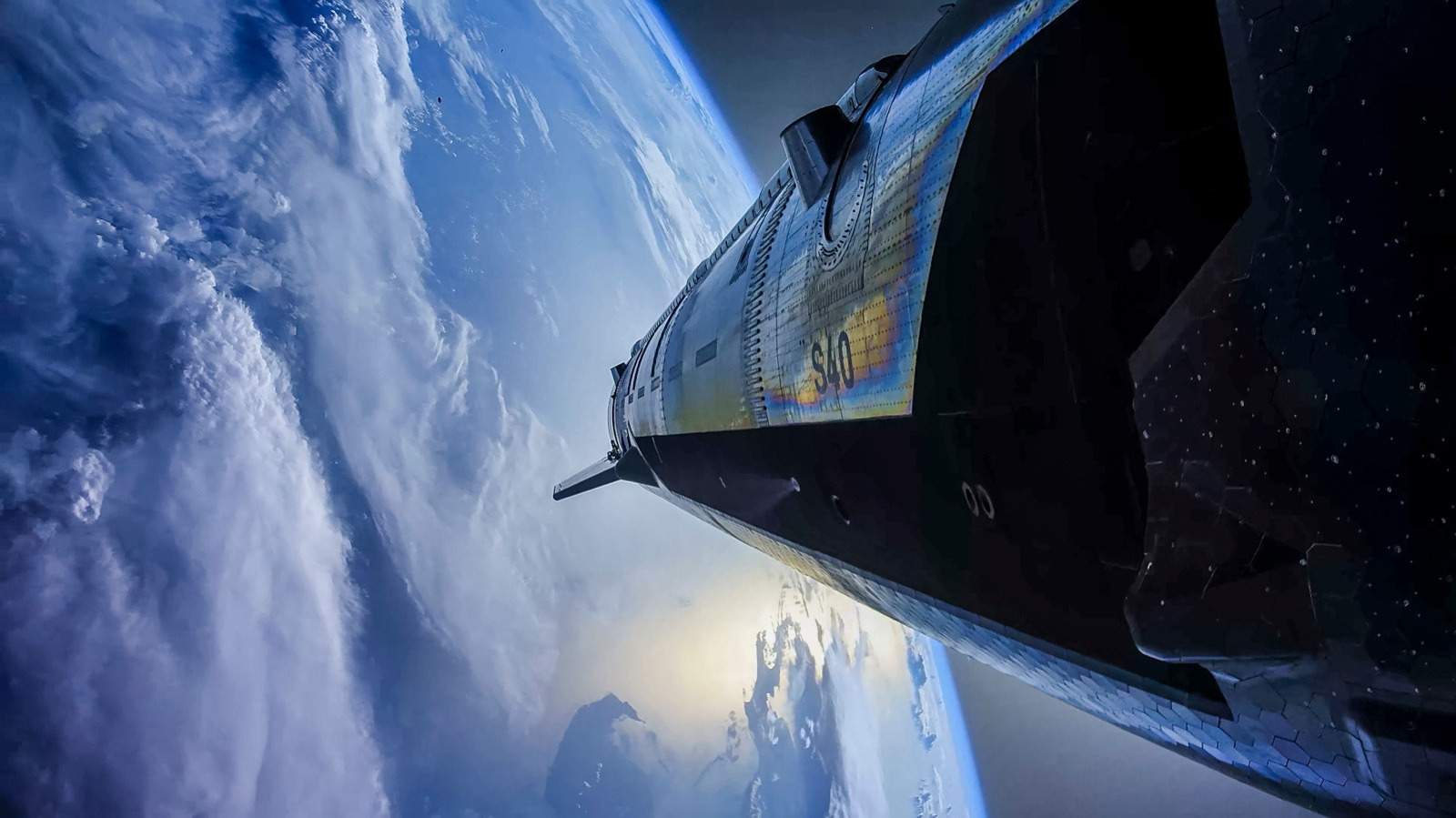
In a move that marks a pivotal transition from iterative suborbital testing to operational capability, SpaceX has announced that it is targeting September 28 for the 14th flight test of its Starship launch vehicle. This mission represents more than just another milestone in the Starship development program; it is the rocket’s first attempt at reaching orbit, a feat that would fundamentally alter the landscape of the commercial space industry.
The mission, which is currently pending final regulatory approval, will also serve as the maiden voyage for the deployment of Starlink V3 satellites, signaling the beginning of a massive leap in global broadband capacity.
Main Facts: The Scope of Flight 14
SpaceX confirmed via its official communication channels that the launch window for Flight 14 is set to open at 8:15 AM Eastern Time. While the company had initially eyed a September 22 launch date, the shift to September 28 provides additional time for technical refinements.
The primary objectives of this flight are ambitious. Unlike the previous 13 tests, which were focused on suborbital trajectories to maximize public safety and data collection, this mission aims to achieve a full orbital insertion. Starship is slated to fly at an altitude of approximately 171 miles, executing six complete orbits of the Earth over a 10-hour window.
The payload for this mission is equally significant. SpaceX will deploy 26 Starlink V3 satellites. Unlike the test units carried on the previous flight—which were primarily used for hardware verification before being deorbited—these V3 units are fully operational and designed to integrate directly into the existing constellation to serve paying customers.
Chronology of Development: From Suborbital to Orbital
The journey to the orbital threshold has been a grueling, data-driven process for the engineers at Starbase.
- Early Development: Initial flights focused on atmospheric reentry and the mastery of the "belly flop" maneuver, which proved the aerodynamic viability of the Starship upper stage.
- Booster Integration: Subsequent tests shifted focus to the Super Heavy booster, culminating in the historic success of the "Mechazilla" launch tower arms catching the booster mid-air in previous flight campaigns.
- The Transition Period: Flight 13 served as a critical "dress rehearsal." During that mission, Starship successfully carried next-generation satellites into orbit, confirming that the internal deployment mechanisms were functional. Those satellites were sacrificial, intended only to test deployment and solar array extension before re-entering the atmosphere.
- The Orbital Pivot: With the lessons learned from the successful deployment and stabilization of the V2/V3 prototypes in Flight 13, the team is now confident enough to transition to operational payload deployment.
This chronology underscores the philosophy of "failing fast" that Elon Musk and his team have championed. By prioritizing incremental learning, SpaceX has transformed a vehicle that once struggled to survive its own descent into a platform capable of carrying mission-critical hardware into orbit.
Supporting Data: The Leap to Starlink V3
The inclusion of Starlink V3 satellites is not merely a logistical milestone; it represents a generational leap in telecommunications infrastructure. The technical specifications of the V3 architecture are staggering when compared to the current V2 standard.
According to data provided by SpaceX, the V3 satellites are engineered to provide:
- Downlink Capacity: 1 Tbps, representing a 10-fold increase over the current V2 capabilities.
- Uplink Capacity: 160 Gbps, a 22-fold increase over the V2 generation.
These improvements are critical for SpaceX’s goal of providing high-speed, low-latency internet to the most remote corners of the globe. By utilizing the massive payload capacity of Starship—which can carry dozens of these heavy, sophisticated satellites at once—SpaceX is effectively bypassing the bottleneck that has limited the growth of the Starlink constellation for years: launch frequency and lift capacity.
Regulatory Hurdles and Operational Realities
Despite the excitement surrounding the launch, the date remains "pending regulatory approval." SpaceX has been in constant dialogue with the Federal Aviation Administration (FAA) regarding the safety parameters of orbital flight, particularly given the size and power of the Starship system.
The flight profile for this mission is intentionally conservative regarding the hardware recovery. While SpaceX has successfully demonstrated the ability to catch the Super Heavy booster with the launch tower arms, this flight will see the booster splash down in the Gulf of Mexico (the region referred to as the Gulf of America). This decision minimizes risk during the critical transition to an orbital profile. Similarly, the upper stage will not attempt a controlled landing; instead, it will perform a controlled reentry and impact in the Pacific Ocean near the coast of Chile, ensuring that the vehicle does not become space debris while confirming the thermal protection system’s ability to survive orbital-velocity reentry.
Official Responses and Industry Implications
SpaceX’s announcement on the social media platform X was brief but clear: "Now targeting to launch Starship Flight 14 as early as Monday, September 28, pending regulatory approval."
Industry analysts view this move as a signal that SpaceX believes it has "solved" the core engineering challenges of Starship. If the orbital insertion and satellite deployment go according to plan, it will effectively render the competition obsolete. The ability to launch 26 high-capacity V3 satellites in a single go, combined with the expected full reusability of the system, could drive the cost per kilogram to orbit down to levels previously thought impossible.
Furthermore, the implications for NASA’s Artemis program are profound. Starship is the designated Human Landing System (HLS) for the return to the Moon. Every orbital flight test provides the agency with more confidence that the vehicle can survive the rigors of space, perform orbital refueling, and eventually ferry astronauts to the lunar surface.
Looking Ahead: The Future of the Constellation
As the countdown to September 28 begins, the global space community is watching with bated breath. If successful, this mission will mark the end of the Starship "test" phase and the beginning of the "operational" phase.
The move to deploy operational satellites into orbit is the ultimate vote of confidence in the vehicle’s reliability. By shifting from testing prototypes to deploying infrastructure that supports the bottom line, SpaceX is signaling that the era of Starship is not just on the horizon—it is here.
While the primary focus remains on the September 28 launch, the broader impact will be felt in the coming months as these V3 satellites begin to come online. Users of Starlink, particularly those in underserved regions, can expect significantly higher bandwidth and lower latency, directly resulting from the increased lift capacity of this singular, massive rocket.
For now, the focus remains on the pad at Starbase. Whether the launch occurs exactly on the 28th or is delayed by the nuances of regulatory oversight, one thing is clear: the paradigm of orbital delivery is undergoing a radical, irreversible transformation. SpaceX is no longer just testing a rocket; they are deploying the backbone of the next century’s digital infrastructure.


 Nana Muazin
 Neng Nana