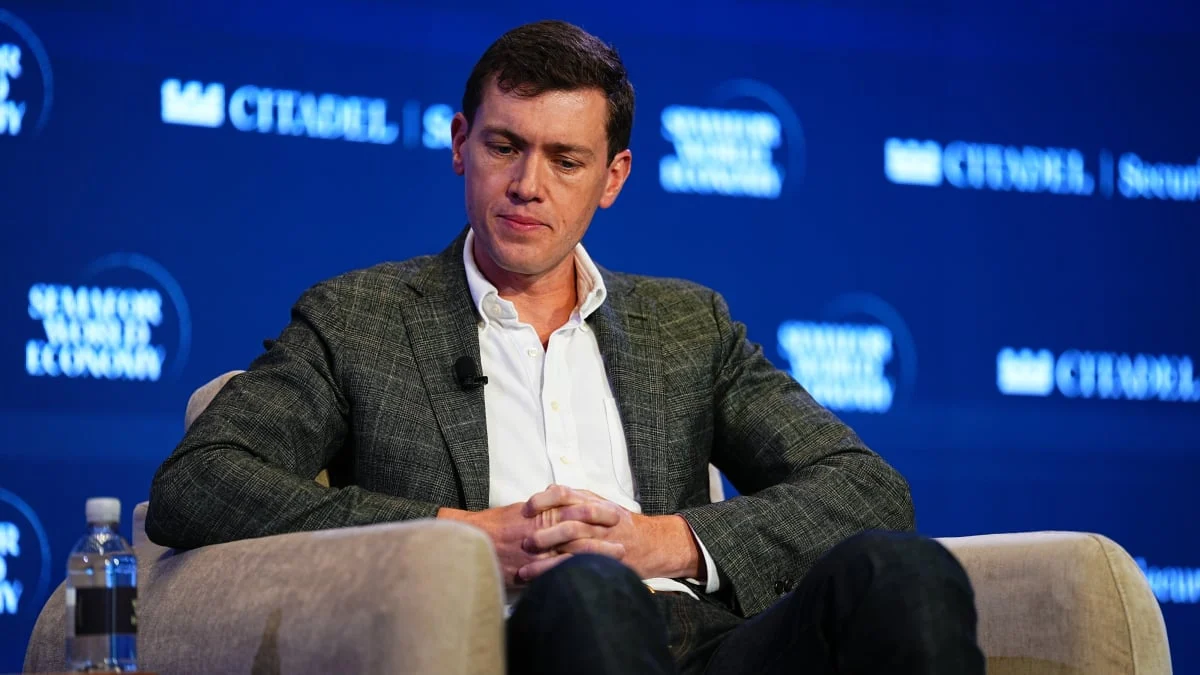
In the rapidly evolving landscape of digital advertising, the conversation has been dominated for the better part of two years by generative AI. From chatbots drafting ad copy to image generators creating synthetic visuals, the industry has been enamored with the "creative" output of artificial intelligence. However, according to Jeremy Fain, co-founder and CEO of Cognitiv, the true revolution in marketing isn’t happening in the text boxes of large language models—it is happening in the silent, complex, and high-velocity world of deep learning.
In the latest episode of Adspeak by ADWEEK, Fain argues that while generative tools have their place in productivity, they are merely scratching the surface of what AI can achieve. The real competitive advantage for brands today lies in leveraging massive data sets, predictive algorithms, and continuous, real-time optimization loops.
The Main Facts: Defining Deep Learning in Advertising
To understand the shift Fain advocates for, one must first distinguish between generative AI and deep learning. Generative AI is built to produce content; deep learning, a subset of machine learning, is built to understand, predict, and optimize.
At Cognitiv, Fain has focused on the latter. The core thesis is simple yet profound: marketing efficiency is no longer about human intuition guided by broad demographic segments. It is about "granular audience signals." By feeding deep learning models vast amounts of first-party data—information brands own about their customers—marketers can move from reactive strategies to proactive, predictive ones.
"The power of AI in marketing comes from leveraging massive data sets and predictive algorithms," Fain explains. "It is about real-time optimization that humans simply cannot replicate."
Chronology: The Evolution from Cookie-Based Targeting to Algorithmic Precision
The advertising industry has undergone several distinct eras, each marked by how it handles consumer data. Understanding this timeline is crucial to grasping why Fain’s approach is the next logical step.
1. The Era of Broad Demographics (Pre-2010s)
In the early days of digital, targeting was rudimentary. Advertisers relied on broad buckets—age, gender, and location. Data was sparse, and optimization was a manual process conducted by media buyers who adjusted bids based on historical performance reports that were often days or weeks old.
2. The Cookie-Driven "Golden Age" (2010–2020)
The proliferation of third-party cookies allowed for granular tracking across the web. While this enabled hyper-targeted ads, it relied on a fragile infrastructure of cross-site tracking. As privacy concerns mounted and regulations like GDPR and CCPA shifted the landscape, this model became increasingly unsustainable.
3. The Generative Hype Cycle (2022–Present)
When OpenAI’s ChatGPT burst onto the scene, the industry pivoted toward automation. The focus shifted to "efficiency"—how quickly can we produce a thousand ad variations? While this reduced operational costs, it did not necessarily improve the underlying effectiveness of the media buy.
4. The Predictive Deep Learning Frontier (Current)
We are now entering the fourth phase. This is the era of the "Continuous Learning Loop." Fain suggests that the industry is moving away from the static, cookie-based models of the past toward dynamic, self-optimizing algorithms that predict creative performance before a single impression is purchased.
Supporting Data: Why Deep Learning Drives Incremental Gains
The shift toward deep learning is not merely a philosophical preference; it is a response to the fragmentation of the digital ecosystem. With the deprecation of third-party cookies and the rise of "walled gardens," marketers are struggling to maintain a cohesive view of their customers.
The Power of First-Party Data
Fain emphasizes that first-party data is the most valuable asset a brand possesses. When this data is fed into a deep learning model, it acts as the "ground truth." Unlike third-party data, which can be noisy or inaccurate, first-party data provides a high-fidelity map of actual consumer behavior.
Granular Signal Processing
Deep learning models excel at pattern recognition in high-dimensional data. While a human might see "User A bought a shoe," a deep learning algorithm sees:
- The specific time of day of the transaction.
- The browsing path that led to the purchase.
- The correlation between ad exposure and conversion latency.
- The nuances in creative elements (color, copy, CTA) that resonated with that specific user segment.
By analyzing these signals at scale, brands can achieve what Fain calls "incremental gains." In an era where CAC (Customer Acquisition Cost) is skyrocketing, even a 5% to 10% improvement in targeting efficiency—driven by algorithmic precision—can translate to millions of dollars in bottom-line growth.
Official Responses and Industry Context
Jeremy Fain’s perspective sits at the intersection of AdTech and data science. His background, which includes tenures at prominent agencies like Digitas, provides him with a unique vantage point: he understands both the creative needs of an agency and the technical demands of data-driven advertising.
Industry analysts have largely echoed Fain’s sentiment. Many argue that the "AI fatigue" currently felt by CMOs is a result of focusing too heavily on the "content-creation" side of AI rather than the "decision-making" side. By shifting the focus to predictive analytics, firms like Cognitiv are positioning themselves as essential partners for brands looking to survive the "Privacy Sandbox" and the loss of traditional tracking signals.
Implications: The Future of the Marketing Team
What does this mean for the future of the marketing department? The implications are twofold: the evolution of the marketer’s role and the necessity of technological infrastructure.
1. From "Media Buyer" to "Algorithmic Architect"
The role of the traditional media buyer is changing. The future marketer will not be adjusting bids manually; they will be the architects of the learning loops. They will be responsible for defining the KPIs, curating the data inputs, and overseeing the creative assets that the AI tests and optimizes. The focus shifts from "doing the work" to "directing the machine."
2. The Rise of Real-Time Personalization
The "holy grail" of advertising has always been the right message, to the right person, at the right time. With deep learning, this is finally becoming a reality. The ability to predict creative performance—knowing which version of an ad will work for a specific segment before the spend is committed—minimizes wasted budget and maximizes the relevance of the creative.
3. Maintaining Competitive Advantage
As AI becomes democratized, the "how" (the tools) will become a commodity. The competitive advantage will reside in the "what" (the proprietary data) and the "how well" (the maturity of the algorithms). Brands that fail to integrate deep learning into their core media strategies risk being outpaced by competitors who are using predictive modeling to secure better inventory and higher conversion rates.
Conclusion: Looking Ahead
As the advertising landscape continues to fragment, the reliance on intuition will continue to decline. The future, as Jeremy Fain suggests, belongs to those who embrace the complexity of deep learning. By moving beyond the novelty of generative tools and leaning into the rigors of predictive algorithms, marketers can turn the current data-driven chaos into a structured, scalable, and highly profitable advantage.
The path forward is clear: the winners of the next decade of advertising will be the brands that treat their first-party data not just as a record of the past, but as the fuel for the algorithms of the future. As Fain’s work at Cognitiv demonstrates, when you stop guessing and start predicting, you stop chasing the market and start leading it.