Raul Delapena Setiawan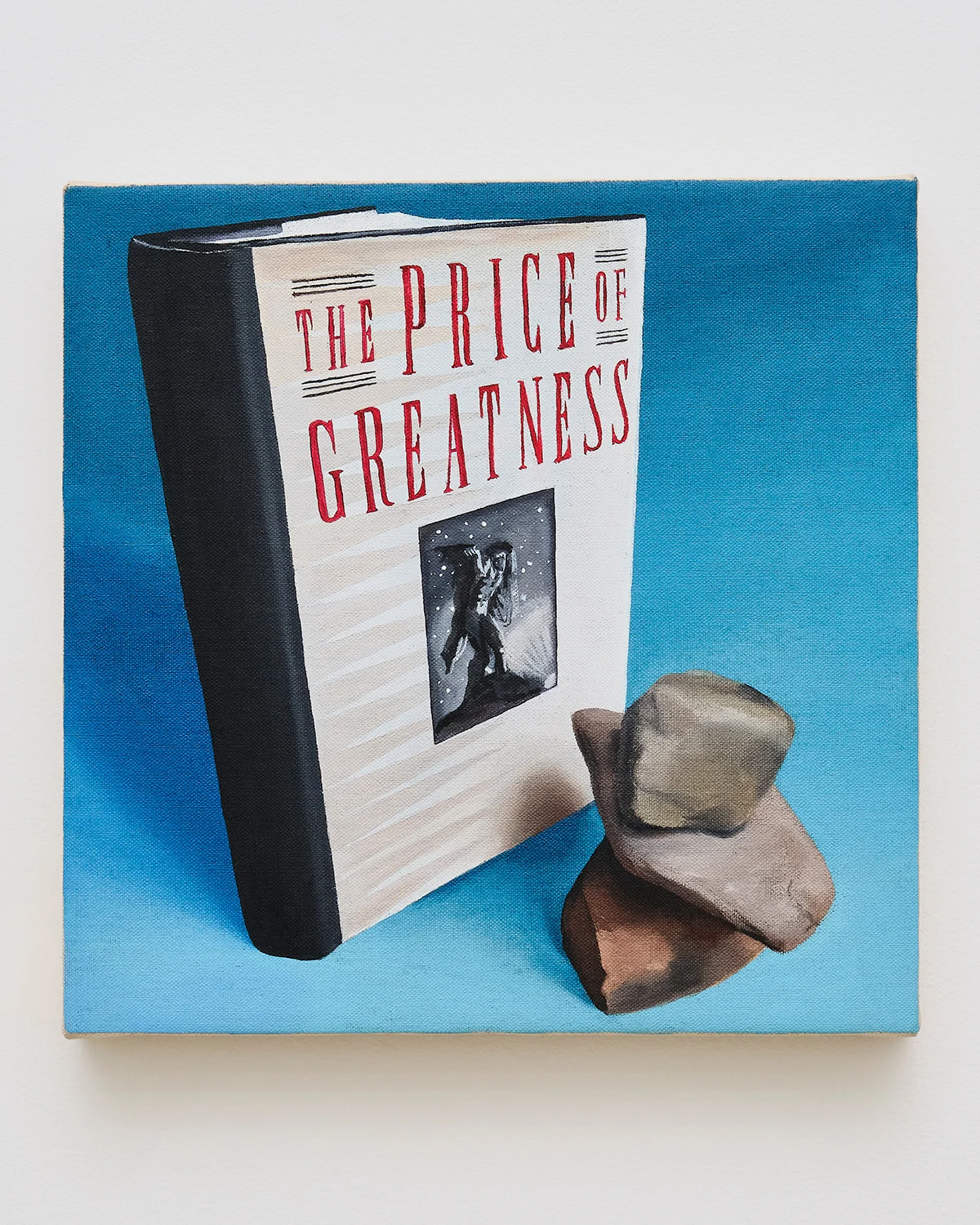
In the evolving landscape of contemporary figurative painting, few artists interrogate the act of observation with as much clinical precision as Madeline Ludwig-Leone. A Newport, Rhode Island native now firmly established in the creative ecosystem of Los Angeles, Ludwig-Leone has cultivated a practice that does not merely depict the world, but actively deconstructs the mechanisms through which we perceive it. Her recent body of work serves as a profound meditation on the "cultural lens"—the invisible bias that mediates our relationship with the natural environment.
The Artist’s Trajectory: A Chronological Evolution
Ludwig-Leone’s artistic development is characterized by a deliberate, rigorous academic foundation paired with a restless intellectual curiosity. Her formal education began at Yale University, where she earned her BA in 2015, providing a grounding in the theoretical frameworks of art history and visual culture. Following a period of focused studio practice, she expanded her technical repertoire at the ArtCenter College of Design in Pasadena, completing her MFA in 2024.
The recognition of her work has been swift and deliberate, marked by upcoming prestigious residencies that highlight her trajectory as an artist to watch. Her itinerary for the coming years includes a residency at the esteemed Millay Arts in August 2026, followed by a tenure at the Vermont Studio Center in June 2027. These milestones suggest a sustained period of production that will likely further solidify her influence within the contemporary painting circuit.
Deconstructing the Sublime: Theoretical Frameworks
At the heart of Ludwig-Leone’s work lies a critical rejection of the "Western landscape" tradition. Historically, Western art has leaned into the sublime—the vast, dramatic, and often romanticized depiction of nature intended to evoke awe. Ludwig-Leone offers a sharp, analytical counterpoint to this legacy.
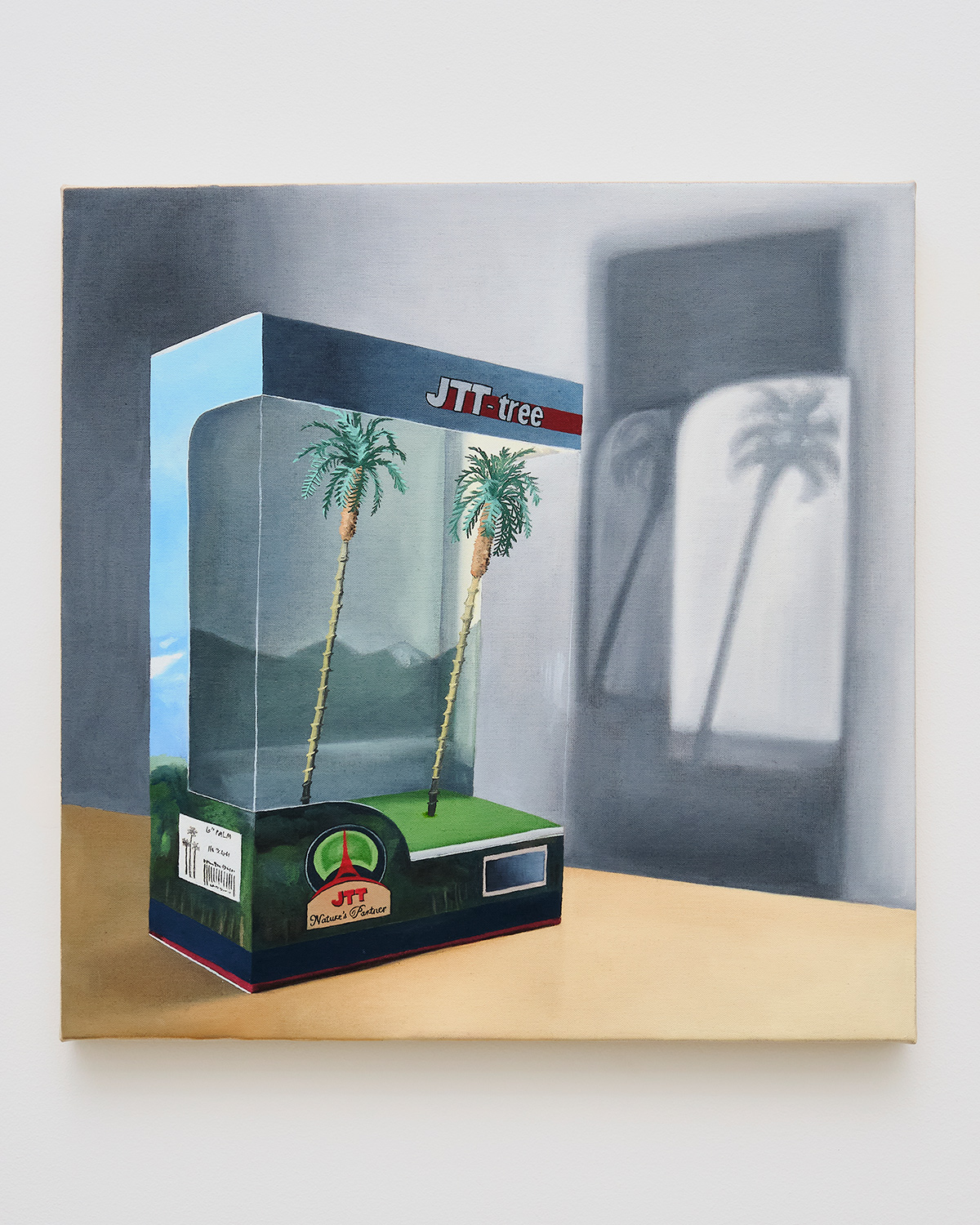
Instead of grand, sweeping vistas, she presents flattened, simplified architectural and spatial environments. When nature does intrude into these works, it is never the protagonist; it is a guest seen through the mediating frames of a window, the distortion of a reflection, or the cold, dark geometry of a shadow. By relegating nature to these peripheral spaces, Ludwig-Leone forces the viewer to confront the "system of representation" itself. She asks: How does our cultural upbringing dictate what we see when we look at a tree, a field, or a sky?
The Philosophy of the Shadow
Perhaps the most compelling aspect of Ludwig-Leone’s oeuvre is her treatment of light and dark. In her own words, she describes these elements as both structural and temporal:
"Shadows are prominent in many of the works, implying a solid form that is often unseen or out of view but asserting themselves as flat, graphic shapes. These silhouettes are also transient and ephemeral—a moment captured before the light changes. Although the scenes contain a conspicuous lack of living things, the quality of light and shadow allows them to assert themselves as a part of the ongoing natural cycle of time."
This statement reveals the inherent paradox in her work: she captures the "absence" of life to better illustrate the "presence" of the natural cycle. By rendering shadows as solid, graphic entities, she elevates the ephemeral to the status of a monumental form. The absence of human figures or wildlife does not signal a void; rather, it creates a vacuum that the viewer is compelled to fill with their own subjective history.
Supporting Data: The Shifting Landscape of Contemporary Art
To understand the significance of Ludwig-Leone’s approach, one must look at the broader shift in contemporary painting. The current art market is experiencing a cooling of the "New Figuration" craze that dominated the late 2010s, with a renewed interest in conceptual landscapes and architectural abstraction.
Data from recent institutional acquisitions and gallery surveys suggest that collectors are increasingly drawn to artists who engage with "meta-painting"—work that acknowledges the history of the medium while critiquing it. Ludwig-Leone’s residency trajectory and academic pedigree place her at the center of this movement, bridging the gap between the intellectual rigor of the Yale tradition and the experimental, materiality-focused output of the ArtCenter.
The Implications of "Mediated Nature"
The broader implications of Ludwig-Leone’s work extend beyond the canvas and into the realm of environmental ethics. By highlighting how we view nature through "windows" and "reflections," she underscores the modern, often sterilized, relationship we have with the outdoors. In an era of climate crisis, where nature is often discussed in abstract, catastrophic, or scientific terms, Ludwig-Leone’s work serves as a reminder of our detachment.
Her paintings do not offer a solution or a moralizing sermon; they offer a mirror. By flattening the space and stripping away the romanticism, she presents a version of the world that feels like a staging ground. The viewer is left to wonder: If we removed the cultural biases—the windows and the shadows—what would actually remain?
Engaging with the Future of Art
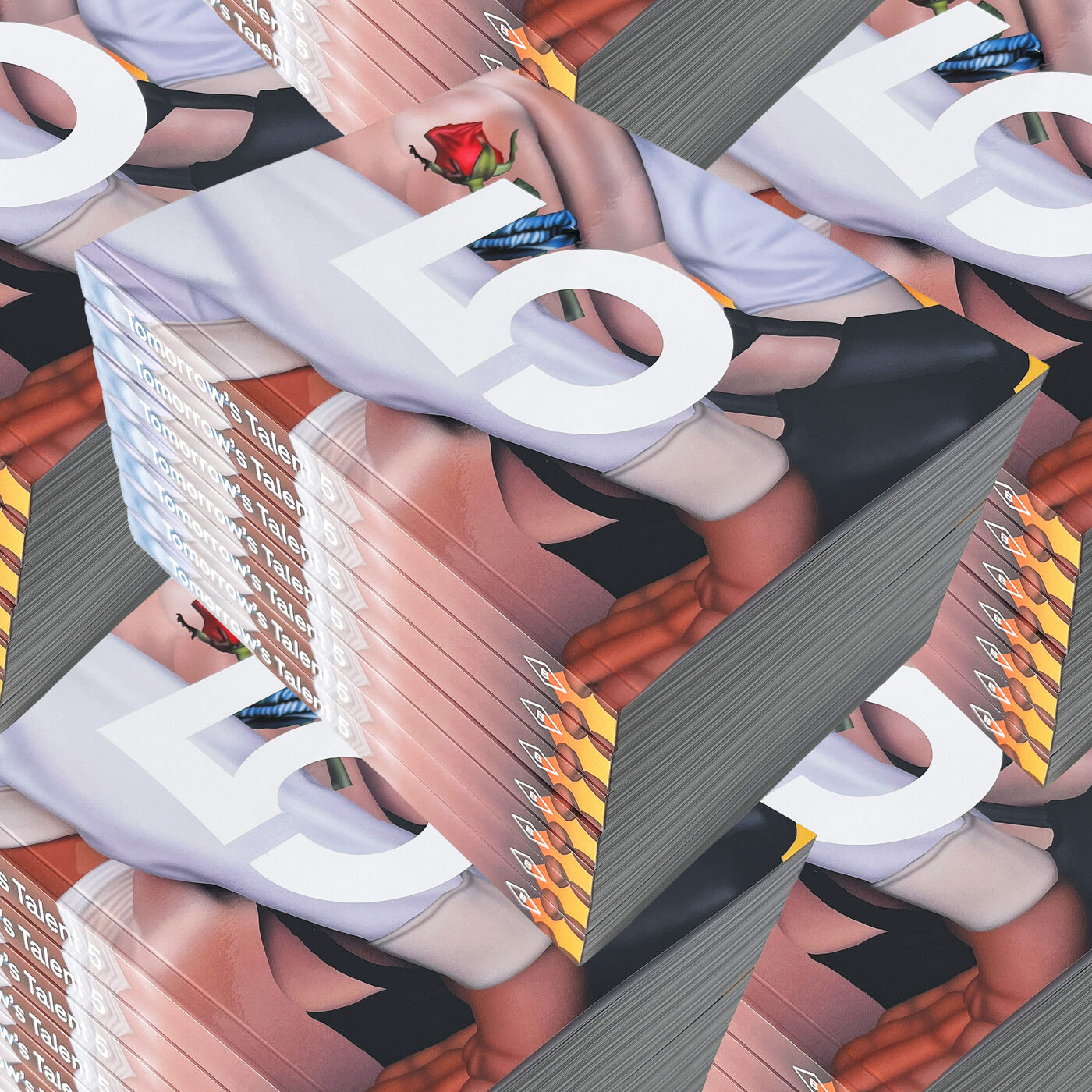
As the art world looks toward 2026 and 2027, the focus on artists who balance technical facility with conceptual depth is only expected to intensify. Projects such as the Booooooom Art & Photo Book Award and the ongoing Tomorrow’s Talent series serve as vital barometers for this shift, highlighting the importance of archiving and presenting new perspectives in print format.
For artists like Ludwig-Leone, these platforms are not just promotional tools; they are the record-keepers of a generation that is redefining the boundaries of landscape and light. Her inclusion in the conversation—not just as a painter, but as a theorist of the visual—ensures that her work will remain a reference point for those studying the intersection of human perception and the natural world.
Conclusion: The Quiet Authority of the Unseen
Madeline Ludwig-Leone’s work is a testament to the power of restraint. In a visual culture defined by saturation, over-stimulation, and the constant presence of the digital, her paintings act as a necessary silence. By focusing on what is missing, she forces the viewer to pay attention to what is present: the light, the frame, the shadow, and the inevitable passage of time.
Whether in the quiet studio in Los Angeles or the future halls of Millay Arts and the Vermont Studio Center, her practice remains a rigorous, necessary interrogation of our visual reality. Her landscapes may be empty of people, but they are full of the complex, often unseen forces that define the human condition. As we move closer to her upcoming residencies, the art world remains in anticipation, ready to see how she will continue to refine her unique, shadow-laden vision of the world we think we know.

 Sagoh
Sagoh
 Lina Irawan