Asep Darmawan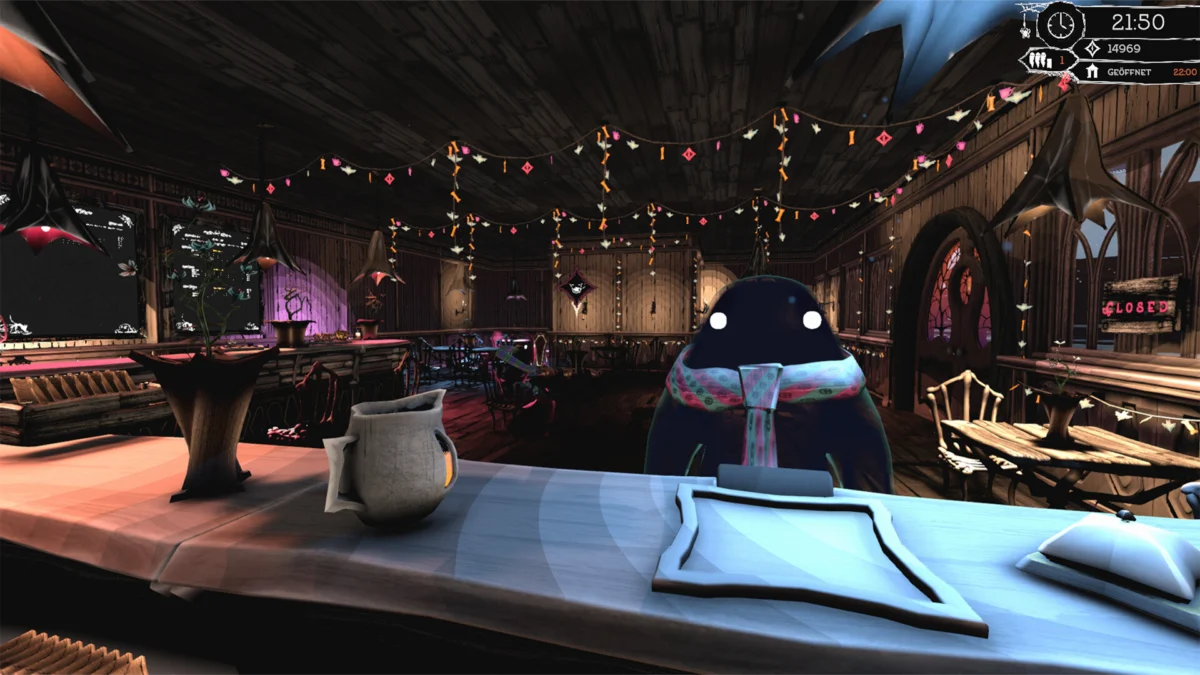
The "cozy game" genre has long been dominated by sun-drenched farms, pastoral villages, and the relaxing hum of small-town life. However, a new trend is emerging that blends the comforting mechanics of management simulators with the macabre aesthetic of gothic horror. Enter My Little Cafe Nightmare, a first-person management title that tasks players with serving caffeine-starved spirits in a crumbling, haunted establishment.
Available now on Steam Early Access, the game invites players to step into the role of a lone human employee—the only one in the shop with functional arms—tasked with maintaining a cafe for the undead. It is a balancing act of business logistics, supernatural hospitality, and interior design, all performed under the watchful, judging gaze of a shrunken head hanging from a chandelier.
The Premise: Business Operations in the Great Beyond
In My Little Cafe Nightmare, the core gameplay loop revolves around the day-to-day operations of a spectral coffee shop. As a newly hired staff member, you are responsible for the entire workflow: grinding beans, brewing espresso, managing inventory, and maintaining the premises.
Unlike traditional management games that automate tasks, My Little Cafe Nightmare emphasizes a hands-on, first-person perspective. You are physically responsible for every movement, from placing a cup on the counter to ordering supplies for the following shift. The game forces the player to contend with the realities of a run-down building, where structural integrity is a suggestion and the "customers" are ghouls with very specific, ethereal tastes.
Chronology of the Experience: From Decay to Design
The progression system in My Little Cafe Nightmare is one of its most compelling features. Players begin in a state of relative disarray; the cafe is essentially a rotting husk, filled with cobwebs and decay.
- The Survival Phase: Initially, the gameplay focuses on pure survival and task efficiency. You must gather "bone tokens"—the currency of this afterlife establishment—to keep the lights on and the supplies flowing.
- The Restoration Phase: As your coffers grow, you gain the ability to clear away the rot. This is where the game transitions from a stressful simulation into a creative outlet. You are encouraged to renovate the space, turning a literal nightmare into a "cozy" retreat for the passing spirits.
- The Mastery Phase: Once the environment is stabilized, the focus shifts to advanced management. This includes optimizing the placement of equipment to ensure a smooth flow of service, balancing supply chain orders, and catering to the high-maintenance demands of repeat spectral patrons.
Supporting Data and Mechanics
The game’s technical backbone is built upon the freedom of interaction. Unlike many static simulators where objects are locked to a grid, My Little Cafe Nightmare offers a "free-form" placement system. This allows for near-infinite customization of the cafe layout.
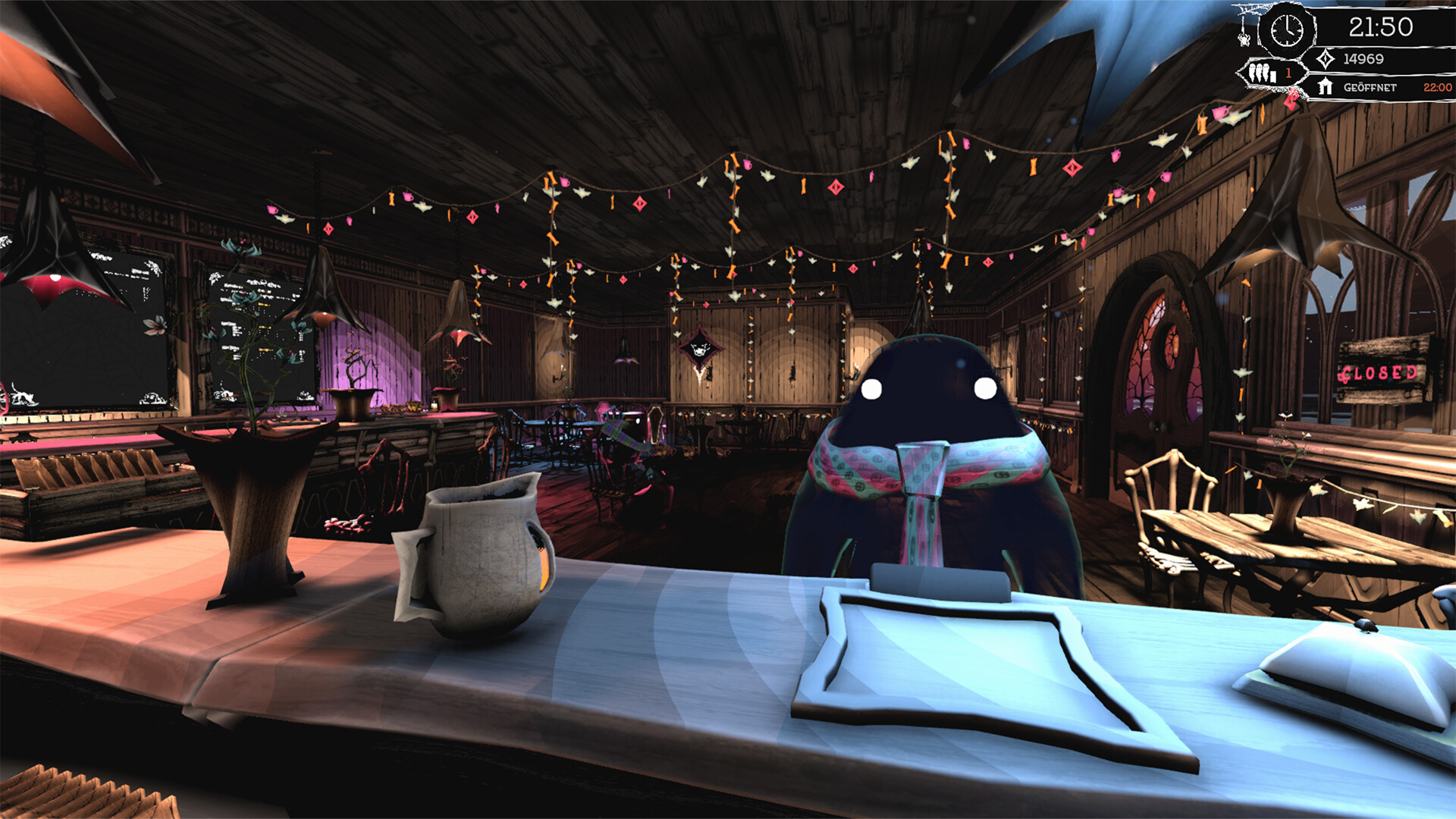
However, this freedom comes with a significant caveat. Because the game lacks a "pause" or "remodel mode," you can move furniture at any time. While this allows for real-time creativity, it also introduces the risk of mechanical failure. Players have reported that accidentally grabbing a countertop can cause it to auto-rotate, potentially blocking doorways or—more frustratingly—glitching essential tools like the kettle into walls. This lack of a "safe" editing mode turns the simple act of redecorating into a high-stakes tactical decision.
Furthermore, the game’s inventory management is a logistical challenge. You must physically manage the placement of your machines; if your coffee grinder is too far from your prep station, the time lost moving back and forth can lead to disgruntled ghost customers. For those who enjoy the "puzzle" aspect of space management, this adds a layer of depth that keeps the gameplay engaging despite the haunting atmosphere.
Official Perspectives and Early Access Feedback
The developers have positioned My Little Cafe Nightmare as an experimental take on the management genre. By utilizing Steam Early Access, the team behind the game is signaling a desire to refine these complex, often chaotic, interaction systems based on player feedback.
The early community consensus highlights a common dichotomy: players love the aesthetic, but the "physics-based" interaction is a polarizing mechanic. On one hand, the ability to place items exactly where you want them is a dream for creative players. On the other, the sensitivity of the movement controls, combined with the lack of a "snap-to-grid" option, has resulted in a fair amount of "clutter-induced" stress.
The developers have acknowledged that the "nightmare" in the title is not just thematic, but perhaps a nod to the unpredictability of the game’s engine. They maintain that the struggle to keep the cafe organized is an intentional part of the gameplay experience—a way to ensure the player feels the weight of the "nightmare" they are managing.
Implications for the Genre
My Little Cafe Nightmare serves as a fascinating case study in how "cozy" game design is evolving. For years, the genre has been synonymous with low-stress environments. By injecting horror elements—haunted customers, shrunken heads, and decaying architecture—the developers are challenging the definition of "cozy."
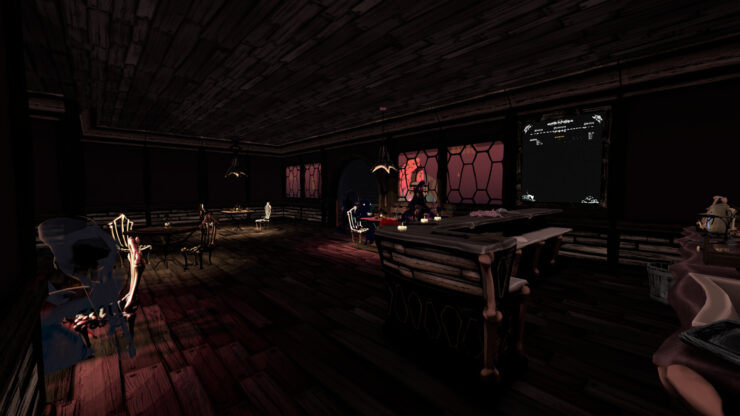
The game suggests that there is a growing appetite for "cozy-horror," a sub-genre where the player finds comfort not in perfection, but in the act of bringing order to chaos. The implication is that gamers are looking for more than just passive relaxation; they are looking for a sense of accomplishment that comes from overcoming frustration. Cleaning up a spiderweb-covered corner and transforming it into a warm, inviting nook for a ghost is a rewarding loop that feels earned precisely because the environment is so hostile to begin with.
Conclusion: Is It Worth the Trip?
For fans of management games who find the typical, polished storefronts of titles like Coffee Talk or Bear and Breakfast too sterile, My Little Cafe Nightmare offers a gritty, tactile alternative. It is a game that respects the player’s intelligence but refuses to coddle them.
While the current state of the game in Early Access is marked by minor glitches—mostly involving the physics of moving furniture—the potential for growth is evident. The large, forgiving floor plans provide a blank canvas for those who enjoy interior design, while the constant demand for service provides a steady, rhythmic pressure that keeps the game from feeling stagnant.
If you are looking for a title that blends the methodical satisfaction of a barista simulator with a touch of the supernatural, My Little Cafe Nightmare is a bold, albeit slightly jagged, step in the right direction. It invites you to decorate, serve, and survive, all while reminding you that in the world of the undead, the customer is always right—even if they are a ghost.
About the Author
Jupiter Hadley is a prolific indie game journalist, writing for major outlets including Metro UK, Big Boss Battle, and AlphaBetaGamer. With a career dedicated to highlighting the "smaller gems" of the industry, she has covered thousands of game jams and titles through her extensive YouTube catalog. As the founder of indiegamejams.com, Hadley remains at the forefront of the independent gaming scene, acting as a recurring judge for global events and a tireless advocate for experimental game design.

 Ammar Sabilarrohman
 Siti Muinah