

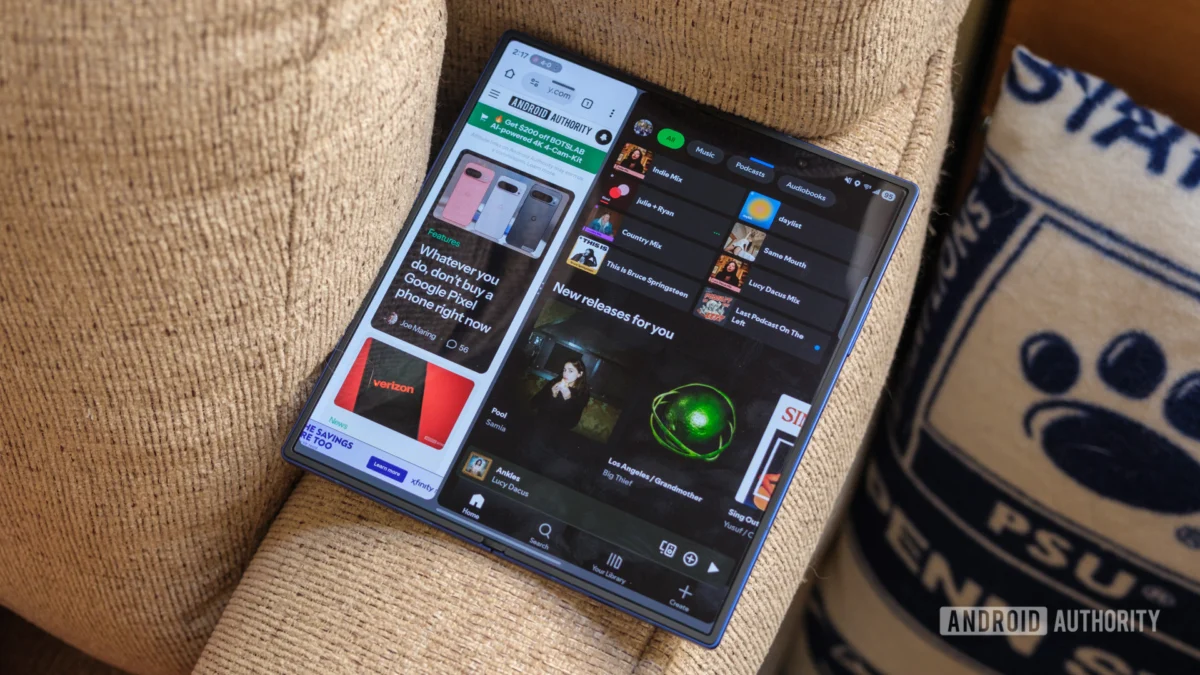
At its 2026 Investor Day, Spotify unveiled a seismic shift in its creator economy strategy. While the tech industry remains hyper-focused on generative AI, Spotify has opted for a more pragmatic, bottom-line-driven innovation: the rollout of "Spotify Memberships." This new feature is designed to empower podcast creators by allowing them to offer paid, recurring subscriptions directly within the Spotify ecosystem, bridging the gap between passive listening and active financial patronage.
Main Facts: What Are Spotify Memberships?
The core premise of Spotify Memberships is the facilitation of a direct-to-consumer monetization model for audio creators. Historically, podcasting has relied on a fragmented ecosystem where creators were forced to steer their listeners toward third-party platforms like Patreon, Substack, or Buy Me a Coffee to secure recurring revenue.
Spotify Memberships aims to consolidate this process. By integrating subscription management directly into the Spotify app, the platform intends to minimize "friction"—the primary killer of conversion rates in digital media.
Key features of the announcement include:
- Native Recurring Revenue: Creators can establish paid tiers that offer exclusive content, early access, or ad-free listening.
- The Creator Dashboard: A dedicated backend interface allowing creators to manage their subscriber base, track earnings, and analyze audience engagement in real-time.
- Data Portability: In a nod to creator autonomy, Spotify confirmed that member data can be exported as a CSV file, ensuring that creators maintain ownership of their audience lists rather than being locked into a "walled garden."
- The "Open Access" Bridge: For creators already deeply entrenched in other subscription platforms, Spotify’s existing "Open Access" framework will remain, allowing them to pipe gated content directly into the Spotify feed.
Chronology: The Road to Direct Monetization
Spotify’s journey toward this announcement has been a calculated multi-year effort to transform itself from a music streaming service into a holistic audio destination.
- 2020–2022: The Aggressive Acquisition Phase. Spotify spent billions acquiring podcast studios (Gimlet, Parcast, The Ringer) and hosting platforms (Anchor, Megaphone). This period was defined by an "audience first" approach, prioritizing scale and user acquisition.
- 2023–2024: The Profitability Pivot. Following a cooling in the global tech market, Spotify shifted its focus toward efficiency. The company began trimming its original content budget and pivoting away from exclusive deals with high-profile celebrities, focusing instead on tools that empower independent creators.
- 2025: Strengthening Infrastructure. Throughout the past year, Spotify integrated more sophisticated analytics and ad-insertion technology into its hosting platforms, laying the technical groundwork for the Membership feature.
- May 2026: The Investor Day Reveal. Spotify formally unveiled the Membership model, signaling to Wall Street that it intends to capture a larger percentage of the "creator economy" spend that has historically leaked to external platforms.
Supporting Data: The Economics of the Creator Economy
The decision to launch Memberships is backed by significant industry trends regarding audience behavior and spending.
According to industry reports from early 2026, the podcasting medium has seen a 14% year-over-year increase in listener engagement. However, the conversion rate for listeners to paid subscribers remains disproportionately low compared to other forms of digital media, such as newsletters or video platforms.
Market Dynamics:
- The Friction Factor: Research indicates that when a listener is required to leave their primary app (Spotify) to visit a web browser to sign up for a subscription, conversion rates drop by as much as 60%. By moving the payment layer into the app, Spotify expects to drastically improve these figures.
- Recurring Revenue Stability: For creators, advertising revenue is notoriously volatile, tied to seasonal ad spend and unpredictable algorithmic reach. Recurring membership revenue provides a predictable financial baseline, which allows creators to invest in higher-quality production.
- Data Sovereignty: The ability to export subscriber data is a major concession to creators. In the current climate, creators are increasingly wary of "platform risk"—the danger that a change in policy could destroy their reach. By allowing data exports, Spotify is positioning itself as a partner rather than an overlord.
Official Responses and Strategic Rationale
In the official news release, Spotify executives emphasized that this move is about "democratizing access."
"Our goal is to ensure that every creator, regardless of their size, has the tools to turn their passion into a sustainable career," the company stated. "By removing the technical barriers to entry, we are empowering creators to build communities that are not just passive listeners, but active members of a creative ecosystem."
Industry analysts have viewed this as a direct challenge to Patreon. While Spotify has not yet revealed its revenue-sharing model (i.e., what percentage of subscription fees Spotify will keep), the consensus is that the company will offer competitive rates to lure high-traffic creators away from traditional hosting platforms.
Implications: The Future of the Audio Landscape
The introduction of Spotify Memberships will have profound implications for the industry at large.
1. The Death of the "Fragmentation Era"
For years, the podcast experience has been hampered by links to external websites, promo codes for different apps, and fragmented user experiences. This new model suggests a future where the podcast app becomes an all-in-one hub for commerce, media, and community management.
2. A New Competitive Landscape for Platforms
Patreon and other creator-focused platforms now face an existential challenge. If a creator can achieve the same results with less effort by using Spotify’s native tools, the incentive to maintain a presence on a secondary platform diminishes. This could lead to a consolidation of the creator economy, where Spotify becomes the primary operating system for the audio creator.
3. The Impact on "Indie" Podcasters
For small-to-mid-sized shows, this is a potential lifeline. Small creators often struggle to secure meaningful sponsorship deals because they lack the massive listener numbers that major brands demand. With Memberships, a show with only 500 loyal listeners can theoretically generate a meaningful income through direct support, rather than relying on the "scale-at-all-costs" advertising model.
4. Regulatory and Ecosystem Risks
As Spotify tightens its grip on the audio ecosystem, regulators may keep a close eye on the company’s "platform gatekeeper" status. If Spotify begins to prioritize its own membership-integrated shows in search results or discovery algorithms, it could trigger antitrust scrutiny similar to the challenges faced by Apple and Google regarding their App Stores.
Looking Ahead
As Spotify moves toward the rollout of the membership program for select creators, the industry will be watching two key variables: the fee structure and the UX implementation.
Will Spotify allow for flexible, multi-tier pricing? Will there be automated email marketing tools built into the dashboard? These questions remain unanswered. However, the trajectory is clear. Spotify is no longer just a streaming library; it is evolving into a full-stack digital economy for audio creators.
For the average listener, this means a more seamless way to support their favorite voices. For the industry, it marks the end of the "Wild West" era of podcasting and the beginning of a more structured, platform-integrated phase of professional audio production. The success of this initiative will ultimately depend on whether Spotify can prove that it is a better steward of the creator-fan relationship than the independent platforms that built the space.
As we look toward the second half of 2026, the question is not just how much money creators will make, but how much the nature of the "podcast" itself will change as it becomes a medium defined by direct, paid engagement.









No comments yet. Be the first to join the conversation!