Azzam Bilal Chamdy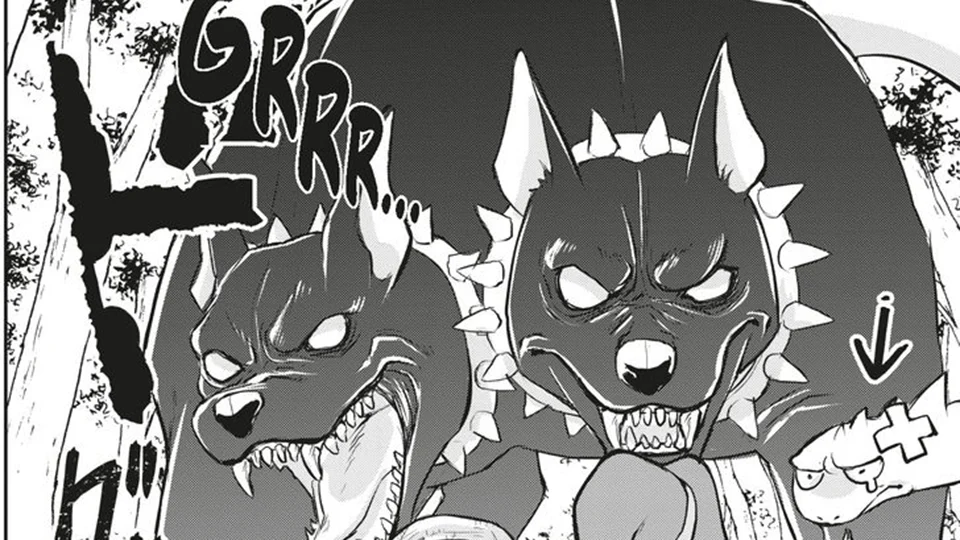
The "Isekai" genre—defined by the "other world" reincarnation trope—has undergone a radical transformation over the last decade. What began as a niche corner of light novels has expanded into a dominant cultural force, often criticized for its repetitive "power fantasy" archetypes. However, every so often, a title emerges that disrupts the status quo by injecting a specific, passionate subculture into the familiar framework of magic and monsters.
Enter Isekai Metaller, the latest work by mangaka Kasuga Ryo. Scheduled for its English-language debut via Titan Manga on October 14, this series promises to be more than just a typical fantasy romp. By blending the high-octane energy of heavy metal with the ethical dilemmas of a tiered magical society, Isekai Metaller seeks to harmonize two seemingly disparate worlds.
Main Facts: The Intersection of Heavy Metal and High Fantasy
At the center of Isekai Metaller is Alexi, a protagonist who defies the standard "ordinary high school student" mold. Alexi is a dedicated metalhead, a man whose life has been defined by the abrasive, expressive, and often misunderstood world of heavy metal. His journey begins not with a tragic accident involving the infamous "Truck-kun," but with a moment of peak rock-and-roll intensity: being electrocuted during a live concert.
This "metal" exit serves as the catalyst for his arrival in a fantasy realm teeming with traditional RPG elements—demons, magic users, and rigid leveling systems. However, Alexi brings a unique "class" to this world. While most isekai protagonists become swordsmen or mages, Alexi functions as a high-level "Metaller." He is armed with a Flying V guitar and imbued with the powers of a thunder god.
The manga, which has already garnered attention for its striking visual style, is being brought to Western audiences by Titan Manga, an imprint of Titan Comics. The publisher has positioned the title as a flagship release for the autumn season, targeting both traditional manga readers and fans of Western rock culture.
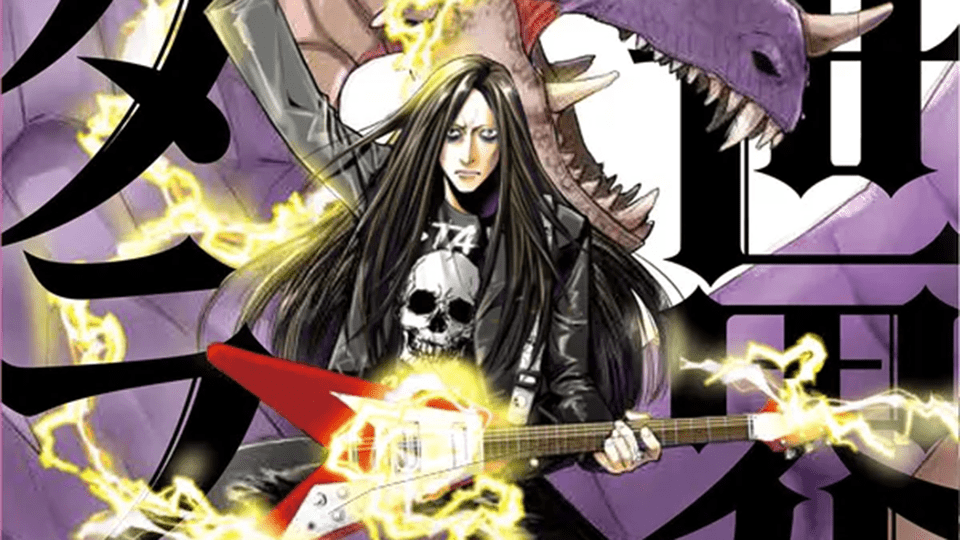
Chronology of a Heavy Metal Rebirth
The narrative structure of Volume 1 meticulously establishes Alexi’s dual identity. To understand his actions in the fantasy world, the reader is first introduced to his past in the human world.
The Origin of the Sound
Alexi was once a painfully shy boy, struggling to find a voice in a world that rewarded conformity. He found his salvation in heavy metal—a genre that allowed him to transmute his internal anxieties into powerful, externalized sound. His goal was never fame or fortune; it was connection. He wanted to reach the hearts of others who felt as voiceless as he once did.
The Transmigration Event
During a performance that Alexi hoped would finally bridge the gap between his band and their audience, a freak electrical accident occurs. This moment of transition is handled with a blend of dark humor and epic scale. Instead of fading into nothingness, Alexi’s soul is transported, carrying his musical ethos into a world governed by literal "levels" and "stats."
Awakening in the Fantasy Realm
Upon awakening, Alexi discovers he has been granted a "Level 999" status. In the context of this new world, he is essentially a deity. His magic manifests as "Thunder Wave"—a nod to both tabletop gaming and the literal roar of an amplifier. However, rather than using this power to conquer, Alexi’s first instinct is to observe. When he encounters his first set of monsters, he doesn’t see threats; he sees the living embodiment of his favorite album covers.
Supporting Data: Genre Saturation and the Need for Niche Innovation
The release of Isekai Metaller comes at a time when the manga industry is seeing a shift toward "gimmick-driven" isekai. According to market data from 2023-2024, titles that blend specific hobbies or subcultures with fantasy settings (such as Campfire Cooking in Another World or The Reincarnated Venting Machine) have seen a 15% higher engagement rate among older demographics compared to standard "hero" narratives.

Isekai Metaller leverages this trend by focusing on the "Metal" subculture, which has a storied history in Japanese media. From the satirical brilliance of Detroit Metal City to the dark fantasy aesthetics of Bastard!!, the crossover between metal and manga has always been fertile ground.
The Party Dynamics
Alexi does not travel alone. His "band" (adventuring party) includes:
- A Cute Mage: Representing the traditional fantasy element.
- A Wolfman Warrior: A nod to the "beastman" tropes of the genre.
- An Orphaned Thief: Providing the emotional stakes and the "silent" voice Alexi wishes to amplify.
This diverse group allows the story to explore the social hierarchies of the fantasy world. In this realm, lower-leveled individuals are often treated as disposable "chaff" for the greater good of the kingdom. Alexi’s Level 999 status allows him to challenge this systemic cruelty, effectively becoming a social activist with a guitar.
Official Responses and Industry Context
Titan Manga’s decision to license Isekai Metaller reflects a broader strategy of diversifying their portfolio with titles that have "cross-media" appeal.
"We are looking for stories that resonate with the visceral energy of music and the escapism of fantasy," a spokesperson for Titan mentioned during a recent industry preview. "Kasuga Ryo has managed to capture the specific aesthetic of metal culture—the leather, the studs, the raw power—while keeping the heart of the story grounded in empathy."
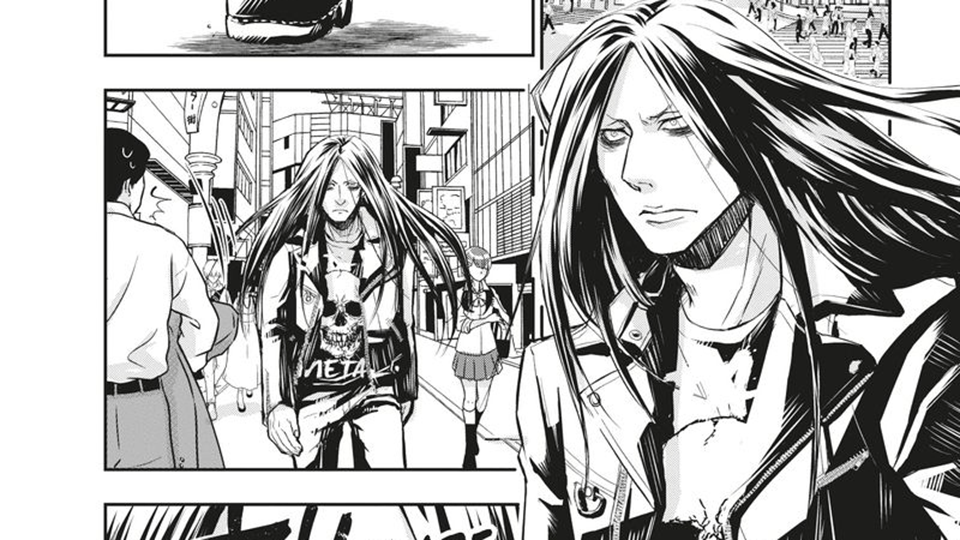
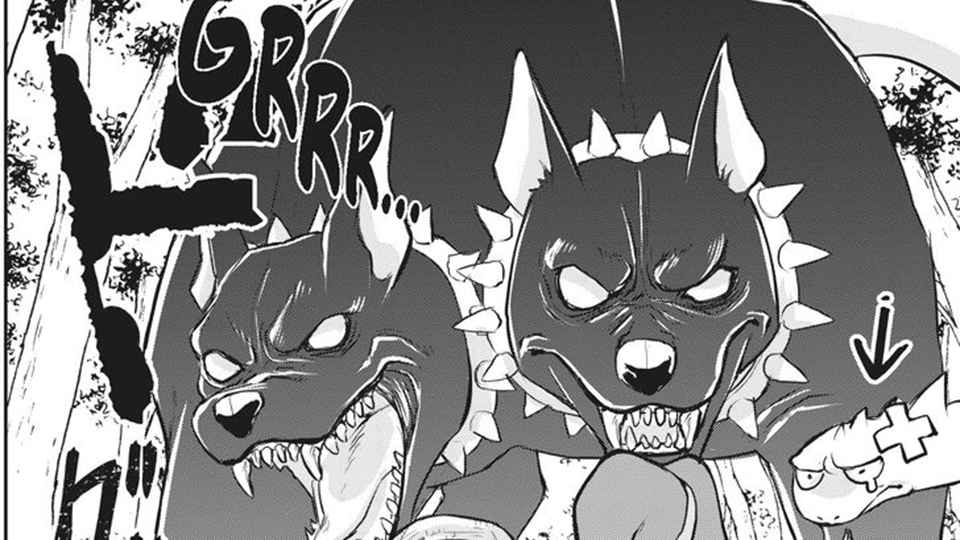
Critics who have had early access to the Japanese volumes have praised the series for its art style. Ryo’s illustrations are noted for their "heavy" ink work and detailed creature designs, which contrast sharply with the "moe" aesthetic often found in contemporary isekai. This stylistic choice reinforces the "Metal" theme, making the manga feel like a visual extension of the music it celebrates.
Implications: The Philosophy of the "Inner Voice"
Beyond the lightning bolts and the guitar solos, Isekai Metaller poses a significant philosophical question: Can art bridge the gap between enemies?
The Glam Rock Rivalry
One of the most compelling arcs introduced in the first volume is the arrival of a rival—a reincarnated warrior who embodies "Glam Rock." This conflict serves as a brilliant metaphor for the internal divisions within music subcultures. However, instead of a fight to the death, the narrative leans toward a "Battle of the Bands" mentality. It explores the idea that while the style of expression may differ, the source of that expression remains the same.
Challenging the Demon King Archetype
The ultimate goal of the series, as teased in the early chapters, is not the destruction of the Demon King. In a subversion of the "Hero vs. Dark Lord" trope, Alexi expresses a desire to "jam" with the Demon King. He believes that the conflict in this world stems from a lack of communication and the suppression of "inner voices." By bringing the spirit of heavy metal to the seat of evil, Alexi hopes to find a common frequency.
The Social Commentary
The manga also serves as a critique of elitism. In both the modern world and the fantasy world, Alexi is judged by his appearance. His "creepy" metal aesthetic leads people to fear or mock him. By positioning a "scary-looking" character as the most empathetic person in the room, Kasuga Ryo challenges the reader to look past the "mask" of subculture.
Conclusion: A High-Decibel Recommendation
Isekai Metaller Vol. 1 is more than a parody; it is a sincere love letter to a genre of music that has long served as a refuge for the misunderstood. By placing a metalhead in a world of rigid levels and systemic injustice, the manga creates a unique space where power is used not for dominance, but for amplification.
As the October 14 release date approaches, anticipation is building among the "manga-metal" community. Whether you are a fan of high-fantasy world-building or someone who grew up with a Flying V in their hands, this series promises a refreshing, loud, and heart-filled journey. In a sea of identical isekai titles, Isekai Metaller screams at a volume that is impossible to ignore.

 Reynand Wu
 Pevita Pearce