By Industry News Desk
In a stunning reveal that bridged the gap between modern indie prestige and the foundational roots of gaming history, Studio MDHR took center stage at this year’s Summer Game Fest. The Canadian developer, best known for the runaway success of 2017’s Cuphead, confirmed that it is currently working on two distinct new projects within the Cuphead universe. While one title serves as a direct, hand-animated successor to the original run-and-gun masterpiece, the second project, titled Mighty Cuphead Adventure, represents a radical departure in technical philosophy, aiming to recreate the authentic experience of the 8-bit era.
The Evolution of a Modern Classic
The announcement of a new "hand-animated" successor to the original Cuphead has sent waves of excitement through the community. Since its release, the original game has been celebrated as a technical marvel, noted for its grueling difficulty and its uncompromising commitment to the aesthetic of 1930s "Rubber Hose" animation. By painstakingly replicating the visual style of Fleischer Studios and Walt Disney’s early works, Studio MDHR set a gold standard for artistic direction in gaming.
Details regarding this successor remain scarce, but industry insiders suggest that the studio intends to refine the mechanics that made the original a genre-defining title. The core gameplay loop—a marriage of intense, rhythm-based boss encounters and precision platforming—is expected to remain, though many speculate that the studio may look to expand the scope of the world-building, potentially offering a deeper narrative structure or more complex character movement options.
A Technical Anomaly: The Rise of Mighty Cuphead Adventure
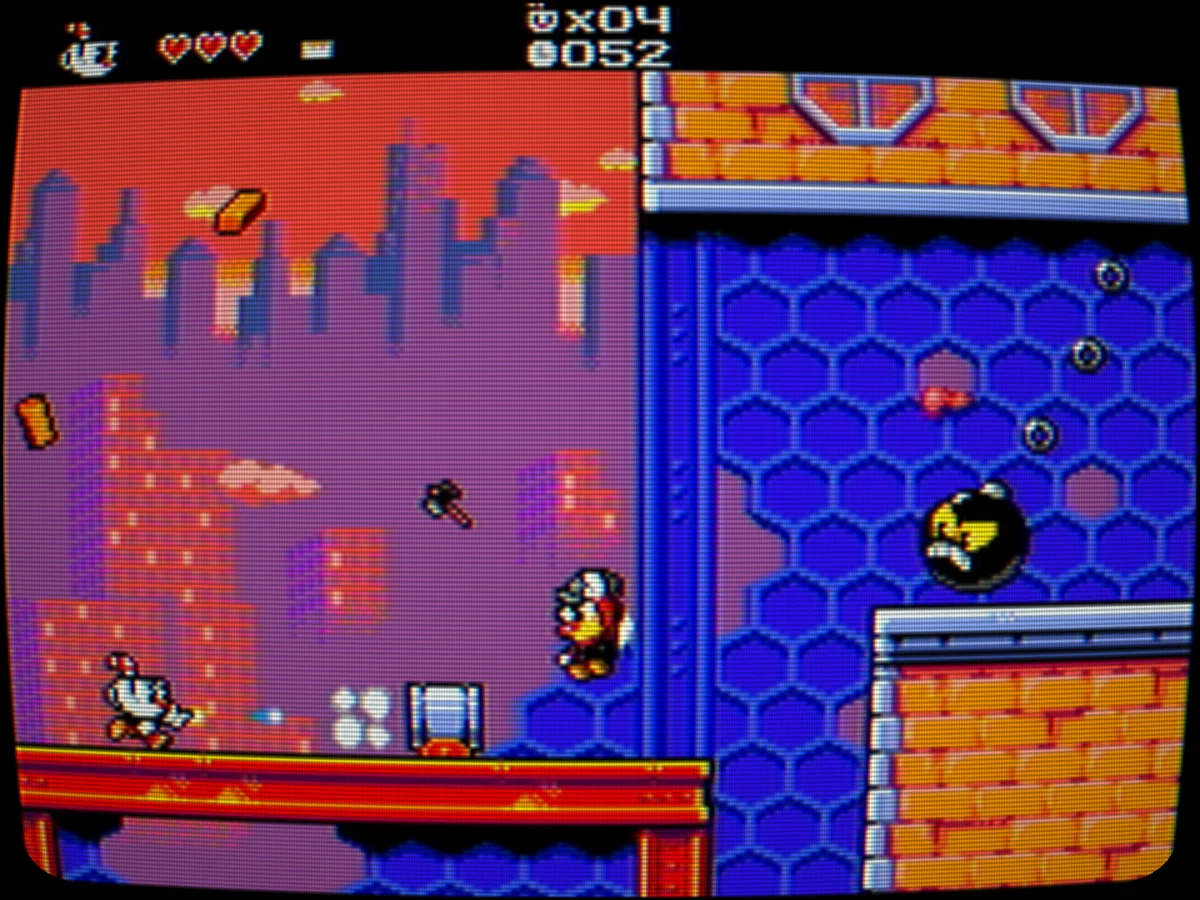
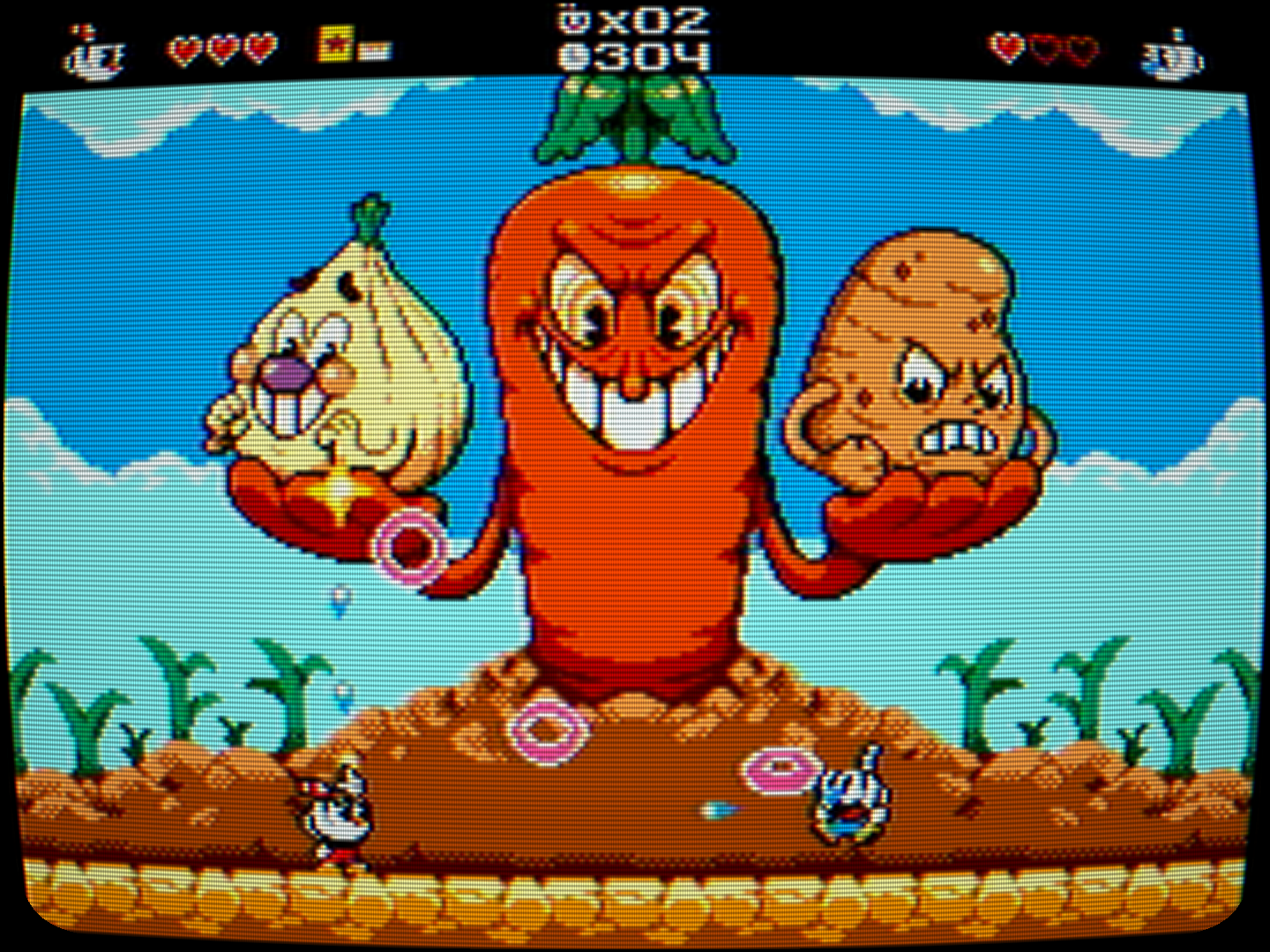
While the announcement of a direct sequel was expected by many, the reveal of Mighty Cuphead Adventure caught the industry by surprise. Unlike the modern engines used to produce the fluid, frame-by-frame animation of the main series, Mighty Cuphead Adventure is being developed with an entirely different set of constraints.
The project is an 8-bit action platformer, a genre that dominated the late 1980s and early 1990s. However, the true significance lies in the development process: Studio MDHR has opted to write the game entirely in assembly language. This is not merely a stylistic choice; it is an architectural one. By coding in the low-level language used during the era of the Sega Master System, the developers are ensuring that the game adheres to the strict hardware limitations of that time.
"While the game will absolutely be compatible with modern consoles and PC," Studio MDHR stated in an official press release, "players who want a true blast from the past will be able to experience it on a physical cartridge on the Sega Master System home gaming console."
This decision effectively turns the game into a "modern retro" title—a rarity in an era where most developers use high-level game engines like Unity or Unreal. By targeting the Sega Master System, the studio is effectively writing a piece of software that could have been played in 1986, provided the hardware existed to hold it.
A Chronology of the Cuphead Phenomenon
To understand the gravity of these announcements, one must look back at the trajectory of Studio MDHR:
- 2010: Brothers Chad and Jared Moldenhauer begin conceptualizing Cuphead, initially inspired by the strange, surreal nature of 1930s cartoons.
- 2014: The studio formally announces Cuphead at E3. The trailer goes viral, praised for its unique visual fidelity.
- 2017: Cuphead is released on PC and Xbox One. It becomes a critical and commercial success, eventually selling millions of copies.
- 2019: Cuphead is ported to the Nintendo Switch, further cementing its place as a contemporary classic.
- 2022: The Delicious Last Course expansion is released, receiving near-universal acclaim for its refined boss designs and musical score.
- 2024: Netflix releases The Cuphead Show!, expanding the brand into animation and reaching a new, younger demographic.
- 2026 (Summer Game Fest): Studio MDHR officially unveils two new projects: the unannounced sequel and the retro-engineered Mighty Cuphead Adventure.
Analyzing the "Assembly" Strategy
The choice to use assembly language is a masterclass in marketing and developer dedication. Assembly language is notoriously difficult, requiring a deep understanding of CPU architecture, memory management, and hardware interrupts. Modern game development is almost exclusively done in languages like C++, C#, or visual scripting environments that abstract away the hardware.
By eschewing these tools, Studio MDHR is essentially performing a "reverse engineering" of the gaming experience. In the 8-bit era, developers were forced to be hyper-efficient. They had to manipulate scanlines, manage sprite limits, and optimize code down to the single byte to prevent slowdown. By adopting these constraints, the studio is guaranteeing that Mighty Cuphead Adventure will not just look like an 8-bit game, but it will feel like one, complete with the specific input lag profiles and color palette limitations of 1980s hardware.
Official Responses and Developer Philosophy
In the wake of the announcement, the team at Studio MDHR emphasized that these projects represent two sides of the same coin. The main series represents the "high-art" potential of digital animation, while Mighty Cuphead Adventure acts as a love letter to the "foundational engineering" of the industry.
"We have always been obsessed with the history of the medium," said a studio representative during a post-show interview. "With the main series, we pay homage to the pioneers of animation. With Mighty Cuphead, we are paying homage to the pioneers of software engineering. Both are equally important to us."
The studio also addressed concerns regarding the accessibility of a game built for a 40-year-old console. They confirmed that a "modern" version of the game—likely a digital port for current consoles—will include features such as save states and resolution scaling, ensuring that the punishing difficulty of 8-bit platformers doesn’t become an insurmountable barrier to modern players.
The Implications for the Indie Gaming Landscape
The move by Studio MDHR carries significant weight for the independent game development sector.
1. The "Authenticity" Market
There is a growing market for hardware-accurate software. Companies like Analogue, which create FPGA-based consoles that replicate original hardware, have proven that enthusiasts are willing to pay a premium for "authentic" experiences. By producing a physical cartridge, Studio MDHR is tapping into the collector’s market, potentially turning a digital product into a high-value physical commodity.
2. A Shift in Aesthetic Paradigms
For years, the "retro" look in gaming has been dominated by "pixel art" that uses modern lighting, shaders, and high-resolution textures. Mighty Cuphead Adventure challenges this by being "truly" retro. This could spark a new trend in indie development where the method of creation is considered as important as the final visual output.
3. Sustainability and Intellectual Property
By diversifying their output, Studio MDHR is protecting its brand. Cuphead is no longer just a single game; it is a franchise. By experimenting with different formats—an animated series, a high-fidelity sequel, and a low-fidelity retro project—the studio is ensuring that the Cuphead brand remains relevant across multiple tiers of gaming interest.
What to Expect in the Months Ahead
While the Summer Game Fest reveal was high on excitement, it was light on specific release dates. The studio has promised to share more details in the coming months, specifically regarding the gameplay mechanics of the 8-bit title.
Fans are particularly eager to see how the studio translates the complex, multi-stage boss fights of the original game into the limitations of 8-bit hardware. Can an 8-bit CPU handle the intense, chaotic screen-filling projectiles that have become a staple of the series? Can the artistic style survive the color limitations of the Sega Master System’s palette?
These are questions that will define the success of these upcoming projects. However, given Studio MDHR’s history of defying expectations and overcoming massive technical hurdles, there is little reason to doubt their ability to pull it off.
Conclusion
The announcement of two new Cuphead projects is more than just a win for fans of the series; it is a validation of the studio’s unique philosophy. By continuing to push the boundaries of what is possible in modern animation while simultaneously digging into the trenches of 1980s assembly code, Studio MDHR is positioning itself as a steward of gaming history.
Whether you are a fan of the breathtaking, fluid animation of the modern games or a purist looking for the tactile, raw experience of 8-bit hardware, the future of Cuphead looks incredibly bright. As the industry continues to evolve toward higher fidelity and larger open worlds, it is refreshing to see a developer that is just as comfortable looking backward as they are looking forward. We look forward to the further updates promised by the studio and the eventual chance to slot a new Cuphead cartridge into our hardware.