

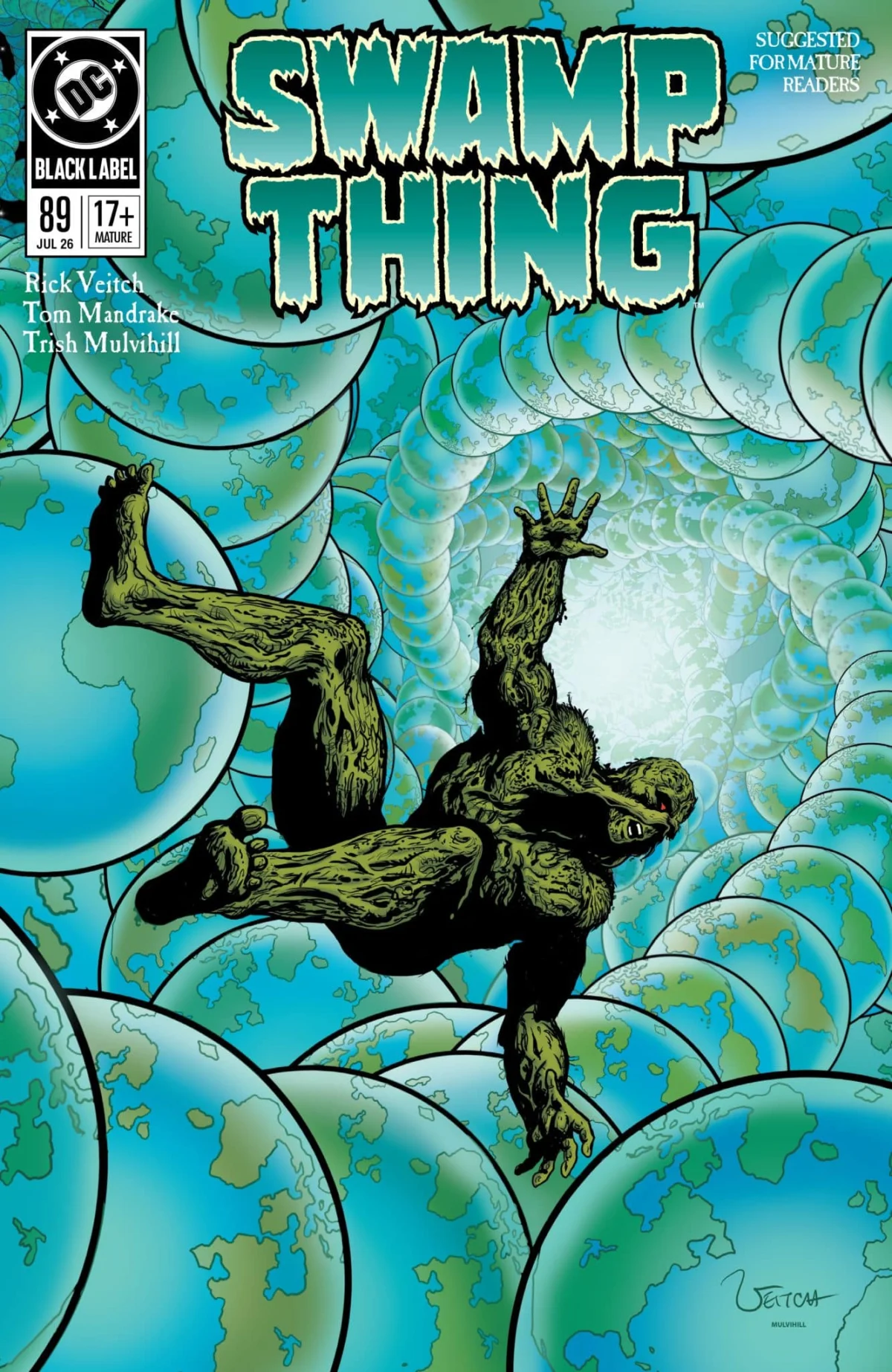
For over three decades, a legendary gap existed in the annals of DC Comics history—a narrative thread woven by the visionary Rick Veitch that was effectively silenced by editorial controversy. Now, in a historic turn of events, the "lost" conclusion to that era is finally seeing the light of day. Swamp Thing 1989 #2, featuring the creative powerhouse team of writer Rick Veitch and artist Tom Mandrake, is hitting shelves, offering fans a long-sought resolution to one of the most intellectually provocative runs in the history of the medium.
Main Facts: A Narrative Three Decades in the Making
The release of Swamp Thing 1989 #2 is more than just a new comic book issue; it is a cultural artifact. The story picks up the threads of a narrative that was abruptly truncated in 1989 due to creative disagreements between the writer and DC Comics management.
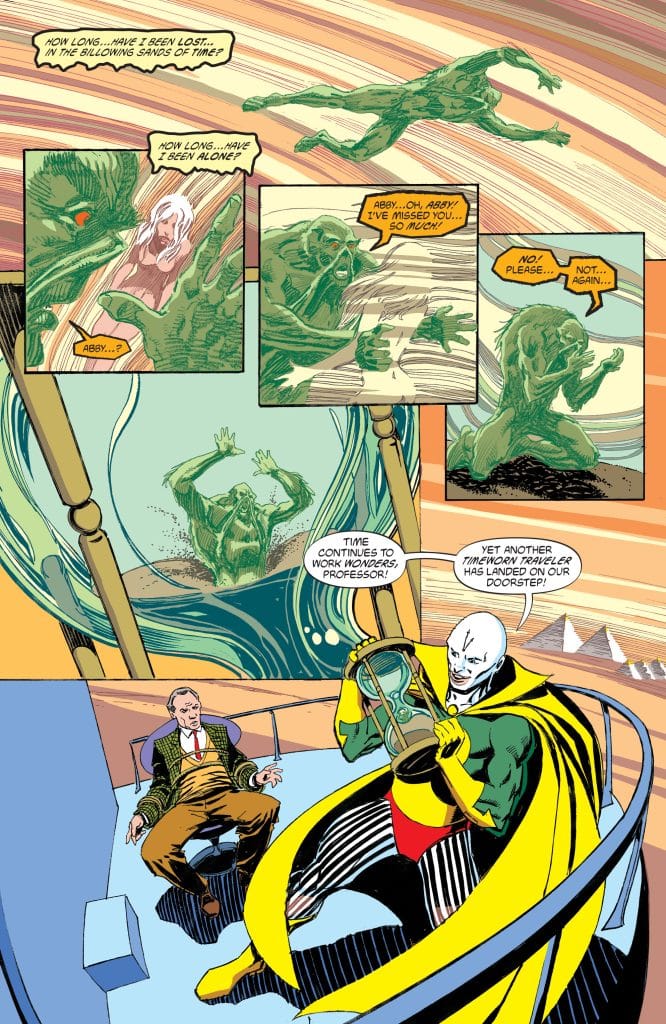
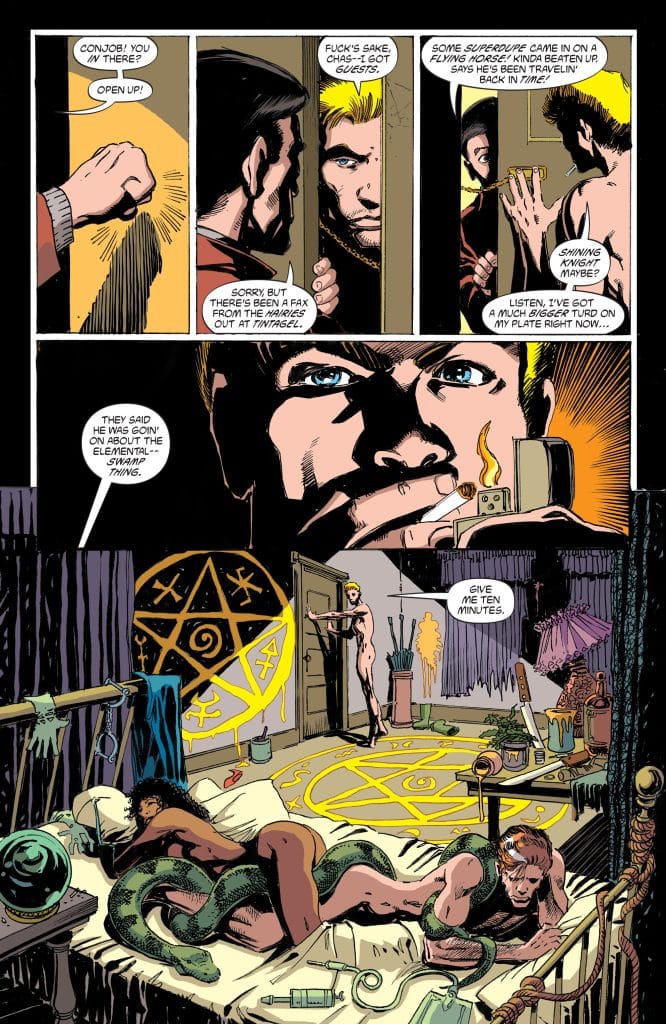
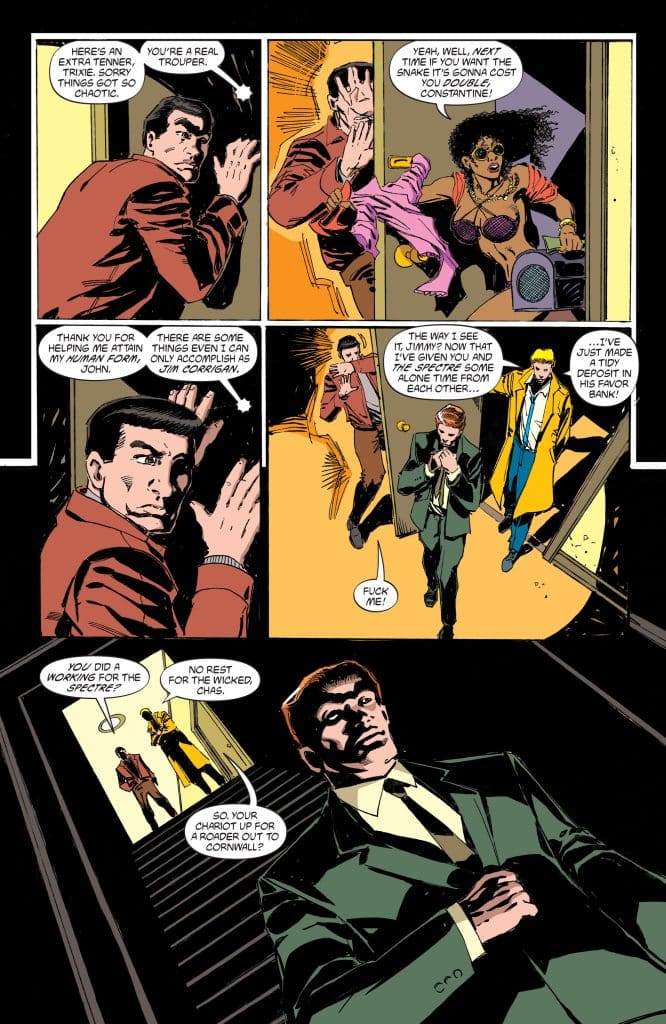
In this climactic installment, the titular elemental, Swamp Thing, finds himself flung violently through the corridors of time. As the protagonist traverses the temporal landscape, his true, fated destination is finally revealed, unraveling a mystery that has spanned years of internal development and decades of real-world speculation. While the Avatar of the Green battles the constraints of history, the occult detective John Constantine is seen maneuvering through a labyrinthine world of supernatural connections, desperate to locate the lost elemental. Parallel to these cosmic stakes, Abby Arcane prepares for the birth of their child—a being described as the progeny of three worlds. This issue serves as the definitive grand finale, a closure that many believed would never find its way to the printing press.
Chronology: The "Lost" History of the 1989 Run
To understand the weight of this release, one must look back at the tumultuous history of the Swamp Thing title in the late 1980s. Following the industry-defining run by Alan Moore, Rick Veitch took the reins of the series, continuing to push the boundaries of what a mainstream comic could explore. Veitch’s work was noted for its ecological philosophy, psychological depth, and bold metafictional storytelling.
However, the 1989 run came to an abrupt, infamous halt. A specific story arc involving Swamp Thing traveling through time to encounter biblical figures—including Jesus Christ—triggered a firestorm within DC Comics’ editorial offices. The controversy centered on the perceived sensitivity of the material. Rather than compromise his creative vision, Veitch resigned from the title, leaving his planned conclusion to the arc unproduced and unpublished.
For thirty-five years, this "lost" finale existed only in the minds of the creative team and in the hushed conversations of industry insiders. Its publication today represents a rare moment where a "what if" of comic book history is reclaimed, providing fans with the intended conclusion that had been denied to them since the dawn of the 1990s.
Supporting Data: The Creative Synergy of Veitch and Mandrake
The return of this material is bolstered by the reunion of the original creative team. Rick Veitch remains one of the most uncompromising voices in independent and mainstream comics, and his writing in Swamp Thing 1989 #2 demonstrates a maturity and a reverence for his earlier work that only time could cultivate.
Paired with him is artist Tom Mandrake, whose aesthetic sensibilities have long been a perfect match for the dark, visceral, and atmospheric tone of the Swamp Thing mythos. Mandrake’s ability to render the organic, shifting form of the elemental—while maintaining the grounding emotional weight of characters like Abby Arcane—is on full display in the preview pages. The visual language of the issue bridges the gap between the aesthetic trends of the late 80s and the modern, high-fidelity printing standards of the DC Black Label.
The integration of these artistic elements creates a sense of continuity, ensuring that the reader is not simply consuming a modern interpretation, but experiencing the genuine, unadulterated vision that was meant to close the book on the 1989 run.
Official Responses and Editorial Context
While the publication is under the DC Black Label banner—a line of comics designed for mature audiences and prestige storytelling—the release is handled with a sense of historical gravitas. There have been no official "corrections" to the original plot; rather, the company has opted to let the work stand as a testament to the creator-led era of the late 80s.
Industry analysts have praised the decision to publish this material, noting that it respects the legacy of the creators while satisfying the long-term demand from the comic book community. The release has been framed not as a reboot or a retcon, but as a "restoration." By allowing Veitch and Mandrake to finish their journey on their own terms, the publisher has effectively turned a past source of conflict into a celebratory event for long-time readers and historical scholars alike.
Implications: The Impact on the Swamp Thing Mythos
The release of Swamp Thing 1989 #2 carries significant implications for the future of the character and for the broader comic book industry.
1. The Validation of Creator Autonomy
The successful release of this "lost" material sends a strong message regarding the value of creative intent. In an industry where corporate ownership often supersedes individual vision, the publication of this finale acts as a landmark case for the preservation of a creator’s original narrative path. It reinforces the idea that, given enough time, the "true" version of a story can find its way to its audience.
2. Deepening the Lore
The introduction of the "child of three worlds" and the finality of the temporal odyssey provide a definitive emotional arc for the character. Swamp Thing has long been defined by his search for humanity and his role as an elemental guardian. By providing this specific conclusion, the issue adds a layer of permanence to the character’s growth, offering a definitive "ending" to a period of the character’s life that was previously suspended in a state of editorial limbo.
3. A Template for Future Archival Releases
This release may set a precedent for other "lost" or unfinished comic book projects. With the success of this endeavor, there is now a clear pathway for other historic, unfinished narratives to be revisited and completed. It encourages publishers to look into their archives not just for reprints, but for the recovery of lost legacies.
Conclusion: A Monumental Closing Chapter
Swamp Thing 1989 #2 is a rare triumph in the world of serialized fiction. It is a bridge spanning three decades, connecting the bold, experimental spirit of the 1980s with the sophisticated appreciation of comic book history held by today’s readers. As the story of the elemental reaches its long-delayed conclusion, it reminds us of the power of persistence and the enduring nature of great storytelling.
For those who have waited since the late 80s to see how the odyssey ended, and for those who are only now discovering the complexity of Veitch’s vision, this issue is an essential read. It is the final piece of a puzzle that was never meant to be left incomplete, standing now as a finished monument to the creative dedication of Rick Veitch and Tom Mandrake. The swamp has finally cleared, and the truth of the elemental’s journey is finally ours to witness.









No comments yet. Be the first to join the conversation!