Evan Lee Salim
In the vast ecosystem of modern gaming, there exists a unique sub-genre that has seen an explosive rise in popularity over the last few years: the "satisfying chore simulator." While real-life housework is often viewed as a mundane necessity, video games have found a way to transform the tedious into the therapeutic. Enter Cleaning Up!, a new physics-based title that invites players to restore order to absolute chaos. By combining high-stakes clutter with a lighthearted, comedic narrative, the game manages to turn the act of janitorial work into a genuinely engaging experience.
The Core Concept: From Filth to Pristine
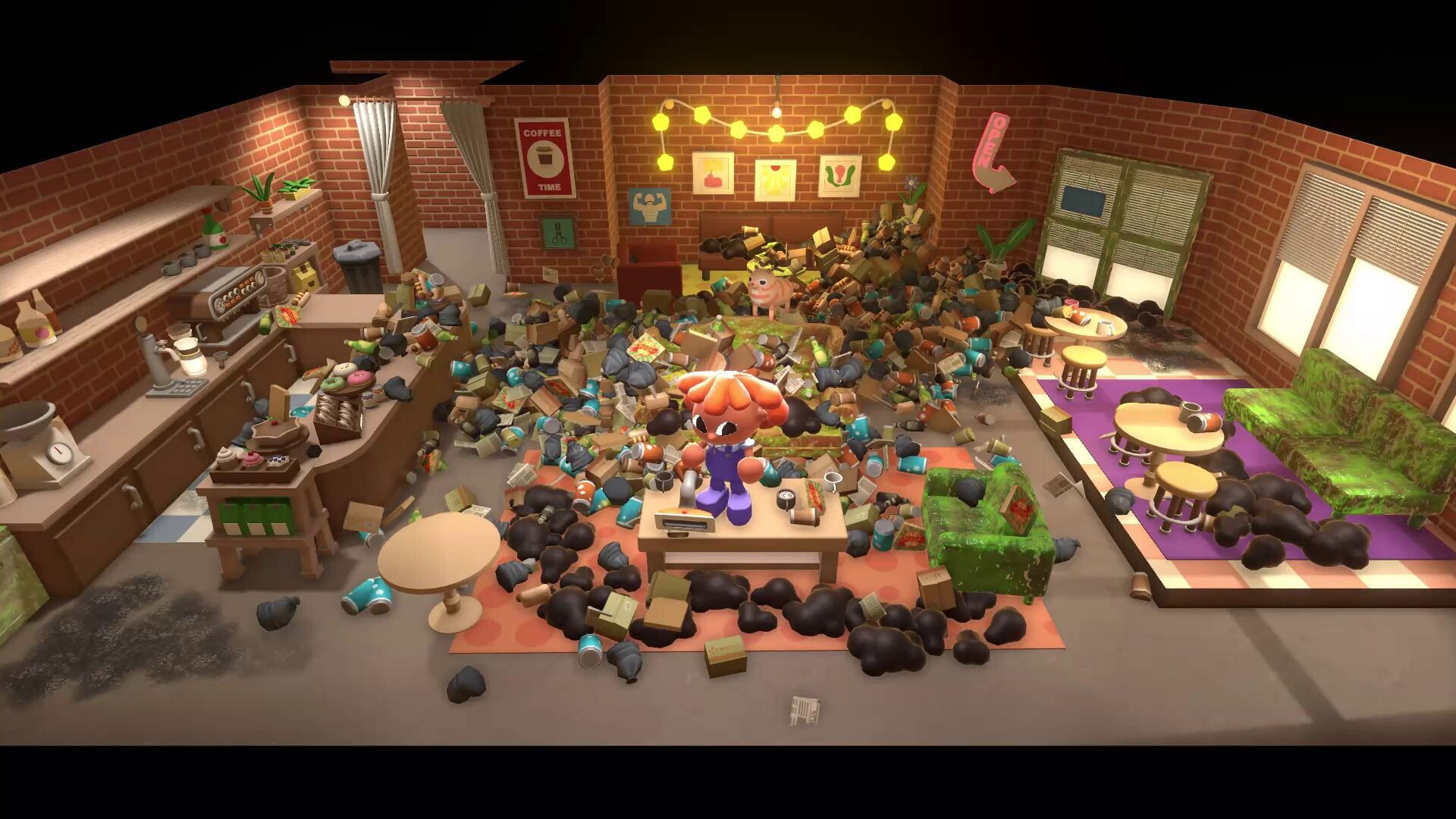
Cleaning Up! is built upon a deceptively simple premise. Players are dropped into various locations—ranging from cafes to schoolrooms—that have been left in a state of absolute disarray. Armed with a suite of physics-based tools, the goal is to systematically clear the area of trash and grime.
At the heart of the experience is the satisfaction of the "before and after" transition. There is a primal, psychological joy in watching a pixelated mess vanish. The game utilizes a robust physics engine to ensure that every scrap of paper, every piece of debris, and every puddle behaves in a way that feels tactile. The primary tool, a vacuum, serves as the player’s bread and butter; it gobbles up smaller debris and requires periodic emptying into disposal units. This loop of collecting, managing capacity, and dumping provides a rhythmic flow that keeps the gameplay loop from becoming stagnant.
A Growing Arsenal: Tools of the Trade
As the player progresses through the game’s various stages, the complexity of the messes increases, necessitating a more specialized toolkit. The developers have clearly put thought into the progression system, ensuring that each new item introduced feels like a meaningful upgrade.
- The Broom: Essential for gathering stubborn, sticky, or clumped piles of black goo, the broom allows players to consolidate messes before bringing in the heavy-duty vacuum.
- The Mop: When liquids are involved, the vacuum simply won’t cut it. The mop is the go-to tool for sanitizing surfaces, adding a layer of visual feedback as players scrub away layers of grime.
- The Power Washer: Perhaps the most "gamified" tool, the power washer is used to tackle heavy-duty stains on furniture and, surprisingly, to water plants. The inclusion of the power washer is a nod to the popularity of power-washing simulation games, but here it serves a dual purpose as both a cleaning and a decorative tool.
- The Scent Sprayer: This is arguably the game’s most experimental tool. While it doesn’t physically remove debris, it addresses the "smell" of the environment. It is a quirky, slightly abstract addition that adds to the game’s overall humorous tone, though it remains the most challenging mechanic to master.
Crucially, Cleaning Up! eschews the stress of a ticking clock. There are no time limits. The developers have opted for a "completion-based" progression model, where the player is guided by a progress bar at the top of the screen. This design choice highlights a shift toward "cozy gaming," where the objective is relaxation and accomplishment rather than speed and reflexes.
Chronology of Challenges: The Evolution of Level Design
The true brilliance of Cleaning Up! lies in how it iterates on its basic loop. The levels are not merely static rooms to be emptied; they are puzzle boxes that require the player to navigate obstacles.
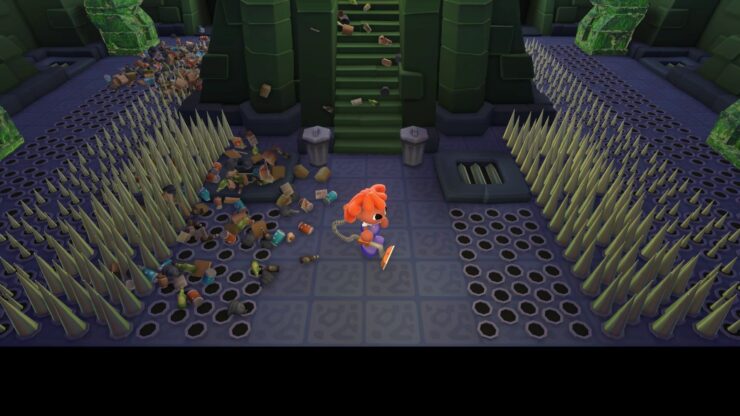
In the early stages, the challenges are straightforward—vacuuming trash while navigating around simple furniture. However, the game quickly introduces "environmental hazards" that complicate the janitorial process. For instance, some levels contain ghosts that must be avoided, forcing the player to time their cleaning sessions carefully. Other stages feature cats that react poorly to the power washer, or zombies that must be physically pushed back into their resting places before the area can be deemed clean.
One particularly memorable level introduced the concept of "dangerous packages." These items appeared as standard trash, but vacuuming them up resulted in negative consequences. This forced a change in playstyle: instead of mindlessly cleaning everything in sight, the player had to exercise discernment. While some players—myself included—initially struggled with this mechanic, it served as a welcome pivot that kept the gameplay from becoming entirely repetitive.
The Humorous Undercurrent: AI Companions and Absurdist Dialogue
Cleaning Up! does not take itself too seriously, and this is its greatest strength. The game is punctuated by witty dialogue and a persistent, sarcastic AI sidekick in the form of a sponge. This character, which feels like a satirical nod to the infamous office-clippy assistants of the 1990s, frequently makes jokes at its own expense.
The setup for each mission is equally absurd. Characters will exclaim in horror, "This is a CAFE full of TRASH!" with a dramatic flair that frames the mundane task of cleaning as a Herculean effort. This juxtaposition of high-stakes dialogue and low-stakes cleaning creates a charming, "silly" atmosphere that makes the game feel like a lighthearted romp rather than a simulation of actual work.
Customization and Progression: The Frog Hat Factor
Between missions, players are granted access to a shop where they can spend their hard-earned in-game currency. The progression path here is twofold. First, players can upgrade their tools to increase efficiency—a necessity as the volume of trash increases in later levels. Second, the game offers cosmetic customization, most notably the ability to purchase "frog hats" and other whimsical accessories for the main character.
These cosmetic additions, while entirely optional, provide a sense of ownership over the player character. They serve as a reward for the diligent cleaner, adding a layer of personality to the experience that elevates it beyond a simple puzzle game.
Implications: The Future of "Satisfying" Gaming
While Cleaning Up! is a highly polished and enjoyable experience, there is one minor criticism regarding its pacing: the introduction of new mechanics. The game frequently presents a unique tool or a specialized challenge and then abandons it, failing to build upon those systems in later stages.
This "one-and-done" approach to level design is a missed opportunity for increasing difficulty. A more iterative approach, where hazards and tools are combined to create increasingly complex scenarios, could have provided a steeper and more rewarding learning curve. However, when viewed through the lens of a casual, "feel-good" experience, this design choice makes sense. It ensures that the player is constantly being surprised by new content rather than being bogged down by a repetitive, escalating difficulty spike.
Conclusion: A Worthy Addition to the Genre
Cleaning Up! is a testament to the fact that you don’t need high-octane action to create a compelling gaming experience. By leaning into the humor of the situation and focusing on the tactile satisfaction of cleaning, the developers have crafted a game that is both relaxing and genuinely entertaining.
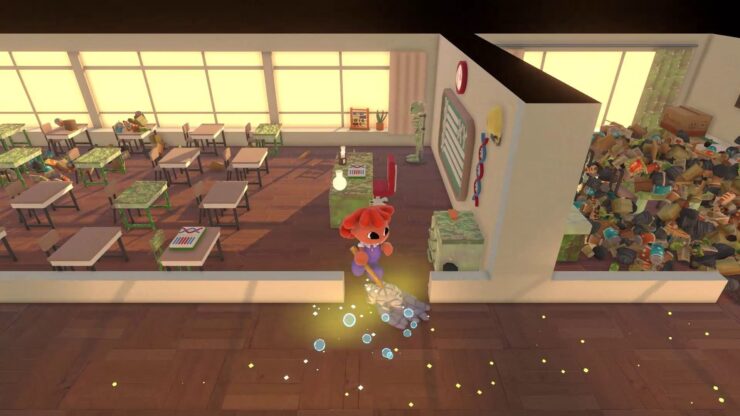
Whether you are a fan of simulation games or simply someone looking for a way to unwind after a long day, Cleaning Up! offers a unique brand of joy. It turns the mundane into the magical, proving that even a virtual room full of trash can be a source of immense satisfaction when you have the right tools—and perhaps a stylish frog hat—to get the job done.
Cleaning Up! is available now on the Nintendo eShop and Steam. It is a must-play for anyone who finds peace in order and humor in the absurd.


 Jia Lissa
 Azzam Bilal Chamdy