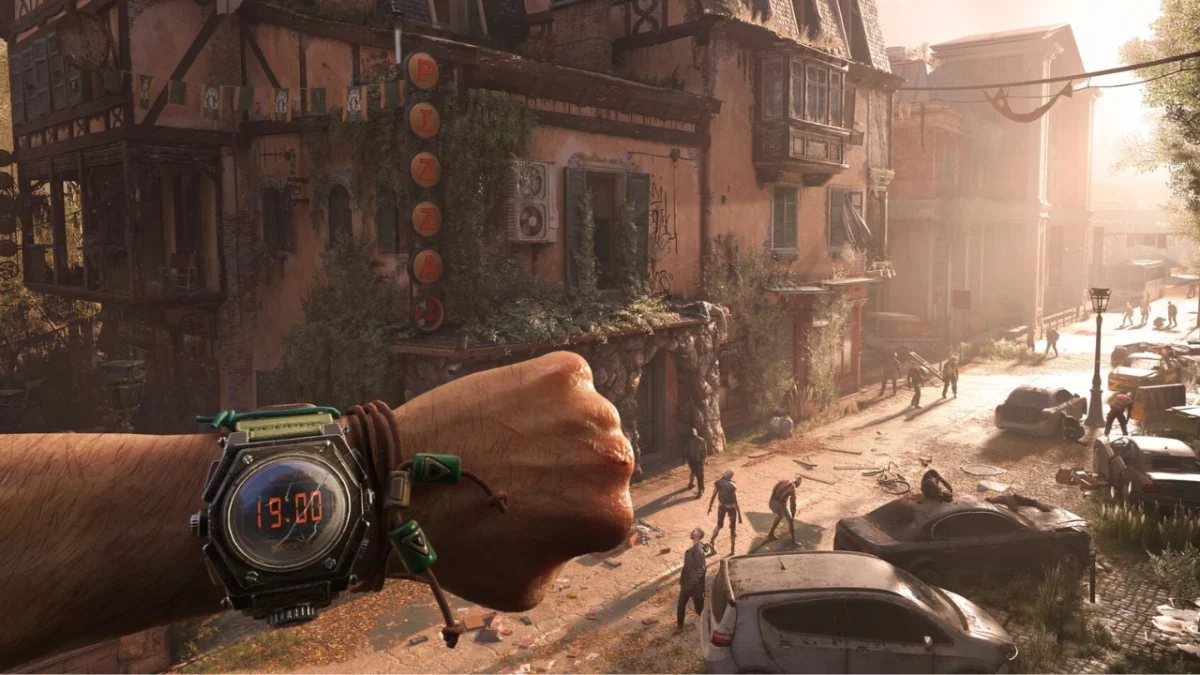
In a development that signals the accelerating sunset of the eighth console generation, Polish developer Techland has officially confirmed that Dying Light: The Beast will no longer be released on the PlayStation 4 or Xbox One. The announcement, shared via the official Dying Light X (formerly Twitter) account, marks a significant pivot in the project’s scope, as the studio prioritizes technical fidelity over cross-generational accessibility.
Originally conceived as a narrative-driven expansion for Dying Light 2: Stay Human, The Beast has undergone a dramatic evolution since its inception. What began as a DLC project eventually blossomed into a standalone title, promising to bring back iconic franchise protagonist Kyle Crane. While the game remains firmly on the development roadmap for PlayStation 5, Xbox Series X/S, and PC, the decision to drop support for older hardware has reignited a heated industry-wide debate regarding the cost of entry for modern gaming.
A Chronology of Development: From DLC to Standalone Ambition
To understand why this cancellation carries such weight, one must look at the trajectory of the Dying Light franchise over the last few years. Following the 2022 release of Dying Light 2, Techland committed to a multi-year post-launch support plan.
- 2022: Dying Light 2 launches to a wide audience, utilizing a proprietary engine designed to scale across both the aging hardware of the PS4/Xbox One era and the then-fledgling PS5/Xbox Series consoles.
- 2024: Techland announces Dying Light: The Beast, initially framed as a significant story expansion that would bridge the gap between the events of the first game and the sequel.
- Late 2024 – Early 2025: As development on The Beast accelerated, the scope of the project began to exceed the limitations of the DLC format. The team opted to transition it into a full standalone game, allowing for a more focused, refined experience featuring the return of fan-favorite Kyle Crane.
- July 2026: Techland issues the definitive statement confirming that, despite earlier intentions to maintain parity, the "technical realities" of the project have made last-gen ports unfeasible.
This transition from an add-on to a standalone title is often a double-edged sword. While it allows developers the freedom to implement more complex game mechanics, it frequently necessitates a departure from the "lowest common denominator" approach that cross-gen development requires.
The Technical Justification: Why Last-Gen Couldn’t Keep Up
Techland’s statement was candid regarding the specific technical hurdles they encountered. The studio noted that The Beast was "built from the ground up to take full advantage of current-generation hardware."
The "Bottleneck" Problem
The primary constraints cited by the studio center on three pillars of modern game design:
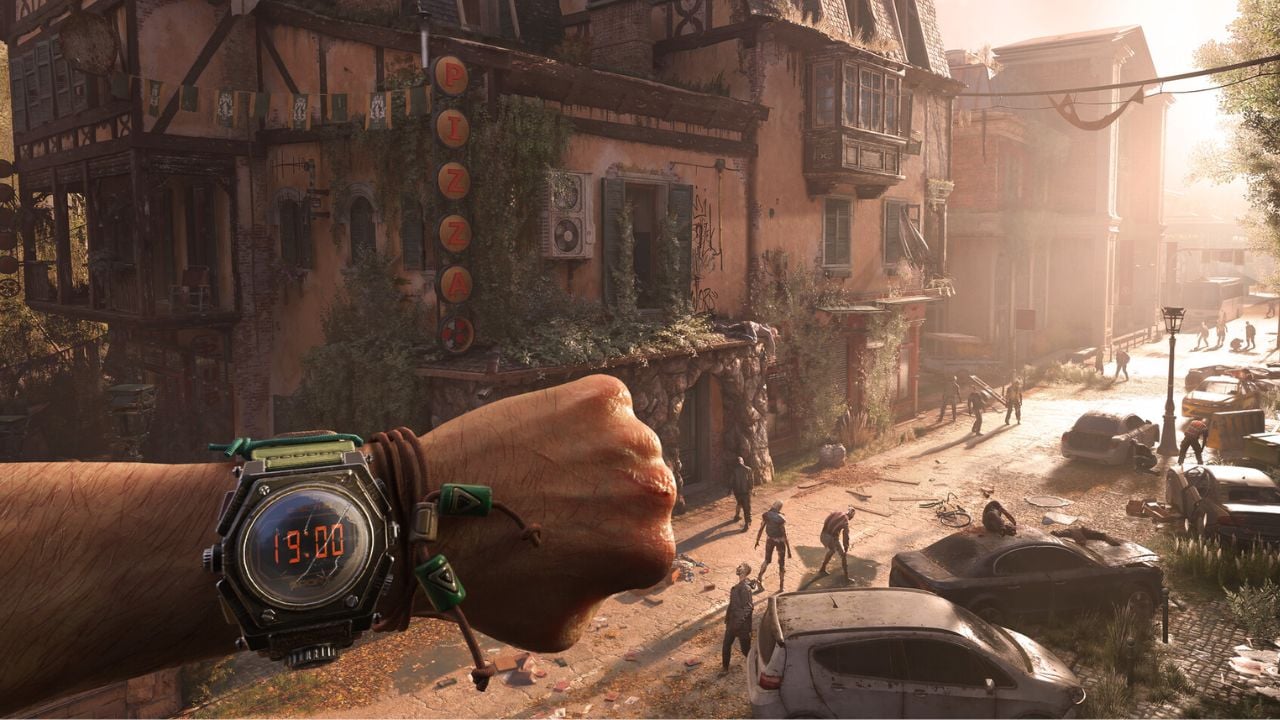
- Open World Density: Modern game design often relies on complex asset streaming. Older consoles, which rely on mechanical Hard Disk Drives (HDDs) rather than the high-speed Solid State Drives (SSDs) found in current-gen systems, struggle to load the high-fidelity environments required for modern parkour and traversal.
- Advanced Visuals: Modern rendering techniques—such as Ray Tracing, global illumination, and sophisticated particle effects—require a level of GPU overhead that the Jaguar-based CPUs of the PS4 and Xbox One simply cannot accommodate without severe degradation in frame rates or resolution.
- Fluid Combat and Traversal: The hallmark of the Dying Light series is its kinetic, high-speed movement. Techland noted that the processing power required to maintain consistent, high-frame-rate combat while traversing an expansive, physics-heavy map is fundamentally incompatible with the memory limitations of the 2013-era hardware.
"As development progressed, it became clear that bringing the game to those platforms would require compromises that would prevent us from delivering the experience we set out to create," the studio stated. They were clear that this was not a marketing decision, but a necessity to ensure the quality of the final product.
The Economic Implications: Gaming’s "Hidden" Tax
The cancellation of Dying Light: The Beast for last-gen hardware hits a particularly raw nerve in the gaming community. It occurs against a backdrop of rising costs for both hardware and software.
The Cost of the Current Gen
The PlayStation 5 and Xbox Series X/S are now over five years into their lifecycle, yet they have not experienced the traditional price drops that characterized previous console generations. In several global markets, consumers have even faced price increases for hardware and subscription services like PlayStation Plus.
For the average consumer, this presents a "hidden tax." A player who invested in an Xbox One or PS4 with the expectation that they would be supported for a reasonable timeframe now finds themselves forced to spend hundreds of dollars on new hardware just to access the latest software.
The Refund Policy
In an attempt to mitigate the backlash, Techland has implemented a customer-first approach, promising that "anyone who was expecting to play on either platform will be eligible for a refund." While this protects the consumer financially, it does not address the underlying frustration of fans who are effectively being "priced out" of their favorite franchises.
Industry Trends: The End of the Cross-Gen Era
The decision by Techland is part of a larger, irreversible trend in the video game industry. For several years, publishers were incentivized to release games on as many platforms as possible to recoup the ballooning costs of AAA development. However, we are now entering a phase where the "cross-gen" bridge is collapsing.
Why Developers Are Cutting Ties
- Development Efficiency: Maintaining a single codebase that runs on modern hardware is significantly cheaper and faster than optimizing for a legacy machine that lacks modern memory bandwidth.
- Creative Vision: Developers are increasingly pushing for larger, more reactive worlds. When a game is tethered to a 2013-era CPU, the AI density, map scale, and physics simulations are often scaled back across all versions to ensure stability. By cutting the cord, studios like Techland can finally push the "current-gen" hardware to its true potential.
- The "Legacy" Burden: Supporting older consoles requires significant quality assurance (QA) and maintenance. As a studio focuses on long-term live service or post-launch content, the cost of maintaining these legacy versions often outweighs the potential revenue they generate.
The Road Ahead for ‘Dying Light’
Despite the disappointment surrounding the cancellation, the anticipation for Dying Light: The Beast remains high. The return of Kyle Crane, combined with the promise of more refined parkour and combat mechanics, suggests that the game is positioning itself to be a significant entry in the franchise.
For Techland, the focus now shifts entirely to the PS5, Xbox Series X/S, and PC versions. The studio has expressed their "sincere apologies" to those impacted, but they are clearly betting that the technical leap—and the resulting high-quality experience—will eventually win back the trust of the player base.
What This Means for the Future
The cancellation of The Beast on older consoles is a reminder that we have officially moved into a new era of gaming. While the nostalgia and accessibility of the PS4 and Xbox One era were remarkable, the industry is moving toward a future defined by high-fidelity streaming, complex physics, and denser open worlds that simply cannot exist on the hardware of yesteryear.
Gamers are now faced with a stark reality: the barrier to entry for the next generation of experiences is higher than ever. As developers continue to abandon last-gen support, the "current-gen" consoles will finally begin to show what they are truly capable of—even if it comes at the cost of alienating a portion of the long-term player base.
Techland’s move is a definitive signal that the "compromise era" of gaming is over. From here on out, the focus is squarely on the hardware of today, for the games of tomorrow.