Lina Hope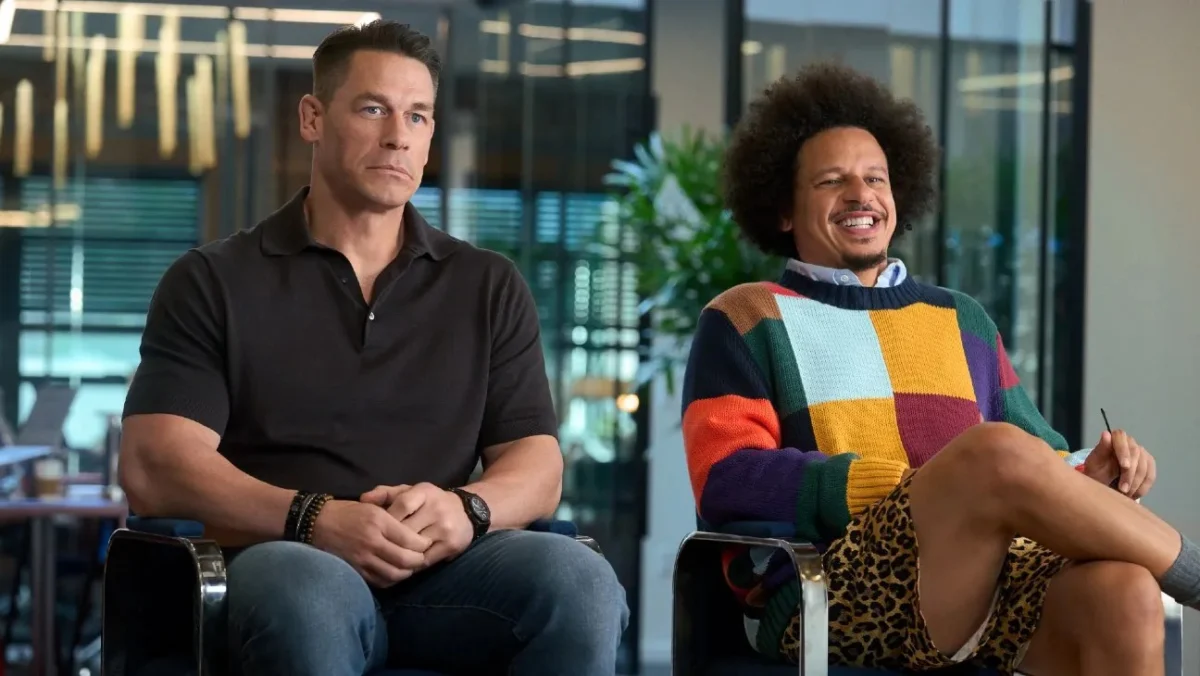
In the rapidly shifting landscape of streaming cinema, few performers have navigated the transition from professional wrestling to mainstream comedy with as much self-deprecating zeal as John Cena. With the release of his latest project, Netflix’s Little Brother, directed by Matt Spicer (Ingrid Goes West), Cena once again proves his willingness to dismantle his own "larger-than-life" physique for the sake of a punchline. The film, which hits the platform on June 26, is a frantic, high-concept comedy that asks: how much chaos can one man endure before his carefully constructed life falls apart?
Main Facts: A Study in Controlled Chaos
Little Brother centers on the uneasy, high-stakes dynamic between Rudd Landy (Cena), an uptight real estate professional, and Marcus Pinchel (Eric André), a man suffering from what the film whimsically labels "Destructive Moron Syndrome."
The premise is deceptively simple: Marcus, having briefly been mentored by Rudd decades ago through a Big Brother program, takes a polite, dismissive "hit me up" email as a binding contract to move into Rudd’s home. The ensuing narrative is a classic "agent of chaos" comedy—a sub-genre that relies on the friction between a rigid, status-obsessed protagonist and an unstoppable force of nature.
For fans of Cena’s recent output, the film feels like a culmination of his post-WWE career. Whether he is playing the straight man or the absolute buffoon, Cena has successfully carved out a niche where he leverages his physical presence—often meant to intimidate—to underscore his character’s insecurities. In Little Brother, that insecurity is tied to his desperate, failing attempt to land a spot on a Bravo-style reality show, NYC Hustlers.
Chronology of a Comedy: From Mentorship to Meltdown
The narrative arc of Little Brother is defined by a series of escalating miscalculations. The story begins with Marcus escaping a psychiatric facility, fueled by a singular, misguided devotion to his "big brother" mentor.
- The Inciting Incident: Marcus interprets Rudd’s long-forgotten professional courtesy as a literal invitation for cohabitation.
- The Vehicular Introduction: Before even reaching the residence, Marcus is struck by a vehicle—a moment that establishes the film’s penchant for physical, slapstick-heavy humor.
- The Domestic Intrusion: Marcus settles into the home of Rudd and his wife, Deirdre (Michelle Monaghan), who is portrayed as the epitome of saintly patience.
- The Reality TV Gambit: Parallel to the domestic chaos, Rudd is auditioning for NYC Hustlers, a reality show that aims to document his professional life. The show’s producers, played by Ego Nwodim and Caleb Hearon, serve as the cynical arbiters of Rudd’s public image, constantly framing him as the "insecure brother" to his vastly more successful sibling, Josh (Christopher Meloni).
- The Climax of Indignity: The film hits its absurdist peak when Rudd’s professional aspirations are constantly thwarted by Marcus’s unpredictable behavior, culminating in sequences of extreme physical comedy—including an unforgettable incident on a suburban New Jersey roadside involving a very public, very compromising act.
Supporting Data: The Cena Comedy Blueprint
John Cena’s filmography since 2020 has been a testament to his versatility. Unlike many of his contemporaries who stick to "action-hero" archetypes, Cena has actively sought out projects that subvert his image.

| Film | Role Archetype | Key Comedic Element |
|---|---|---|
| Ricky Stanicky | The Shapeshifter | Dirty, high-concept absurdity |
| Argylle | The Action Parody | Self-aware, deadpan performance |
| Jackpot! | The Protector | Physical slapstick |
| Little Brother | The Straight Man | Desperate, status-driven insecurity |
As noted in the film’s reception, the chemistry between Cena and Eric André is the movie’s strongest asset. André, known for his own brand of "controlled chaos" on The Eric André Show, provides the perfect foil for Cena’s stiff, neurotic Rudd. While the script by Jarrad Paul and Andrew Mogel leans into familiar tropes, it is the interplay between the two leads that elevates the film above the standard streaming fare.
Official Perspectives and Behind-the-Scenes Insights
Director Matt Spicer brings a "literate sense of humor" to the project, balancing the high-concept madness with a grounded look at the modern performance of identity. By utilizing the NYC Hustlers reality show as a framing device, Spicer explores how social media and reality television have forced individuals to curate "perfect" lives, only to have those facades shattered by the messy reality of human connection.
The supporting cast, particularly Christopher Meloni, provides the necessary antagonism to keep the plot moving. Meloni’s portrayal of the "hottest billionaire property owner/DJ" creates a tangible, agonizing sense of inferiority in Rudd, driving the character’s motivation throughout the film.
However, the production is not without its criticisms. Observers have noted that the film feels "plotted to the hilt," suggesting that the editing may have been too aggressive, leaving the audience wanting more room for the characters to breathe. The chemistry between the two leads is so potent that many critics have argued the film would have benefited from fewer plot mechanics and more unscripted-feeling interactions.
Implications: The Future of the "Streaming Comedy"
The success of Little Brother—and its place in the broader Netflix ecosystem—speaks to a larger trend in the industry. Streaming platforms are currently favoring high-efficiency, "no-frills" comedies that rely on star power and a brisk pace to maintain viewer retention.
For John Cena, the implications are clear: he has become the "final boss" of the streaming comedy landscape. His willingness to commit to the bit—whether it’s a gross-out gag or a moment of total vulnerability—has made him an indispensable asset for studios.

However, there is a cautionary note to be found in the blooper reels of Little Brother. The outtakes, which feature bits that were ultimately cut from the final edit, suggest a wealth of comedic potential that remained untapped. As the film industry continues to optimize for brevity and pacing, there is a risk that the most organic, character-driven moments of such films are being left on the cutting room floor.
A Critical Verdict
Little Brother arrives as a refreshing, albeit flawed, addition to the genre. It is a movie that knows exactly what it is: a vehicle for two talented comedic forces to collide in the most ridiculous way possible. While it may not revolutionize the genre, it provides a masterclass in how to effectively utilize a star of Cena’s magnitude.
If the film serves as any indication, the future of the "streaming comedy" will continue to be a blend of the shockingly stupid and the surprisingly sweet. For the audience, the result is a viewing experience that—despite its narrative shortcomings—leaves them wanting just a little bit more.
Grade: C+
Little Brother will be available to stream on Netflix starting Friday, June 26.


 Ali Ikhwan
 Suro Senen