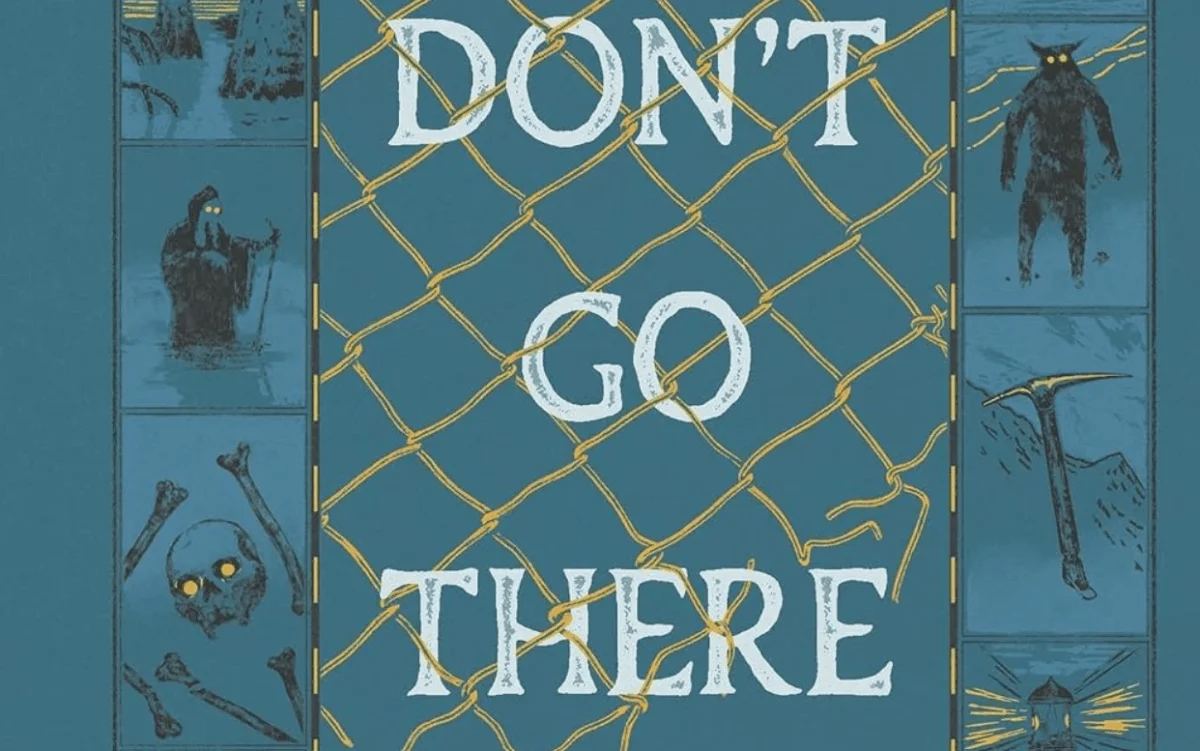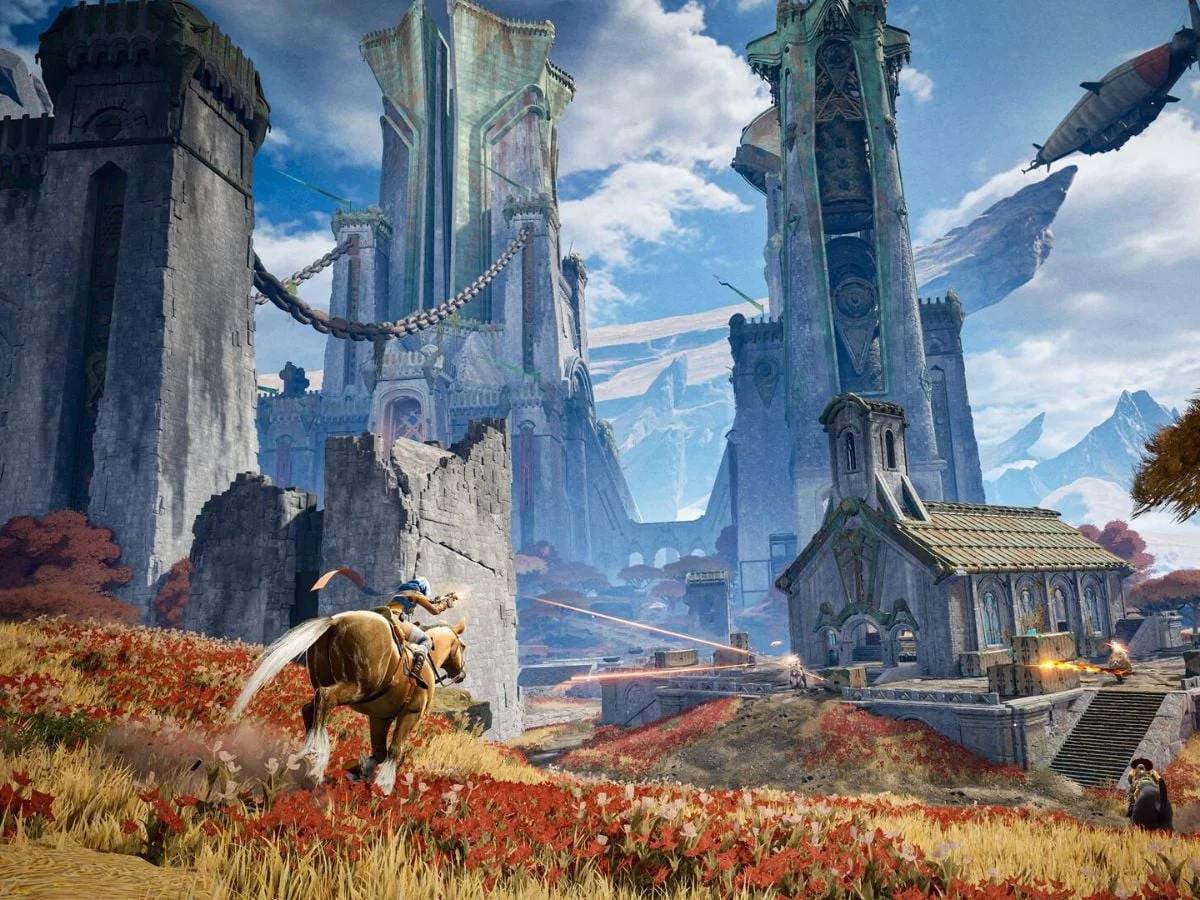
The growing "Stop Killing Games" movement, which seeks to legally challenge the industry-wide practice of rendering video games unplayable by shutting down servers, has encountered a significant legislative roadblock. The "Protect Our Games Act," a bill intended to safeguard consumer rights against the permanent decommissioning of digital software, has failed to pass a critical California State Senate committee vote.
Despite an impressive initial surge of momentum that saw the bill breeze through the Assembly with a decisive 43-16 vote, the legislative reality in the State Senate proved far more unforgiving. This defeat marks a major inflection point for a movement that, until now, had relied almost exclusively on grassroots organization and public sentiment rather than traditional political lobbying.
A Chronology of the Struggle
The "Stop Killing Games" movement emerged from a wave of consumer frustration surrounding the arbitrary termination of live-service titles. Players grew increasingly vocal about the lack of recourse when developers and publishers unilaterally pulled the plug on games, effectively turning paid software into "digital waste."
The Legislative Path
- The Assembly Triumph: Last month, California Assemblyman Chris Ward introduced the legislation, aiming to ensure that when developers abandon a game, they must provide the means for the community to continue playing it—essentially requiring offline modes or the ability to host private servers. The bill saw surprising success, clearing the Assembly with a 43-16 majority.
- The Senate Standoff: Moving to the Senate, the bill faced a committee vote that ultimately resulted in failure. According to organizers, the vote was 4 in favor, 3 opposed, with a significant number of members choosing to abstain.
- The Procedural Loss: In the context of committee proceedings, abstentions are functionally equivalent to "no" votes. Because a bill requires an affirmative majority to advance, the failure to secure those extra votes effectively killed the legislation for the current session.
Understanding the "Stop Killing Games" Philosophy
At its core, the movement argues that video games are cultural products that deserve the same preservation standards as film, literature, or music. When a company shuts down a server for a game that cannot be played offline, they are effectively deleting a piece of history and reclaiming a product that a consumer purchased under the assumption of long-term utility.
The movement’s volunteer organizers have been remarkably transparent about their operational constraints. Running entirely on a "zero-dollar" budget, the campaign relied on a network of volunteers, digital outreach, and public testimonies. Their success in getting the bill through the Assembly—despite the complete absence of paid lobbyists—is being viewed by proponents as a testament to the strength of their cause.
Industry Opposition and the Lobbying War
The failure of the Protect Our Games Act in the Senate was not solely a result of legislative apathy; it was, according to proponents, a direct result of an aggressive lobbying campaign by the Entertainment Software Association (ESA).
Claims of Misinformation
The movement has leveled serious allegations against the industry lobby, claiming that opponents of the bill spread misleading information to sway undecided senators. A primary point of contention involves the feasibility of private servers. Organizers allege that lobbyists suggested that mandating support for community-run servers would somehow render titles like Minecraft—which relies heavily on such servers—illegal or technically impossible to maintain under the new regulation.
Proponents of the bill categorize these claims as "flatly false," arguing that the industry is misrepresenting the bill’s requirements to protect their ability to cycle through games as "disposable" products. The discrepancy between the bill’s actual text and the industry’s characterization of it served as a primary talking point for those opposing the regulation.
Implications for Consumer Rights and Game Preservation
The defeat of this bill carries profound implications for the future of digital ownership. If the precedent holds that publishers have the absolute right to deactivate software at their discretion, consumers are essentially leasing access rather than owning products.
The "Digital Waste" Crisis
The movement highlights a growing trend in the gaming industry: the "live service" model. While this model allows for constant updates and community engagement, it inherently creates a "kill switch" controlled by the publisher. When a game’s profitability wanes, the company can disable the servers, leaving the consumer with a useless library of files.
Future Strategy: The Road to 2026
Despite the setback, organizers are not backing down. The sentiment among the core team is one of "reloading" rather than retreating. The next legislative cycle is already being planned with a more robust strategy:
- In-Person Lobbying: Moving beyond emails and phone calls, the movement plans to establish a physical presence in the capital to counter industry lobbyists directly.
- Securing Funding: Recognizing that the "zero-dollar" approach has its limits in a political system driven by influence, the group is looking toward professionalizing their advocacy efforts.
- Coalition Building: They are actively seeking to sign on major gaming organizations, developer groups, and digital preservationists to provide a unified front of support for the next attempt at the legislation.
The Broader Cultural Context
This legislative battle is part of a larger global conversation. Similar initiatives have been gaining traction in the European Union, where the "Stop Killing Games" movement has gathered over 1.3 million valid signatures demanding that companies be held accountable for the lifecycle of the games they sell.

The struggle is essentially a clash of two ideologies: the publisher’s view of software as a service (which can be toggled on or off) and the consumer’s view of software as a product (which should be functional indefinitely). The failure of the California bill is a temporary victory for the "service" model, but the intensity of the debate suggests that the industry cannot ignore this issue forever.
Conclusion: A Movement in Evolution
The "Stop Killing Games" movement has transformed from an online sentiment into a legitimate political force in under a year. While the failure of the Protect Our Games Act is a stinging disappointment for activists, it has provided them with a blueprint for future success.
The committee members who abstained or voted against the bill have been placed on notice: the consumer base is organized, articulate, and increasingly willing to use the legislative process to protect their interests. As the movement prepares for the next session, they are armed with the lessons of their first defeat.
"They are going to have to work a lot harder next time," one volunteer noted, emphasizing that the movement is merely in its infancy. As the gaming industry continues to evolve, the demand for digital rights and ownership seems destined to remain at the forefront of the cultural conversation. Whether or not the legislature will catch up to these demands remains the primary challenge of the coming years.
For now, supporters are directed to the official communication channels and the California State Senate’s own archives, where full recordings of the proceedings will be made available. The fight for the longevity of digital games, it seems, has only just begun.