

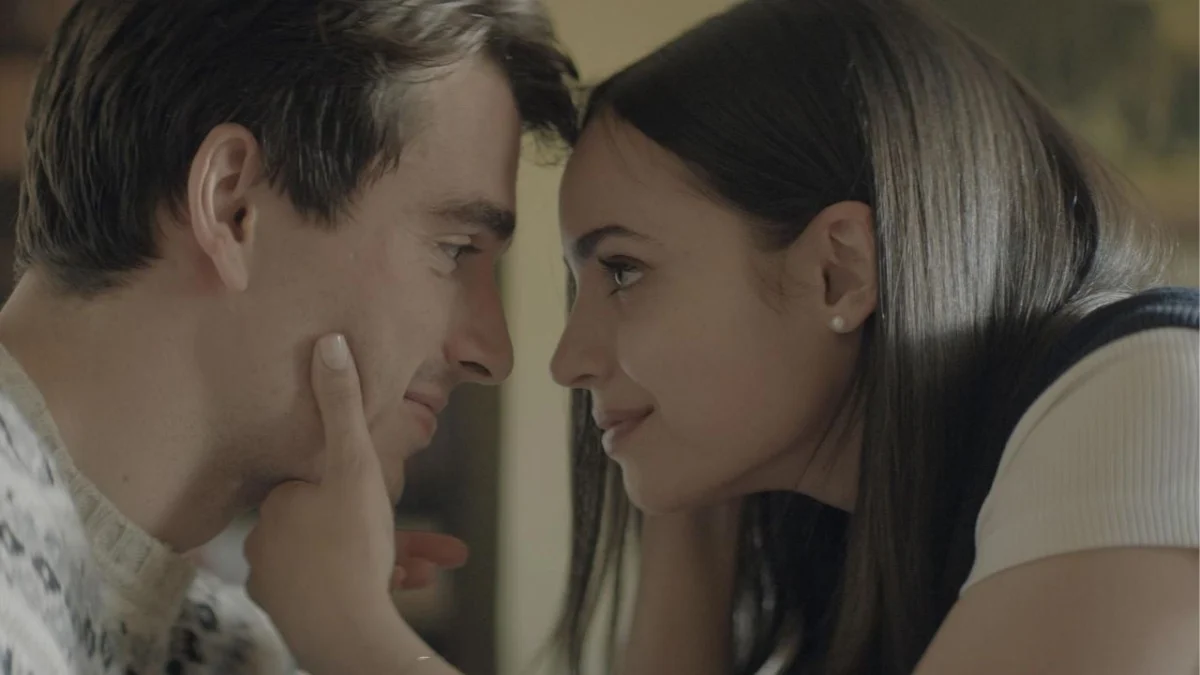
The landscape of streaming cinema in 2025 has been significantly reshaped by a singular title that blends the intellectual rigor of British academia with the emotional gravity of modern romance. Netflix’s My Oxford Year has rapidly ascended the global charts, positioning itself as a cornerstone of the platform’s "prestige romance" slate. Starring Sofia Carson and Corey Mylchreest, the film is not merely a romantic comedy but a textured drama that explores the intersection of ambition, fate, and the bittersweet nature of timing.
As audiences worldwide embrace the scenic spires of the University of Oxford, this comprehensive report delves into the production’s origins, the creative forces behind the camera, and the cultural implications of a film that has successfully bridged the gap between literary adaptation and cinematic spectacle.
I. Main Facts: A Modern Classic in the Making
My Oxford Year serves as a high-profile adaptation of Julia Whelan’s 2018 bestselling novel. However, the project’s history is unique in Hollywood circles; the story actually began as an original screenplay by Allison Burnett before being novelized by Whelan and eventually returning to the screen. The 2025 film version is directed by Iain Morris, best known for his work on The Inbetweeners, though here he pivots toward a more poignant and visually lush directorial style.
The Core Narrative
The story follows Anna (played by Sofia Carson), an ambitious American Rhodes Scholar who arrives at the University of Oxford with her life meticulously planned. Her goal is simple: survive a year of rigorous study, maintain her political trajectory back in the United States, and leave with her heart and career goals intact. However, these plans are upended when she meets a charming yet standoffish local, Jamie (Corey Mylchreest), who challenges her worldview. The film shifts from a traditional "fish-out-of-water" tale into a profound exploration of "intentional living" when a life-altering secret forces the protagonists to confront the fragility of the future.
Production Pedigree
Produced by Temple Hill Entertainment—the powerhouse behind teen and young adult staples like The Fault in Our Stars and Twilight—the film carries a specific emotional weight. The involvement of producers Laura Quicksilver and George Berman ensured that the film maintained the "smart-romance" aesthetic that has become a hallmark of successful 21st-century adaptations.
II. Chronology: From Script to Screen
The journey of My Oxford Year is a testament to the enduring power of a well-told story. To understand its 2025 success, one must look at the timeline of its development:
- The Original Screenplay (Pre-2018): Allison Burnett penned the original script, which caught the attention of literary agents. Due to the complexities of film development, the story was first licensed to be written as a novel.
- The Literary Phenomenon (2018): Julia Whelan’s novelization was released to critical acclaim. It became a staple of "BookTok" and "BookTube" communities, building a massive, dedicated fanbase that would later become the core audience for the Netflix film.
- Netflix Acquisition and Casting (2023–2024): Recognizing the "Sofia Carson effect"—following the massive success of her previous Netflix hit Purple Hearts—the streaming giant greenlit the project. The casting of Corey Mylchreest in early 2024, following his breakout performance in Queen Charlotte: A Bridgerton Story, solidified the film’s "must-watch" status.
- Principal Photography (September 2024): Filming commenced on location in England. Unlike many productions that use sets to replicate historic universities, the production team secured rare access to the heart of Oxford.
- Global Release (2025): The film premiered on Netflix, immediately trending in over 80 countries and sparking a resurgence in "Dark Academia" fashion and travel interest in Oxford.
III. Supporting Data: The Architecture of a Hit
The success of My Oxford Year can be attributed to several data-driven and artistic factors, from its casting choices to its authentic use of location.
1. The "Carson-Mylchreest" Synergy
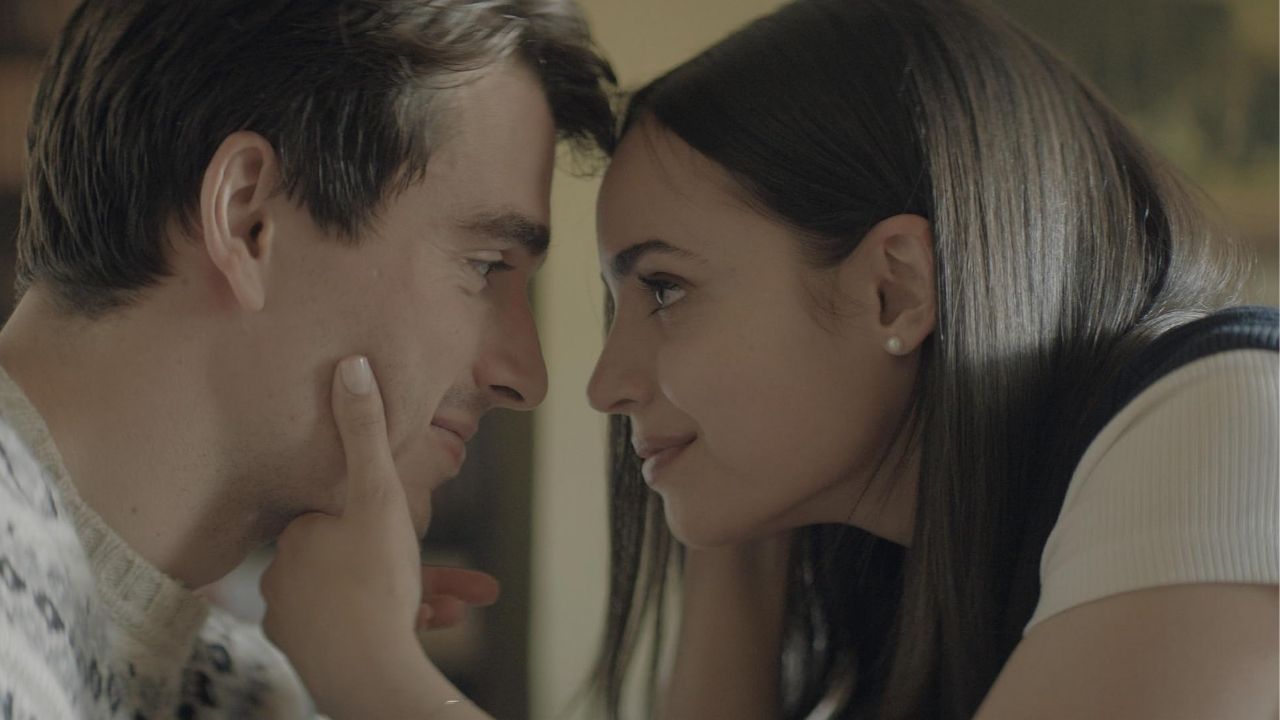
Sofia Carson has proven to be one of Netflix’s most bankable stars. Her ability to portray vulnerability masked by professional ambition resonates with a demographic of young professionals. Conversely, Corey Mylchreest brings a "Byronic hero" quality that appealed to fans of period dramas, effectively blending the worlds of contemporary romance and classic British literature.
2. A Stellar Supporting Ensemble
The film’s depth is bolstered by a cast that bridges the gap between rising stars and veteran performers:
- Dougray Scott and Catherine McCormack: Bringing gravitas to the film, these seasoned actors provide the emotional anchoring necessary for the story’s more somber second half.
- Harry Trevaldwyn and Hugh Coles: Providing the essential British wit, these actors ensure the film maintains a "rom-com" levity in its opening acts.
- The Academic Setting: The film features notable appearances by Barney Harris and Romina Cocca, who round out a diverse student body that reflects the modern reality of Oxford’s international community.
3. Location as a Character
The production’s commitment to authenticity involved filming at several iconic sites:
- The Bodleian Library: One of the oldest libraries in Europe, providing a sense of timelessness.
- Magdalen College & St Hugh’s College: These locations offered the "dreaming spires" aesthetic that fans of the book expected.
- Windsor: Used for off-campus scenes, providing a contrast between the insular world of the university and the broader British landscape.
4. Genre Blending
Data from streaming analytics suggest that "hybrid genres" perform best in the current market. My Oxford Year begins as a romantic comedy (the "meet-cute," the cultural clashes) but transitions into a reflective drama. This "textured viewing experience" keeps audiences engaged longer than formulaic narratives.
IV. Official Responses and Production Insights
The creative team behind My Oxford Year has been vocal about the intentions behind the film. In various press junkets and production notes, the focus remained on "emotional honesty."
Director Iain Morris noted in a production interview that his goal was to capture the "electric atmosphere of Oxford." He stated, "There is a specific kind of pressure that comes with being at a place like Oxford. It’s a mixture of immense privilege and immense anxiety. We wanted Anna’s journey to feel grounded in that reality, not just a postcard version of England."
Sofia Carson, who also serves as a creative force on many of her projects, highlighted the importance of the story’s message. "It’s a story about the choices we make when we realize time isn’t infinite," Carson remarked during the film’s promotional tour. "Anna is a character many women will recognize—someone who thinks they can schedule their way through life until they meet someone who makes them want to stop the clock."
Temple Hill Entertainment representatives emphasized that the film was designed to fill a void in the market for "smart romances." They pointed to the script’s intellectual dialogue—referencing literature, poetry, and politics—as a key differentiator from other streaming romances.
V. Implications: The Future of Streaming Romance
The massive success of My Oxford Year carries several implications for the film industry and Netflix’s content strategy moving forward.

1. The Rise of "Smart Romance"
The film’s success suggests a shift away from "disposable" rom-coms toward films with higher production values and more complex themes. By integrating academic rigor and philosophical questions about "intentional living," Netflix is attracting an older, more discerning audience while retaining the younger demographic.
2. The "Book-to-Screen" Pipeline
My Oxford Year reinforces the power of the "BookTok" community. Publishers and streamers are increasingly looking at titles that have already established a visual and emotional shorthand with readers. The film’s ability to satisfy both fans of Julia Whelan’s novel and newcomers suggests a blueprint for future adaptations.
3. Boosting the "Dark Academia" Trend
The film has already had a measurable impact on lifestyle trends. Search interest in "Oxford University tours," "Academic fashion," and "Rhodes Scholarships" saw a significant uptick following the film’s release. This "halo effect" demonstrates how streaming content now drives consumer behavior beyond the screen.
4. Career Trajectories for the Leads
For Corey Mylchreest, My Oxford Year confirms his status as a leading man in contemporary settings, moving him beyond the "period piece" niche. For Sofia Carson, it further cements her relationship with Netflix as a premier talent capable of carrying high-concept dramas.
Conclusion: Why ‘My Oxford Year’ Resonates
My Oxford Year is more than a seasonal hit; it is a meticulously crafted film that respects its audience’s intelligence. By balancing the escapism of a British university setting with the harsh realities of personal sacrifice, the film achieves a rare emotional resonance.
As viewers continue to flock to the platform to witness Anna and Jamie’s journey, the film stands as a reminder that the most compelling stories are often those that force us to look at our own lives. Whether it is the stunning cinematography of the Bodleian Library or the palpable chemistry between Carson and Mylchreest, My Oxford Year has earned its place as a modern staple of the romantic drama genre. For those seeking a story that offers both a "cozy" aesthetic and a "heart-wrenching" narrative, the hallowed halls of Oxford have never looked more inviting.











No comments yet. Be the first to join the conversation!