Basiran
In the landscape of modern Japanese game development, few studios have cultivated a visual and mechanical signature as recognizable as Team Asano. Renowned for their "HD-2D" aesthetic—a stunning marriage of retro-inspired pixel art and sophisticated lighting effects—the team has spent years defining the modern turn-based RPG through titles like Octopath Traveler and Bravely Default. However, with the release of The Adventures of Elliot: The Millennium Tales, Team Asano, alongside Square Enix and Clay Tech Works, has taken a bold, genre-defying leap into the realm of action-adventure.
Released on June 18, 2026, The Adventures of Elliot represents a departure from the calculated, menu-driven combat the studio is known for, offering instead a fluid, real-time experience that balances accessibility with surprising mechanical depth.
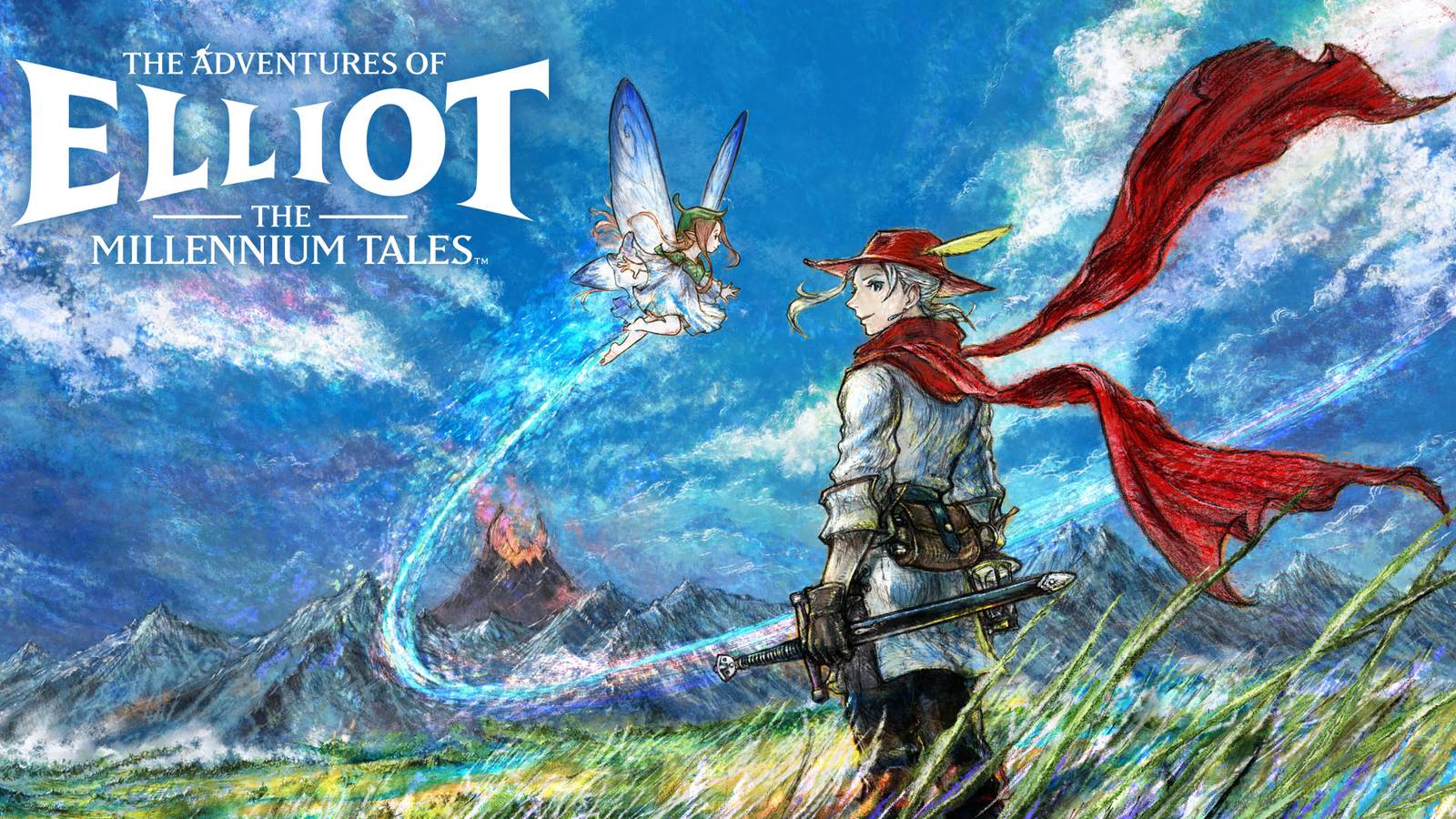
The Core Premise: A Fable Across Time
At the heart of the experience is Elliot, a young, earnest adventurer whose motivation is as grounded as it is noble: he works to sustain the orphanage he calls home. His life of odd jobs is upended when King Hichard of Huther commissions him to explore mysterious, newly discovered ruins to the west of the kingdom.
What begins as a standard quest quickly spirals into a multi-generational epic. The narrative, while intentionally reminiscent of classic fairy tales in its simplicity, carries an emotional weight that anchors the player. As a dark threat looms over the kingdom, Elliot is tasked with traveling through the "Doorway of Time," visiting four distinct eras: the Age of Safekeeping, the Age of Reconstruction, the Age of Magic, and the Age of Budding.

Throughout these periods, Elliot is accompanied by Faie, a fairy companion whose presence is essential to both the narrative and the gameplay loop. Unlike complex, sprawling epics that lose themselves in internal lore, The Adventures of Elliot focuses on the human element. Side quests are treated with a surprising level of respect, often focusing on the emotional struggles of the people Elliot encounters rather than just filling a quest log.
Chronology and Scope: Navigating the Ages
The game’s structure is divided across the four aforementioned ages, each serving as a distinct stage of development for the world of Huther.
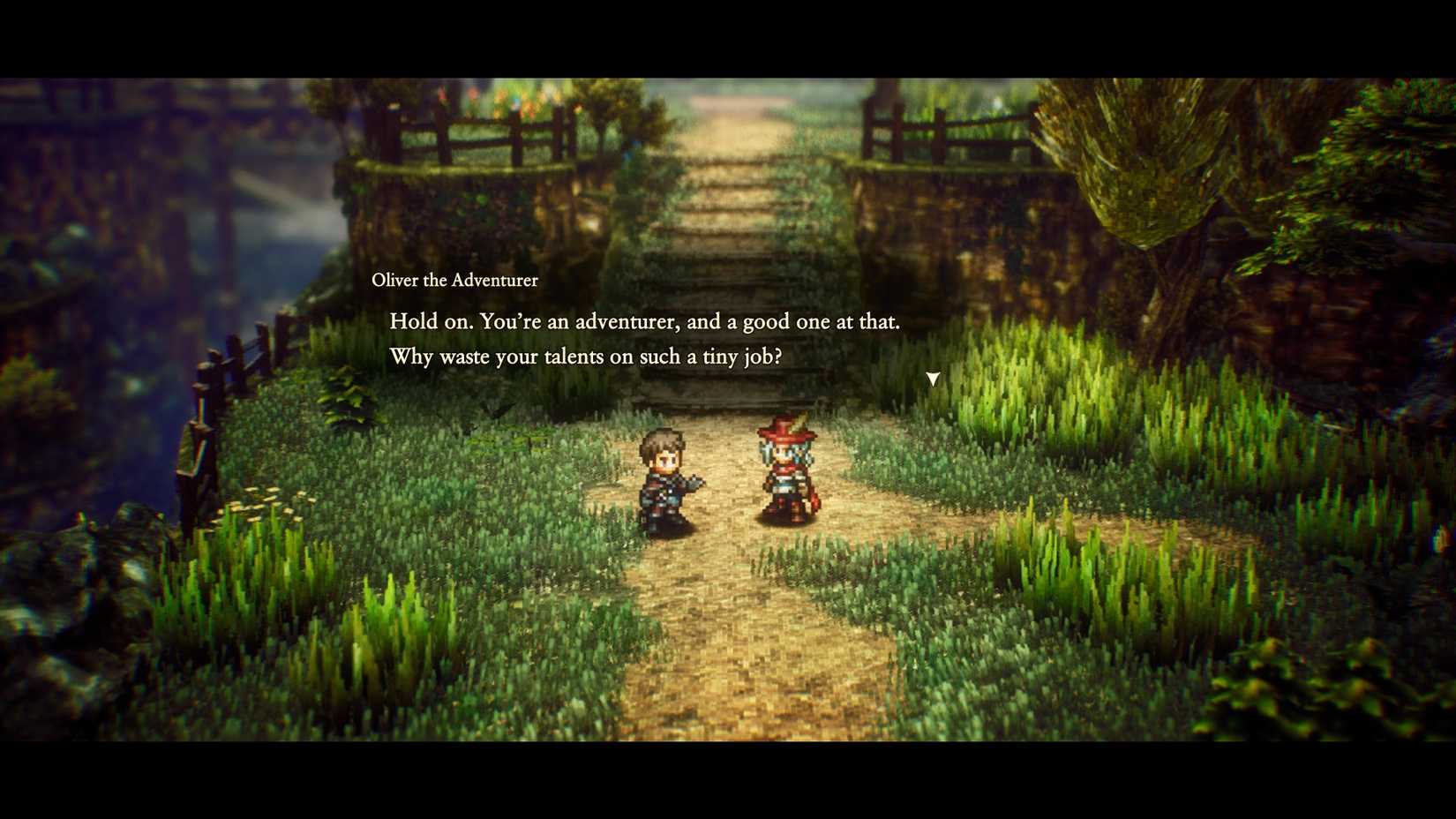
- The Age of Safekeeping: Elliot’s home era, serving as the narrative baseline.
- The Age of Reconstruction: A harsh, post-hardship period where humanity struggles to survive, forcing the player to navigate environments that feel decayed and desperate.
- The Age of Magic: A high-fantasy setting representing the pinnacle of human prosperity, characterized by vibrant, magical architecture and more complex environmental puzzles.
- The Age of Budding: The nascent era of civilization, offering a look at the primitive origins of the world’s current state.
This temporal hopping is not merely aesthetic. Because Elliot is capable of interfering with the past to influence the future, the game forces players to consider the long-term consequences of their actions. The narrative, while straightforward, is expertly voice-acted, with players able to toggle between English and Japanese audio tracks. While there is no constant dialogue log, the menu system allows for the review of critical event beats, ensuring that players don’t lose the thread of the story during long sessions of exploration.
Combat Mechanics: Precision and Variety
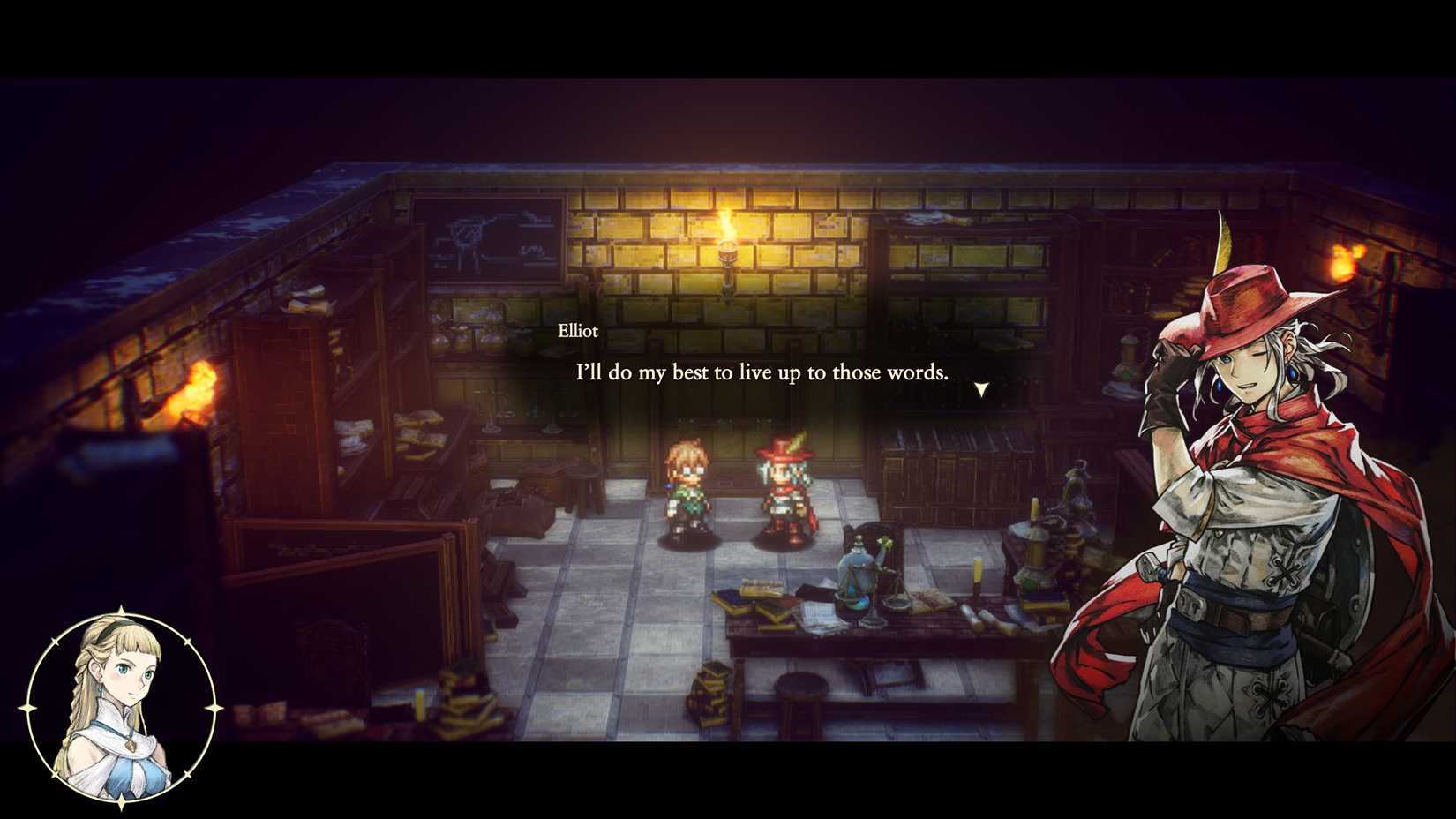
While the studio’s pedigree is in strategy, The Adventures of Elliot proves they are equally adept at action design. Combat is centered on a versatile arsenal of seven weapon types, allowing players to equip two at any given time to suit their playstyle.

- Melee: The sword provides a balanced, wide-range slash, while the spear offers high-penetration, long-range thrusts. The hammer, a slower, high-damage option, excels at shattering armor, and the chain-and-sickle offers wide, circular crowd control.
- Ranged: Boomerangs, bows, and throwable bombs provide the necessary distance. Boomerangs are particularly notable for their return trajectory, allowing for repeated use, whereas arrows and bombs are finite resources that must be managed.
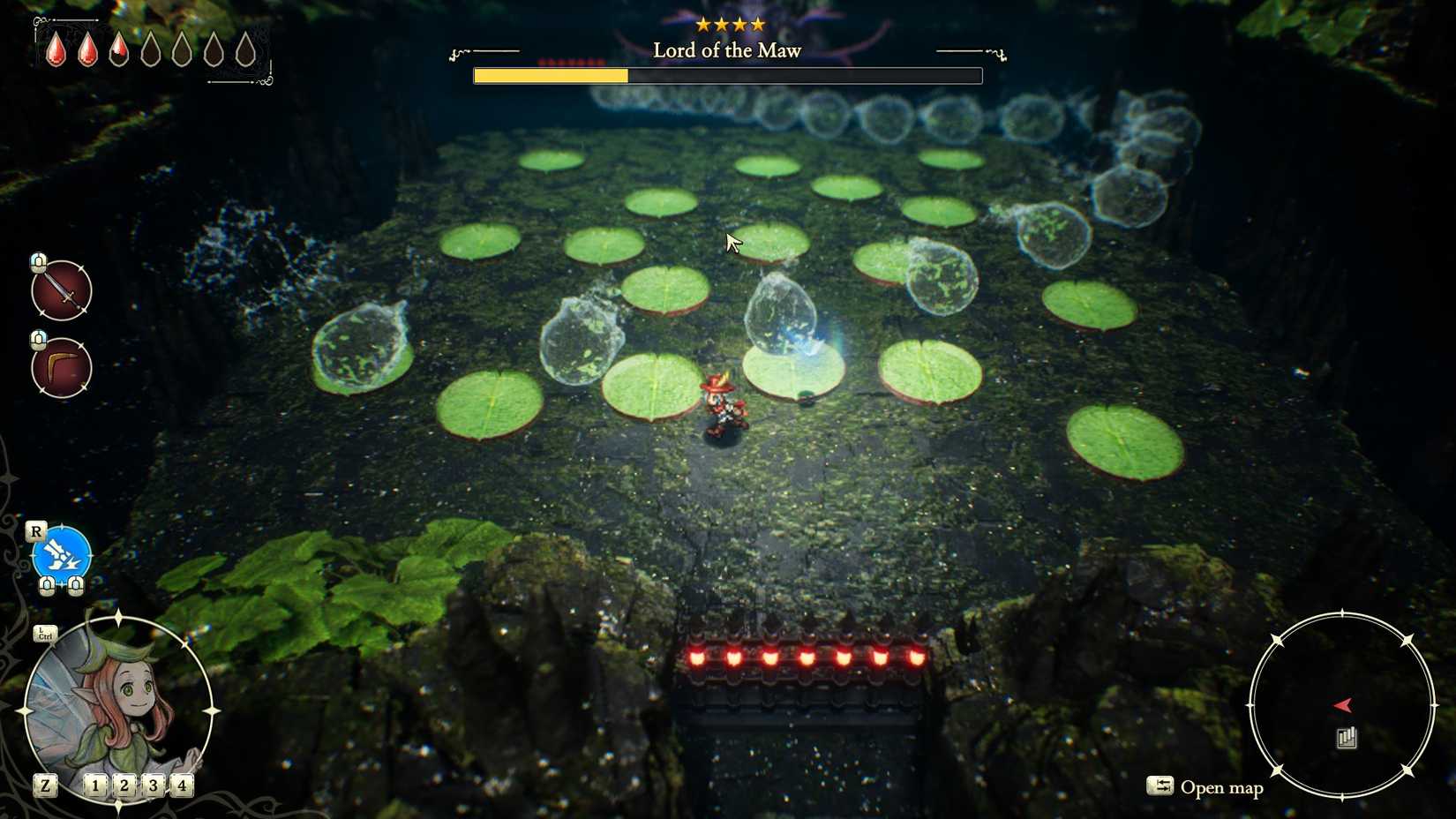
A key component of the combat loop is the shield system. Unlike many action games where defense is a passive act, here, it is a risk-reward mechanic. A well-timed guard can reflect projectiles and stun enemies, but the shield’s stamina bar depletes with every hit, preventing players from becoming invincible.
Supporting Systems: The Magicite and Accessory Economy
Perhaps the most impressive aspect of the game is the "Magicite System." This system adds an RPG-like layer of customization to the action, allowing players to socket gems into their weapons to modify their behavior.
Magicite effects range from simple damage buffs to complex status conditions, such as stun-chance modifiers or elemental infusions. Because Magicite is weapon-specific, players are encouraged to experiment with different builds rather than sticking to a single "best" weapon. These gems can be found in chests or, more intriguingly, obtained through a shop system that functions similarly to a gacha mechanic. While the word "gacha" may trigger skepticism in some, the implementation here is balanced; the shop rank increases over time, eventually allowing players to target specific weapon types for their rolls, mitigating the frustration of RNG.
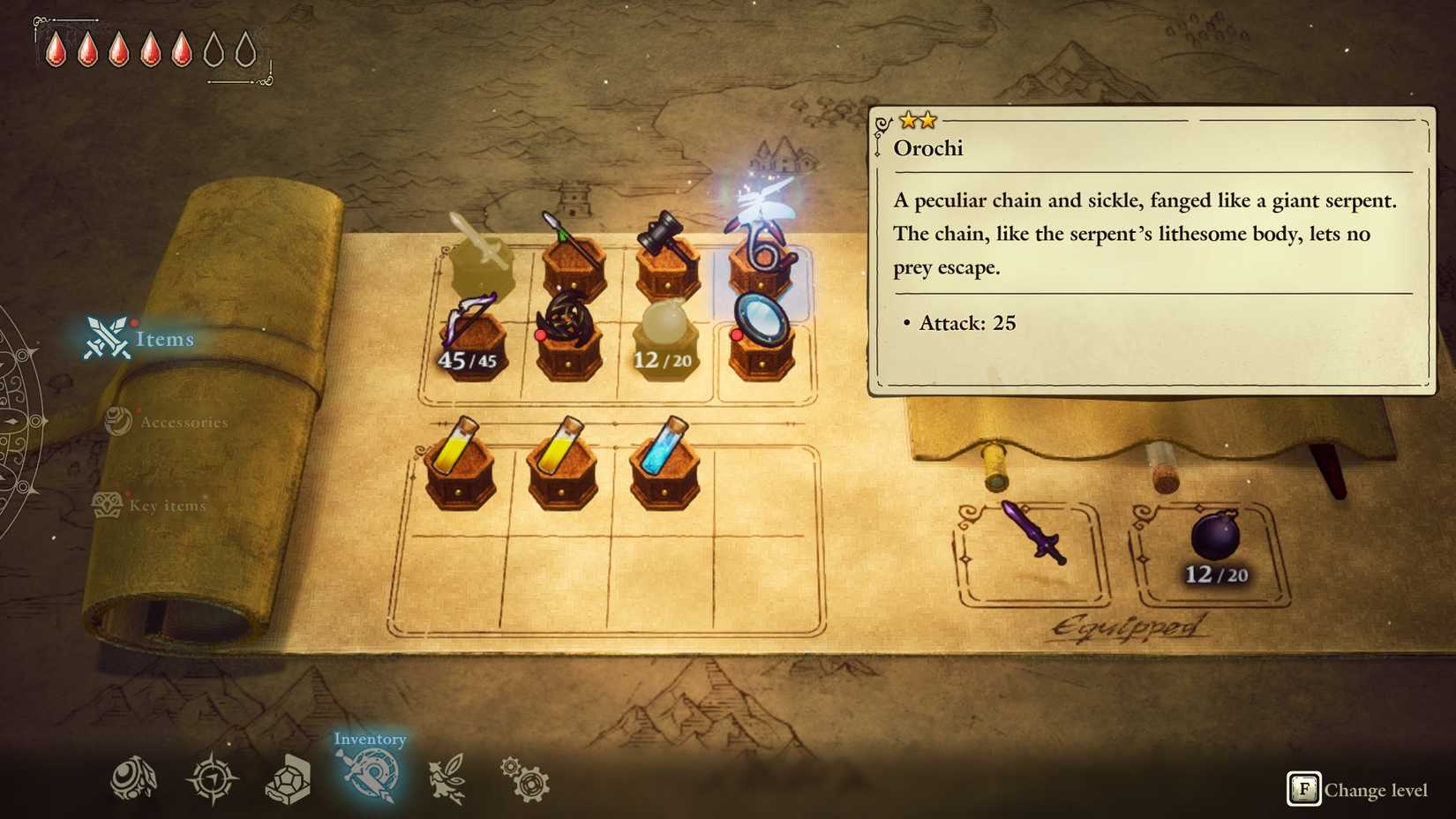
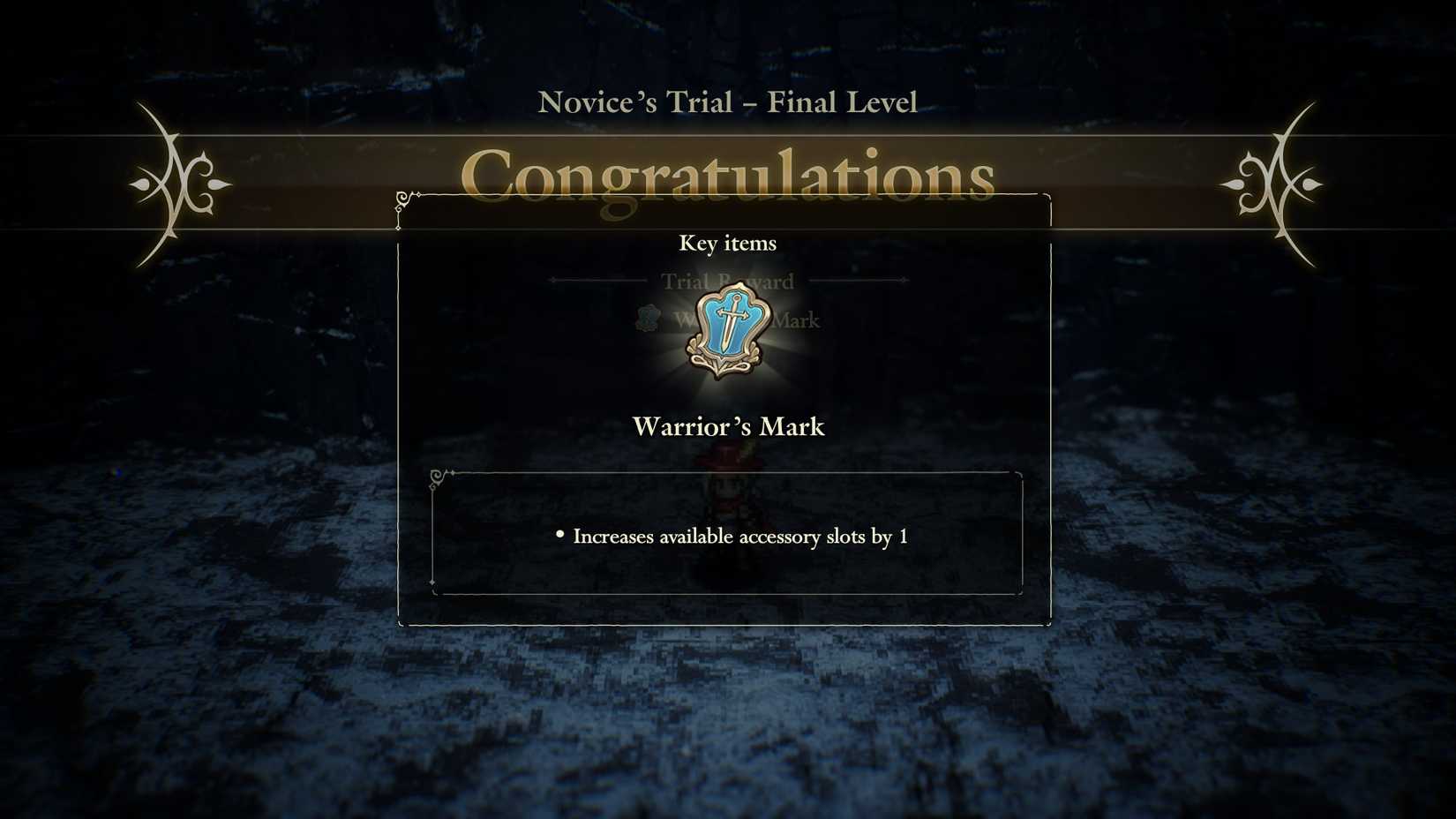
Complementing this is the Accessory system. By equipping items that provide passive traits—such as hover-jumping or increased stamina—players can further refine their playstyle. Exploring to find additional accessory slots becomes a primary motivation for uncovering the game’s many hidden areas.
Implications for Team Asano
The shift from turn-based combat to action-adventure is a significant risk for a studio like Team Asano. Critics and fans alike have often wondered if the "HD-2D" style could translate to a more kinetic genre without losing the charm that made Octopath Traveler a hit.
The implementation of the Chain System—which rewards players for defeating enemies in succession without taking damage—shows a design philosophy that encourages mastery. By tying rewards (the Drop Bonus) to player skill, the game forces a level of engagement that is rarely seen in titles that rely on auto-leveling or "button-mashing" combat.
However, the game does not abandon its roots in "Quality of Life." Features like guideposts that serve as both save points and Fast Travel hubs demonstrate the studio’s commitment to player comfort. The ability to customize the UI—adjusting how often the destination guide appears or how talkative Faie is—shows a granular approach to accessibility that should be industry standard.
Official Stance and Technical Details
Square Enix has positioned The Adventures of Elliot: The Millennium Tales as a premium experience, emphasizing that while it is an experiment, it is a fully realized, standalone title.
- Release Date: June 18, 2026
- Platform: Multi-platform
- ESRB Rating: Teen (Fantasy Violence, Mild Language, Use of Alcohol)
- Multiplayer: Local Co-Op
The inclusion of Local Co-Op is a particularly welcome feature, allowing a second player to take control of Faie, providing support magic and assistance in puzzle-solving. This adds a layer of depth to the experience, transforming a solitary journey into a collaborative adventure.
Conclusion: A Worthy Evolution
The Adventures of Elliot: The Millennium Tales is more than just a genre experiment; it is a testament to the versatility of Team Asano. By successfully translating their aesthetic expertise and their knack for deep, rewarding systems into an action-adventure framework, they have created something that feels both nostalgic and fresh.

The narrative may be a simple, classic tale of an adventurer saving a kingdom, but the emotional core—the humanity of the side characters, the weight of the "Age" system, and the sheer joy of customizing a weapon loadout with Magicite—makes the experience resonate.
For fans of The Legend of Zelda who have been craving a modern take on the classic dungeon-crawler, or for those who simply appreciate the meticulous detail of the HD-2D style, The Adventures of Elliot is an essential title. It proves that even when changing the fundamental way a player interacts with the world, Team Asano’s commitment to quality, charm, and strategic depth remains as strong as ever. Whether you are chaining kills to maximize your drop bonuses or carefully timing a shield-bash to stun a boss, the journey through the Millennium Tales is one well worth taking.


 Asro
Asro
 Muslim