Nana
Nana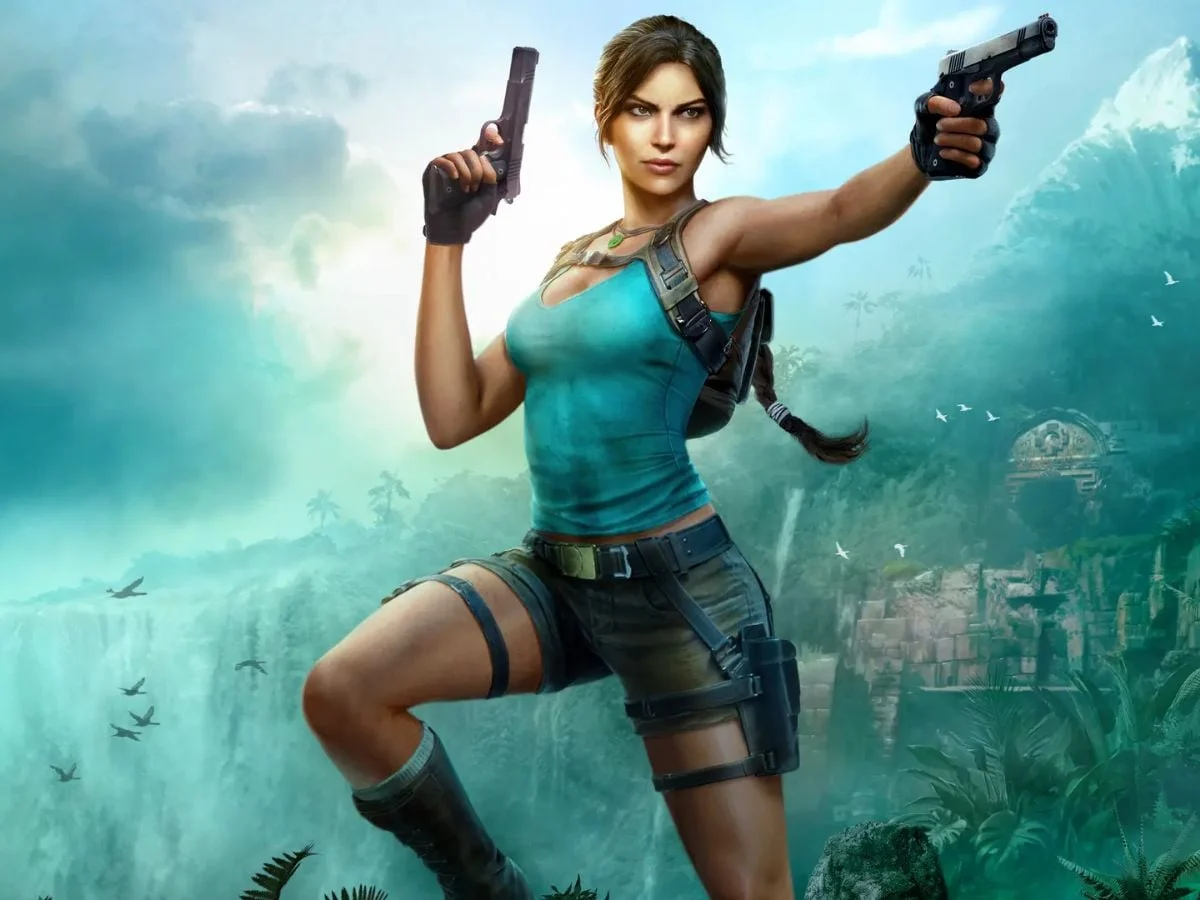
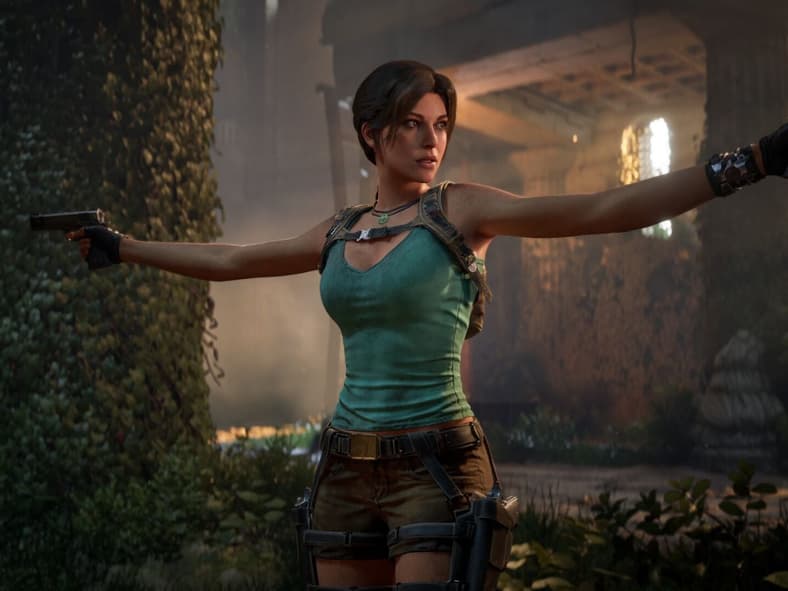
The gaming industry is currently navigating a period of profound technological transition, with artificial intelligence sitting at the center of a volatile debate. As major studios move to integrate generative AI into their production pipelines, the lines between efficiency and artistic integrity have become increasingly blurred. Recently, Crystal Dynamics, the studio behind the highly anticipated Tomb Raider: Legacy of Atlantis, found itself at the epicenter of this controversy. Following reports that the studio, alongside collaborators Flying Wild Hog, utilized AI in their development process, director of experience Jeff Adams has stepped forward to offer a nuanced, albeit cautious, defense of the technology.
As the industry looks toward the 2027 release of the next major Tomb Raider installment, the question remains: Can AI serve as a legitimate tool for creative augmentation without undermining the human touch that defines the medium?
The Core Controversy: Efficiency vs. Authenticity
The discourse surrounding the use of AI in Tomb Raider: Legacy of Atlantis began when reports surfaced suggesting that generative tools were being utilized during the game’s production phase. In an era where many gamers are increasingly wary of AI replacing human labor—or devaluing the craft of developers, writers, and artists—the news triggered immediate scrutiny.
Critics argue that the integration of AI, even at a foundational level, risks eroding the unique "soul" of a game. For a franchise as storied and iconic as Tomb Raider, the stakes are particularly high. Lara Croft is not merely a character; she is a cultural touchstone. Any perceived "shortcutting" in the development of her next adventure is met with intense skepticism by a fan base that prizes detail, narrative cohesion, and traditional artistry.
A Chronology of the AI Integration Debate
The timeline of this controversy reflects the broader anxiety currently gripping the triple-A development space:
- Initial Speculation (Early 2026): As information regarding the Legacy of Atlantis development cycle began to emerge, rumors circulated about the usage of "non-traditional" production tools.
- Public Outcry (Mid-2026): Reports naming Flying Wild Hog and Crystal Dynamics as users of AI sparked a vocal backlash on social media and gaming forums. Concerned players questioned whether the studio was prioritizing speed over the quality of the final product.
- The Clarification (Late 2026): In a bid to quell the mounting pressure, Jeff Adams, director of experience at Crystal Dynamics, sat down with Game Informer to provide a transparent account of the studio’s internal workflows.
- The PR Standstill (Present): Following the initial interview, studio representatives signaled that further discussion on the technical specifics of their AI usage would be paused until the game’s release, effectively creating a "wait and see" environment for the public.
Understanding the "Placeholder" Strategy
To understand why Crystal Dynamics felt the need to employ AI, one must look at the modern bottlenecks of game development. Creating a title of the magnitude of Tomb Raider involves thousands of individual assets, from the smallest decorative stone to the sprawling architecture of ancient ruins.

Adams explained that the studio’s primary use of AI is confined to the "placeholder" stage—a period where developers need to visualize a space before committing the massive man-hours required for final modeling.
"Let me give you an example of what that looks like," Adams stated during his interview. "Say in early level development, we have an idea for an object, but we’re not sure whether or not we want to take the dev time to build it. We can use a generative AI tool to help us visualize that object in the world. If it works, we’ll then move it to our traditional pipeline."
This distinction is crucial to the studio’s defense. By using AI as a "sketchpad," the team can iterate rapidly, discarding ideas that do not fit the aesthetic of the game without having wasted weeks of developer time. Once the concept is validated, it enters the traditional, human-led pipeline, where artists and modelers recreate the asset from the ground up. According to Adams, "all the finished content in the final game is human-crafted."
Supporting Data and the Cost of Development
While Crystal Dynamics emphasizes the creative necessity of these tools, the financial implications cannot be ignored. Modern game development budgets for titles like Tomb Raider regularly exceed $200 million. As development cycles extend to five, six, or seven years, the cost of labor and time becomes a primary threat to studio solvency.
Generative AI offers a seductive promise: the ability to maintain, or even accelerate, production schedules without bloating the headcount to unsustainable levels. Proponents of this technology suggest that if AI can shave months off the "concepting" phase, those resources can be reinvested into more complex environmental storytelling or deeper character animation.
However, data from industry analysts suggests that the "efficiency" gained through AI is often offset by the cost of auditing the output for quality, copyright risks, and the potential for "uncanny valley" results. For Crystal Dynamics, the success of Legacy of Atlantis will be the ultimate test case: if the game is released with high acclaim, the controversy may dissipate. If it is perceived as lacking the polish of its predecessors, the AI usage will undoubtedly be cited as a primary failure point.

Official Responses and Studio Policy
The response from Crystal Dynamics has been a careful balancing act. On one hand, they recognize the need for transparency to satisfy an anxious community. On the other, they are protective of their proprietary workflows.
When Game Informer attempted to push for more granular detail regarding which specific AI models were used—and whether those models were trained on the work of the studio’s own artists—a PR representative intervened. The studio effectively invoked a "cone of silence," suggesting that further discussion would be more appropriate once the product is in the hands of the players in 2027.
This defensive posture is common among developers in the current climate. By withholding details, the studio avoids a protracted public debate that could distract from the game’s marketing cycle. Yet, this lack of transparency also fuels further speculation, leaving fans to wonder if the "placeholder" usage is truly as limited as the studio claims.
Implications for the Future of the Industry
The situation at Crystal Dynamics serves as a microcosm for the future of the video game industry. We are witnessing a transition where AI is moving from a fringe experiment to a standard utility.
1. The Erosion of "Human-Crafted" Marketing
As studios continue to defend their use of AI, we may see a shift in marketing language. "Human-crafted" is becoming a premium label. Developers will likely need to be increasingly specific about what percentage of their game was AI-assisted versus human-originated to maintain consumer trust.
2. The Legal and Ethical Landscape
The question of training data remains the elephant in the room. Even if a final asset is "human-crafted," it may have been conceptualized based on a suggestion derived from an AI model trained on the work of artists who did not provide consent. This legal gray area is likely to lead to future litigation that could force studios to adopt more transparent AI procurement policies.
3. The Artistic "Stunting" Risk
There is a legitimate fear that by relying on AI to "get to the right answers faster," studios might inadvertently stifle the happy accidents that occur during traditional brainstorming. Art is often defined by its flaws and the unconventional paths taken during the creative process. If AI pushes developers toward a "statistically probable" aesthetic, the diversity of visual design in gaming could suffer.
Conclusion: The Final Verdict Awaits 2027
Ultimately, Jeff Adams and Crystal Dynamics are banking on the quality of the final experience to vindicate their process. "We just want to make it as easy as possible for us to make high-quality game experiences," Adams asserted. "That’s really the important thing."
For the players, the "important thing" remains the quality of the product, but the path to that quality matters just as much. As we look toward 2027, the industry will be watching Tomb Raider: Legacy of Atlantis not just for its gameplay, but as a landmark case study in the role of artificial intelligence in art. If Crystal Dynamics can prove that AI is merely a brush in the hands of a master painter rather than a replacement for the painter altogether, they may set a new, acceptable standard for the industry. If they fail, they risk alienating the very audience they are trying to satisfy.


 Sagoh
Sagoh
 Ammar Sabilarrohman