
 Lina Irawan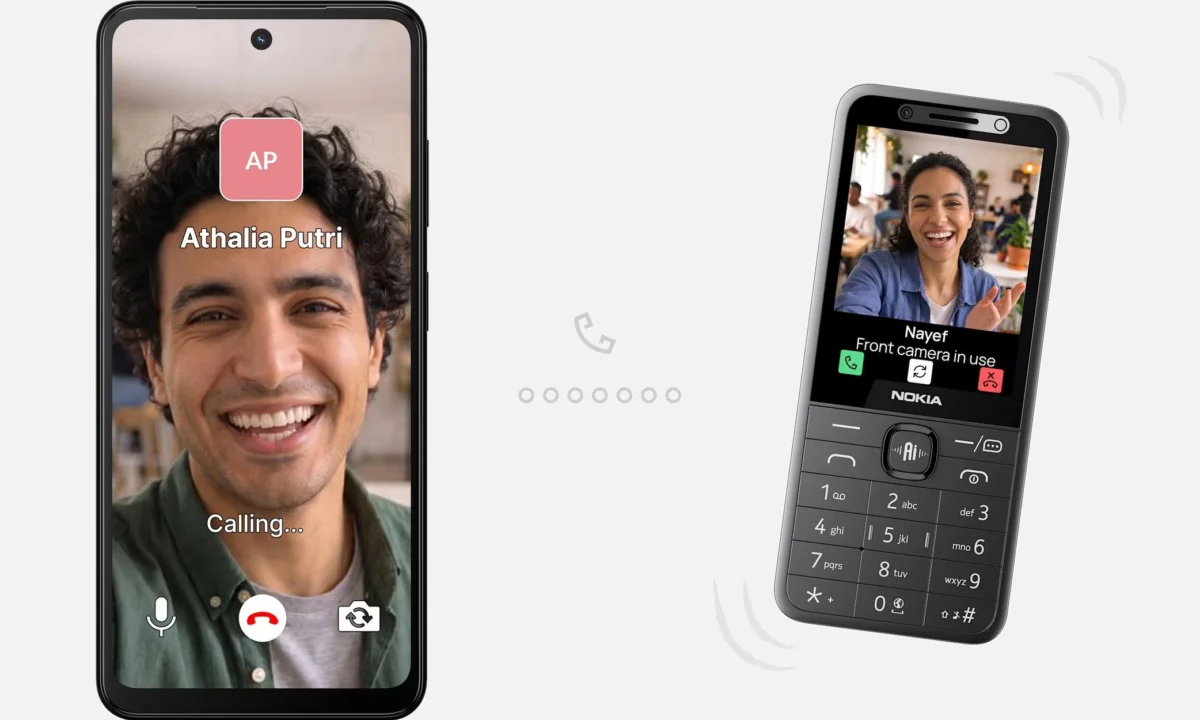
In an era where the smartphone has become an extension of the human hand—a complex portal of high-definition screens, constant notifications, and intensive processing—a quiet rebellion is brewing. HMD Global, the Finnish company behind the modern resurgence of the Nokia brand, has unveiled a new quartet of 4G-enabled feature phones. However, these devices are not merely nostalgic throwbacks to the era of Snake and monochromatic screens. By integrating voice-based artificial intelligence into the humble keypad-operated handset, HMD is attempting to redefine the utility of the "dumb phone."
The newly unveiled lineup—comprising the Nokia 210 4G, Nokia 200 4G, Nokia 215 4G (2nd Edition), and Nokia 235 4G (2nd Edition)—represents a pivotal moment in the mobile industry. For the first time, the accessibility of AI is being extended to those who prefer, or require, the simplicity of a physical interface.
The Core Facts: A New Breed of Feature Phones
The fundamental proposition of these four devices is simple: they offer the robust, long-lasting reliability of a feature phone combined with the modern convenience of an AI assistant.
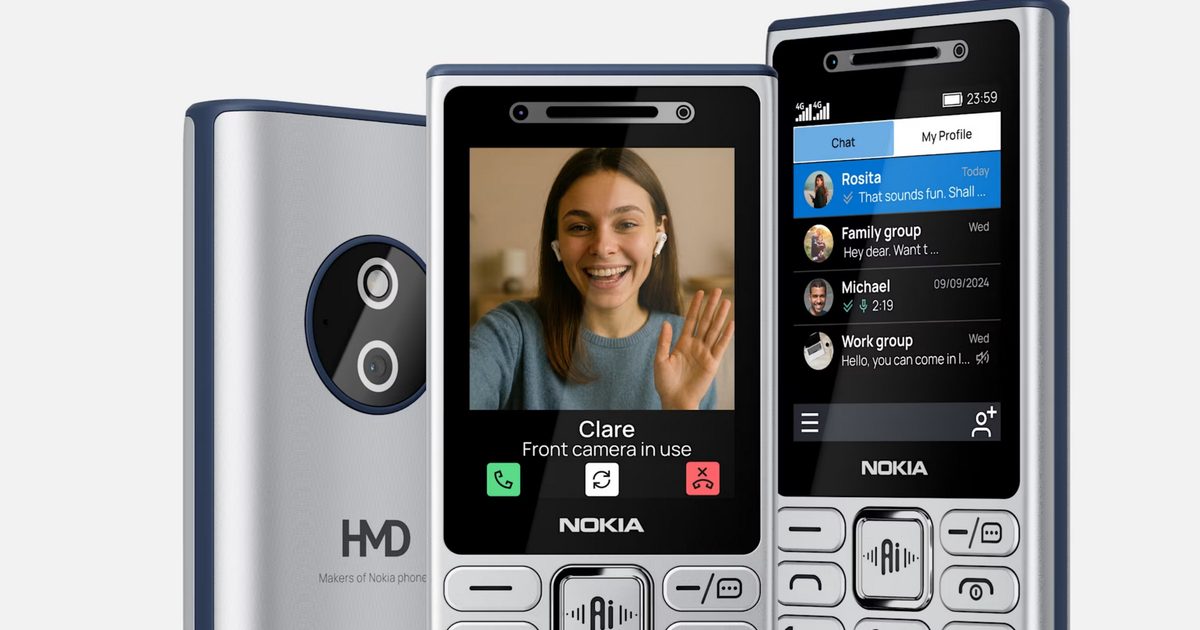
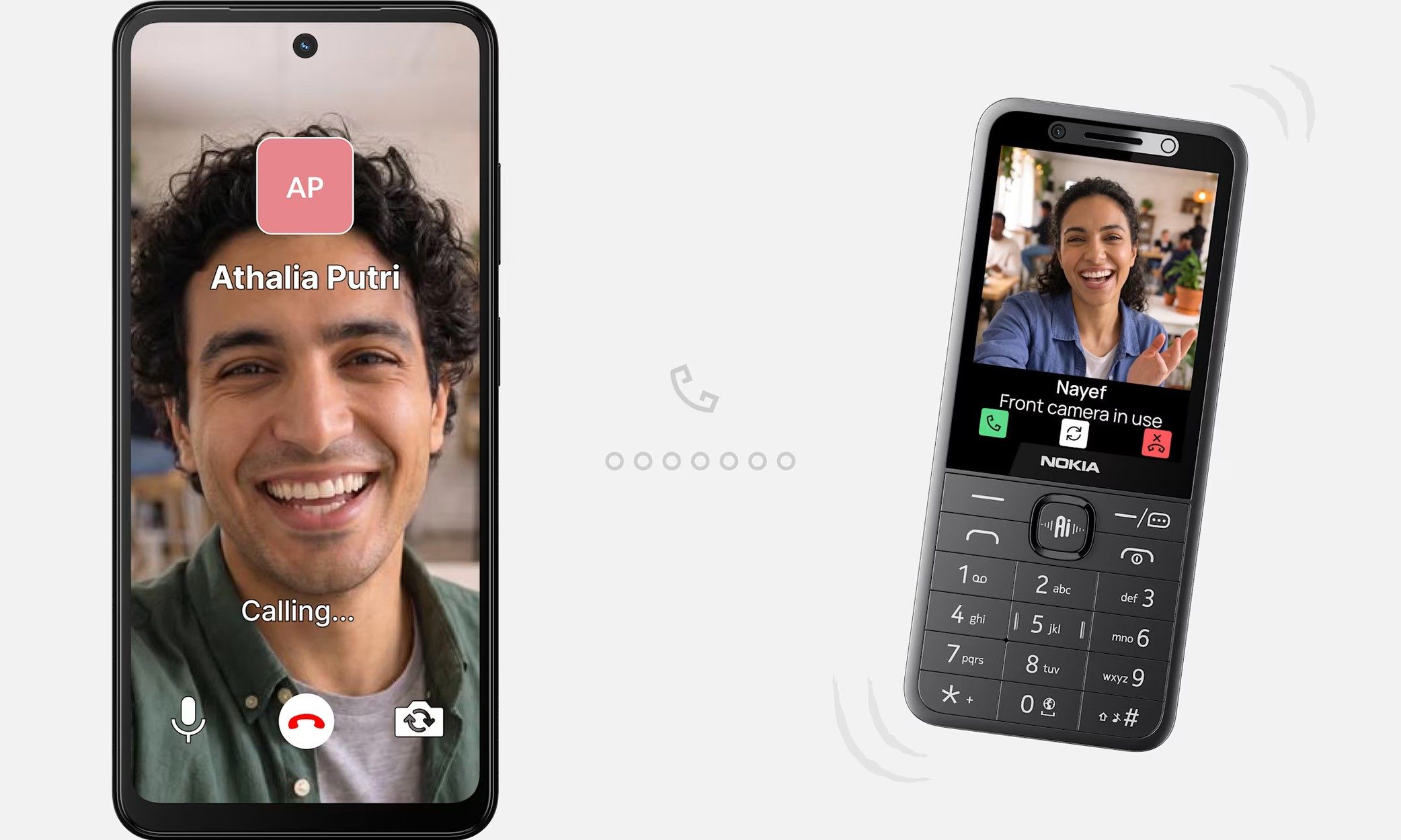
Each of the four models comes equipped with a dedicated physical button tasked specifically with triggering a voice-based AI. Once activated, users can issue natural language commands to control their device. This includes functional tasks—switching on the LED torch, setting alarms, managing reminders, opening the camera application, or initiating a call from the address book—as well as information-seeking queries. The AI is capable of answering basic factual questions, providing simple recipe instructions, and assisting with language translation, effectively turning the phone into a pocket-sized personal aide.
Beyond the AI integration, these devices are built on the bedrock of classic mobile hardware:
- Connectivity: All four models utilize 4G LTE, ensuring clear voice quality and consistent network access.
- Physicality: Each phone retains the tactile satisfaction of a physical number pad, a feature increasingly sought after by those suffering from "screen fatigue" or those who struggle with the precision required by modern touchscreens.
- Utility: Standard features include USB-C charging ports, 3.5mm headphone jacks for media consumption, and removable 1,450mAh batteries—a relic of a bygone era that continues to provide superior longevity compared to sealed smartphone batteries.
- Expansion: Each device includes microSD card support, allowing users to store media locally without relying on high-bandwidth cloud services.
A Chronology of the "Smart" Dumb Phone
The evolution toward this current lineup has been a gradual shift within HMD Global’s strategy. Since acquiring the rights to use the Nokia brand for mobile devices, HMD has consistently maintained a dual-track strategy: producing high-end, repairable smartphones while simultaneously keeping the "feature phone" segment alive and profitable.
- The Early Revival (2017–2020): HMD focused on modernizing classics like the Nokia 3310, primarily leaning into pure nostalgia. These devices were literal recreations of the past with minor modern tweaks.
- The Connectivity Shift (2021–2023): Realizing that 2G networks were being phased out globally, HMD began the transition to 4G feature phones. This phase introduced "Cloud Phone" services, which provided access to weather and news, effectively giving the phones a window to the internet without the bloat of a full OS.
- The AI Integration (2026): The current launch marks the third act. HMD recognized that the primary barrier to using feature phones for many elderly users or those with motor impairments was the menu navigation. By introducing voice-driven AI, the company has effectively bypassed the need for complex, layered UI menus, making the device significantly more accessible.
Supporting Data: Why "Dumb" Still Matters
Critics often ask why a manufacturer would bother adding AI to a device with a 2.4-inch screen. The answer lies in market demand and the "Digital Minimalism" movement.
According to recent industry analysis, the feature phone market is not shrinking as quickly as experts predicted a decade ago. It has stabilized into a niche but resilient sector. For older demographics, the physical keypad is not just a preference; it is a necessity. The ability to ask a phone, "Call my daughter," rather than navigating a menu system, represents a significant improvement in quality of life.
Furthermore, the battery statistics provided by HMD are compelling for users in rural or developing markets where power reliability is a concern. The Nokia 210 and 200 offer 13 days of standby time, while the 215 and 235 offer 12 days. In the smartphone world, these numbers are non-existent. The inclusion of the "Xpress Chat" platform further bridges the gap, allowing these devices to send voice messages, emojis, and participate in group chats with smartphone users on Android and iOS. This ensures that the user is not socially isolated, even if they choose to shun the "smart" ecosystem.
The Subscription Catch: The 2026 Reality
Perhaps the most controversial aspect of this release is the business model. While the hardware is affordable, HMD has introduced a recurring revenue stream for the AI features.
The devices come with a 180-day trial for the AI assistant. Following this period, users are required to pay a subscription fee to keep the service active. Perhaps more inconveniently, managing this subscription requires access to a companion smartphone app. This creates a paradoxical situation: the user who buys a feature phone to escape the smartphone ecosystem may eventually find themselves forced to rely on a smartphone just to keep their feature phone’s AI functioning.
This model reflects the broader industry trend of "SaaS" (Software as a Service) moving into the most basic levels of consumer electronics. It raises ethical questions about the longevity of the device: if the user chooses not to pay the subscription, does the device lose its primary value proposition?
Implications for the Future of Connectivity
The launch of these devices signals a broader trend in technology: the "de-smarting" of the smartphone. By moving the heavy lifting of UI navigation to an AI layer, HMD is proving that the form factor of the phone matters less than the intelligence running behind it.
1. Increased Accessibility:
For the visually impaired or those with dexterity issues, the dedicated AI button is a massive win. It simplifies the most common tasks—communication and scheduling—to a single press-and-speak action. This could set a new industry standard for "accessible feature phones."
2. The End of Digital Overload:
For the growing demographic of "digital minimalists," these phones offer a way to stay reachable without the constant bombardment of social media notifications and app-based distractions. The phone becomes a tool, not a lifestyle.
3. The Sustainability Angle:
HMD’s commitment to removable batteries and durable, simple hardware stands in stark contrast to the planned obsolescence of flagship smartphones. If these devices remain functional for five to seven years—a feat nearly impossible for most modern smartphones—they may represent a more sustainable path for the mobile industry.
4. The Fragmentation of the Market:
However, the reliance on a subscription model for the AI service creates a barrier. It risks alienating the very user base that typically gravitates toward these phones: budget-conscious, low-tech users who are often wary of hidden costs and recurring billing cycles.
Conclusion
HMD Global’s new Nokia lineup is a fascinating study in contradictions. It is a product that looks backward to the early 2000s in its design and tactile feel, yet looks forward to the hyper-connected, AI-driven future of 2026.
By integrating AI into the "dumb phone," HMD is not trying to turn these devices into pocket computers. Instead, they are trying to make the act of communication more human. The success of these devices will likely depend on whether users perceive the AI assistant as a genuine tool that simplifies their lives, or merely as a subscription-based gimmick.
As we navigate an era of overwhelming digital noise, the Nokia 210, 200, 215, and 235 arrive as a reminder that sometimes, the best way to move forward is to simplify. Whether the market is willing to pay a monthly fee to maintain that simplicity, however, remains the most significant challenge for the future of the feature phone.


 Raul Delapena Setiawan
 Neng Nana




