

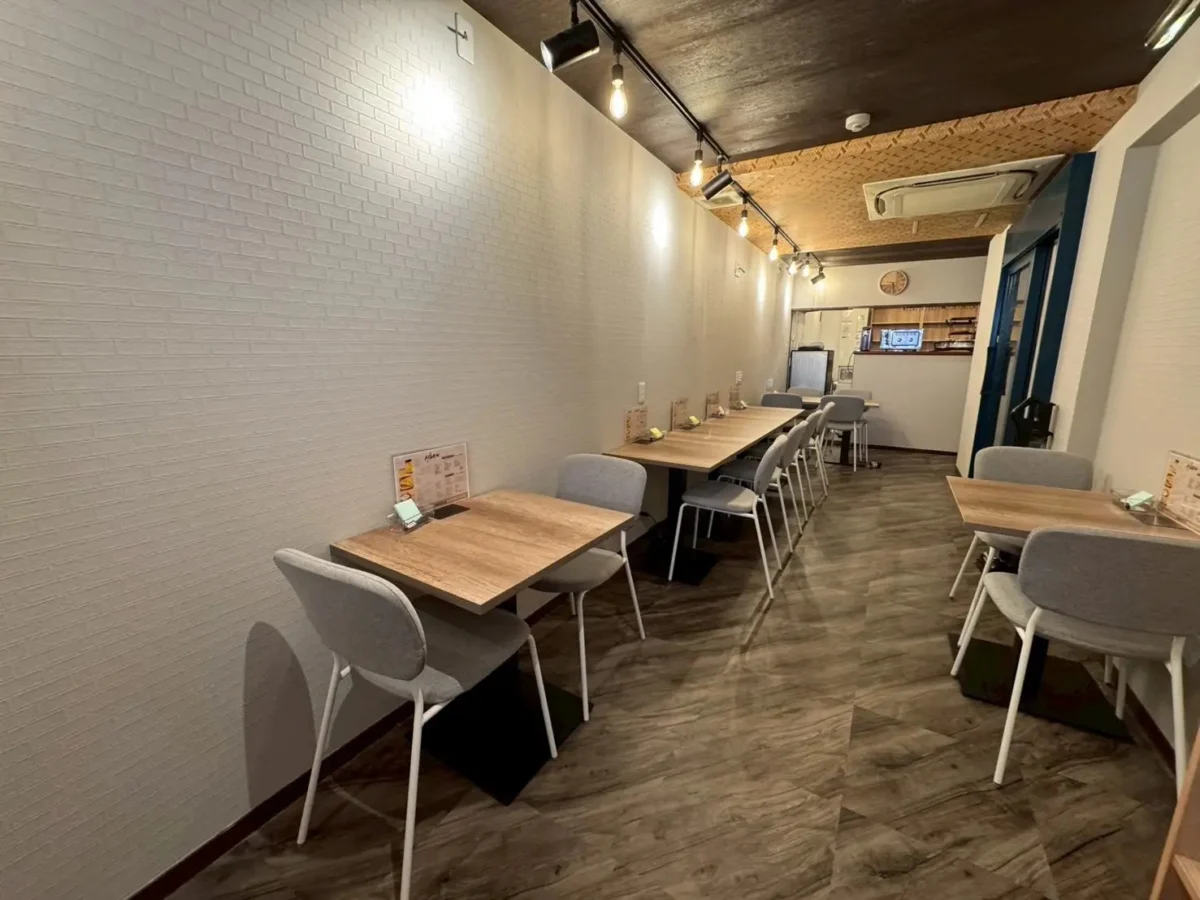
In the bustling, neon-lit corridors of Osaka’s Namba district, a new establishment is challenging the conventional definition of a cafe. While most coffee shops strive to be a temporary sanctuary from the urban grind, Hatena Coffee has introduced a paradigm shift: they want you to stay, but you’ll have to earn your exit.
Opening its doors on June 1, the new Namba branch marks the sixth location for this burgeoning chain, which has quickly gained a reputation for being equal parts coffee house and brain-teasing puzzle den. In Japanese, "hatena" refers to the iconic question mark—a fitting name for a business that treats every customer’s visit as a mental journey rather than a simple transaction.
The Core Concept: A Cafe with a Catch
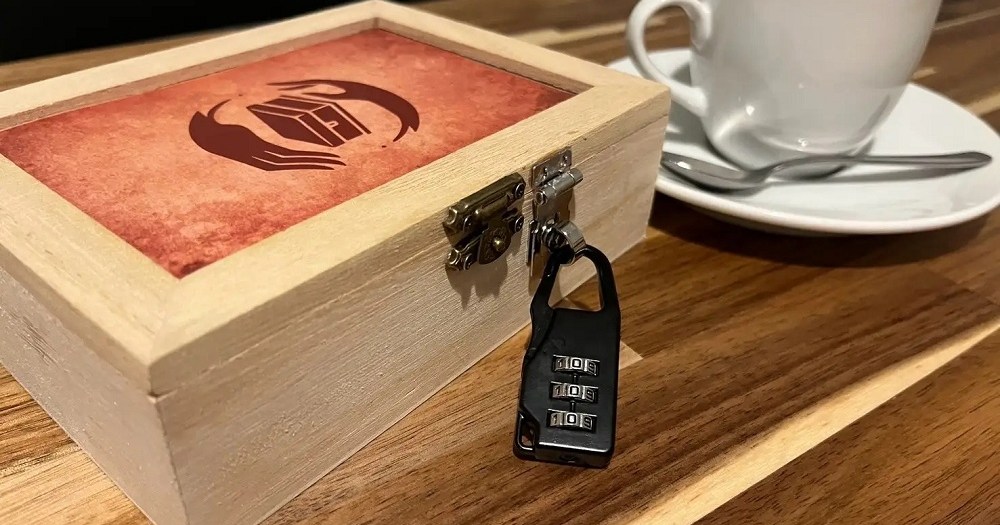
The fundamental philosophy of Hatena Coffee is that caffeine and curiosity should go hand-in-hand. Unlike traditional cafes where the goal is a quick turnover, Hatena Coffee encourages a lingering, thoughtful atmosphere. However, there is a playful, mandatory condition: guests are expected to solve a brain-teasing puzzle before they can technically "complete" their experience and head home.
While the "solve-to-leave" policy sounds like the high-pressure environment of an escape room, the atmosphere is markedly different. There is no ticking clock, no ominous countdown, and no frantic scramble to find hidden keys. Instead, the cafe provides a relaxing environment where patrons can tackle riddles at their own pace. Whether you are a solo traveler looking to sharpen your mind or a group of friends seeking a unique social activity, the space is designed to accommodate various party sizes, offering counters for solo diners, intimate two-chair tables, and larger settings for groups of four.
Chronology: A Rapid Rise in Intellectual Refreshment
The rise of Hatena Coffee has been nothing short of meteoric. The concept originated just over a year ago, with the inaugural branch opening in Yokohama in April 2025. The positive reception was immediate, suggesting a significant, previously untapped market for "intellectual leisure" spaces in Japan.
Following the success of the Yokohama prototype, the company began an aggressive expansion strategy. The chain quickly established footprints in Tokyo’s most iconic districts, including Ginza, Shinjuku, and Ikebukuro. Following these successful ventures in the capital, the brand moved westward, opening a branch in Osaka’s Umeda neighborhood. The upcoming Namba location, launching on June 1, signifies the company’s commitment to capturing the vibrant and culturally curious demographic of the Kansai region.
This rapid expansion—six locations in just over 14 months—indicates that the "puzzle cafe" model is not merely a passing fad, but a sustainable business pivot that resonates with modern consumers seeking engagement beyond the standard screen-scrolling routine.
Supporting Data and The "Puzzle Fee" Structure
For those curious about the financial mechanics of this intellectual endeavor, the pricing structure is transparent and inclusive. Each guest is charged a "puzzle fee" of 1,500 yen (approximately US$9.70). This fee acts as a cover charge for the mental challenge provided. In addition to this, customers are required to purchase at least one beverage.

Beyond the entry fee, the menu remains competitively priced, ensuring that the experience is accessible to students, professionals, and tourists alike:
- Beverages: 500 yen (inclusive of both soft drinks and alcoholic selections).
- Light Snacks: Starting at 500 yen.
- Heartier Fare: Sandwiches and pasta plates are priced at 700 yen.
- Desserts: 1,000 yen for those who want a sweet reward upon solving their riddle.
Because there is no "timed seat charge," the pressure to vacate the table vanishes. If a puzzle proves to be particularly diabolical, customers can simply order another round of drinks or a dessert, making the afternoon a low-stress, high-engagement event. While the staff officially requests that the puzzle be completed, they are not, in practice, holding customers hostage. As the management implies, if a patron is truly stumped, a polite request to leave will always be honored—though the pride of solving the riddle is usually incentive enough to stay.
Official Collaborations: The Architecture of Mystery
The puzzles themselves are not haphazardly assembled. Every riddle, logic game, and mystery presented at Hatena Coffee is designed by Experiful, a Tokyo-based firm specializing in puzzle and mystery design.
Experiful’s involvement ensures that the content remains high-quality and varied. According to the design company, most puzzles are calibrated to be completed within 30 to 60 minutes. For those who crave a more intense mental workout, the "advanced" category of puzzles can extend the engagement to 90 minutes or more.
By outsourcing the intellectual content to professionals, Hatena Coffee guarantees that the customer experience is consistent across all locations. Whether you are in the heart of Ginza or the bustling streets of Namba, the standard of the "challenge" remains a hallmark of the brand.
The Implications: A Shift in Cafe Culture
The success of Hatena Coffee points to a broader trend in the service industry: the rise of "experience-based" retail. In a world where digital entertainment is omnipresent, physical spaces that offer analog, collaborative, and rewarding challenges are becoming increasingly valuable.
Social Dynamics and Mental Stimulation
The cafe acts as a third space—a social environment separate from home and work. By introducing a puzzle, the cafe effectively breaks the ice for strangers or provides a constructive focal point for friends. It eliminates the awkwardness of silence or the reliance on smartphones, forcing guests to interact with their environment and each other in a meaningful way.
Economic Viability
From a business standpoint, the model is highly effective. The "puzzle fee" provides a steady revenue stream that isn’t solely dependent on the high-turnover, low-margin model of traditional coffee shops. By encouraging customers to stay longer, the cafe increases the likelihood of additional food and beverage orders, maximizing the profit per seat.

Urban Integration
The location choices—Namba, Umeda, Ginza, Shinjuku—are deliberate. These are high-traffic, high-energy areas where residents and tourists are constantly seeking new forms of stimulation. By situating itself near other local landmarks (such as the famed sushi pizza spots in Namba), Hatena Coffee positions itself as a natural stop on a larger itinerary of exploration.
Conclusion: An Invitation to Think
As the Namba branch prepares for its June 1 debut, the anticipation is palpable. For many, Hatena Coffee is not just a place to grab a quick espresso; it is a laboratory for the mind. It offers a rare commodity in modern life: a space where "wasting time" is not only permitted but encouraged—provided that the time is spent unraveling a mystery.
Whether you consider yourself a master of logic or simply someone who enjoys a good riddle over a cup of high-quality coffee, Hatena Coffee offers an experience that is as stimulating as it is satisfying. Just remember, when you visit, come prepared to engage your brain—you might find that you don’t want to leave until you’ve cracked the code.
Cafe Information:
- Location: Hermanos Building 2nd Floor, Dotonbori 2-3-23, Chuo-ku, Osaka.
- Operating Hours: 11:30 a.m. to 9:00 p.m. (Please note: No new seating is accepted between 5:00 p.m. and 6:00 p.m.)
- Website: hatenacoffee.experiful.jp












No comments yet. Be the first to join the conversation!