

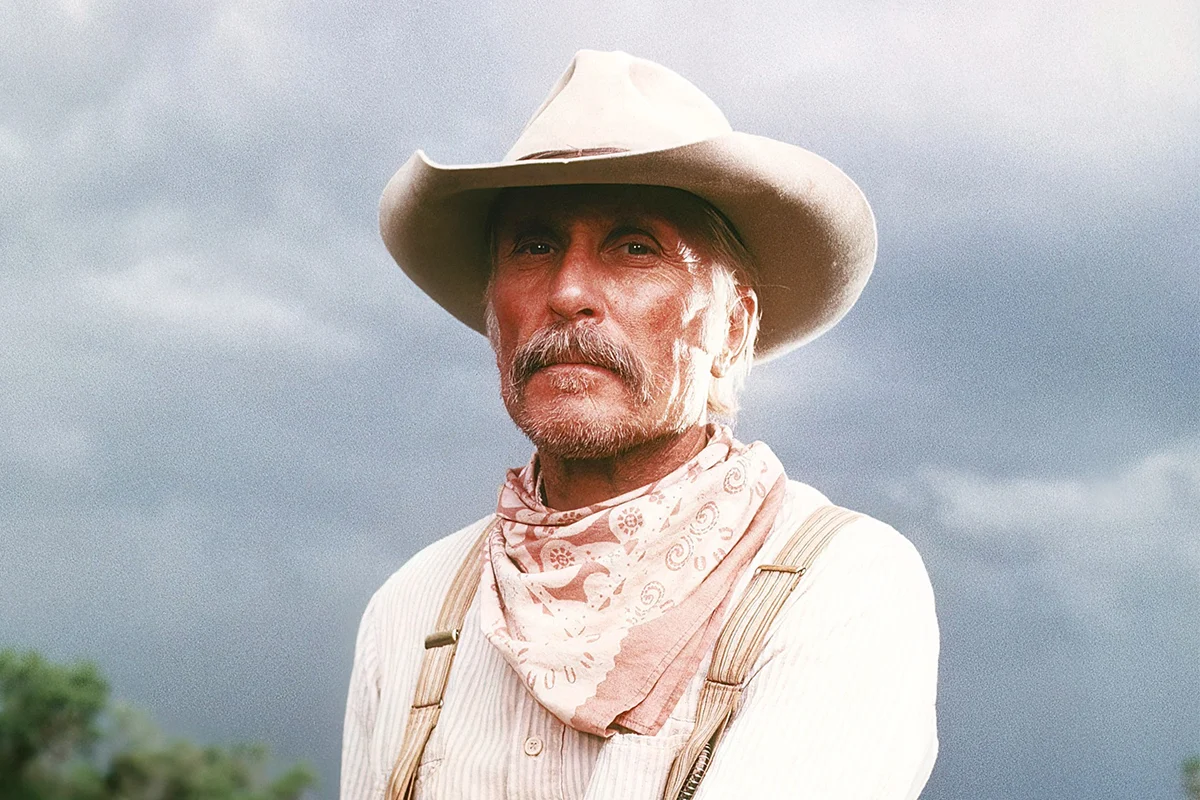
The American frontier is set to be reclaimed by a new generation. Netflix officially announced on Tuesday that it has ordered a series adaptation of Lonesome Dove, the Pulitzer Prize-winning western epic by Larry McMurtry. The project, which breathes new life into one of the most storied sagas in American literature, will be helmed by co-showrunners Zoe Kazan and Jeb Stuart, the creative duo currently spearheading the streamer’s highly anticipated adaptation of John Steinbeck’s East of Eden.
The announcement marks a significant cultural moment, as Lonesome Dove remains etched in the collective consciousness of television history, largely due to the legendary 1989 CBS miniseries that defined the genre for a generation of viewers. By securing the rights from Teton Ridge Entertainment, Netflix is positioning itself to deliver a definitive, modern take on the harrowing, poignant, and sweeping journey of two Texas Rangers whose names—Gus McCrae and Woodrow Call—are synonymous with the mythos of the West.
The Genesis of a Modern Classic
To understand the weight of this announcement, one must look back at the source material. Larry McMurtry’s Lonesome Dove, published in 1985, was a seismic event in contemporary fiction. It shattered the romanticized tropes of the "cowboy" narrative, replacing them with a raw, unflinching, and deeply human portrait of life on the trail.
The novel follows two retired Texas Rangers, Augustus "Gus" McCrae and Woodrow Call, as they organize a cattle drive from the South Texas border town of Lonesome Dove to the untamed, burgeoning frontier of Montana. It is a story of aging, of lost love, of the brutal reality of frontier justice, and of a friendship that persists despite the fundamental differences in the men’s temperaments.
The 1989 CBS miniseries, starring Robert Duvall and Tommy Lee Jones, became a cultural touchstone. It earned seven Emmy Awards and a Golden Globe, setting a high bar for any subsequent production. For decades, the shadow of the original miniseries has loomed over the material, acting as both an inspiration and a deterrent for those seeking to adapt the work again. Netflix’s decision to move forward suggests a confidence that the current creative team can offer a fresh perspective while honoring the emotional integrity of the original text.
A Proven Creative Team
The choice of Zoe Kazan and Jeb Stuart as the architects of this new iteration is not coincidental. Netflix’s decision to pair them for Lonesome Dove stems from their successful collaboration on the upcoming limited series East of Eden.
Jeb Stuart is a seasoned veteran of the screen, known for his work on high-stakes narratives, including the screenplay for the classic action film Die Hard and his work as a creator and showrunner on Netflix’s Vikings: Valhalla. His ability to balance visceral action with historical world-building makes him an ideal candidate for a project of this scale.
Zoe Kazan, widely celebrated for her work as an actress and screenwriter—most notably for Ruby Sparks and Wildlife—brings a nuanced, character-driven sensibility to the project. The combination of Stuart’s structural expertise and Kazan’s psychological depth promises a series that prioritizes the internal lives of its characters just as much as the external dangers of the trail.
The Logline: A Journey Toward the Uncertain
The official logline provided by Netflix offers a glimpse into the thematic focus of this new series:
"Gus McCrae and Woodrow Call renew their spirit of adventure as they face an uncertain future, embarking on one final, perilous cattle drive from the Rio Grande to the untamed wilderness of Montana in pursuit of a dream that they have perhaps already outlived. These two former Texas Rangers lead an unforgettable cast of characters across the American west in this sweeping odyssey defined by unrequited longing, unbreakable friendship, brutal frontier justice, and an unwavering pursuit of a meaningful life."
This framing highlights the core tension of the story: it is not merely an adventure tale, but a meditation on the passage of time. The "dream they have perhaps already outlived" captures the quintessential McMurtry ethos—a melancholic recognition that the West was not just a land to be conquered, but a place where men went to find their own limitations.
Official Responses: A Shared Vision for Excellence
The acquisition and development of Lonesome Dove represent a significant collaboration between Netflix and Teton Ridge Entertainment, the media entity that holds the rights to the McMurtry catalog.
Jinny Howe, Netflix’s head of scripted series for the U.S. and Canada, articulated the streaming giant’s commitment to the project during the announcement. "‘Lonesome Dove’ is one of the great American stories, and there was no question we wanted to follow Zoe and Jeb wherever they went next," Howe stated. "After ‘East of Eden,’ we know exactly what they’re capable of—the depth of character, the sweep of place, the emotional precision. This material deserves that level of care. In their hands, it’s going to be something extraordinary."
The showrunners themselves echoed this sentiment, emphasizing the gravity of the task. "We come to this material with love and respect, and can’t wait to hit the trail with Gus and Call and the rest of these beloved characters," Kazan and Stuart said in a joint statement.
Jillian Share, president of Teton Ridge Entertainment, underscored the project’s cultural importance, noting, "‘Lonesome Dove’ is the kind of story that only comes along once in a generation. Its characters, scope, and deeply human portrait of the American West have made it an enduring classic, and we see an extraordinary opportunity to bring Larry McMurtry’s world to a new generation of audiences."
Implications for the Streaming Landscape
The greenlighting of Lonesome Dove is indicative of a broader trend in the streaming wars: the "Prestige Adaptation." As platforms compete for subscribers, there is a renewed emphasis on intellectual property that carries historical weight and critical acclaim.
However, adapting a work as revered as Lonesome Dove is not without risk. Audiences are protective of the 1989 version, and the landscape of the Western genre has evolved significantly since the late 80s. Shows like Yellowstone and its various prequels have proven that there is a massive, untapped audience for contemporary Westerns, but they also highlight that audiences expect high production values, complex moral ambiguity, and a sense of realism that previous generations of Westerns sometimes lacked.
By bringing on a production team that includes members of the McMurtry Estate, including Curtis McMurtry, and seasoned executive producers like Thomas Tull, Jillian Share, and Jon Jashni, Netflix is clearly aiming to balance artistic innovation with institutional oversight. This is intended to ensure that the spirit of the original novel is preserved, even as the narrative is updated for a modern streaming audience.
Looking Ahead: The Challenges and Opportunities
The primary challenge for Kazan and Stuart will be to distinguish this series from its predecessor without losing the soul of the work. The 1989 version succeeded because of the specific chemistry between Duvall and Jones; the new iteration will need to find a new pair of actors who can embody the iconic roles of Gus and Call—men who are simultaneously heroic and deeply flawed.
Furthermore, the scale of the production will be massive. A cattle drive from Texas to Montana covers thousands of miles of diverse terrain, requiring a visual scope that matches the ambition of the writing. Netflix’s investment suggests they are prepared to provide the necessary budget to realize this "sweeping odyssey" in full detail.
As production begins, the industry will be watching closely. Lonesome Dove is more than just a Western; it is an American epic about the pursuit of purpose in a world that is rapidly changing. If the production team can successfully translate the grit, the heartbreak, and the humor of McMurtry’s writing, this series could become the definitive cultural document of the American West for the 21st century.
For fans of the original, the wait will be long, but the prospect of revisiting the dusty trails of the Rio Grande with a fresh creative vision offers a compelling reason to tune in. As the project enters its development phase, it stands as a testament to the enduring power of Larry McMurtry’s voice and the evergreen appeal of a story about the search for a meaningful life.










