The landscape of global entertainment is currently undergoing a seismic shift, driven by the meteoric rise of the South Korean webtoon industry. Once considered a niche digital hobby for mobile users, the vertical-scrolling comic format has evolved into a powerhouse intellectual property incubator. At the forefront of this movement is Lezhin Entertainment, which recently announced that one of its most critically acclaimed titles, Big See, is being adapted into a ground-breaking digital drama series by Kakao M.
This ambitious project, slated for release in the latter half of 2020, seeks to blur the boundaries between reality and imagination by utilizing a hybrid production model that merges traditional live-action footage with immersive animation.
The Core Narrative: A Poignant Journey
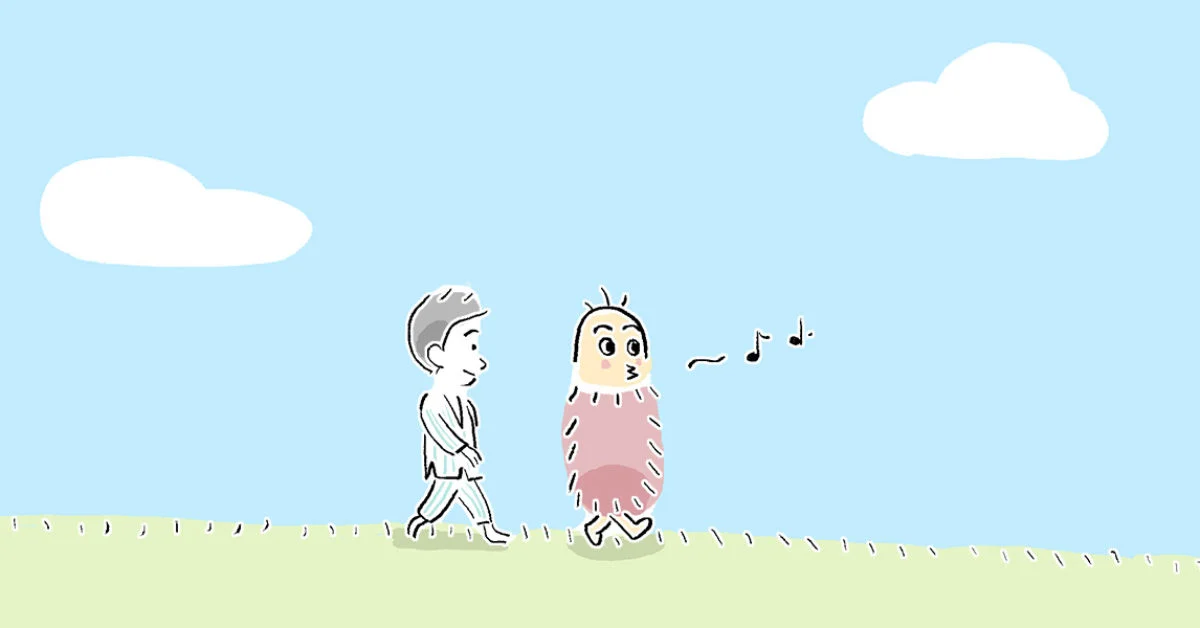
Big See, written by the visionary creator Kim Botong, stands as a landmark in the webtoon medium. It was the first title to ever receive the prestigious "Manhwa of the Day" award in South Korea—a testament to its profound emotional resonance. The narrative follows the heart-wrenching yet hopeful journey of a young man grappling with the terminal stages of cancer.
With over 20 million views worldwide, the webcomic has captured a massive global audience, transcending cultural barriers through its raw exploration of human mortality and the search for meaning in the face of an inevitable end. Unlike traditional dramas that focus on external conflict, Big See is an introspective masterwork, a characteristic that makes it a daring choice for a digital-first adaptation.
A Chronology of Success: From Webtoon to Screen
The path from a digital comic to a televised adaptation is becoming a well-trodden road for Kim Botong’s work. Big See represents the author’s second major foray into screen production.
- The Origins: Kim Botong establishes his reputation with the hit webtoon D.P Dog’s Day, a gritty, realist take on military life.
- The Netflix Connection: Building on the success of his debut, D.P Dog’s Day enters pre-production for a high-profile Netflix adaptation, marking a turning point for the recognition of webtoons as viable source material for prestige television.
- The Expansion: On August 4th, Lezhin Entertainment officially confirms the digital drama adaptation of Big See in partnership with Kakao M.
- The Production Phase: Lezhin Studio, the production arm acquired by Lezhin Entertainment in 2018 to leverage its library of intellectual properties, takes the lead. The project moves quickly through development, prioritizing a "mobile-first" experience.
- The Future Horizon: With the release scheduled for late 2020, the industry eyes the project as a litmus test for hybrid storytelling.
The Production Team: A Masterclass in Collaboration
The production of Big See is a multi-disciplinary effort. Lezhin Studio has assembled a team that bridges the gap between commercial viability and artistic integrity.
Directing the live-action segments is Kim Dong-ha, a filmmaker known for his ability to ground emotional beats in realistic performances. Opposing this grounded approach is the inclusion of Han Ji-won, arguably South Korea’s most prominent animator. By tasking Han with the animated sequences, the production intends to visualize the protagonist’s internal world—the dreams, fears, and abstract realities that exist within his mind—in a way that live-action alone could not achieve.
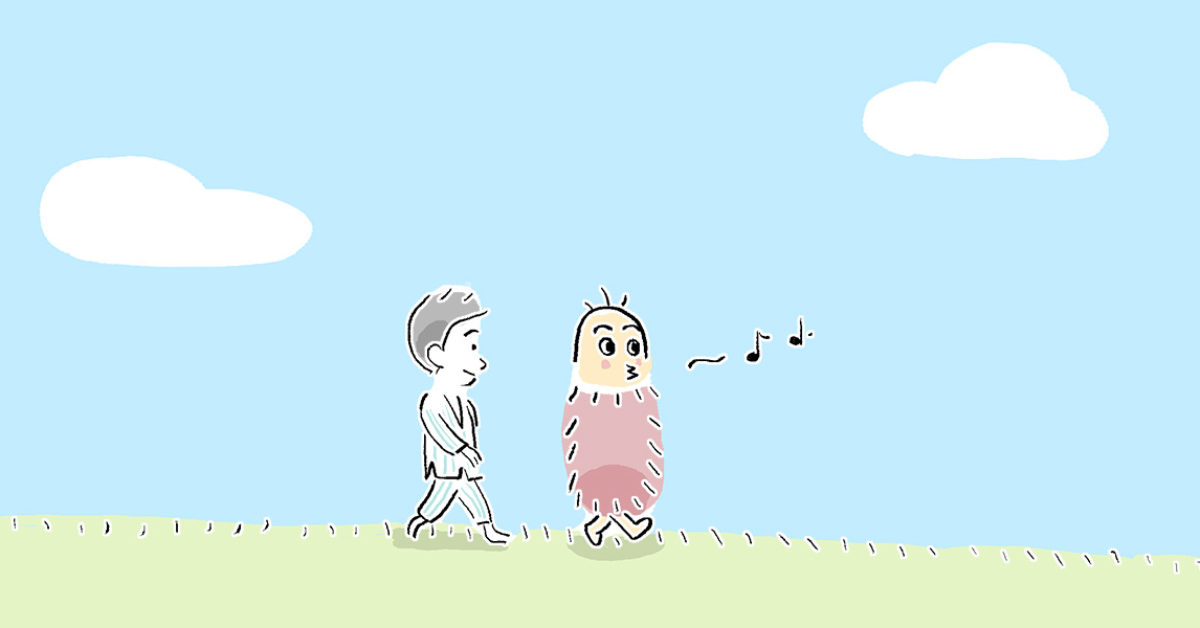
The series will consist of ten episodes, each spanning less than 15 minutes. This format is specifically designed for the KakaoTalk video platform, acknowledging that the primary consumption of this content will occur on smartphones during short breaks or commutes.
The Strategic Vision of Lezhin Studio
Lezhin Studio is not a newcomer to the adaptation game. The studio has previously produced well-received dramas such as Method and Chomi’s Interest for TVN. Currently, the studio is juggling an aggressive slate of projects, including Method: A Second Attempt and the much-anticipated Netflix original series Hell.
The studio’s overarching mission is clear: to dismantle the stigma that webtoons are "disposable" entertainment. By investing in high-production values and collaborating with elite talent like Ji Soo (known for My First First Love) and Lee Seol, Lezhin is positioning itself as a major player in the global content market.
Official Responses and Creative Intent
In an official statement regarding the project, a representative from Lezhin Studio articulated the artistic philosophy driving the adaptation:
"We are incredibly excited to see the performances by Lee Seol and Ji Soo combined with the fantastic atmospheres and environments only possible through animation. Our goal is to create a new reality that dives deep into the horizon between the real world and dreams. This project is a commitment to exploring the full potential of what a digital drama can be."
The choice of casting serves to ground the high-concept animation in relatable, human performances. By pairing a seasoned television star like Ji Soo with the evocative visual language of animation, the producers aim to create an emotional feedback loop that is unique to the Big See experience.
The Global Implications of the Webtoon Format
To understand why Big See is a significant moment in television history, one must understand the dominance of the webtoon format. Born in South Korea and optimized for the vertical-scrolling requirements of modern smartphones, webtoons have evolved into a global phenomenon.
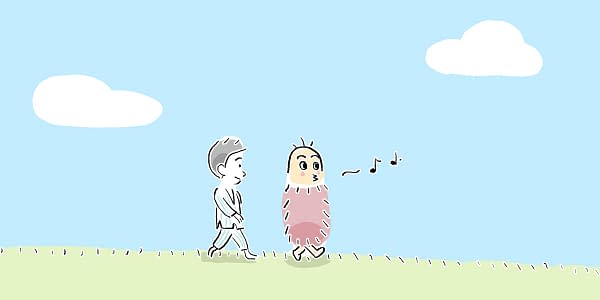
They are, by most metrics, the most successful comic format in the world today. Unlike traditional print comics, which require a retail infrastructure, webtoons are accessible to anyone with an internet connection. This accessibility has fueled a massive, diverse user base numbering in the tens of millions.
1. Breaking the Vertical Scroll Barrier
The transition from a vertical scroll to a horizontal screen is a technical challenge. Big See addresses this by integrating animation, which naturally fits a wider aspect ratio, while using live-action to maintain the intimate, character-focused framing that mobile viewers prefer.
2. The Multi-Platform Future
By partnering with Kakao M, the creators of Big See are leaning into the "ecosystem" model. The drama will not exist in a vacuum; it will live on a platform that integrates messaging, social media, and video content, ensuring that the show reaches its target demographic exactly where they spend their digital lives.
3. Intellectual Property as Currency
For Lezhin Entertainment, the success of Big See is more than just a box-office or viewership metric. It is a validation of their business model: acquire unique, high-quality stories in comic form and cultivate them into multi-media franchises. As competition between streaming giants like Netflix, Disney+, and regional platforms intensifies, the value of pre-existing, fan-vetted IP like Big See has skyrocketed.
Conclusion: A New Horizon for Storytelling
As we look toward the latter half of 2020, Big See stands as a harbinger of the future of content production. The project proves that the lines between mediums—print, digital comics, animation, and live-action television—are not just blurring; they are effectively disappearing.
The success of this adaptation will likely trigger a wave of similar projects, as studios scramble to tap into the vast, untapped potential of the webtoon archives. However, Big See will remain the benchmark. By prioritizing the emotional truth of a story about a terminal patient and choosing to honor that story with a hybrid, experimental visual style, Lezhin Studio and Kakao M have signaled that they are not just interested in adapting content—they are interested in evolving the very language of television.
For the audience, the result promises to be a singular experience: a story that is as intimate as a smartphone screen, yet as expansive as a feature film. Whether the Big See adaptation succeeds or fails in its commercial ambitions, its legacy as a pioneer in cross-media storytelling is already secured.