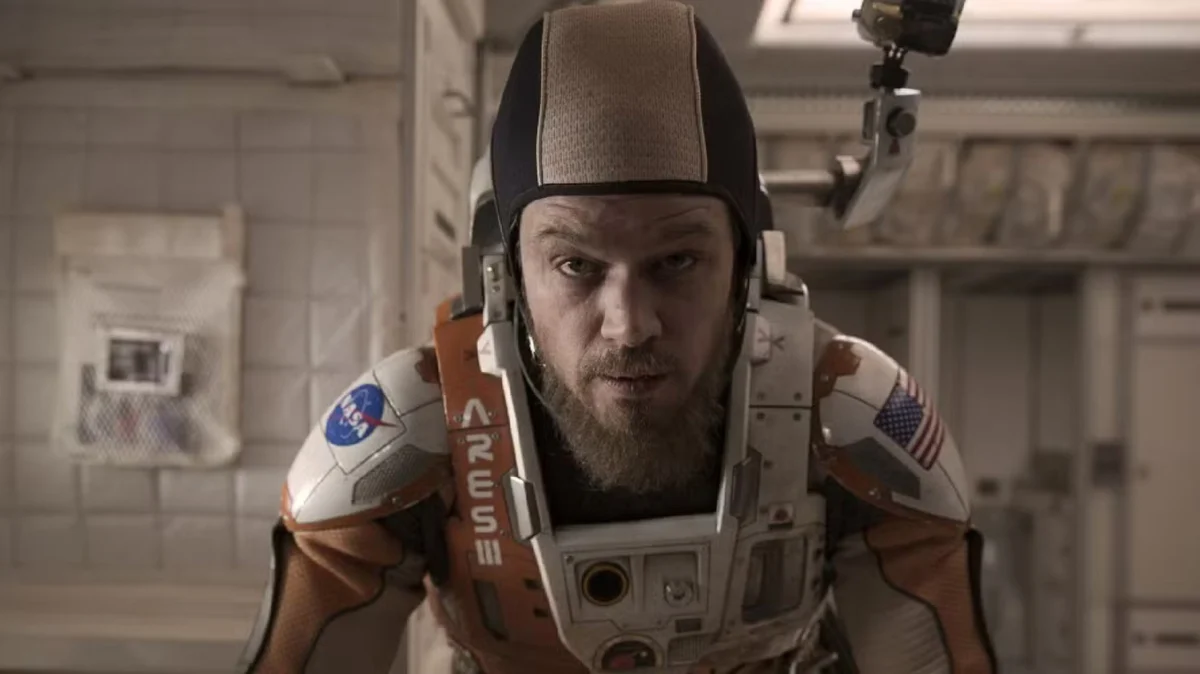
In the landscape of contemporary hard science fiction, few voices have resonated as loudly or as clearly as that of Andy Weir. Since the explosive success of his debut novel, The Martian, Weir has transitioned from a self-publishing phenomenon to a cornerstone of modern cinematic science fiction. With Ridley Scott’s 2015 adaptation of The Martian grossing $630 million and the 2026 blockbuster adaptation of Project Hail Mary cementing his status as a titan of the genre, audiences have become increasingly curious about the foundation upon which Weir builds his intricate, physics-grounded worlds.
To understand the mechanics of Weir’s storytelling—which balances rigorous scientific accuracy with a distinctively modern, irreverent brand of humor—one must look toward the giants on whose shoulders he stands. Weir has long been vocal about his literary lineage, citing a "holy trinity" of science fiction masters whose work not only defined the genre but continues to inform his own creative process: Isaac Asimov, Robert Heinlein, and Arthur C. Clarke.
The Pillars of the Genre: A Chronology of Influence
The evolution of science fiction as a literary pillar is inextricably linked to the works of the "Big Three." For Andy Weir, these authors represent more than just childhood favorites; they are the architects of the tropes he frequently subverts and honors.
Isaac Asimov: The Logic of the Future
Asimov, the polymath behind the Foundation series and the Robot cycle, established the gold standard for intellectual science fiction. His insistence on internal consistency and the logical progression of technology serves as the primary template for Weir’s own protagonists, such as Mark Watney and Ryland Grace. Asimov’s I, Robot introduced the "Three Laws of Robotics," a framework that transformed artificial intelligence from a mystical bogeyman into a complex engineering problem—a transition that mirrors the way Weir treats space travel and survival scenarios.
Robert Heinlein: The Spirit of Self-Reliance
If Asimov provided the logic, Robert Heinlein provided the grit. Known for his "competence porn"—stories where protagonists survive through sheer ingenuity and technical prowess—Heinlein’s influence is most visible in the survivalist ethos of The Martian. Works like Tunnel in the Sky (1955) depict young colonists stranded on an alien world, forced to innovate or die. This survival-against-the-odds narrative is the direct ancestor of Weir’s "science-the-shit-out-of-this" approach to interplanetary disaster.
Arthur C. Clarke: The Grandeur of Discovery
Rounding out the trinity is Arthur C. Clarke, the visionary behind 2001: A Space Odyssey and Childhood’s End. While Asimov focused on the sociology of the future and Heinlein on the character of the survivor, Clarke focused on the wonder of the cosmos. His ability to blend hard physics with profound existential questions provided the blueprint for the vast, cosmic stakes found in Project Hail Mary.
Supporting Data: Why Weir’s "Hard Sci-Fi" Resonates
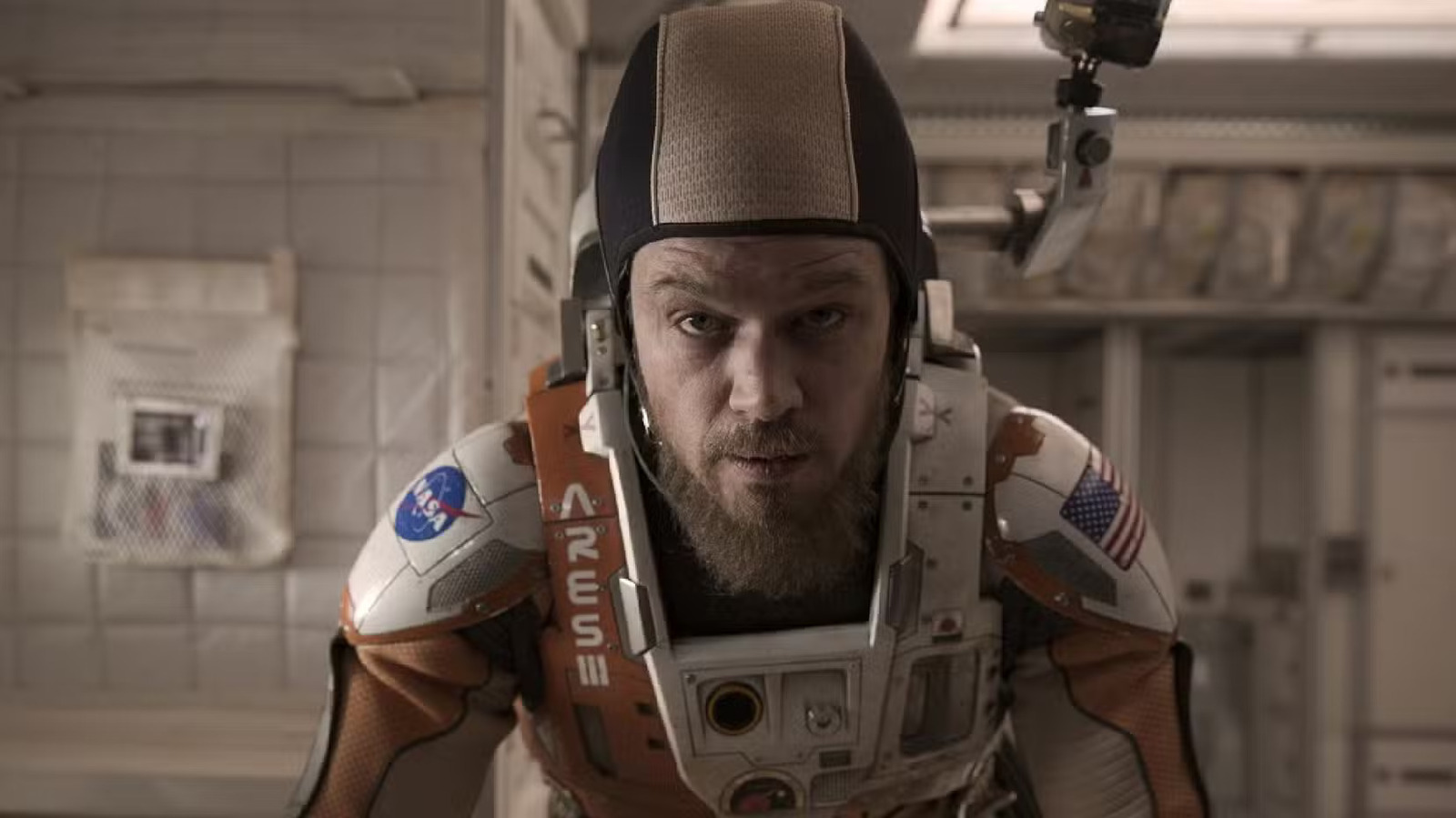
The success of Andy Weir’s adaptations is not merely a matter of star power—though Matt Damon’s portrayal of Mark Watney and Ryan Gosling’s performance in Project Hail Mary have certainly helped. The core of the appeal lies in the "Hard Sci-Fi" subgenre’s resurgence.
Modern audiences, often bombarded with high-fantasy or space-opera narratives, have shown a distinct hunger for stories that feel grounded in reality. Data from film industry analysts suggest that "scientific competency" is a high-ranking metric for audience satisfaction in the current climate. By prioritizing the how over the why, Weir taps into a demographic that enjoys problem-solving as a narrative device.
When Weir discusses his reading habits, he maintains this focus on grounded, logical storytelling. His recent recommendation of Peter Clines’ Paradox Bound—a novel centered on time travel, logic loops, and the mechanics of reality—indicates that his literary appetite remains tethered to the same principles of speculative engineering that define his own writing.
Official Responses and Literary Philosophy
In various interviews and public appearances, Weir has been candid about his relationship with the canon. He often notes that his "favorite" is a fluid concept, dependent on his current intellectual trajectory.
"If I had to pick one book, I’d say I, Robot by Asimov," Weir remarked during a deep-dive interview with Goodreads. "But the real answer would depend on my mood, what day it is, or what I am currently trying to solve in my own draft. I also really like Tunnel in the Sky by Heinlein. It’s about the fundamental human drive to endure, which is a theme I find myself returning to again and again."
Weir’s philosophy is clear: he views the masters not as relics to be worshipped, but as a toolkit. By standing on their shoulders, he is able to see further into the potential of human ingenuity in the vacuum of space. He does not aim to reinvent the wheel; rather, he aims to iterate on the physics of the wheel, ensuring that the next generation of sci-fi readers understands the mechanics of the universe as intimately as they understand the drama of the characters.
Implications: The Future of the Genre
The enduring influence of Asimov, Heinlein, and Clarke on an author as successful as Weir has significant implications for the future of science fiction. It suggests that the "Golden Age" of science fiction is not a closed chapter, but an ongoing conversation.
1. The Normalization of Scientific Literacy
Weir’s success proves that audiences are not intimidated by math or orbital mechanics, provided they are presented with wit and heart. This creates a market incentive for studios to back projects that prioritize intellectual stimulation. We are likely to see an increase in "competence-based" narratives, moving away from the "chosen one" trope toward the "capable expert" trope.
2. The Cycle of Inspiration
Just as Weir has been shaped by the Big Three, a new generation of writers is currently being shaped by Weir. The pedagogical value of his work—where readers actually learn about botany, relativity, and linguistics—is creating a feedback loop where the next generation of sci-fi authors will likely be even more scientifically rigorous.
3. The Cinematic Standard
With The Martian and Project Hail Mary setting a new visual and narrative standard for sci-fi, future adaptations of classic literature will be held to a higher bar. The days of "technobabble" passing for scientific explanation are waning. Audiences now expect a level of authenticity that requires deep collaboration between filmmakers and scientific consultants—a practice that Weir pioneered in the modern era.
Conclusion
Andy Weir’s ascent to the top of the literary and cinematic world is a testament to the enduring power of his foundational influences. By distilling the logic of Asimov, the resilience of Heinlein, and the cosmic wonder of Clarke, Weir has crafted a unique brand of science fiction that is simultaneously retro in its values and cutting-edge in its presentation.
Whether he is writing about a botanist on Mars or a lone scientist saving the solar system, Weir remains a student of the craft. His "holy trinity" serves as a constant reminder that no matter how advanced our technology becomes, the essence of science fiction remains the same: the human spirit, armed with nothing but intellect, curiosity, and a sense of humor, facing the infinite unknown. As we look toward the future of the genre, it is comforting to know that the legacy of the masters is in such capable, and scientifically accurate, hands.