
 Nila Kartika Wati
In an era defined by the cold, algorithmic perfection of high-end CGI and the rapid encroachment of generative AI, the global entertainment industry has become increasingly homogenized. We are currently living in the age of the $300 million blockbuster—technically flawless, visually sterile, and often narratively hollow. Yet, in a defiant twist of fate, the most unlikely challenger to this status quo has emerged from the coastal city of Dalian, China.
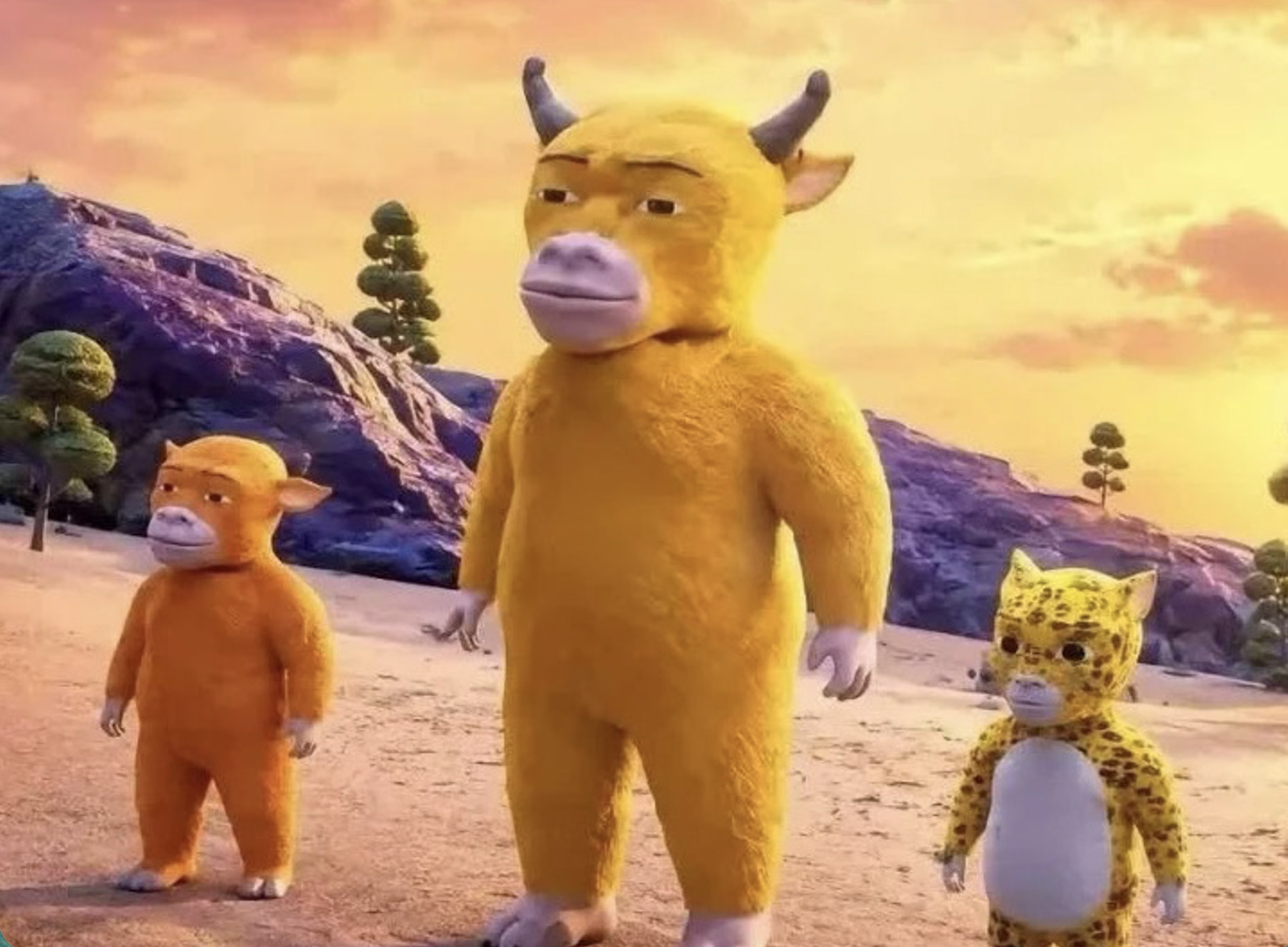
Niu Lai, an animated film produced on a shoestring budget by a mother-son duo using consumer-grade hardware, has become a box-office sensation. Its success is not a result of sophisticated marketing or cutting-edge rendering, but rather a visceral reaction against the soulless digital polish that dominates modern screens. Much like the punk rock explosion of the 1970s, which served as a raw, noisy antidote to the over-produced, bloated rock music of the era, Niu Lai represents a cultural pivot point—a reminder that audiences are starving for the fingerprints of human imperfection.
The Genesis of an Unlikely Smash
The production history of Niu Lai reads like a modern-day folk tale. The creative force behind the project is Xin Yumeng, a former interior designer with no formal training in film or animation. For five years, operating out of his home in Dalian, Liaoning province, Xin handled every facet of the film’s creation. From character modeling and rigging to lighting, editing, and sound design, the film was a solitary labor of love, brought to life on second-hand computers.
His mother, Sun Lifang, served as the creative partner, teaching herself the nuances of screenwriting while providing the voices for the film’s female characters. The duo’s ambition was matched only by their lack of resources. When the film finally premiered on August 5, it did so without the safety net of a major studio, a marketing budget, or a polished trailer. It entered the market with nothing more than a simple, hand-drawn ink-wash poster.
A Chronology of the Rise
The trajectory of Niu Lai provides a masterclass in modern digital virality. The film’s opening days were, by any traditional metric, a failure. Debuting in 245 cinemas, it generated a mere 7,169 yuan (approximately $1,000 USD) during its first nine days. In the eyes of the industry, it was a ghost—a project that had arrived dead on arrival.
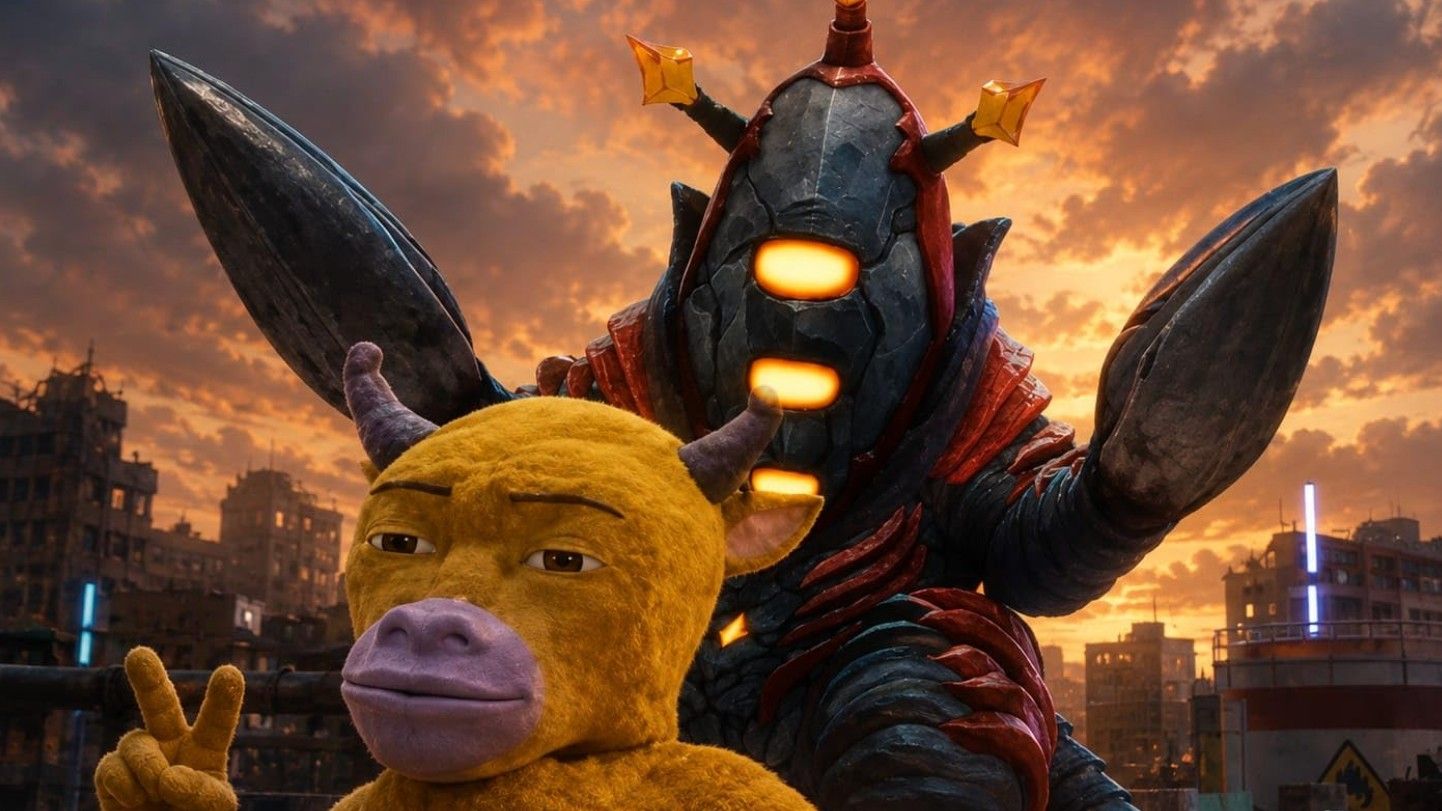
However, the tide turned when the film hit the Chinese social media landscape. Initially, the reception was rooted in irony; users shared clips of the film’s jerky, low-resolution 3D models and surreal, nonsensical plot points to mock its amateurish execution. But something peculiar happened during this process of mockery. The "so bad it’s good" sentiment shifted into genuine fascination. Viewers began to find something refreshing in the film’s refusal to conform to industry standards.
By the time the momentum had fully shifted, Niu Lai had transcended its status as a laughingstock. It became a symbol of grassroots perseverance. Cinemas across China, sensing the public’s growing attachment, began to host screenings where staff members created their own hand-drawn posters to promote the film, turning the project into a community-led event.
Supporting Data: The Numbers Behind the Phenomenon
The economic impact of Niu Lai is, by any standard, staggering. From a nearly non-existent start, the film has climbed the domestic charts, grossing over 25.67 million yuan (approximately $160,000 USD / £120,000 GBP).
While these figures might seem modest compared to global franchise tentpoles, they represent a massive return on investment. In a year where major studio films are struggling to justify their massive budgets, Niu Lai stands as a top-10 animated film in its native market. This success underscores a growing trend: audiences are increasingly disillusioned with high-fidelity, high-cost content that feels manufactured in a lab. Niu Lai proved that the "human touch"—even when that touch is clumsy, pixelated, and strange—possesses a magnetic appeal that $300 million of compute power cannot replicate.
The Industry Response: A Divided House
The critical reception to Niu Lai has been polarized, reflecting a deep divide within the creative community. On one side are the traditionalists and industry professionals who view the film as an affront to technical standards. They argue that the jerky animation and erratic sound design undermine the medium, viewing its success as a temporary fad or an act of collective trolling.
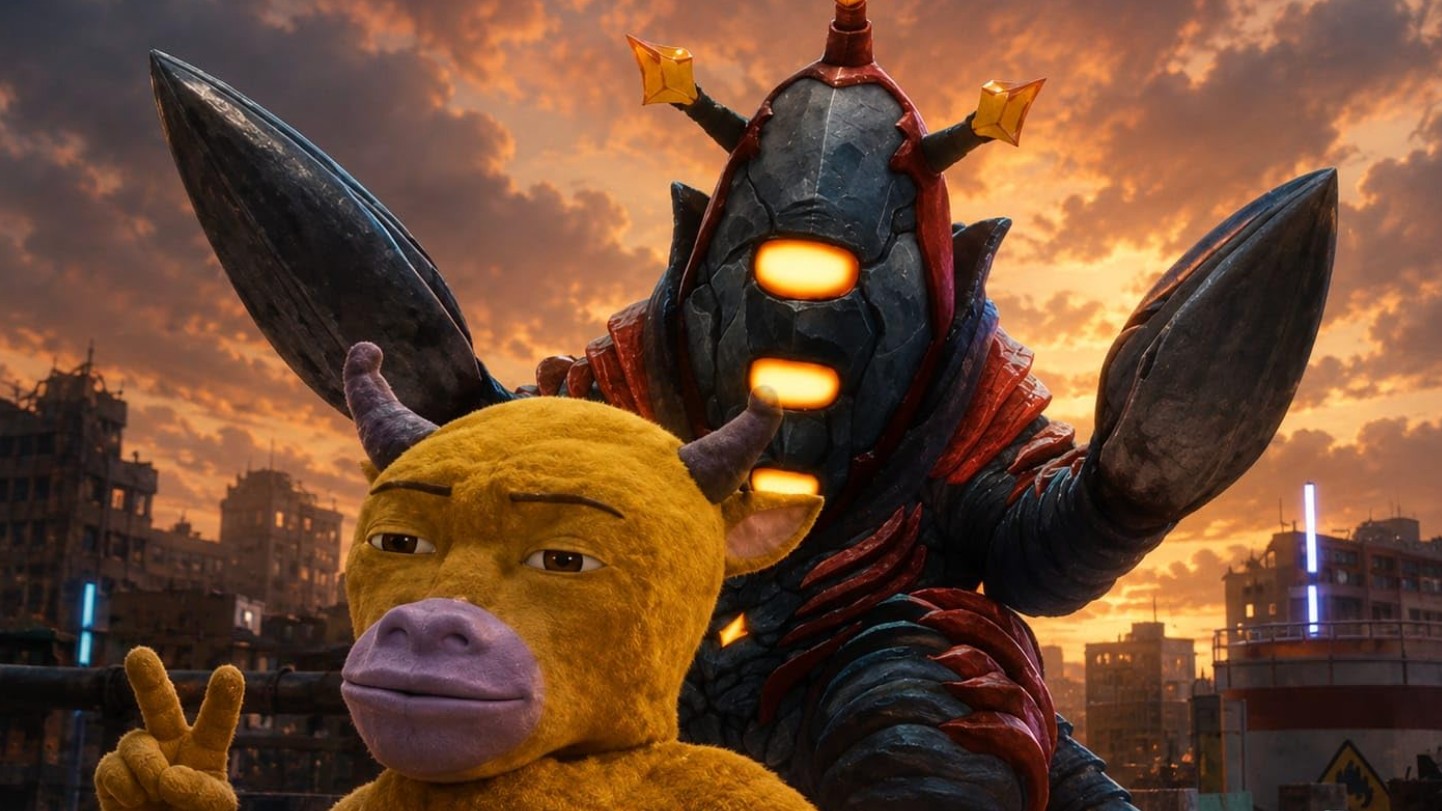
Conversely, a growing contingent of critics and audiences views the film as a necessary disruption. They argue that the "unpolished" nature of the film is its greatest asset. In an interview context, those championing the film point to the "uncanny valley" effect—the discomfort we feel when digital characters are almost perfect but not quite. Niu Lai avoids this by being overtly, proudly imperfect. It doesn’t try to pass itself off as reality; it exists as a testament to the fact that someone sat in a room and worked for five years to build a world.
Implications: The Punk Rock of the Digital Age
The success of Niu Lai forces us to confront a fundamental question about the future of creativity: Is the era of "technical perfection" coming to an end?
In the 1970s, the Sex Pistols and The Clash were seen as a threat to the polished, symphonic rock of the era. Their music was often described as "unlistenable noise," yet it captured a raw energy that the mainstream had sanitized away. Today, we see a parallel with AI-generated art, music, and film. As these tools become more accessible, the barrier to creating "perfectly produced" content is dropping to zero. Consequently, the value of that perfection is also plummeting.
If any machine can generate a photorealistic image or a perfectly rendered 3D scene in seconds, then the sheer act of technical production loses its prestige. What remains, and what audiences seem to be craving, is the evidence of human struggle, intent, and personality.
The Return of the Human Element
The "Niu Lai effect" suggests that in 2026 and beyond, we may see a surge in "Lo-Fi" creative media. Just as vinyl records saw a resurgence in a world of compressed digital streaming, the public is beginning to seek out creative works that bear the scars of their creation.
This is not to say that technical excellence is dead, but rather that it is no longer the sole arbiter of quality. The implications for creators are profound:
- Authenticity over Polish: Future audiences will likely prioritize works that feel personal and idiosyncratic.
- The "Humanity" Premium: There will be an increasing premium on content that can be definitively traced back to human decision-making, mistakes and all.
- Institutional Disruption: Large studios may find that their massive budgets are a liability, as they struggle to replicate the raw, unpredictable charm that indie creators can produce with limited resources.
Conclusion: A New Cultural Revolution
The story of Niu Lai is not really about an animation at all. It is about a shift in the collective consciousness. When we look at the history of art, we find that periods of intense technological advancement are almost always followed by a reactionary movement that champions the handmade, the raw, and the subversive.
We are currently witnessing that reaction. Whether it is a listener turning off a perfectly mixed pop track to put on a garage-band demo, or a moviegoer choosing a bizarre, low-budget Chinese animation over the latest multi-million dollar sequel, the message is clear: the audience wants to feel something real. They want to see the person behind the screen.
As for the creators of Niu Lai, they have inadvertently become the pioneers of this new, unpolished movement. There is no need for them to apologize for their animation quality or their bizarre plot beats. In a world of synthetic perfection, their "messy" labor has become the most valuable commodity of all: a genuine human connection. As we move further into the digital age, we would do well to remember that sometimes, the most profound artistic statements are the ones that don’t quite hit the mark—they are the ones that leave a mark instead.


 Dwi Wanna
 Lina Irawan




