Iffa Jayyana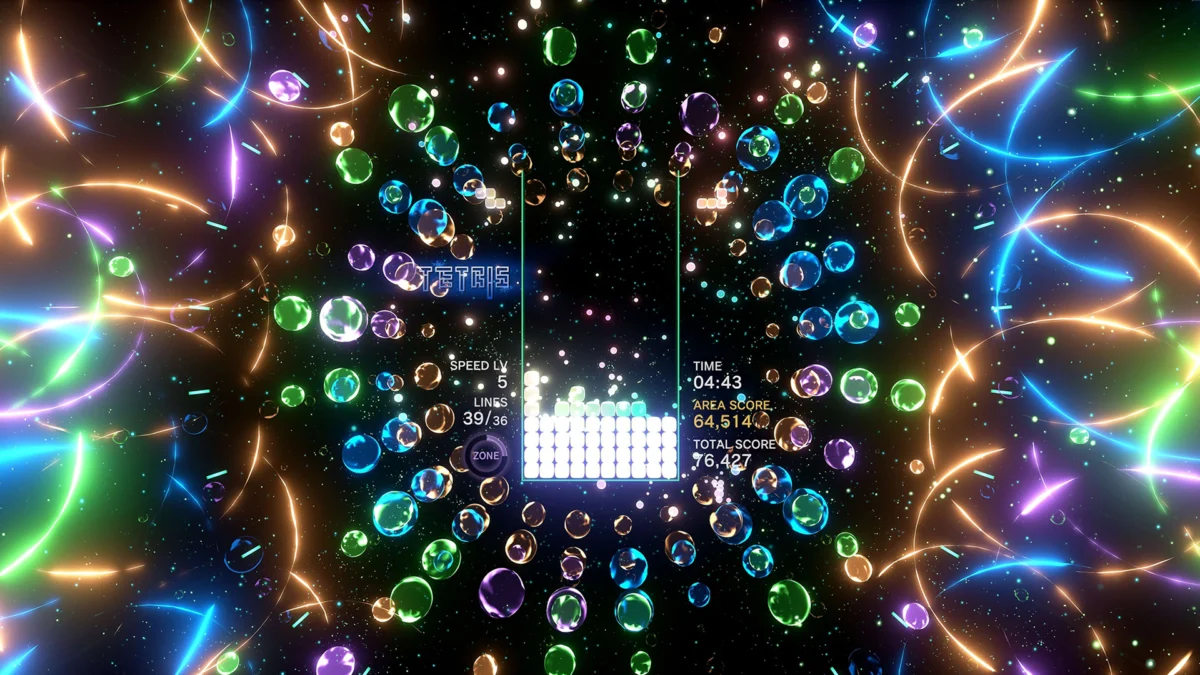
Welcome to Disk Cleanup, our recurring weekend feature where we peer into the digital sanctums of the industry’s most influential figures. This week, we sit down with Harry Krueger, the visionary game director behind some of the most visceral and technically demanding action titles of the last decade. From the neon-drenched kineticism of Nex Machina to the haunting, high-octane roguelike loops of Returnal, Krueger has spent his career defining what it means to push the limits of player reflexes.
Today, we move beyond the development logs to explore the software, the history, and the personal habits that drive a master of the "bullet-hell" genre.
A Journey from LAN Parties to BAFTA Glory
Harry Krueger’s introduction to the world of PC gaming was not a childhood pastime, but a sudden, immersive dive into the deep end during early adulthood. It was the era of the late-90s deathmatch revolution, and for Krueger, there was no turning back once he experienced the high-octane thrills of Quake 3: Arena.

"I went from zero to hero, basically," Krueger reflects. "I went from never having a PC ever in my life to setting up a LAN and getting Quake 3: Arena, Tiberian Sun, and Red Alert. We’d gather with friends over in Greece, and we’d play in my house with two teams. It was a friendly—and sometimes not so friendly—competition."
This competitive spark, fueled by the raw speed of arena shooters and the strategic depth of real-time strategy games, laid the foundation for his professional trajectory. Krueger joined the Finnish studio Housemarque, a developer synonymous with arcade-style perfection. Over his tenure, he climbed the ranks from programmer to a pivotal creative force, directing the studio’s transition into high-fidelity, AAA-adjacent experiences. His work on Nex Machina—a spiritual successor to the golden age of arcade shooters—and the critically acclaimed, four-time BAFTA-winning Returnal, cemented his reputation as an architect of "evocative, gameplay-first" design.
In 2022, seeking a new challenge, Krueger departed Housemarque to found his own venture: Cosmic Division. While the studio is currently operating in stealth mode, Krueger promises that their debut title will retain the "arcade action DNA" that has defined his career, while potentially subverting the expectations of fans familiar with his past work.

Gaming Habits: The "Requiem" for Traditional Horror
When he isn’t shaping the future of action games, Krueger remains a student of the medium, carefully selecting titles that resonate with his design sensibilities. Recently, he has found himself captivated by Resident Evil: Requiem.
"I’m a huge Resident Evil fan, and I honestly had pretty high expectations for Requiem, and it definitely delivered on all of them," he says. For a director who focuses so heavily on the flow of gameplay, the appeal of Resident Evil is clear: it is a masterclass in balancing power fantasies with vulnerability.
Krueger speaks to the satisfaction of the series’ core loops—the "keys and secrets" exploration that rewards the completionist. As someone who spends his professional life balancing difficulty spikes and player agency, he notes that Requiem succeeds by making every bullet count. Having already completed the game once, he is currently waiting for a breather in his development schedule to return for a second, more thorough playthrough.

A History of Influence: From Monkey Island to Deus Ex
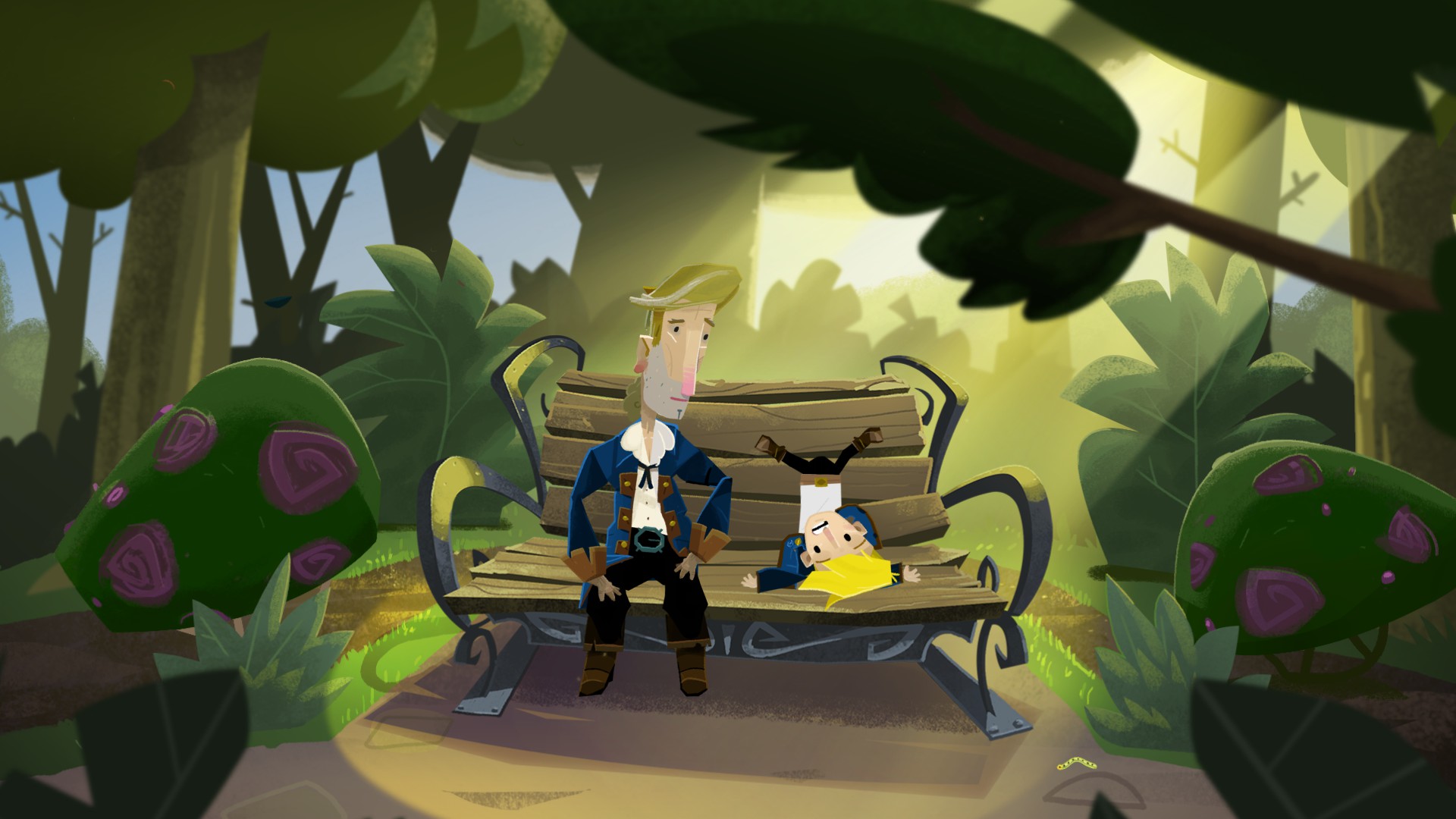
Krueger’s appreciation for game design isn’t limited to high-speed action. His recent revisit of Return to Monkey Island highlights a deep respect for the craft of writing and puzzle design.
"I do feel that, in some ways, getting a consistently high caliber of humor is the hardest thing to nail across any media," he explains. He notes that while Monkey Island is widely celebrated for its wit, the technical execution of that humor—maintaining an "endearing, sweet spot"—is a rare feat. He found the latest installment to be a true "return to form," even if he found the puzzles slightly more accessible than the classics of the 90s.
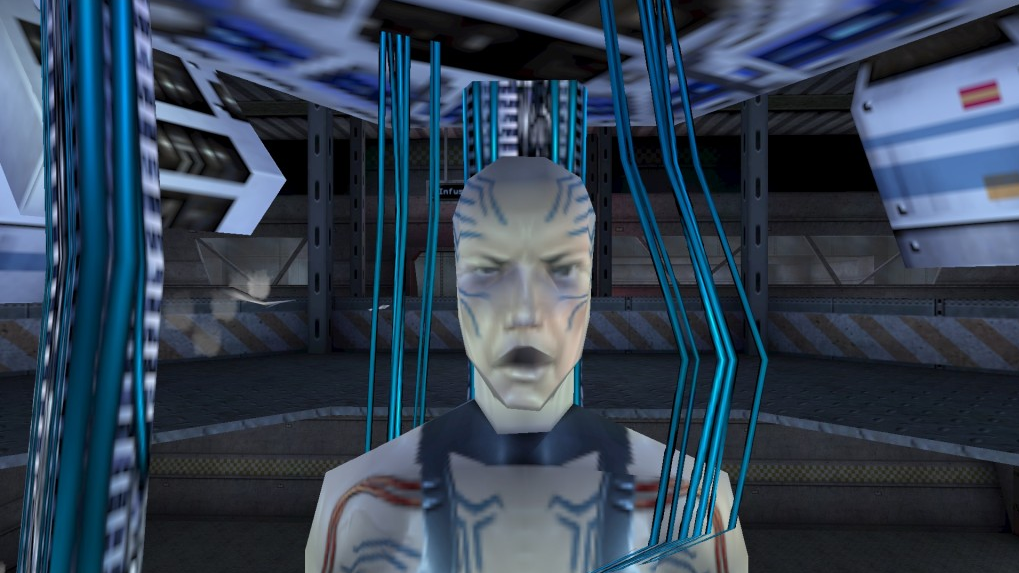
However, when looking for the "anchor" of his PC—the game that never leaves his hard drive—Krueger returns to the year 2000. The original Deus Ex remains, in his view, the "best cyberpunk story ever told."
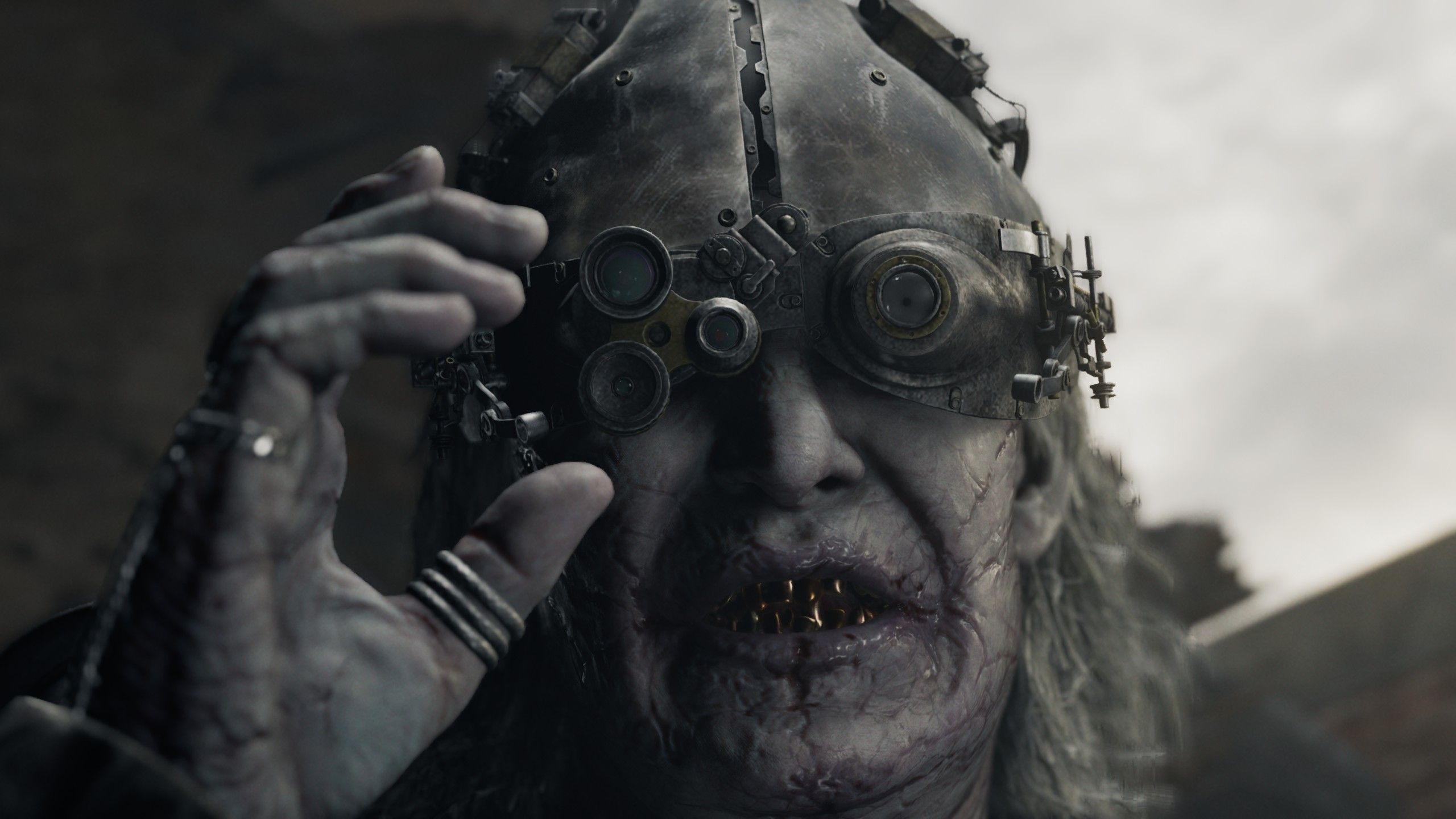
"I like to play mostly stealth," he notes, describing his preferred approach to the immersive sim. "I try to play as a completionist and leave no stone unturned and no enemy unkilled." For Krueger, Deus Ex isn’t just a game; it is a repository of design philosophy. He considers it an essential touchstone for decision-making and non-linear level design.
The Metrics of Flow: Tetris Effect and 200 Hours
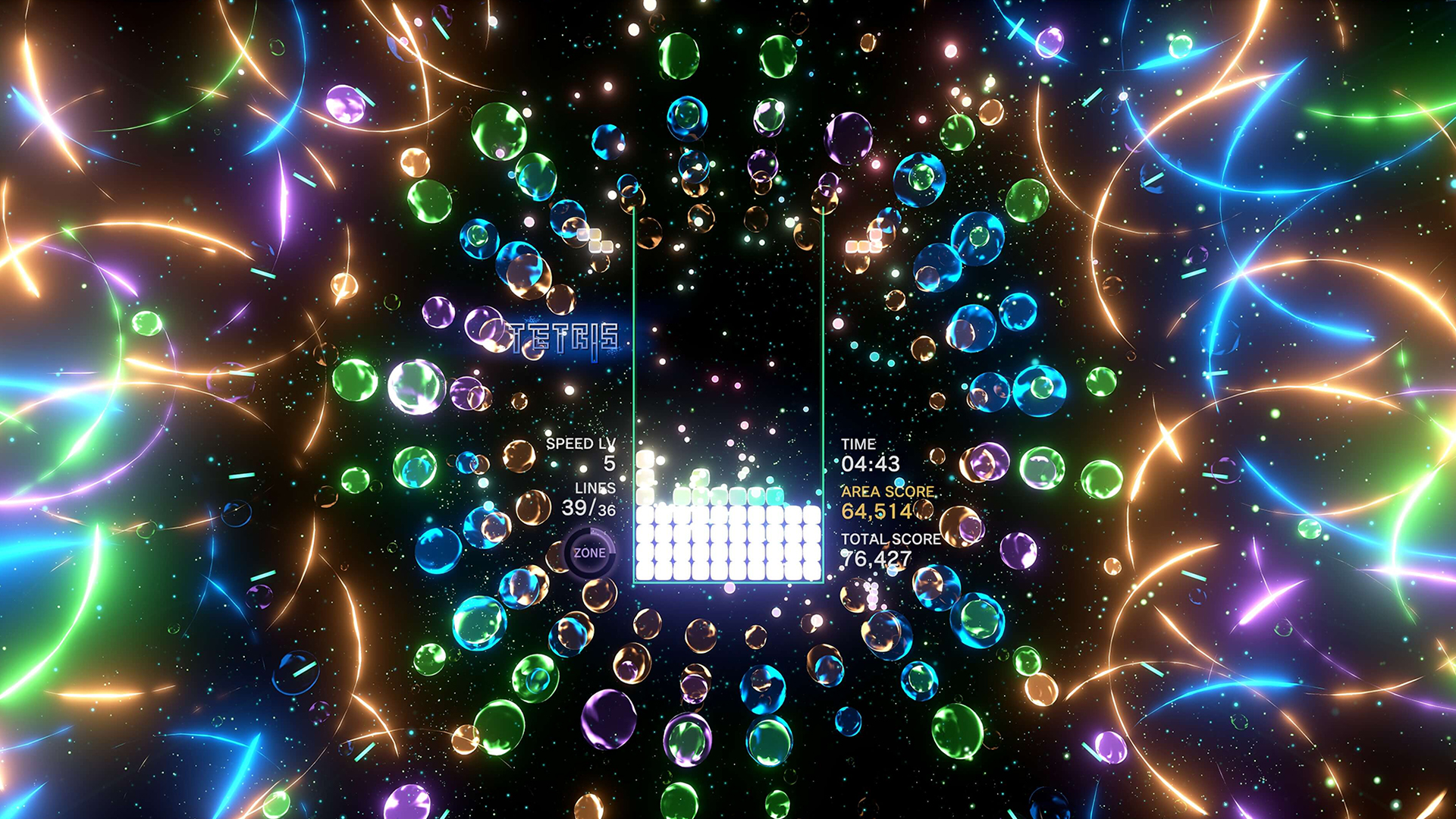
Perhaps the most surprising entry in Krueger’s library is his dedication to Tetris Effect, a game in which he has logged over 200 hours. For a director of intense, bullet-hell experiences, Tetris represents the pinnacle of "effortless" design.
"It’s a good reference when it comes to game-feel," Krueger explains. "You know you can make it functional, but getting it to feel crunchy and satisfying… it takes a lot of effort for something to feel effortless." He describes the game’s Zone mode as his primary tool for achieving a flow state, a necessary mental reset for someone who spends his days agonizing over the mechanics of Returnal and his new project.
The "Treasure" of Minimalism: Ikaruga
If Deus Ex is the foundational text, Ikaruga is the spiritual heart of Krueger’s collection. He considers this vertical shooter from the legendary studio Treasure to be "poetry in motion."
"It’s one of my favorite and most influential games of all time," he says. He notes that the elegance of Ikaruga’s mechanics—specifically the polarity-switching system—served as a direct inspiration for his work at Housemarque. Beyond the gameplay, he admires the game’s narrative minimalism. "There’s something comforting and soothing about just having it always installed. It’s like having an old friend nearby."
Workflow: Distilling Chaos with PureRef
When asked about the non-gaming software that powers his creative process, Krueger points to PureRef. For a developer, the challenge of creating a new world is essentially an exercise in synthesis—taking thousands of disparate references and distilling them into a cohesive aesthetic.
"You get a lot of different images and different ideas with texture and themes, and then you start seeing patterns," he explains. "I find it almost like a distillation process that you have all these raw materials in one large vat, and then you slowly, iteratively distill it down to the bare essentials."
This focus on structure extends to his digital workspace. While he admits his desktop isn’t "obsessively" tidy, he maintains a clear spatial organization: projects in the top-right, hobbyist music production files in the top-center, and a "temp" folder that may or may not have been active for a decade. For Krueger, the screen reflects the mind—a place where, despite the complexity of the work, there is always a path through the clutter.
Implications for the Future of Cosmic Division
As Krueger looks toward the future, the lessons gleaned from his favorites—the atmospheric horror of Resident Evil, the narrative depth of Deus Ex, and the mechanical purity of Ikaruga—provide a roadmap for Cosmic Division.
The industry is watching closely. Having proven his ability to marry the intensity of arcade shooters with the narrative weight of modern gaming, Krueger’s transition into an independent, "lean and mean" studio model suggests a desire to return to the essence of design. If his personal library is any indication, the next title from Cosmic Division will likely be a game that prioritizes "crunchy" feel, meaningful player choice, and a visual language that is as meticulously organized as his own digital mood boards.
Harry Krueger’s PC is not just a gaming station; it is a catalog of inspirations, a toolkit for a creator who understands that the secret to a great game is not just adding more, but knowing exactly what to take away. As we wait for the first official reveal from his new studio, one thing is certain: the bar for "evocative, gameplay-first" experiences has been set, and Krueger is already working on the next iteration of the loop.


 Asro
Asro
 Muslim