Raul Delapena Setiawan
The gaming landscape is constantly evolving, but few developers have carved out a niche as distinct and intellectually stimulating as Remedy Entertainment. Since the 2019 release of Control, the Finnish studio has been synonymous with "New Weird" fiction, bureaucratic horror, and meta-narrative storytelling. As fans eagerly await the next entry in this expanding universe, Control: Resonant, fresh insights from Art Director Elmeri Raitanen have provided a glimpse into the sheer scale and mechanical evolution of the upcoming sequel.
In a recent, exclusive interview, Raitanen—a 17-year veteran of the studio—revealed that Control: Resonant is set to be twice as large as the original title. More than just a simple expansion of space, the game represents a total overhaul of the series’ combat rhythm and visual philosophy, moving the narrative focus from Jesse Faden to her brother, Dylan Faden.
Main Facts: A New Perspective on the Oldest House
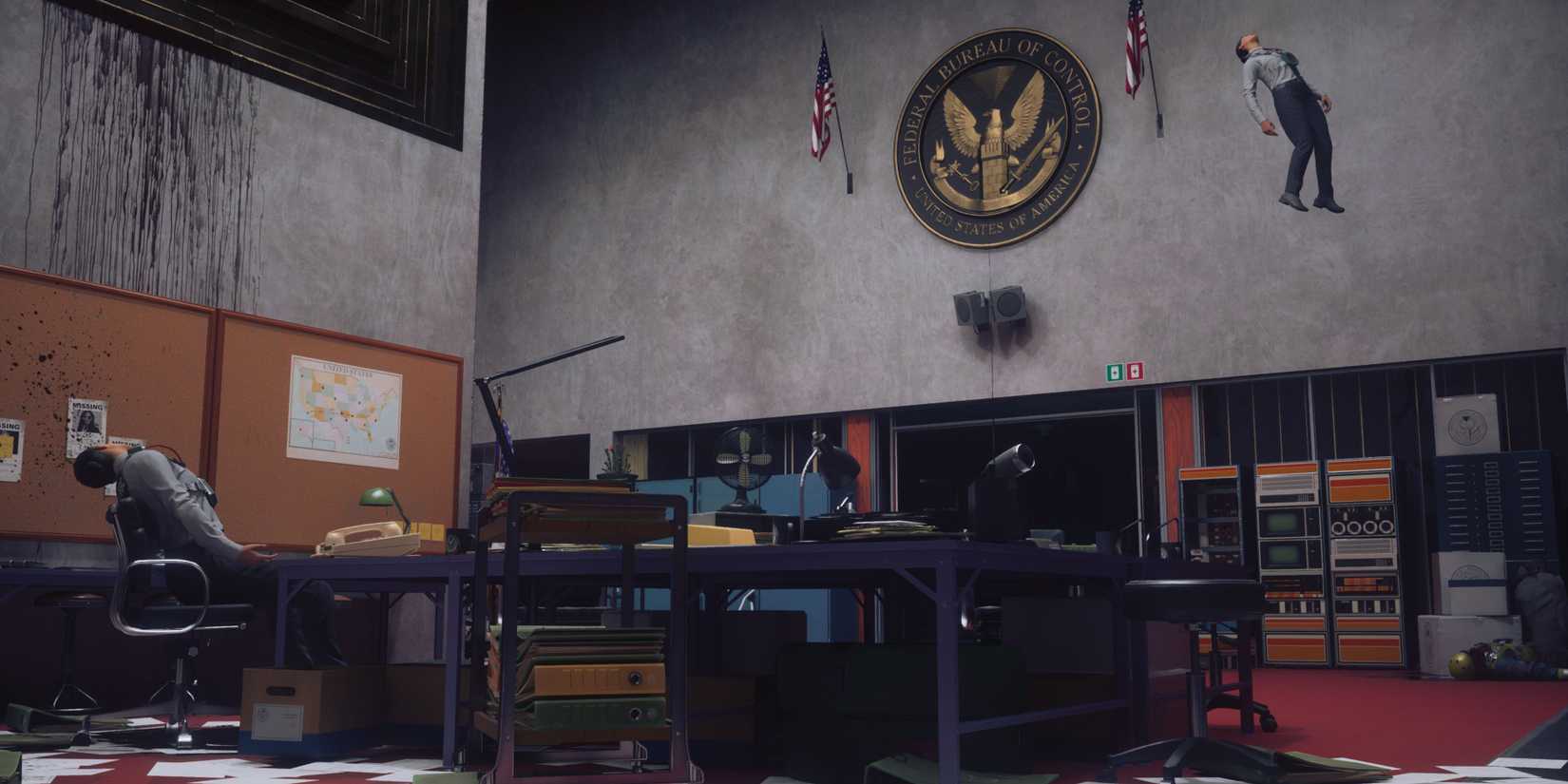
The shift in protagonist is perhaps the most significant departure from the original game. While Jesse Faden’s journey in the first Control was defined by her discovery of the Federal Bureau of Control and her mastery of telekinetic powers, Control: Resonant explores the aftermath through the eyes of Dylan Faden.

Dylan’s story is one of internal fracture and psychic instability, a theme that permeates the game’s design. Raitanen notes that the environmental storytelling will reflect this, with the architecture of the Oldest House reacting to the protagonist’s unique psychological state. The game is confirmed to be twice the size of its predecessor, utilizing modular city-building techniques to create a more expansive, fluid, and terrifyingly vast environment than the claustrophobic, brutalist corridors of the first game.
A Chronology of Remedy’s Evolution
To understand the ambition behind Control: Resonant, one must look at the path Remedy has traveled. Raitanen’s own history with the company serves as a mirror for this growth. Joining the team in 2009 for the original Alan Wake, Raitanen began his career as a cinematic compositor. His transition to Visual Effects (VFX) during the development of Quantum Break marked a turning point for the studio.
"I was the very first VFX artist by that title ever at Remedy," Raitanen explained. "Before that, all visual effects were done by graphics programmers who wrote the code. We didn’t necessarily have any tooling for artists at that point."

The subsequent years saw the development of the "Northlight" engine, a proprietary piece of technology that has since powered the studio’s most visually demanding titles. The progression from Quantum Break to the first Control, and eventually the atmospheric, foliage-heavy Alan Wake 2, has culminated in the technical capabilities seen in Resonant. Each title has acted as a stepping stone, with lessons in lighting, physics-based destruction, and live-action integration feeding directly into the design of this new sequel.
Supporting Data: The Mechanics of Chaos
One of the most striking revelations from the interview is the intended pace of Control: Resonant. Raitanen candidly admitted that this is, by far, the fastest game the studio has ever produced.
"Dylan basically can’t even walk—he’s just running everywhere," Raitanen noted. This movement speed is a direct response to a more aggressive, high-octane combat system. The Northlight engine has been pushed to handle significantly more enemies on-screen simultaneously than in the original game.

This creates a "visual hierarchy" challenge. When the screen is filled with telekinetic debris, Hiss-corrupted entities, and environmental destruction, the player must still be able to distinguish between threat types at a glance. The art team has focused heavily on distinct silhouettes for enemies, ensuring that players can immediately differentiate between a ranged threat and a heavy, hulking melee combatant even in the middle of a chaotic firefight.
Official Responses: Navigating the Creative Void
Serving as an Art Director at a studio like Remedy is no small task, particularly when the company’s brand identity is built on ambiguity and mystery. Raitanen discussed the "professional uncertainty" inherent in his role.
"With something as subjective as art, there’s no binary right or wrong answer," Raitanen stated. "I’m purely operating with my past experiences and my own taste. I need to defend why I think this is the right thing for the game… I don’t have the correct answer either! I just have a gut feeling that this might make a lot of sense for a Control game."
This gut-level approach is what gives Remedy’s games their "unique voice." The team isn’t interested in safe, predictable design; they are looking for the bizarre, the unsettling, and the avant-garde. This philosophy even extends to technical performance. In a lighthearted admission, Raitanen mentioned that some visual glitches in the game are so intentionally bizarre that players might struggle to distinguish between a genuine bug and a deliberate, "Hiss-induced" anomaly.
Implications: The Future of the Remedy Connected Universe
The implications of Control: Resonant for the larger Remedy Connected Universe are profound. By integrating the lessons learned from the "Evacuation Zone" sequences in Alan Wake 2—specifically the blend of live-action and real-time gameplay—Resonant promises to be a more seamless, immersive experience than ever before.
The move toward larger, more open scenarios indicates that the developers are moving away from the "contained" feeling of the original Bureau offices. While the core of Control remains firmly planted in the strange, bureaucratic horror of the FBC, Resonant aims to expand the scope to a scale that feels genuinely monumental.
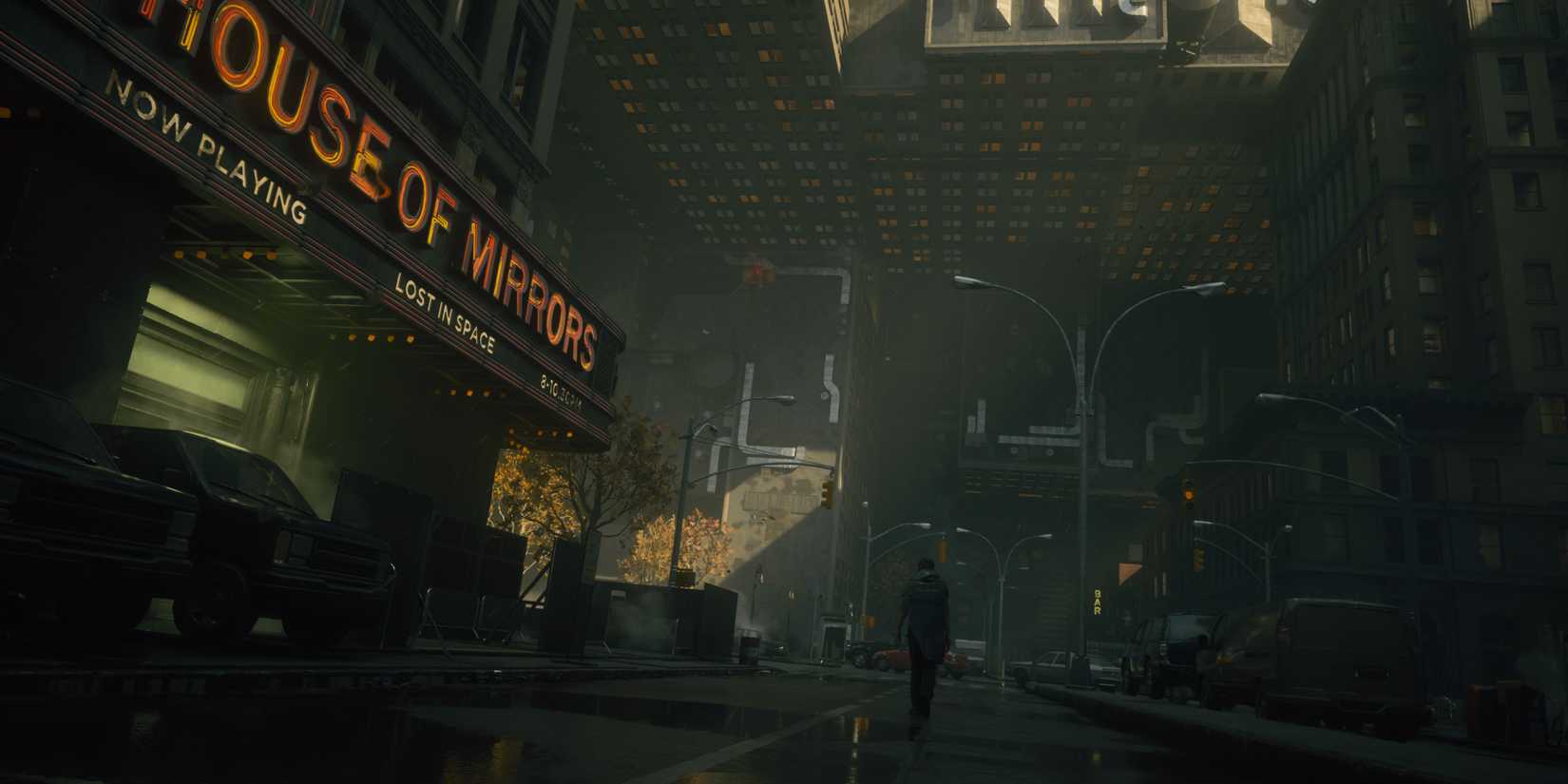
Perhaps most exciting for long-time fans is the promise of "tentpole moments." Remedy is famous for its surreal, reality-bending set pieces, and Raitanen hinted that these will be a staple of the new game. However, he maintained a strict policy of silence regarding spoilers, insisting that the impact of these moments is entirely dependent on the player being surprised.
Conclusion: A New Standard for the Supernatural
As the industry looks toward the next generation of narrative-driven action games, Control: Resonant stands out as a testament to the power of iterative design. By taking the foundation of the first game—the kinetic, physics-based combat—and scaling it up in speed, world size, and visual density, Remedy is positioning itself to define the genre once again.
Whether through the lens of Dylan Faden’s fractured psyche or the terrifying evolution of the Hiss, the game appears to be a masterclass in controlled chaos. For those who have been following the breadcrumbs left by Alan Wake and the original Control, Resonant is shaping up to be not just a sequel, but a transformation—a faster, larger, and more unpredictable dive into the depths of the paranormal. As Raitanen put it, "The Bureau has never moved this fast," and players would do well to prepare themselves for the rush.


 Asro
Asro
 Muslim