

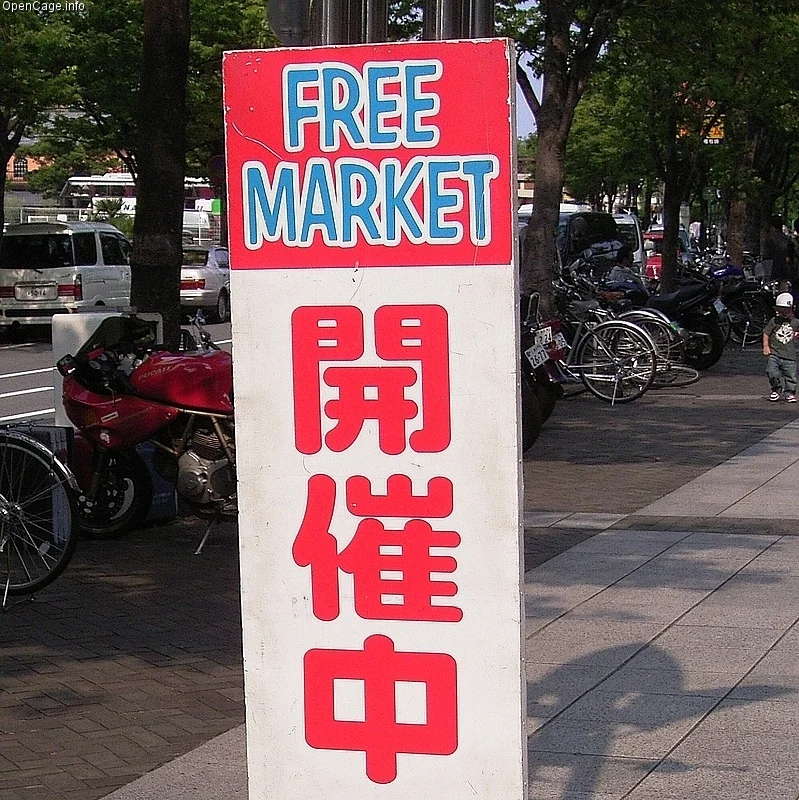
For travelers who have exhausted the polished, neon-lit corridors of Tokyo’s Ginza or the highly curated souvenir shops of Kyoto’s Gion district, Nagoya offers a different kind of discovery. Tucked away in the center of Japan’s fourth-largest city lies a tradition that feels remarkably unscripted: the Osu Kannon Antique Market. Held on the 18th and 28th of every month, this gathering transforms the hallowed, paved grounds of a 14th-century Buddhist temple into a sprawling, open-air bazaar of Japanese history.
Unlike the tourist-facing markets found in major hubs, the Osu Kannon Antique Market remains a "working" event—a space where local collectors, professional dealers, and hobbyists converge to trade everything from Edo-period woodblock prints to Showa-era vinyl records. It is a portal into the material culture of Japan, offering a rare, authentic glimpse into the nation’s past.
The Main Facts: Navigating the Osu Phenomenon
The Osu Kannon Antique Market is the preeminent recurring antique event in the Aichi Prefecture. On a standard market day, visitors will find roughly 80 stalls, though this number often swells to over 120 during weekend dates. The price range is as vast as the inventory; one can find trinkets starting at a modest ¥500 or invest in serious collector-grade pieces reaching upwards of ¥500,000.
For the international traveler, the market offers a distinct advantage: you are unlikely to encounter a throng of tour groups. It is a space where the rhythm of commerce is set by locals, providing an unfiltered experience of Japanese market etiquette.
Key Logistics at a Glance
- Location: Osu Kannon Temple, Naka-ku, Nagoya.
- Schedule: 18th and 28th of every month (rain or shine, unless extreme weather conditions apply).
- Hours: Vendors typically arrive at sunrise, with peak activity between 09:30 and 14:00. By 16:00, most have begun the packing process.
- Accessibility: Easily reached via the Tsurumai Line at Osu Kannon Station (Exit 2).
A Chronology of Continuity: The Temple’s Legacy
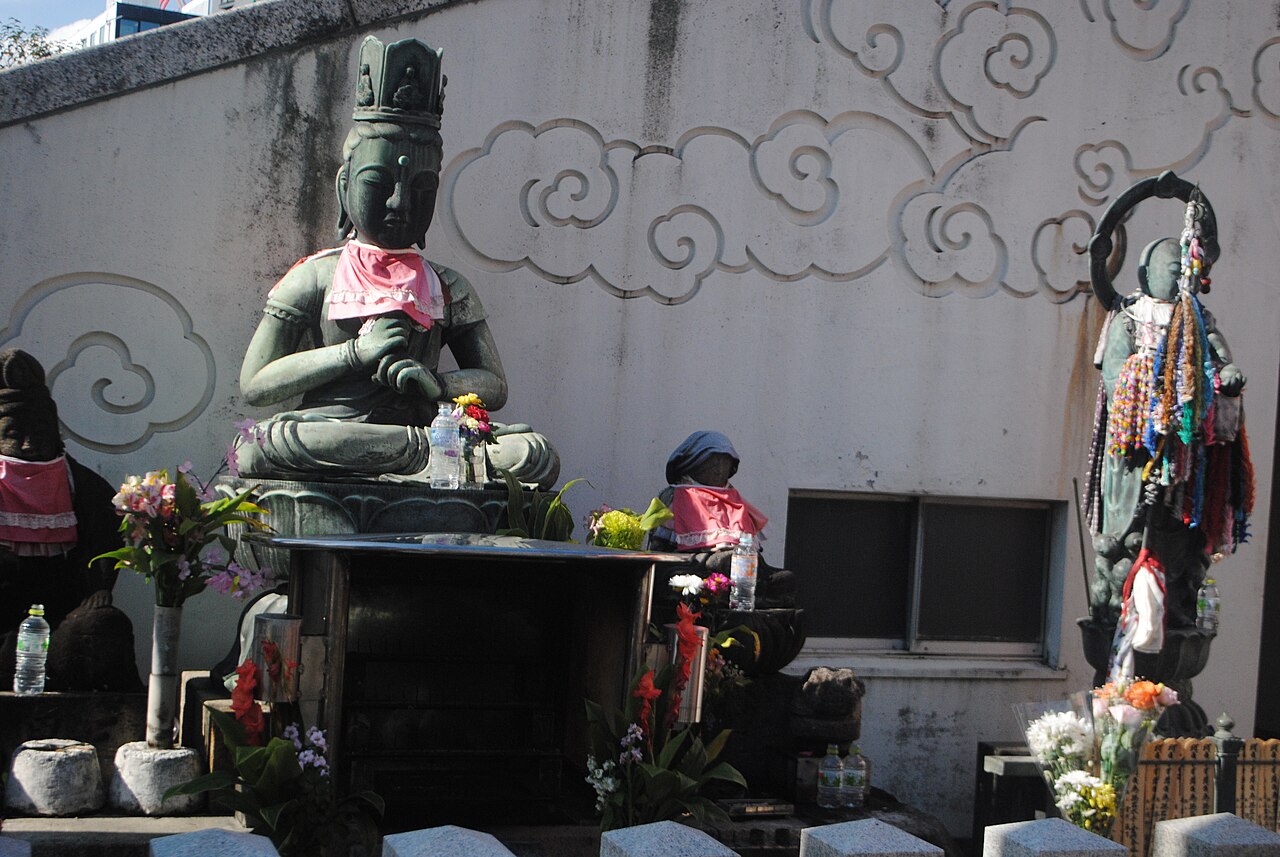
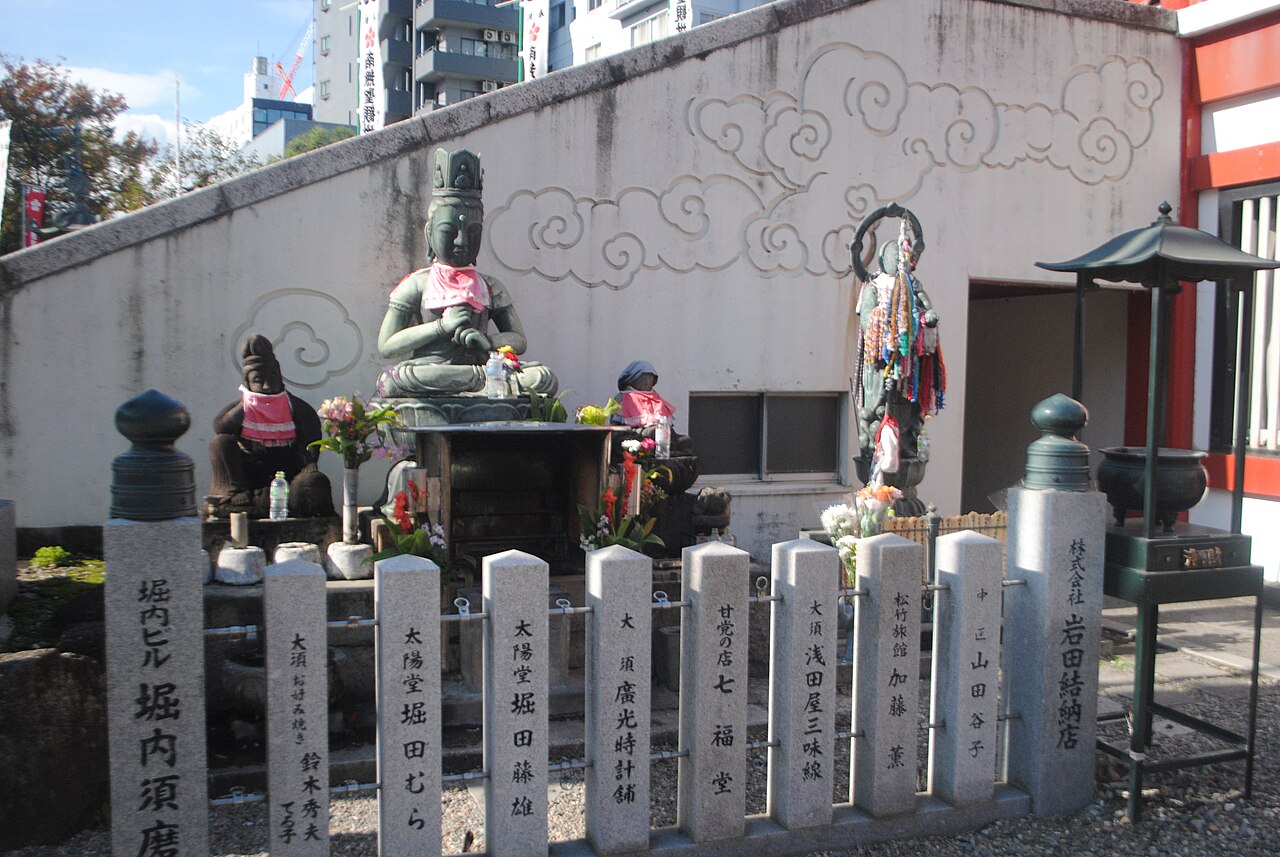
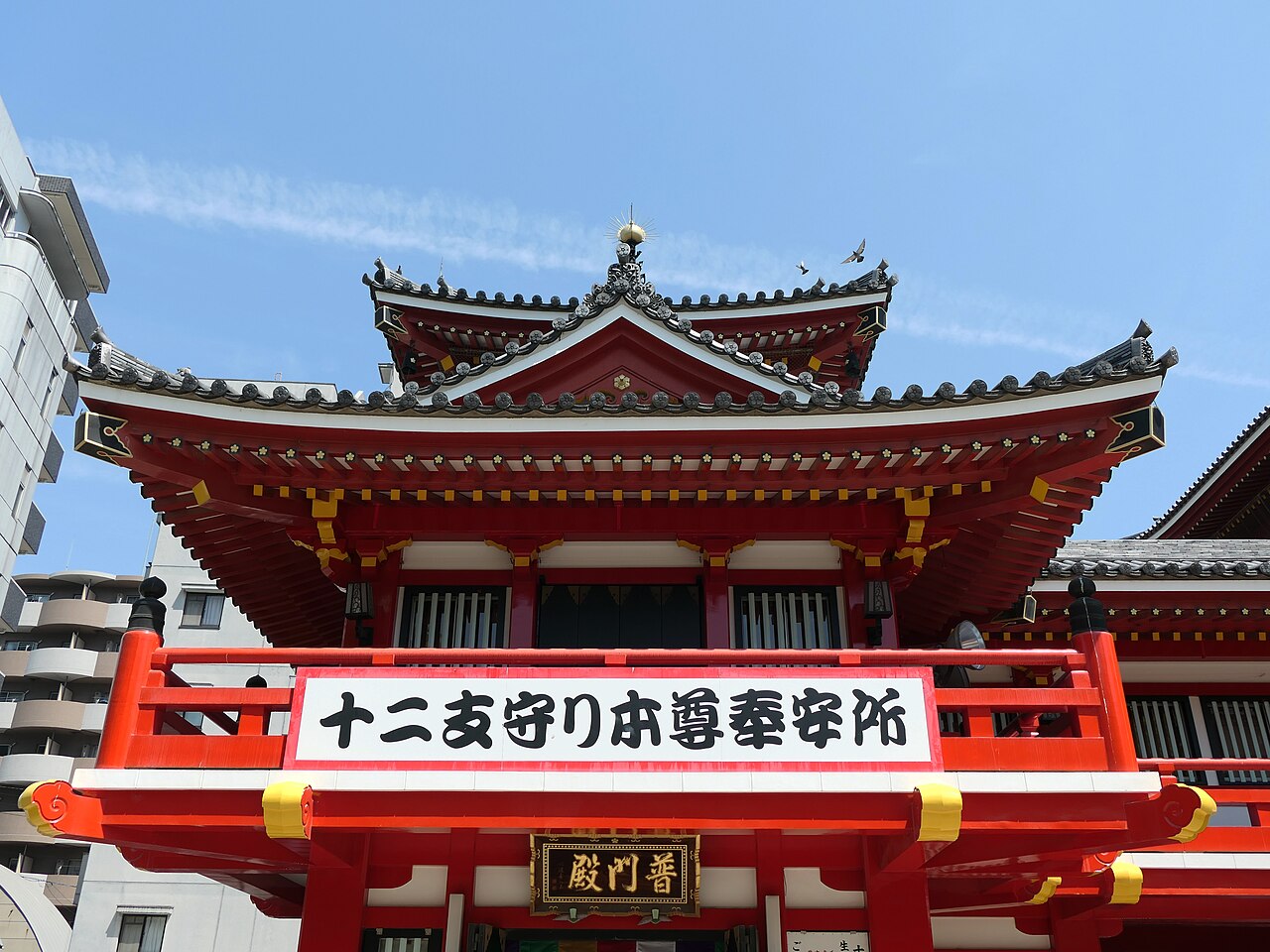
To understand the market, one must first understand the ground upon which it sits. Osu Kannon (officially known as Kitano-san Shinpuku-ji Hōshō-in) is a Shingon-sect Buddhist temple with a history that stretches back to 1333. Originally founded in the former Mino Province, the temple was moved to its current Nagoya location in 1612 under the direct orders of Tokugawa Ieyasu. This relocation was a strategic maneuver by the Shogun to anchor the burgeoning commercial district of his new castle town with spiritual authority.
The temple’s institutional longevity is perhaps best evidenced by its library, the Shinpukuji Bunko. This repository holds some of the oldest surviving manuscripts in Japan, including a 1371 copy of the Kojiki—the nation’s oldest book. While these treasures are rarely on public display, their presence lends the temple a gravity that permeates the flea market taking place just outside the sanctuary’s main hall.
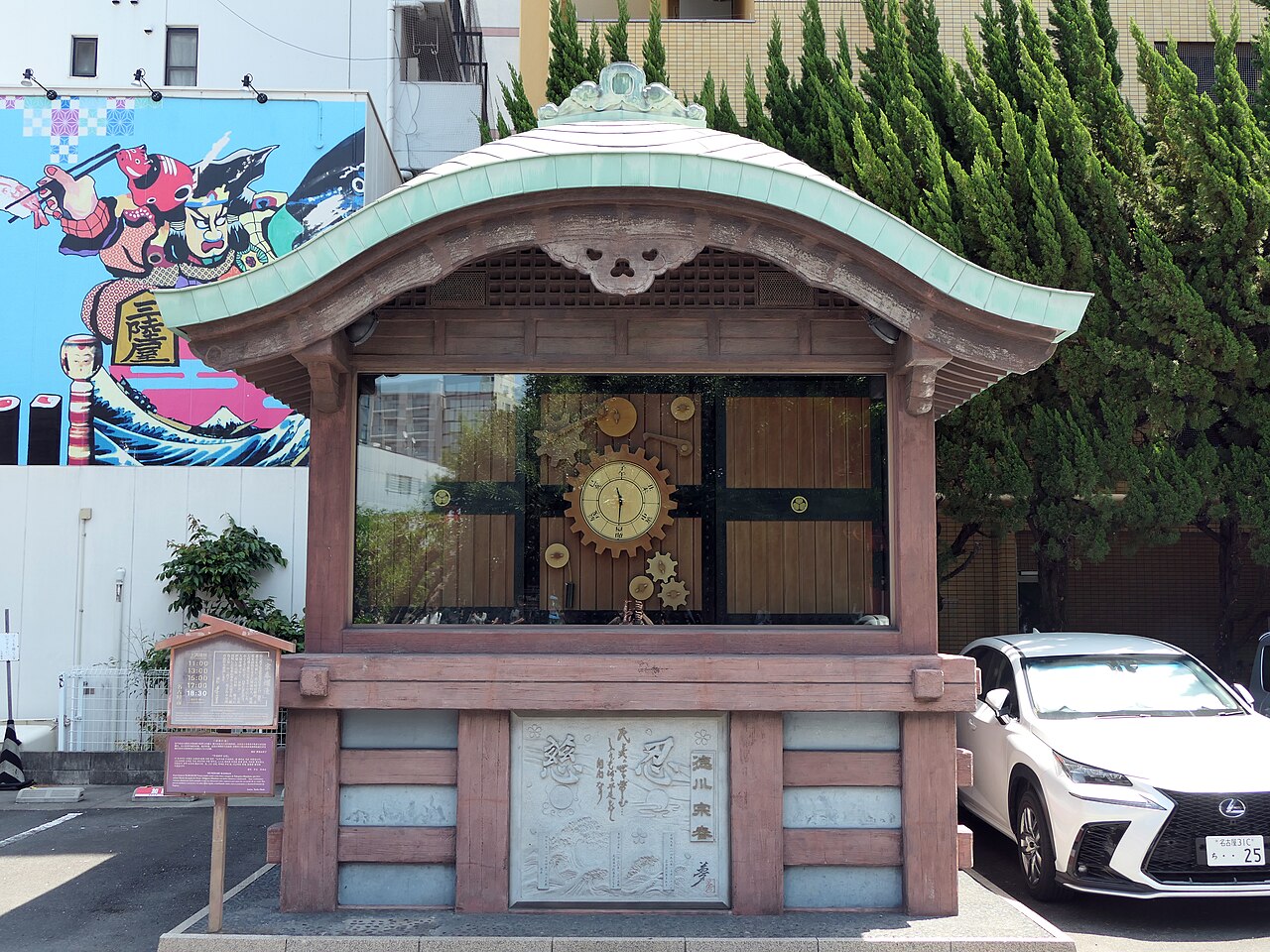
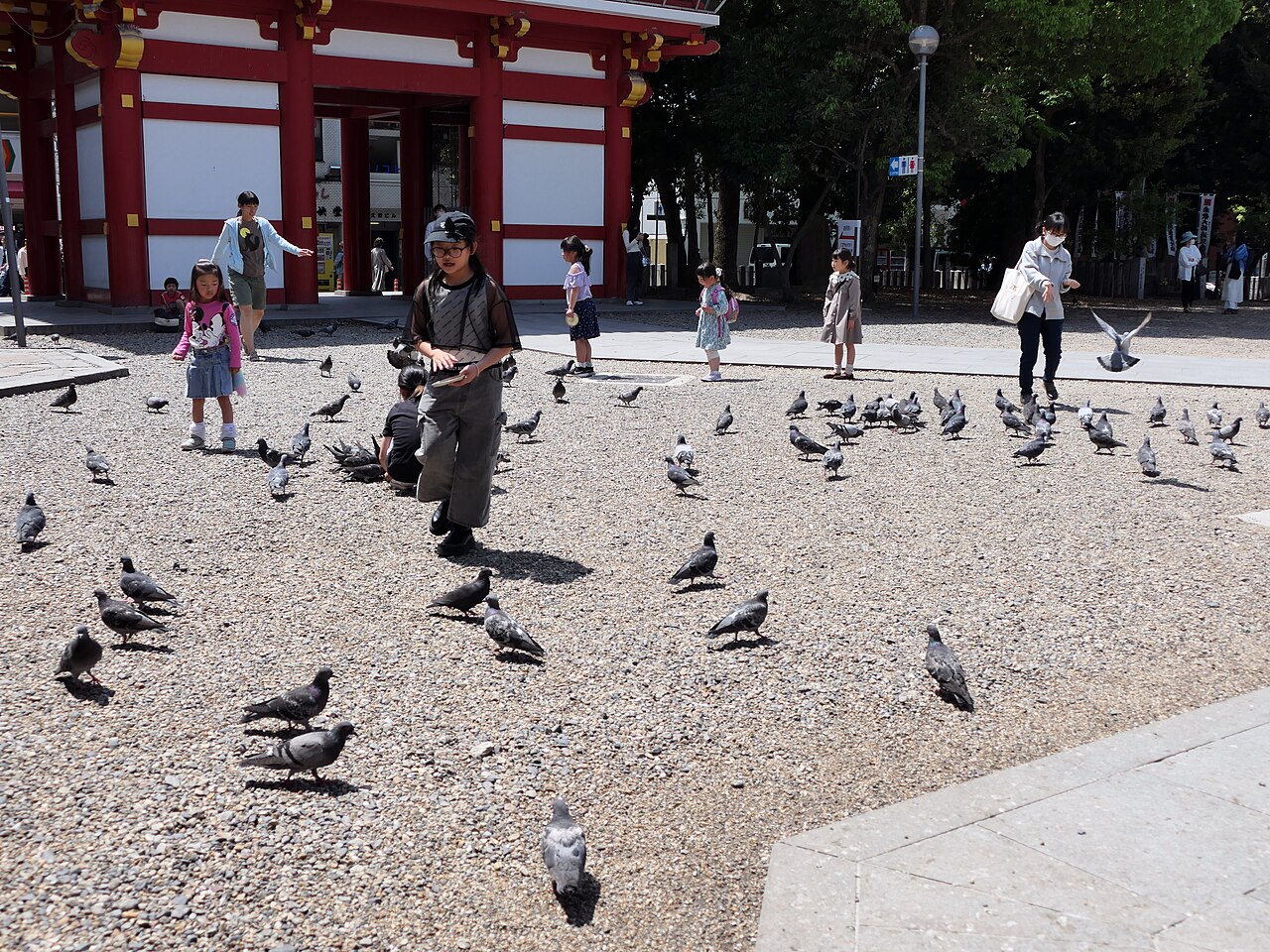
The current main hall is a 1970 reconstruction, necessitated by the devastation of World War II, yet the temple remains a vibrant, active place of worship. On market days, the juxtaposition is striking: the scent of burning incense from the inner sanctum mingles with the lively, haggling voices of vendors, creating a sensory experience that defines the Osu district.
Supporting Data: What to Expect in the Aisles
The market’s inventory is a microcosm of Japanese domestic life across the last four centuries. Because the market is not "curated" for tourism, the diversity of goods is genuinely staggering.
- Ceramics: Given Nagoya’s proximity to the Seto and Tokoname kiln districts—two of Japan’s "Six Ancient Kilns"—the selection of pottery is exceptional. You will find everything from rustic tea bowls to refined porcelain.
- Textiles: Meiji and Taisho-era kimonos are highly sought after. Collectors often flock here to find authentic silk garments at a fraction of the price found in Kyoto or Tokyo.
- Military Memorabilia: It is not uncommon to find pieces of samurai armor, helmets, or tsuba (sword guards) that have yet to be appraised by high-end auction houses.
- Ephemera: Showa-era posters, vinyl records, and vintage electronics offer a nostalgic look at Japan’s rapid mid-century modernization.
Official Perspectives and Market Etiquette
While the market is open to all, it operates on a set of unspoken social contracts. For the international visitor, understanding these nuances is essential for a successful transaction.
The Art of the Haggle
Unlike the fixed-price retail culture of modern Japan, the antique market operates on a negotiated basis. However, visitors should be aware that Japanese haggling is a subtle art. A polite inquiry regarding a price reduction of 10-15% is standard practice. Aggressive bargaining—demanding 50% off, for example—is viewed as disrespectful. When in doubt, a gentle "kore wa ikura desu ka?" (How much is this?) is the best way to open the conversation.
The Cash Economy
The market is almost exclusively cash-based. While a handful of high-end dealers may accept digital payments or credit cards for items exceeding ¥50,000, travelers should carry sufficient yen in ¥5,000 and ¥10,000 denominations. The nearest ATM is located at a 7-Eleven approximately 200 meters from the temple’s east gate.
Authentication and Risk
There is no formal authentication service at the market. When purchasing high-value items such as antique swords or scrolls, it is the buyer’s responsibility to ask for hakogaki (inscriptions on storage boxes) or dealer certificates. If you are not an expert, treat your purchases as "buying for the object itself" rather than as an investment.
Implications: The Broader Nagoya Circuit
The Osu Kannon Antique Market is merely the flagship event in a wider network of regional trade. For those whose itineraries do not align with the 18th or 28th, Nagoya offers a remarkably dense calendar of antique-hunting opportunities:
- Wakamiya Hachimangu Antique Market (1st Saturday): Focused more on classical antiques, this is a smaller, more intimate setting.
- Toyota Daihatsu Shrine Market (8th of each month): A community-centric event, ideal for retro toys and household goods.
- Shinshoji Temple Antique Fair (2nd Sunday): A must-visit for pottery enthusiasts, owing to its proximity to the region’s kiln sites.
- Heiwa Park Weekly Market (Every Sunday): A general flea market perfect for those seeking everyday items and local handmade goods.
The Osu Shopping District Connection
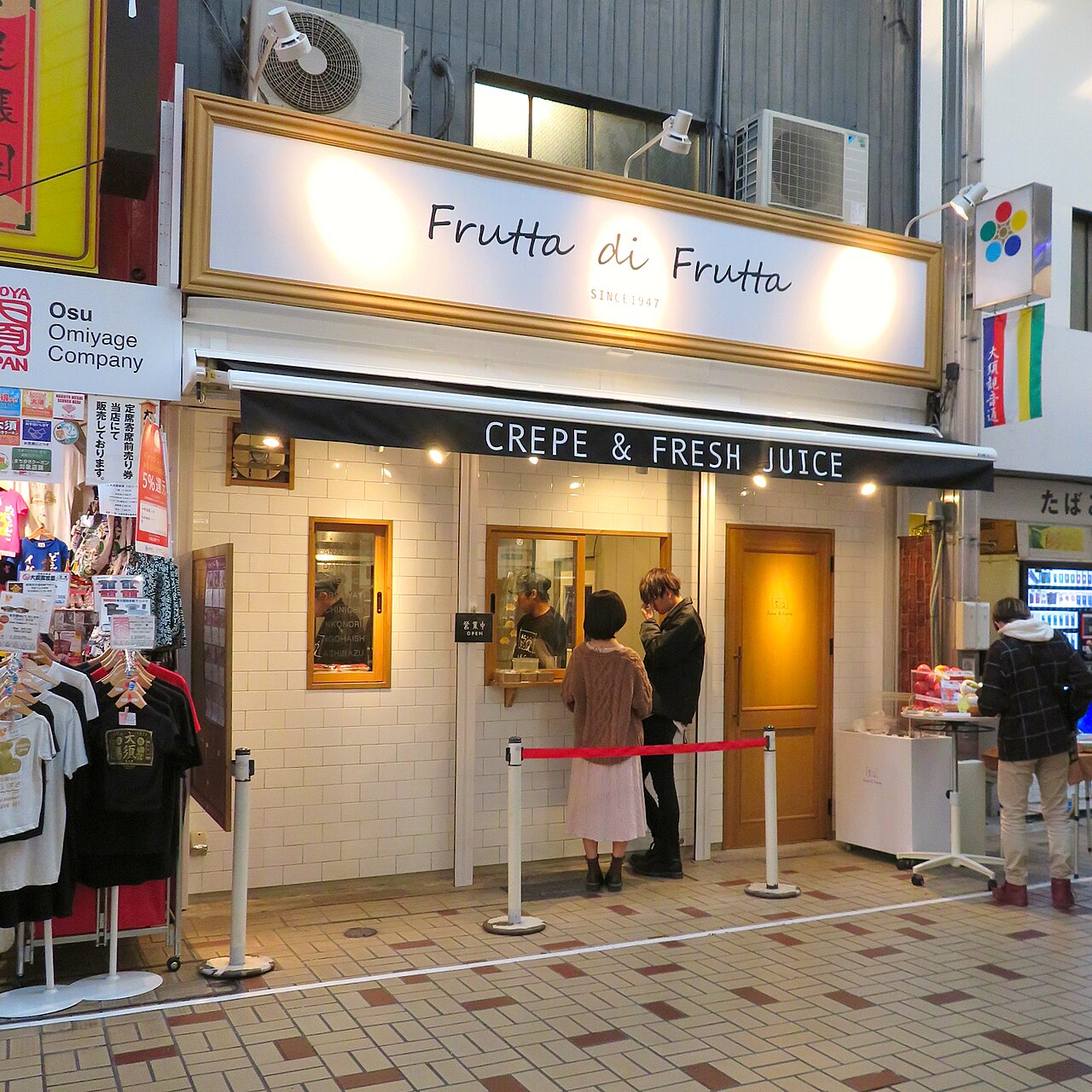
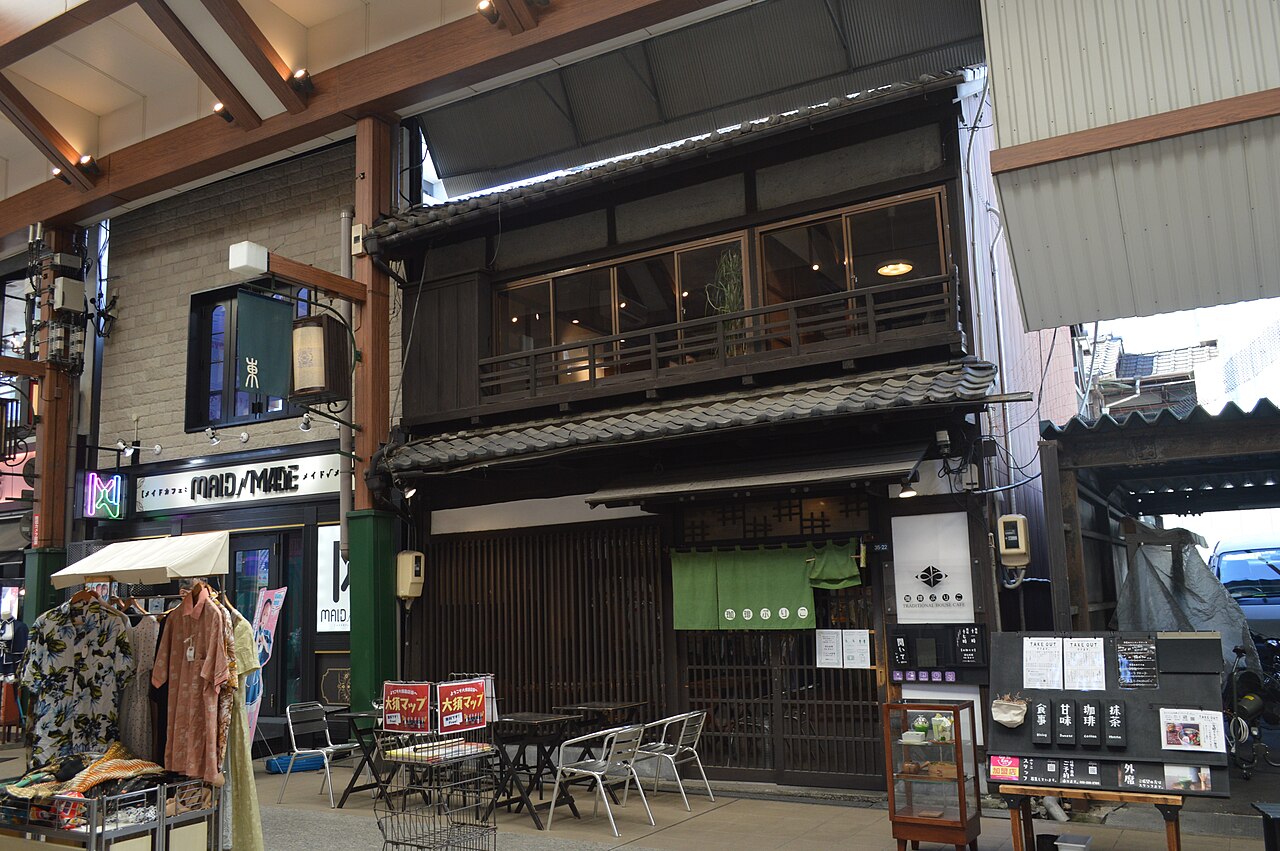
The temple acts as the anchor for the Osu Shopping District, a network of covered arcades stretching one kilometer to the east. This district is Nagoya’s "Electric Town," home to retro gaming stores, vintage clothing boutiques, and legendary local eateries. The synergy here is powerful: one can spend the morning unearthing an Edo-period tea bowl at the temple, and the afternoon enjoying hitsumabushi (grilled eel) or tebasaki (chicken wings) in a retro arcade cafe.
Final Verdict: Is It Worth the Trip?
For the dedicated antique collector, the Osu Kannon market is an unmissable destination. The pricing is consistently more favorable than in Japan’s more saturated tourist markets, and the selection is far less homogenized. For the general cultural traveler, it provides an authentic, bustling, and highly memorable experience that rounds out a trip to Nagoya perfectly.
If you are a first-time visitor to Japan, you might choose to prioritize the major sites, but for those returning for a second look, or for those who prefer the "treasure hunt" to the "sightseeing checklist," the Osu Kannon Antique Market is a highlight of Central Japan. By engaging with the local dealers, respecting the temple’s history, and navigating the market with the patience it demands, you will walk away with more than just an object—you will have experienced a living, breathing piece of Japanese heritage.












No comments yet. Be the first to join the conversation!