Lina Hope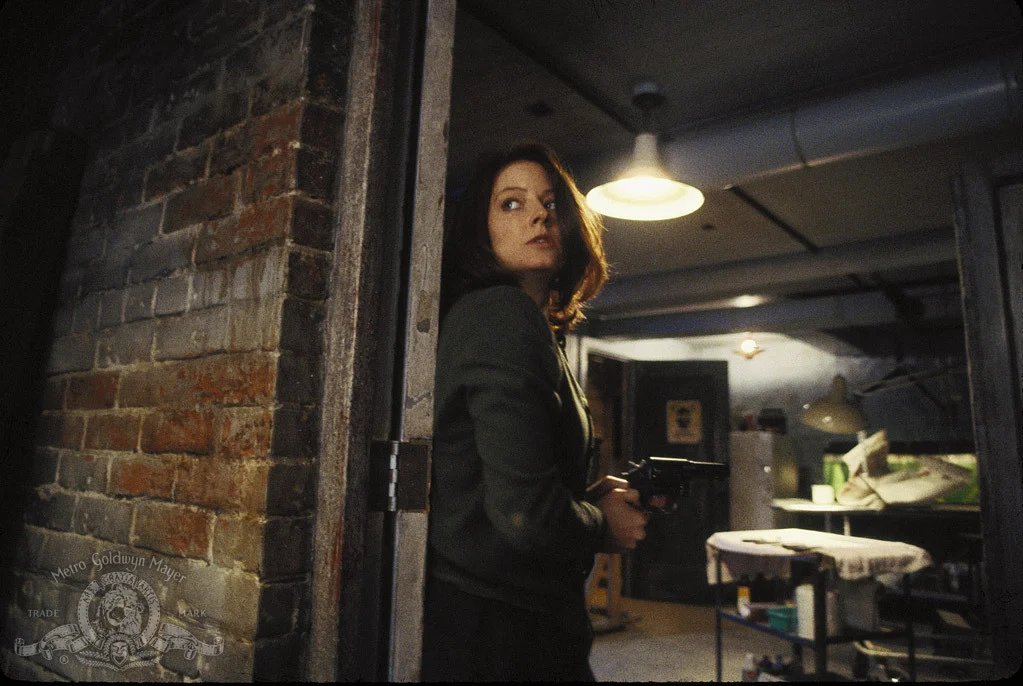
By Leandro Beroldo
May 29, 2026
In the intricate machinery of cinema, characters are often designed as paragons of intellect—brilliant strategists, scientific prodigies, or master detectives. Yet, a peculiar phenomenon frequently emerges: the "Plot-Induced Stupidity" (PIS) trap. This occurs when a character’s established cognitive capacity is systematically undermined by the demands of the narrative arc. To keep a story moving, maintain tension, or extend a runtime, screenwriters often force these hyper-competent figures to ignore the obvious, make irrational tactical errors, or overlook clues that would be child’s play for their established archetypes.

This tension between character capability and narrative necessity creates a dissonance that observant audiences cannot help but notice. When a character is "smarter than the plot allows them to be," the result is a friction that threatens to pull the viewer out of the immersion. Below, we examine 15 iconic figures whose inherent genius was forced into a cage of script-driven limitations.
The Anatomy of Narrative Constraint
The fundamental conflict in storytelling is the struggle between the protagonist and their environment. However, when the protagonist is too efficient, the struggle vanishes. To prevent a movie from ending in the first twenty minutes, writers often employ "narrative padding"—artificial obstacles that require the character to act against their own best interests.

This is not merely a flaw in writing; it is a byproduct of the "Hero’s Journey" structure. For a lesson to be learned or a sacrifice to be made, the hero must suffer, and to suffer, they must sometimes make a mistake—even if that mistake contradicts everything the audience knows about their intelligence.
A Chronology of Cognitive Dissonance
Throughout film history, the evolution of the "genius character" has tracked alongside our own increasing appreciation for complex problem-solving.
The Mid-Century Procedural Era
In early thrillers, such as those featuring early iterations of the detective archetype, characters like Clarice Starling in The Silence of the Lambs were hailed for their analytical prowess. Yet, even in the golden age of the procedural, the need for a "slow burn" often forced these characters to adhere to bureaucratic red tape that a truly brilliant mind would have bypassed or manipulated with ease.
The Sci-Fi and Fantasy Explosion
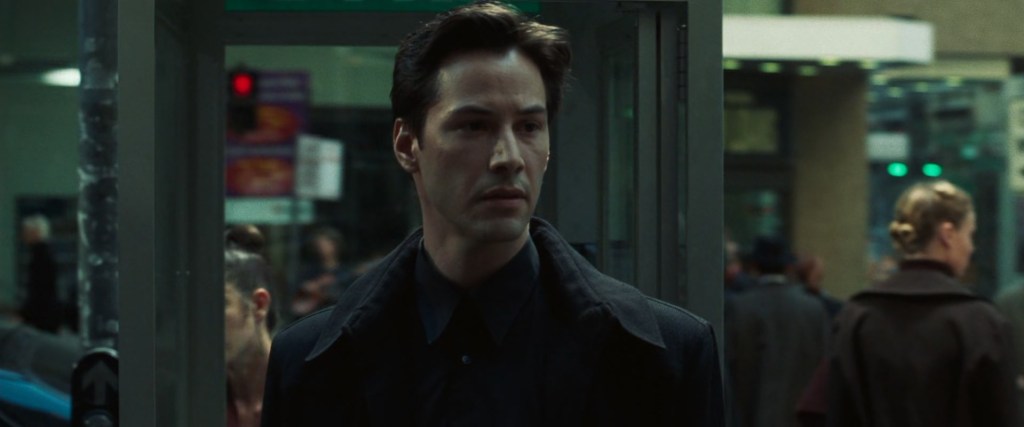
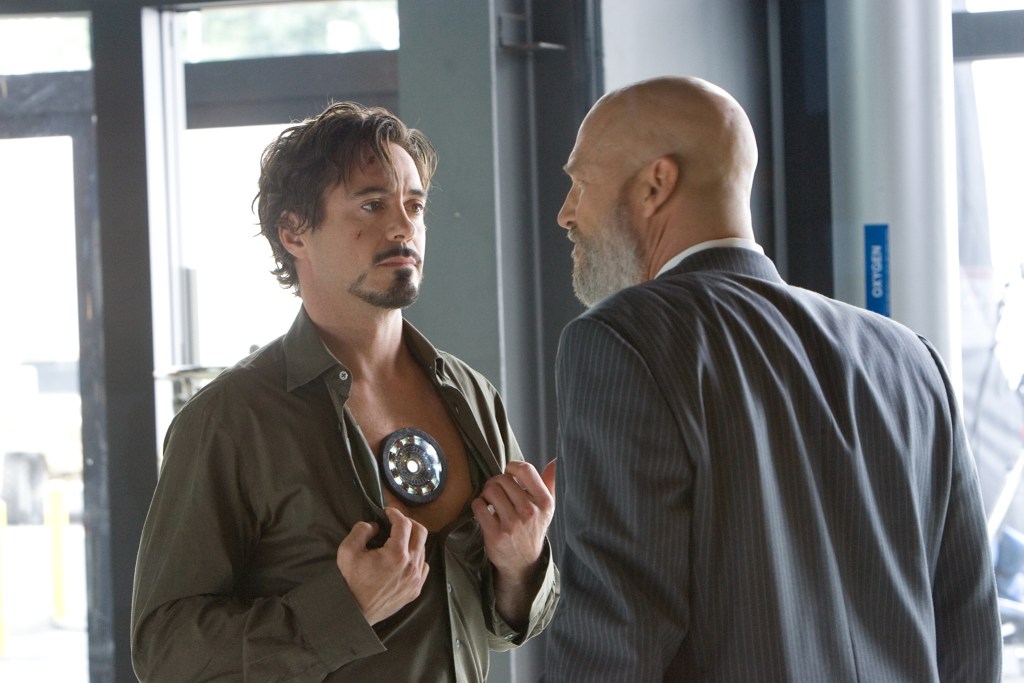
As cinema moved into the late 20th and early 21st centuries, the stakes grew to cosmic levels. With characters like Neo (The Matrix) or Tony Stark (Iron Man), the intelligence was no longer just about solving a crime—it was about bending reality or mastering the laws of physics. Consequently, the "dumbing down" of these characters became more pronounced; if Tony Stark could solve the energy crisis in a weekend, the plot had to force him into a state of distraction or ego-driven blindness to allow for an external antagonist to threaten him.
15 Case Studies in Logical Suppression
1. Neo (The Matrix)
As the "One," Neo possesses the ability to rewrite the source code of reality. However, the Wachowskis frequently confined his god-like potential within the physical limitations of kung-fu-style combat. His journey is a masterclass in limiting absolute power to ensure the audience remains invested in the physical struggle.
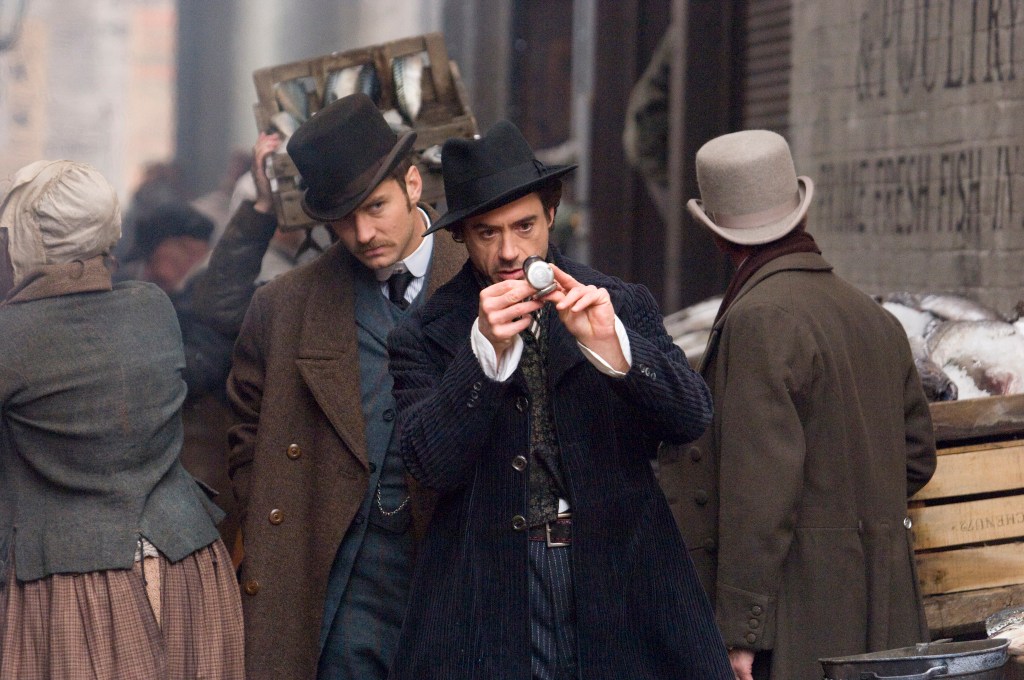
2. Sherlock Holmes (Sherlock Holmes)
Robert Downey Jr.’s iteration of the detective is nearly omniscient, utilizing "slow-motion" deduction to predict enemy movements. Yet, the mysteries he faces are often structured with such complexity that he must ignore his own deductive speed to allow the villains to complete their diabolical plans.

3. Thanos (Avengers: Infinity War)
Thanos is presented as a strategic genius with a clear, logical goal. His plan is so efficient that the narrative is forced to grant the Avengers "plot armor" and force Thanos into moments of uncharacteristic hesitation just to keep the film from ending at the halfway point.
4. Tony Stark (Iron Man)
Stark’s intellect is his primary superpower. However, his character arc requires him to be fallible and prone to hubris. This frequently manifests as him ignoring the clear, logical warnings of his own AI or the scientific evidence right in front of him, purely to advance the film’s "act two" disaster.
5. Andy Dufresne (The Shawshank Redemption)
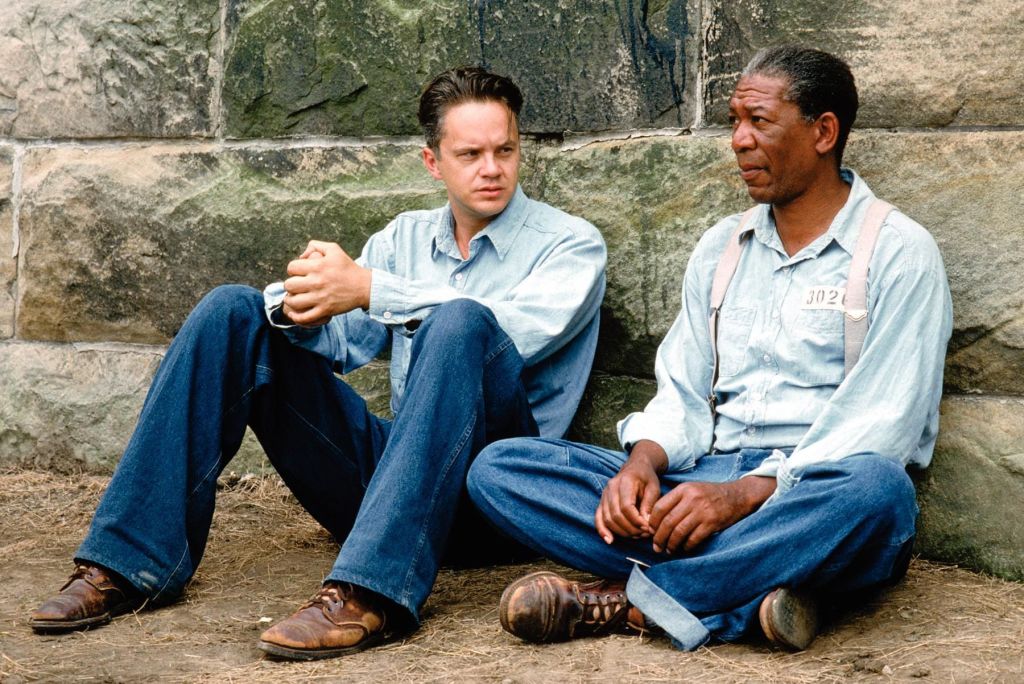
Andy’s long-term planning is legendary, yet he spends decades in prison because the story requires his patience to be the central virtue. From a purely logical perspective, an individual of his intelligence and resources might have found a more accelerated path to freedom, but that would negate the film’s central theme of endurance.
6. Batman (The Dark Knight)
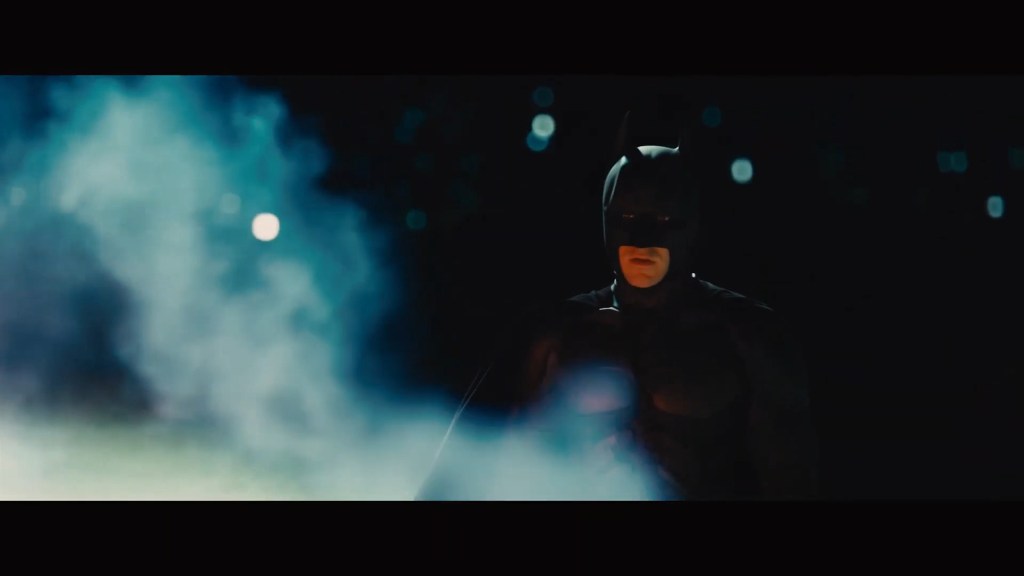
Christopher Nolan’s Batman is a tactical mastermind. Nevertheless, he is frequently put in situations where he must wait for the Joker to reveal his hand, despite having the surveillance and technical resources to neutralize the threat long before the "big finale."
7. Clarice Starling (The Silence of the Lambs)
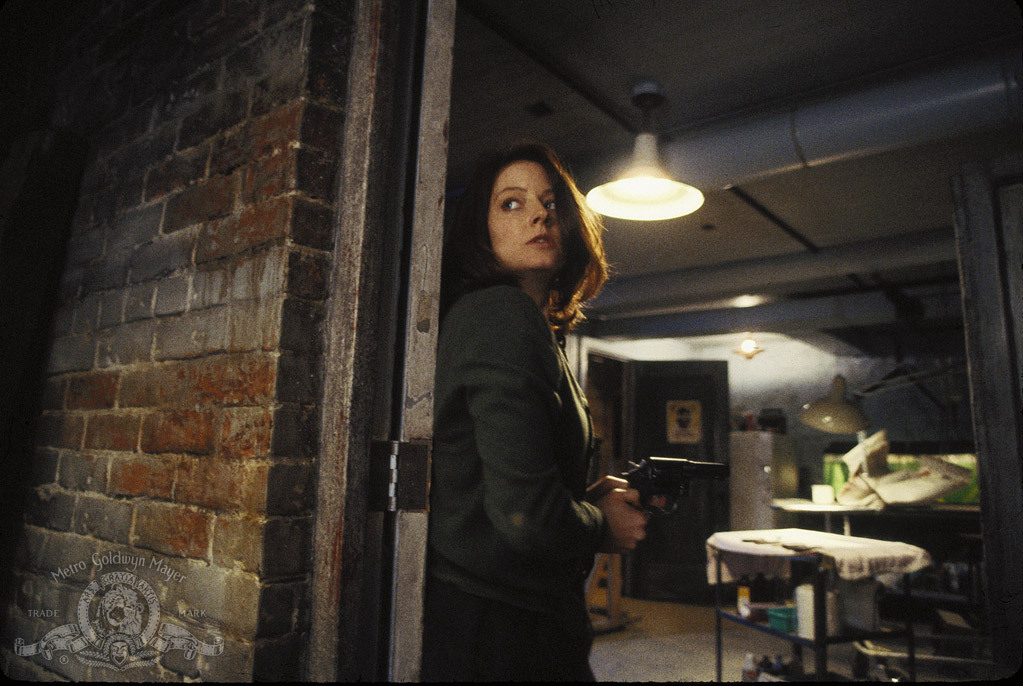
Starling is a brilliant FBI trainee. Her reliance on the institution—which often moves slowly and dismissively—is her greatest obstacle. The film forces her into rigid procedural loops that slow her down, despite her clearly having the intelligence to solve the case on her own intuition.
8. Dom Cobb (Inception)
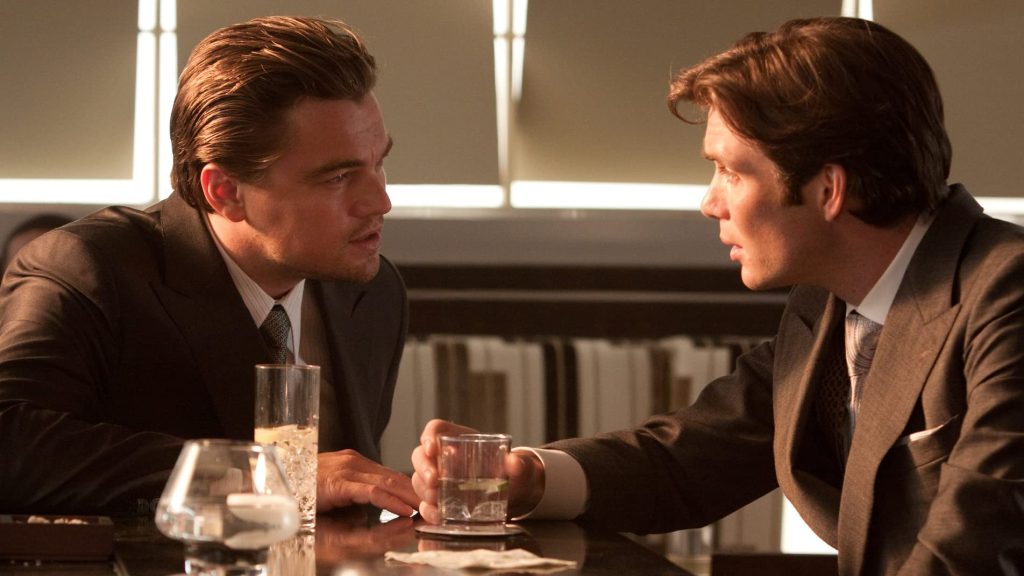
Cobb is an architect of dreams, yet he is constantly swayed by his emotional attachment to his deceased wife. While this provides character depth, his decision to ignore the clear, logical risks of his subconscious projections is a classic example of emotional narrative outweighing technical expertise.
9. Elizabeth Swann (Pirates of the Caribbean)
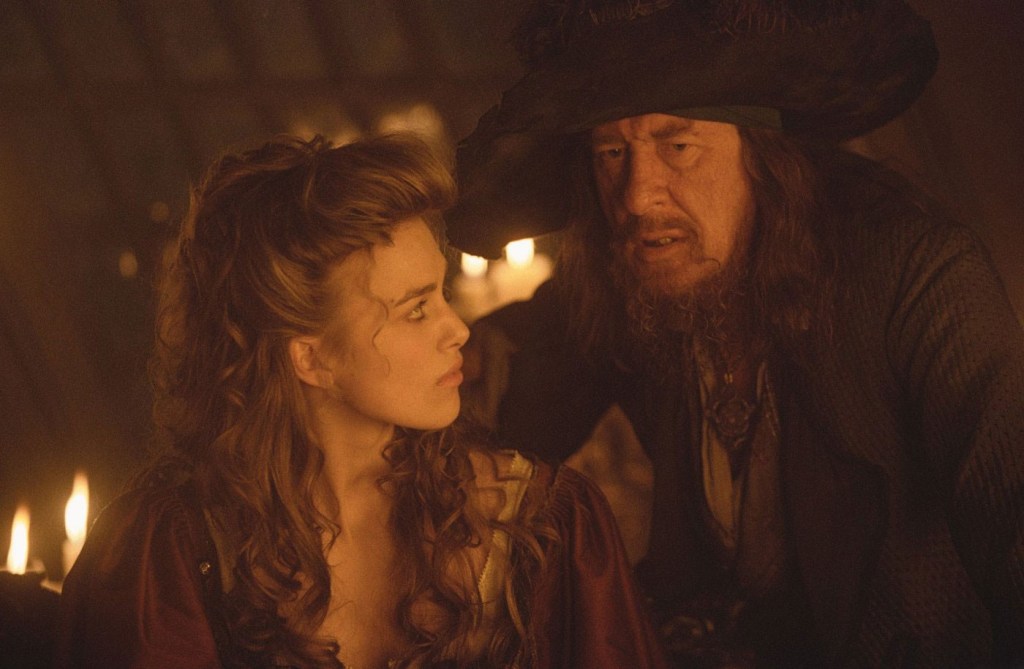
Swann grows from a damsel into a Pirate King. Throughout her arc, she demonstrates keen political and strategic acumen, but the plot frequently sidelines her in favor of Jack Sparrow’s chaotic luck, forcing her to play the role of the "rational anchor" rather than the lead strategist.
10. Ellen Ripley (Alien)
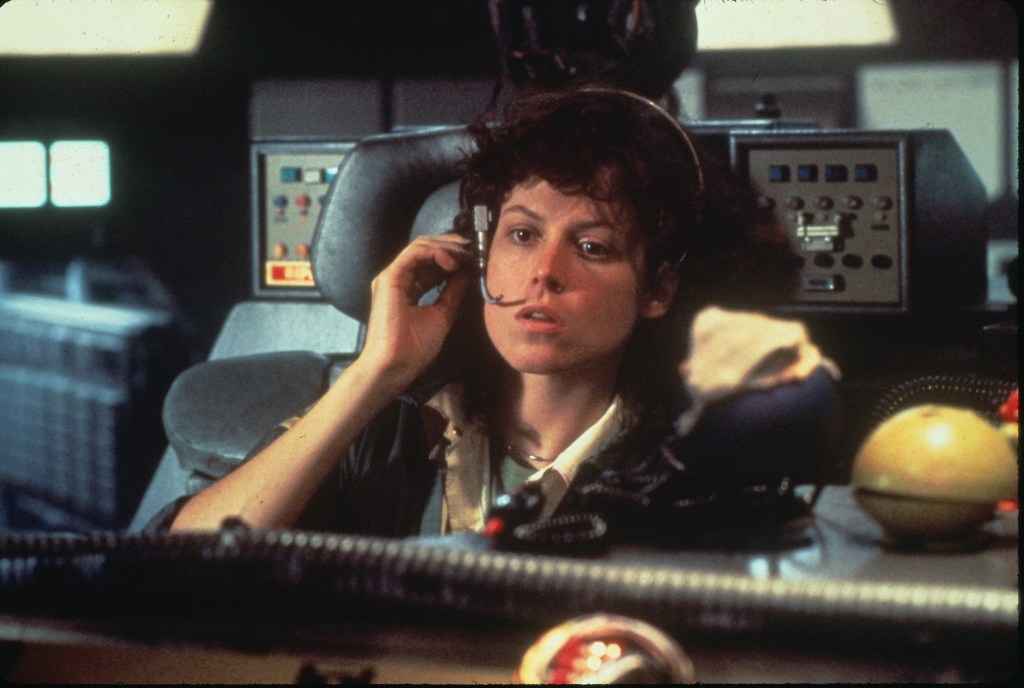
Ripley is the ultimate survivor. Her logic regarding the containment of the Xenomorph is impeccable, yet the film’s "company man" tropes force her to deal with incompetent colleagues who ignore her advice, simply to ensure the creature can hunt the crew.
11. Hermione Granger (Harry Potter)
The "brightest witch of her age" often finds herself in situations where the plot requires her to forget her vast knowledge of spells and logic just so Harry can save the day. It is a recurring grievance among fans that her competence is frequently throttled for the sake of the protagonist’s growth.
12. John Anderton (Minority Report)
As the head of Pre-Crime, Anderton is an expert in the system he is investigating. The film forces him to make incredibly high-risk, impulsive decisions to keep the chase sequence moving, effectively turning a professional investigator into a frantic fugitive.
13. John Wick (John Wick)
Wick is an unparalleled tactician. However, the choreography of his films requires his enemies to attack in waves and behave with singular focus on melee combat, rather than using the overwhelming tactical advantages they possess in a modern urban environment.
14. Lisbeth Salander (The Girl with the Dragon Tattoo)
A digital prodigy, Salander’s ability to infiltrate any system is legendary. The plot must consistently invent "blackout" zones or physical limitations for her, because if she were allowed to use her full digital reach, the mystery would be solved via a few keystrokes.
15. Mark Watney (The Martian)
Watney is the pinnacle of the "competent character." The movie is essentially a series of problems he solves with science. Even here, the plot forces the obstacles to appear in a specific, serialized order to ensure the tension never dissipates, despite Watney being more than capable of managing multiple crises simultaneously.
Implications for Modern Storytelling
What does this say about the state of contemporary scripts? Critics argue that we are seeing a shift toward "spectacle-first" writing. In an era where audiences demand high-octane action and complex puzzles, writers are creating characters whose intelligence is "told" rather than "shown." We are informed a character is a genius, but we are rarely allowed to see that genius operate without interference from the plot.
The implication is a potential fatigue among audiences. As viewers become more media-literate, the "idiot plot"—a story that would only happen if everyone involved acted like an idiot—becomes harder to sell. Future filmmakers may need to lean into more organic sources of tension, such as conflicting goals or moral dilemmas, rather than relying on the artificial suppression of a character’s intelligence.
Conclusion
The characters listed above remain icons of cinema precisely because they are memorable. We forgive them their moments of "plot-mandated ignorance" because we enjoy the journey they take us on. However, as the standard for writing rises, the challenge for the next generation of screenwriters will be to create geniuses who don’t have to turn off their brains to keep the audience entertained. A truly great script should be smart enough to keep up with its own characters.


 Sagoh
Sagoh
 Nana Wu