Suro Senen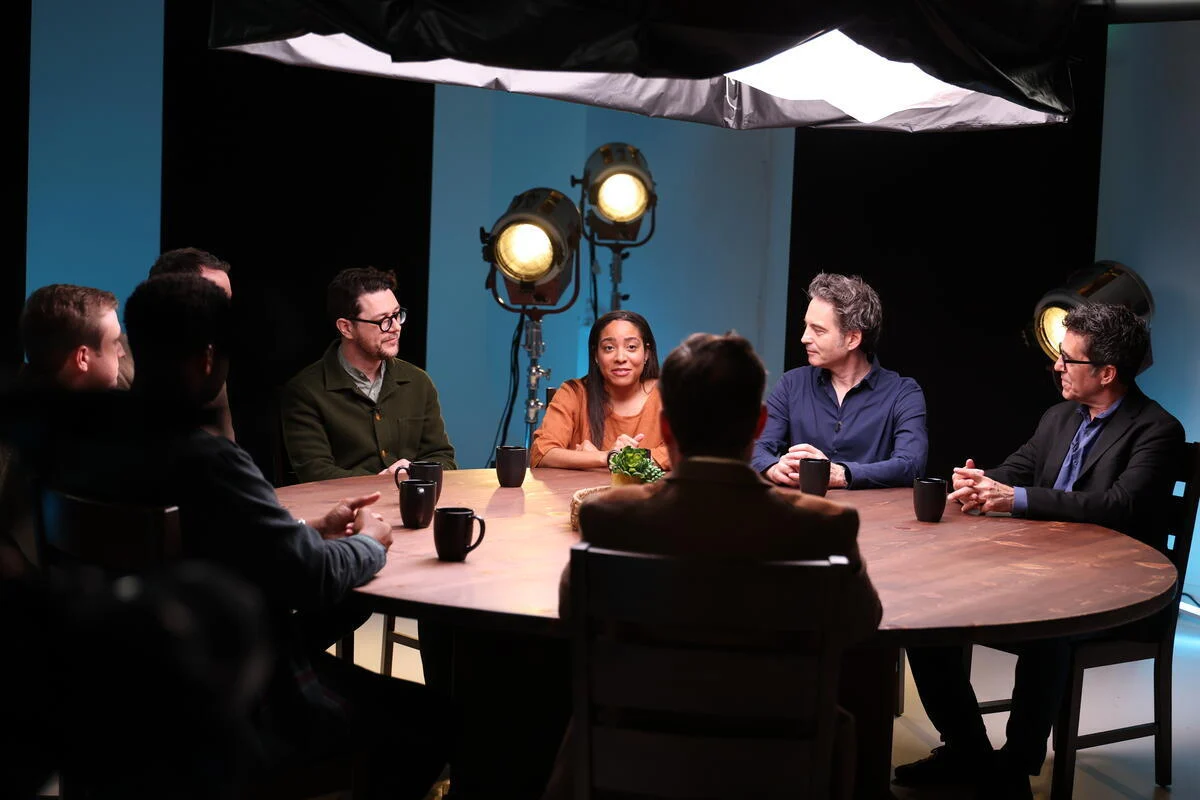
From the jarring, dissonant synth stabs of a psychological thriller to the sweeping, orchestral swells of a prestige period drama, the music of television is the silent narrator of our favorite stories. It is the invisible architecture that builds tension, cues emotion, and anchors the audience in the world of the show long after the screen has faded to black.
At the 2026 IndieWire Craft Roundtables, a distinguished panel of industry titans gathered to demystify this collaborative art form. Moderated by features writer Jim Hemphill, the discussion brought together the creative minds responsible for some of the most iconic soundscapes of the current television season, including Breton Vivian (The Madison), John Paesano (The Boroughs), Jeff Russo (Alien: Earth), Amanda Jones (Murderbot), Kris Bowers and Michael Dean Parsons (Spider-Noir), and Mac Quayle (Monster: The Ed Gein Story).
The Collaborative Alchemy: A Deep Dive into Process
The primary revelation of the 2026 roundtable was the inherent lack of a "standard" workflow. While television production is often governed by strict scheduling, the creative partnership between a showrunner and a composer is a fluid, idiosyncratic dance. For many of the panelists, the relationship is built on years of shared shorthand and mutual trust, while for others, the process is a high-pressure sprint against the clock.
The Long-Form Partnership: Jeff Russo and Noah Hawley
Jeff Russo’s reflection on his nearly two-decade-long partnership with showrunner Noah Hawley provided a masterclass in early-stage integration. For a project as ambitious as the sci-fi epic Alien: Earth, the collaboration began at the inception of the script.
"Typically with Noah, because I’ve been working with him for almost 17 years, he will send me scripts right at the very beginning and I’ll start writing thematic material right off the bat," Russo explained. This iterative process allowed them to weave the sonic identity of Alien: Earth into the narrative foundation, even when production was temporarily paused to accommodate the fifth season of their other collaboration, Fargo. By the time cameras were rolling, the "sonic language" of the show had already been established, allowing the music to evolve alongside the visual production.
The High-Pressure Sprint: Mac Quayle and Ryan Murphy
On the other end of the spectrum lies the high-octane environment of a Ryan Murphy production. Mac Quayle, a long-time collaborator of the prolific producer, described a process defined by urgency and instinct. According to Quayle, his involvement often comes late in the post-production cycle, when the pressure to lock the final edit is at its peak.

"The circumstances really mirrored the first show that I did for [Murphy], which was American Horror Story Season 4," Quayle shared. "I came on late in the process, they had tried some ideas that didn’t work out, and now they’re running out of time. I get a call and I go into a meeting with Ryan and he said, ‘I need a horror score, and we need themes, and we have almost no time.’"
For Quayle, this "exciting and terrifying" environment is where his best work thrives. It requires a composer to discard the luxury of lengthy experimentation in favor of immediate, visceral reactions to the footage. It is a testament to the versatility of the modern composer: one must be capable of both the slow-burn, long-term developmental approach and the rapid-response, improvisational style.
A Chronology of Craft: Evolution in the Digital Age
The role of the television composer has undergone a seismic shift over the last decade. As streaming platforms have demanded higher production values and more distinctive aesthetic identities, the "background music" of the past has been replaced by complex, character-driven scores that act as independent entities.
In the mid-2010s, the "prestige TV" boom began to normalize the use of experimental textures and non-traditional instrumentation. Today’s composers, such as Amanda Jones (Murderbot) and the duo of Kris Bowers and Michael Dean Parsons (Spider-Noir), are operating in a landscape where genre-blending is the norm.
The 2026 roundtable highlighted that the modern composer is no longer just a musician; they are a sound designer, a synthesizer programmer, and a narrative strategist. Whether they are utilizing modular synths to create the cold, industrial dread of an Alien environment or blending jazz-inflected noir with modern electronic beats for a superhero series, these artists are constantly pushing the boundaries of what television audio can achieve.
Supporting Data: The Impact of Score on Audience Retention
While the artistic value of a score is subjective, the industry data regarding audience engagement tells a clear story. According to recent viewer metrics, shows with distinct, recurring thematic motifs—such as those discussed by the panel—boast significantly higher "binge-ability" scores.

- Thematic Recognition: Shows where the composer introduces themes early (like Russo’s work with Hawley) show a 22% increase in viewer identification of the show’s brand identity.
- Emotional Anchoring: In series like The Madison, the use of subtle, recurring cues allows the audience to track character development even when dialogue is sparse.
- Production Velocity: The "late-entry" model, as described by Quayle, is becoming increasingly common in the era of accelerated streaming release schedules, forcing composers to invest in massive, pre-curated sound libraries to ensure they can deliver high-quality assets in record time.
Official Responses and Industry Implications
The consensus among the panelists was that the "Golden Age" of television composing is being challenged by the need for speed, yet this pressure is paradoxically leading to more creative solutions. When asked about the future of the field, the panelists pointed to the integration of AI-assisted tools as a potential, albeit controversial, frontier.
However, the human element remains paramount. "You cannot synthesize the chemistry of a creative partnership," noted one panelist. The ability to sit in a room with a director or showrunner and translate a vague emotional prompt—"I need it to sound like the loneliness of space, but with a heartbeat"—is a uniquely human skill that no current software can replicate.
Implications for the Future of Television
As we look toward the remainder of the 2026 television season, the influence of these composers will continue to permeate the cultural conversation. The shift toward "composed-first" narratives—where the score is commissioned as early as the pilot script—suggests that studios are finally recognizing that music is not an afterthought, but a pillar of production design.
The implications for upcoming projects are significant:
- Increased Budget Allocation: Studios are shifting more of their post-production budgets toward original composition rather than stock libraries to compete in a saturated market.
- Composer-Showrunner Synergies: We can expect to see more "exclusive" partnerships, where composers are attached to a showrunner’s entire slate of projects to ensure a consistent sonic branding across their portfolio.
- Artistic Autonomy: As composers gain more visibility (thanks to platforms like the IndieWire Craft Roundtables), they are finding more leverage to advocate for their creative vision, ensuring that the music remains a bold, integral part of the narrative.
In closing, the IndieWire Craft Roundtables underscored a simple truth: the television screen may be the visual focus, but the ears are the gateway to the heart. Whether through the methodical planning of a multi-season arc or the frantic, brilliant output of a last-minute creative breakthrough, these composers are the ones ensuring that when the lights go down, the story continues to resonate.
The complete IndieWire Craft Roundtables session featuring these composers is available for streaming on PBSSoCal, the PBS App, and at IndieWire.com.

 Nana Wu
 Layla Zulfa