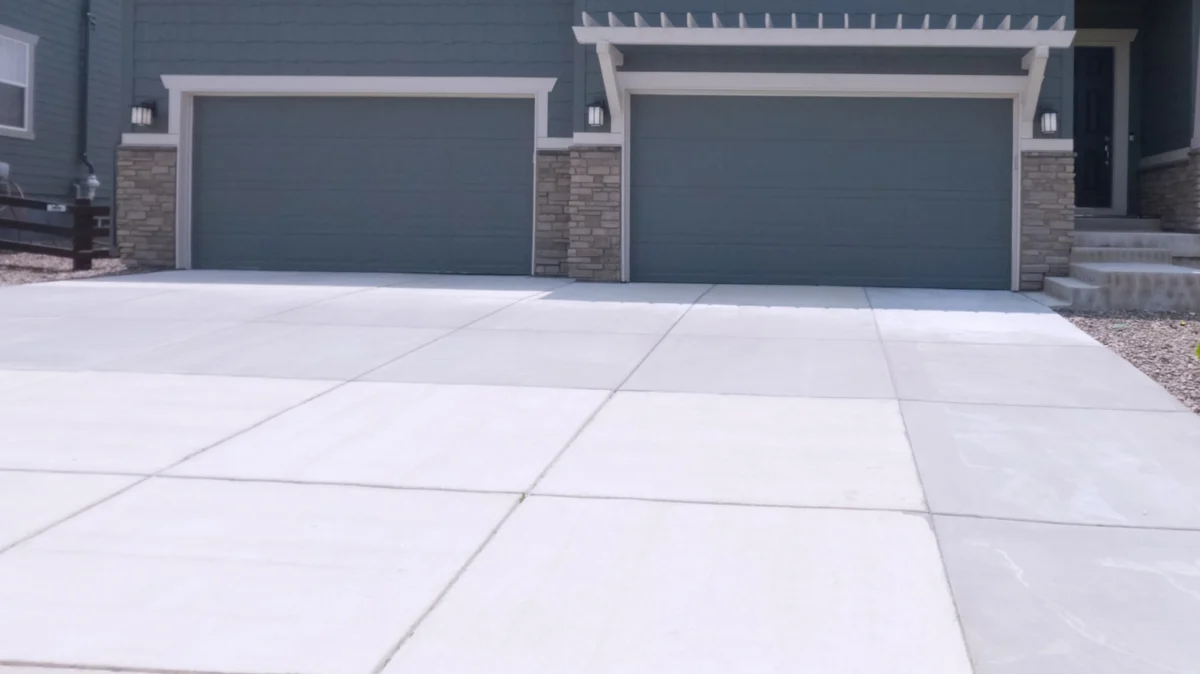
When observing a residential concrete driveway, one might assume the segmented grid pattern is merely a stylistic preference—a way to break up the visual monotony of a large, grey slab. However, this architectural feature is far from decorative. The lines etched into concrete surfaces, technically known as "control joints" or "contraction joints," are a fundamental engineering necessity. They serve as a sophisticated method of damage mitigation, turning the inevitable physical reaction of concrete into a controlled, predictable process.
The Science of Concrete: Why It Moves
To understand why saw cuts are essential, one must first understand the nature of concrete. Concrete is a composite material made of water, aggregate (rock, sand, or gravel), and Portland cement. Once mixed, a chemical reaction known as hydration occurs, turning the slurry into a hard, stone-like solid.
However, concrete is not static. Throughout its lifecycle, it is subject to constant volumetric changes. As concrete dries, the excess water used in the initial mix evaporates, causing the material to shrink. This is known as "drying shrinkage." Simultaneously, concrete is highly sensitive to thermal expansion and contraction. As temperatures fluctuate throughout the seasons, the material expands during heat waves and contracts during cold spells.
If a large slab of concrete is poured without any interruptions, these internal stresses have nowhere to go. The material builds up immense tension, and eventually, the concrete "finds" its own path of least resistance, resulting in erratic, jagged, and unsightly cracks that can compromise the entire structural integrity of the driveway.
Chronology of a Concrete Pour
The process of managing these stressors begins long before the first saw blade touches the surface.
- Preparation and Subgrade: The foundation of a long-lasting driveway is the ground beneath it. If the soil is improperly compacted, the slab will settle unevenly, creating structural stress.
- The Pour: Concrete is poured into forms. At this stage, the material is highly malleable.
- The Curing Phase: As the concrete begins to set, the drying shrinkage process initiates. This is the period of highest risk for uncontrolled cracking.
- The Saw Cutting: Professional contractors typically perform saw cuts within 6 to 18 hours after the concrete has been finished, depending on the weather and the specific "set" time of the concrete. This timing is critical; if the cuts are made too early, the aggregate will ravel and the edges will be rough. If they are made too late, the concrete may have already begun to crack on its own.
- Long-Term Maturation: Over the coming months and years, the concrete continues to settle and shift, with the control joints effectively "opening" slightly to accommodate these microscopic movements.
Supporting Data: Managing Stress Through Geometry
Engineering standards—such as those provided by the American Concrete Institute (ACI)—recommend specific spacing for these joints. A common rule of thumb is that the spacing in feet should be roughly 2.5 to 3 times the thickness of the slab in inches. For a standard 4-inch-thick driveway, joints should ideally be spaced every 10 to 12 feet.
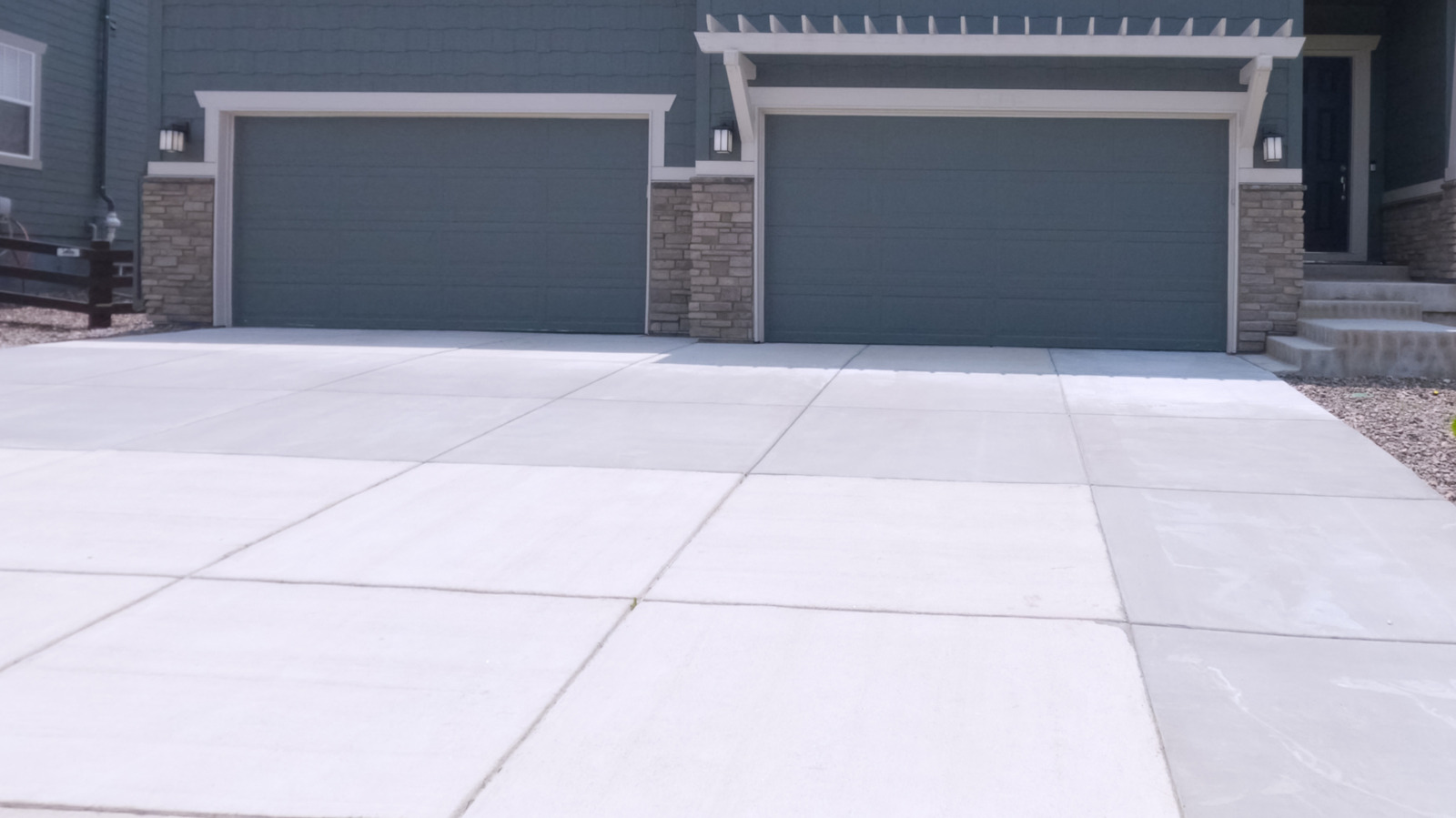
These cuts must be deep enough to create a "weakened plane." Typically, a control joint should be cut to a depth of at least one-quarter of the slab’s thickness. By creating this intentional notch, the contractor effectively directs the stress of the concrete toward the joint. When the concrete inevitably shrinks, the crack forms at the base of the saw cut rather than across the surface of the slab. Because the crack is hidden within the groove, the surface remains aesthetically pleasing and structurally sound.
Professional Perspectives on Durability
Structural engineers and professional masons view these cuts as the "insurance policy" of concrete work. Without them, a driveway is essentially a ticking time bomb of structural failure.
"When we talk to homeowners about their driveways, the biggest concern is always longevity," notes a veteran concrete contractor. "Many clients ask if we can skip the cuts to get a ‘cleaner’ look. We explain that a clean look today will be a jagged, messy crack by next winter. We aren’t just cutting concrete; we are managing the laws of physics."
From a safety perspective, unplanned, deep, and jagged cracks represent significant hazards. They can become trip points for pedestrians, especially children or the elderly. Furthermore, if a crack widens, it can allow water to seep into the sub-base. During the winter, this water freezes and expands, a process known as "frost heave," which can lift the concrete and cause the slab to crumble or collapse over time. Control joints mitigate this by keeping the structural movement restricted to manageable, pre-determined lines.
Implications for Homeowners
The decision to utilize saw cuts has long-term financial and practical implications.
Maintenance and Repair
While saw cuts prevent random cracking, they do not make the concrete indestructible. Over time, these joints may collect debris or vegetation. Homeowners are advised to periodically clean out the joints and, if necessary, fill them with a flexible sealant. This prevents water infiltration while still allowing the slab the necessary "breathing room" to expand and contract.
The Aesthetics of Modern Design
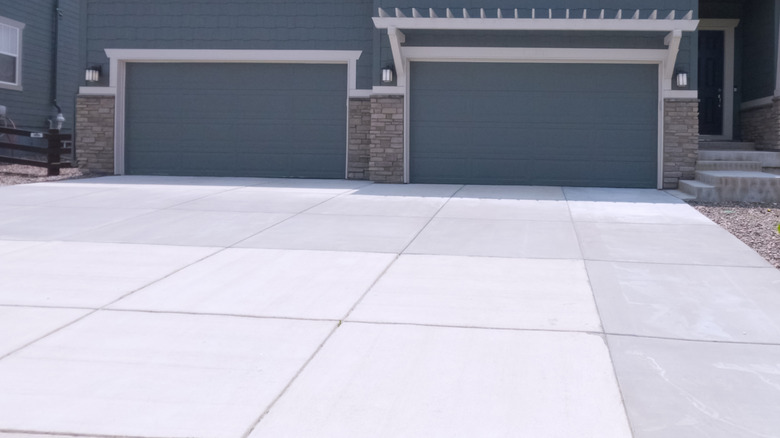
In modern architectural design, the saw cut is often embraced as a stylistic element. Contractors can use geometric patterns—such as diamonds or intricate grids—to turn a mundane driveway into a deliberate design statement. By framing the driveway with intentional lines, the concrete looks like a series of large, high-end pavers rather than a singular, industrial pour.
Property Value
A driveway that is properly maintained—free of erratic, spiderweb-like cracking—significantly improves curb appeal. When it comes time to sell a home, a cracked driveway is often flagged during inspections as a sign of poor installation or foundation issues. Conversely, a driveway with clean, uniform control joints suggests a high-quality build that was executed with professional oversight.
Conclusion: Embracing the Cut
Ultimately, the presence of lines in a concrete driveway is a testament to the fact that building materials, like everything else in the natural world, are subject to change. By choosing to guide that change through engineering, homeowners can ensure their driveways remain functional, safe, and attractive for decades.
Whether the primary goal is preventing a costly replacement, ensuring the safety of those walking on the surface, or simply maintaining a clean aesthetic, the saw cut remains the most vital tool in the concrete contractor’s arsenal. It is the perfect marriage of form and function—a small, simple incision that provides the essential structural relief necessary to withstand the relentless pressures of the environment. Far from being a flaw, the control joint is the hallmark of a job done right.