Suro Senen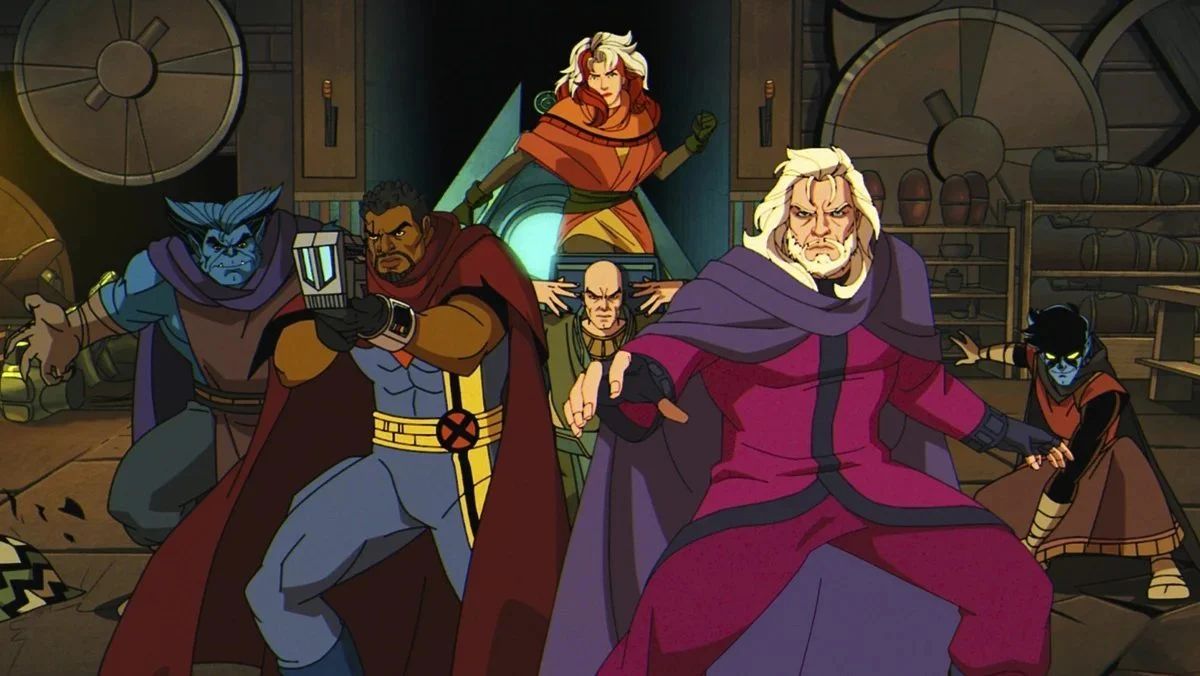
The cultural phenomenon that was the first season of X-Men ’97 in 2024 set a high bar for animation, nostalgia, and narrative ambition. As a direct continuation of the seminal 1990s animated series, the show managed the near-impossible: it satisfied the deep-seated cravings of long-time fans while simultaneously capturing the attention of a new generation. With the impending arrival of the second season on Disney+ this July 1, the question on everyone’s mind is whether the sophomore outing can maintain the breakneck pace and emotional gravity of its predecessor. Having screened the first four episodes, I can confidently report that the Merry Mutants remain in excellent hands.
A Legacy of Excellence
The first season of X-Men ’97 was, by almost any critical metric, a triumph. It navigated the delicate balance of updating classic character dynamics without losing the inherent charm of the source material. However, the announcement of a second season brought with it the inevitable anxieties that accompany any successful creative endeavor facing a change in production leadership. Would the tone shift? Could the narrative depth be sustained?
The initial four episodes provide a reassuring answer. While it is perhaps too early to declare that this season will reach the same dizzying, emotional peaks as the series finale of season one, the structural integrity of the show remains intact. The animation continues to bridge the gap between the stilted, vibrant aesthetics of the original nineties cartoons and the fluidity of modern action sequences. The colors pop, the kinetic energy is palpable, and the stakes feel as gargantuan as ever.
Chronology of Chaos: Picking Up the Threads
To understand the current state of the X-Men, one must look back at the chaotic fallout of the season one finale. The narrative ended on a splintered note, with the team scattered across the timestream. Season two wastes no time in addressing these cliffhangers, though it wisely avoids the trap of trying to resolve everything at once.
The Three Fronts
The story is currently unfolding across three distinct temporal locations, creating a complex, multi-layered narrative:

- The Far Future: A desolate, apocalyptic landscape where Cyclops, Jean Grey, Wolverine, Storm, and young Nathan Summers find themselves struggling to survive under the thumb of a triumphant Apocalypse. This setting offers a grim look at the potential failure of the X-Men’s mission.
- The Ancient Past: A stark contrast to the future, this setting features Professor X, Magneto, Beast, Rogue, and Nightcrawler. They have been transported back to the origins of En Sabah Nur (the man who would become Apocalypse). This arc acts as a crucial character study, examining the formative years of a villain and the morality of those who witness his descent.
- The Present Day: Back in the "current" timeline, the remaining team—including Cable, Jubilee, and Sunspot—must navigate the wreckage of a world left reeling from the Bastion and Sentinel crisis. They remain the de facto freedom fighters, tasked with protecting a world that has only just begun to see the true cost of anti-mutant hysteria.
Structural Analysis: The "Mini-Movie" Approach
The pacing of the first four episodes suggests a deliberate structural shift. The premiere episode, while satisfying, feels somewhat hurried as it attempts to re-establish the status quo across these three disparate time periods. However, the show finds its rhythm by the second episode, which introduces a compelling riff on familiar faces alongside a host of fresh, intriguing characters.
The true brilliance of this batch, however, lies in the third and fourth episodes. Acting as a self-contained "mini-movie," these installments allow the plot to slow down and breathe. They prioritize character depth and political intrigue over mere spectacle, focusing heavily on the evolving ideological conflict between Professor Xavier and Magneto. For those who have always found the philosophical friction between these two icons to be the heart of the X-Men mythos, these episodes will be essential viewing. They prove that the showrunners understand that the X-Men’s strength lies in their dialogue as much as their power sets.
Supporting Data and Production Context
The production of X-Men ’97 has been a testament to the power of fan-driven demand. With Disney confirming that annual seasons are the goal moving forward, the production team is clearly operating with a long-term vision. This consistency is vital; the two-year wait between the original series ending and this reboot, and then between seasons, has been a point of contention for fans. A yearly cadence promises to keep the cultural momentum alive.
From a technical standpoint, the animation team has continued to evolve their "retro-modern" style. The challenge of taking the gorgeous but inherently limited imagery of the nineties—where characters often stood static for frames at a time—and animating them for a contemporary audience is a massive undertaking. The vibrancy of the color palette, paired with explosive, high-impact fight choreography, remains the gold standard for Western animated superhero projects.
Implications for the Future of the Franchise
The implications of these first four episodes are significant. By spreading the team across time, the writers have effectively expanded the "X-Men Universe" without needing to introduce a dozen new side-shows. They are utilizing the history of the Marvel Universe to build stakes that feel earned rather than forced.

Furthermore, the focus on En Sabah Nur suggests that the show is positioning itself to tell a definitive version of the Apocalypse saga—a story arc that has historically been hit-or-miss in other media adaptations. By grounding this in the perspectives of Professor X and Magneto, the show maintains its status as a character-first drama.
One of the most encouraging aspects of the current season is that it does not feel like it is merely "filling time" until a climax. Every scene involving the scattered team members feels designed to reveal something fundamental about their psychology. Whether it is Wolverine grappling with the hopelessness of the future or Rogue navigating the complexities of the past, the character work remains top-tier.
Final Reflections
The most pressing criticism one could levy at this point is simply the desire for more. With only five episodes remaining after this initial four-episode block, the season feels like it will end almost as soon as it begins. However, this is the hallmark of a compelling series: it leaves the audience hungry for the next installment.
While it is true that the episodes viewed so far have not yet reached the singular, genre-defining heights of the best moments from season one, they possess a consistent quality that is rare in modern television. The show is not resting on its laurels; it is actively pushing the boundaries of its premise.
As we look toward the July 1 premiere, fans should be optimistic. X-Men ’97 continues to prove that it is not just a nostalgic exercise, but a vital, modern piece of television. It captures the essential spirit of the Merry Mutants—the struggle for acceptance, the weight of leadership, and the beauty of found family—and wraps it in a package that is as visually stunning as it is narratively rich. Whether you are a devotee of the 1992 animated series or a newcomer drawn in by the buzz of the 2024 season, the second chapter of this saga is set to be one of the summer’s defining television events.

 Siti Muinah
 Azzam Bilal Chamdy