

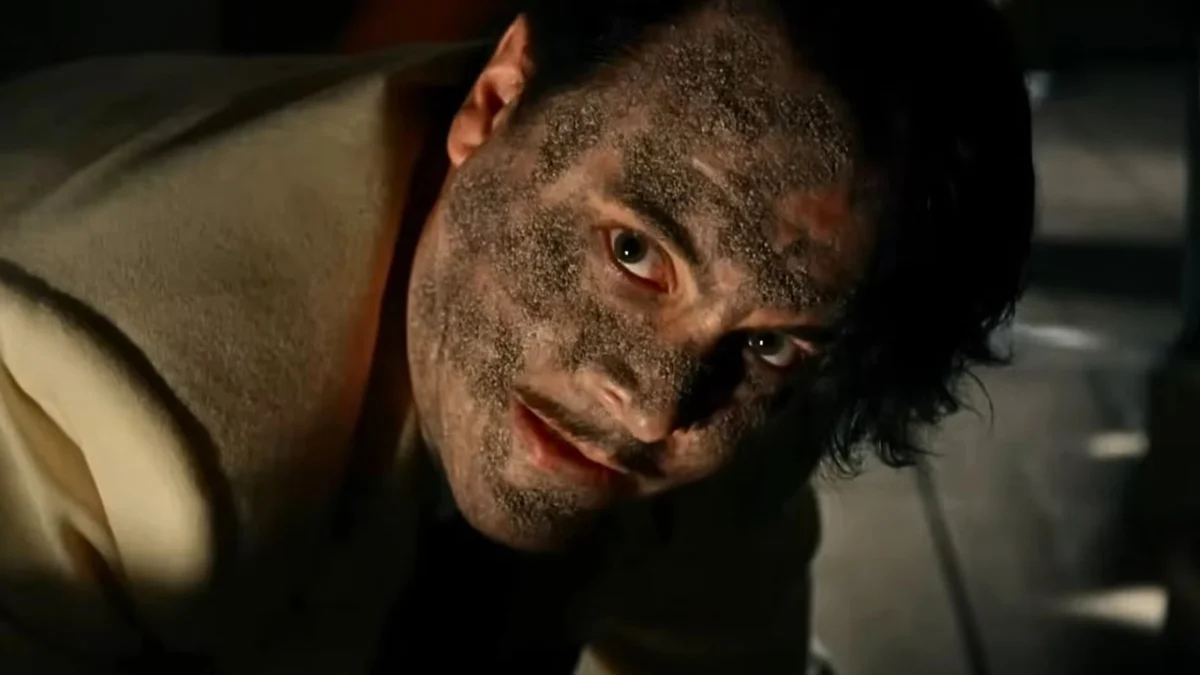
In the shadowy, rain-slicked streets of Spider-Noir, the latest addition to Prime Video’s expanding superhero roster, the past is never truly buried. As Nicolas Cage’s Ben Reilly navigates a grim, Depression-era New York, the show has begun peeling back the layers of its central mystery: the origin of the super-powered threats plaguing the city.
The fifth episode, "Betrayal," serves as a pivotal narrative juncture, finally connecting the dots between the volatile Flint Marko—the man who would become the Sandman—and the dark, experimental history of World War I. By grounding its comic-book spectacle in the real-world horrors of mid-20th-century experimentation, Spider-Noir is tapping into a long-standing tradition of pulp science fiction that views the Nazi war machine not just as a historical political entity, but as a font of horrific, transgressive science.
The Origins of the "Super-Soldier": A Chronology of Conflict
To understand the stakes in Spider-Noir, one must look at the flashback sequences detailing Ben Reilly’s formative trauma. The narrative establishes that Reilly’s own transformation into a spider-powered vigilante is intrinsically linked to a covert German lab operating during the First World War.
The chronology of this "super-science" is crucial to the show’s atmosphere. While historical reality places the peak of Nazi industrial horror in the 1930s and 40s, Spider-Noir utilizes the "pulp" lens to project these anxieties onto the earlier conflict of the Great War. The episode portrays an Imperial German facility where prisoners of war—including Flint Marko—are subjected to grotesque genetic modifications. It is here that Reilly encounters the "half-human, half-mutant" arachnid that grants him his abilities.
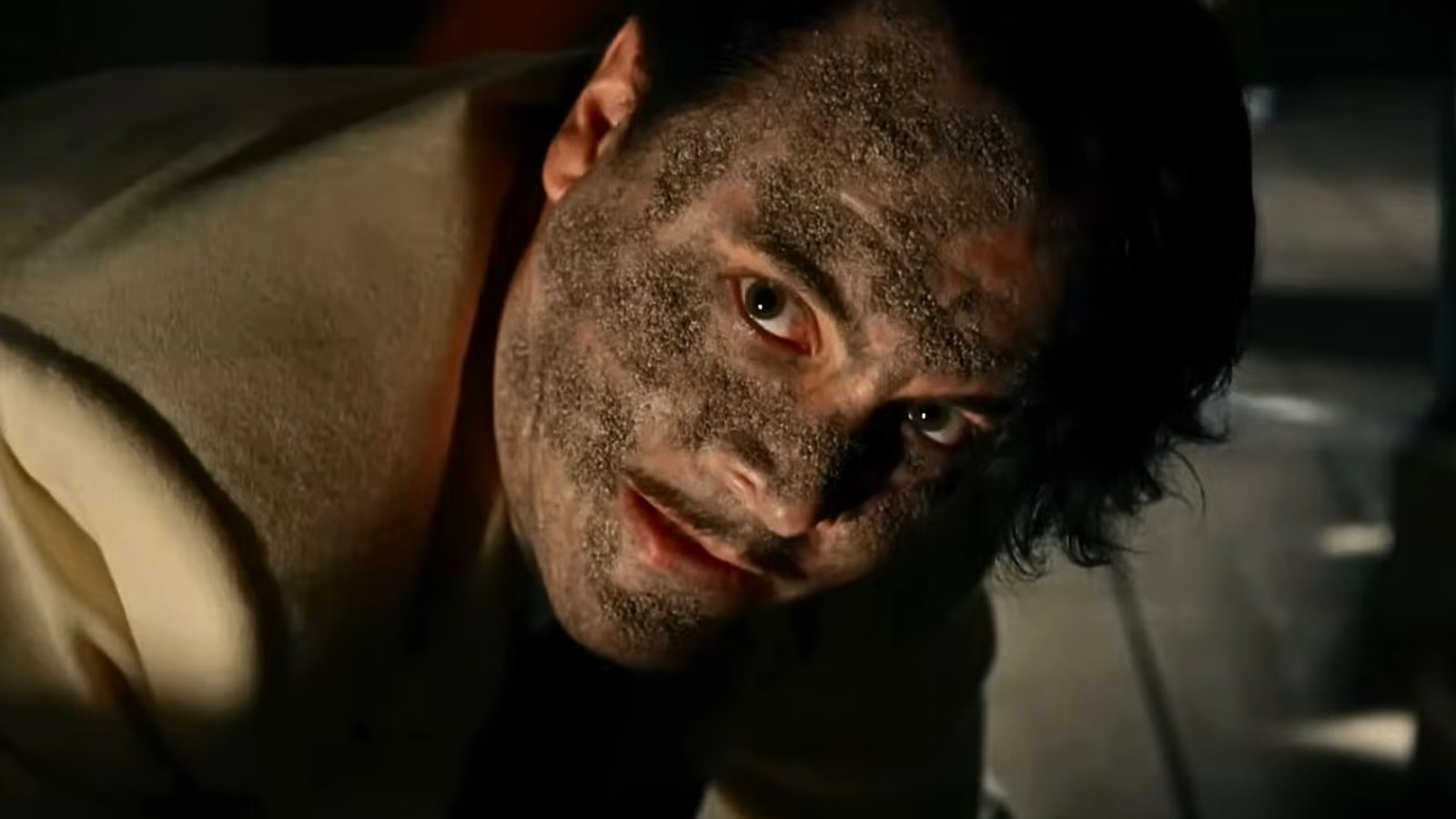
By utilizing the imagery of nightmarish laboratories, white-coated doctors, and the dehumanization of prisoners, the show anchors itself in a genre tradition that frames the "mad scientist" as a direct byproduct of fascist ideology. This is not merely a plot device; it is a thematic pillar that suggests that the seeds of the monstrous were sown long before the rise of the Third Reich, manifesting in a perpetual cycle of technological and biological exploitation.
The "Stupid Jetpack Hitler" Trope: A Literary and Cinematic Analysis
In pop culture criticism, this specific storytelling device is often referred to with a blend of irony and exasperation as "Stupid Jetpack Hitler." Coined by the community at TV Tropes, the term describes the inevitable appearance of Nazis in speculative fiction who, rather than relying on conventional warfare, dedicate their resources to occult artifacts, laser-wielding mechs, or genetic modification.
Why Pulp Fiction Can’t Quit the Nazis
The durability of the "Nazi Super-Scientist" trope can be attributed to several factors:
- Universality of Evil: In the landscape of serialized storytelling, the Nazis serve as a shorthand for absolute, irredeemable villainy. They require no introduction and no moral ambiguity, allowing the hero to act with moral clarity.
- Historical Magnetism: The Third Reich’s real-world obsession with the occult—such as Heinrich Himmler’s interest in the Spear of Longinus or the search for mythological relics—provides a fertile, albeit grotesque, foundation for speculative fiction to build upon.
- The "Wunderwaffe" Mythos: The Nazi propaganda machine’s obsession with Wunderwaffe (Wonder Weapons), such as the V-2 rockets, created a lingering perception that the German war effort was fueled by a near-supernatural level of technological advancement, a myth that persists in modern media.
However, historians are quick to point out the dangers of this trope. By emphasizing the "technological genius" of the Nazis, these stories often inadvertently rewrite history, suggesting the Nazi war machine was more organized, futuristic, and efficient than it actually was. The reality was a regime defined by internal power struggles, economic instability, and a reliance on slave labor that was ultimately unsustainable.
Comic Book Antecedents: From Marvel to Mignola
Spider-Noir does not exist in a vacuum. It is the latest iteration of a long lineage of comic books that utilize the Second World War as a sandbox for the fantastical.
The Captain America Paradigm
Captain America remains the gold standard for this narrative. Created by Joe Simon and Jack Kirby as a direct response to the rise of fascism, Cap’s entire existence is defined by the "Nazi scientist" archetype. Villains like the Red Skull and Baron Zemo are not just enemies; they are manifestations of the desire to bend nature and history to the will of a master race. The Super Soldier Serum itself, in various iterations, is treated as a stolen or corrupted invention that was originally intended for the Axis powers.
The Mignolaverse and the Occult
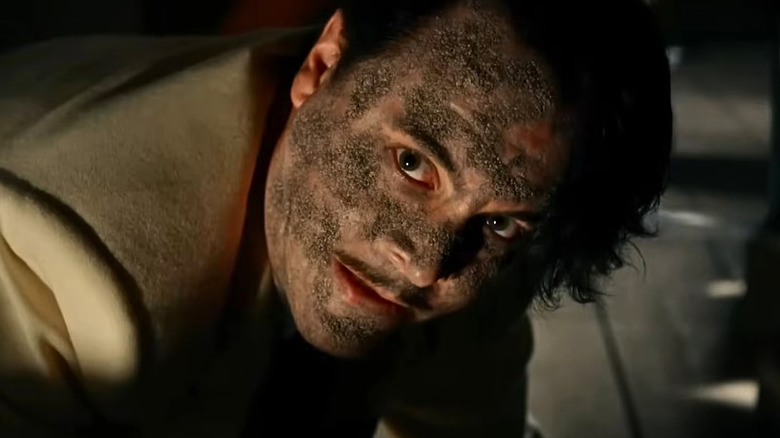
Perhaps no other modern comic franchise handles this trope with as much reverence for the "pulp" genre as Mike Mignola’s Hellboy. Mignola leans fully into the alchemy and gothic horror of the Nazi era. In the Hellboy universe, the Nazis are not just scientists; they are sorcerers. Projects like Ragna Rok—an attempt to open the gates of hell to secure a victory—are treated as the logical conclusion of Nazi ideology. Characters like the head-in-a-jar Herman Von Klempt or the undying Rasputin represent the grotesque marriage of high-tech machinery and ancient, occult ritual.
Modern Implications: From Anime to Streaming Satire
The reach of this trope extends far beyond Western comics. Modern anime, such as the ultra-violent Hellsing, explores the persistence of fascism through the lens of vampire-hunting and supernatural warfare. In Hellsing, the villainous organization "Millennium" is a remnant of the Third Reich that has achieved immortality through blood rituals and technology, serving as a reminder that the ideology of fascism is a "living corpse" that must be constantly repelled.
Similarly, Amazon’s The Boys offers a cynical, modern-day reflection on this trope. By grounding the creation of "Supes" in Compound V—a substance developed by a German scientist working for the Vought corporation—the show draws a direct line between the eugenics programs of the 1940s and the corporate, celebrity-driven fascism of the present day. Stormfront, a character who is literally a Nazi, demonstrates how these outdated, hateful ideologies are being rebranded for a digital age.
The Hero as an Antifascist Symbol
Ultimately, the reason audiences remain fascinated by these stories is the catharsis provided by the hero. Whether it is Ben Reilly in Spider-Noir, Hellboy, or Lobster Johnson, these characters are defined by their resistance to the encroaching darkness of fascism.
There is a profound, if simplified, satisfaction in watching a hero dismantle a regime that represents the worst impulses of humanity. By casting the Nazis as super-villains with jetpacks and mutant spiders, these stories take the overwhelming, complex trauma of the 20th century and distill it into a struggle that can be won with a punch.
As Spider-Noir continues its run on Prime Video, it serves as a reminder that even in the most stylized, noir-drenched corners of fiction, the fight against the "Nazi super-scientist" is a foundational element of the superhero mythos. It is a battle between the preservation of human dignity and the cold, clinical ambition of those who would see the world transformed into a laboratory. In the end, the genre thrives because it gives us a hero capable of standing against the abyss—and occasionally, punching it in the face.









No comments yet. Be the first to join the conversation!