Sagoh
Sagoh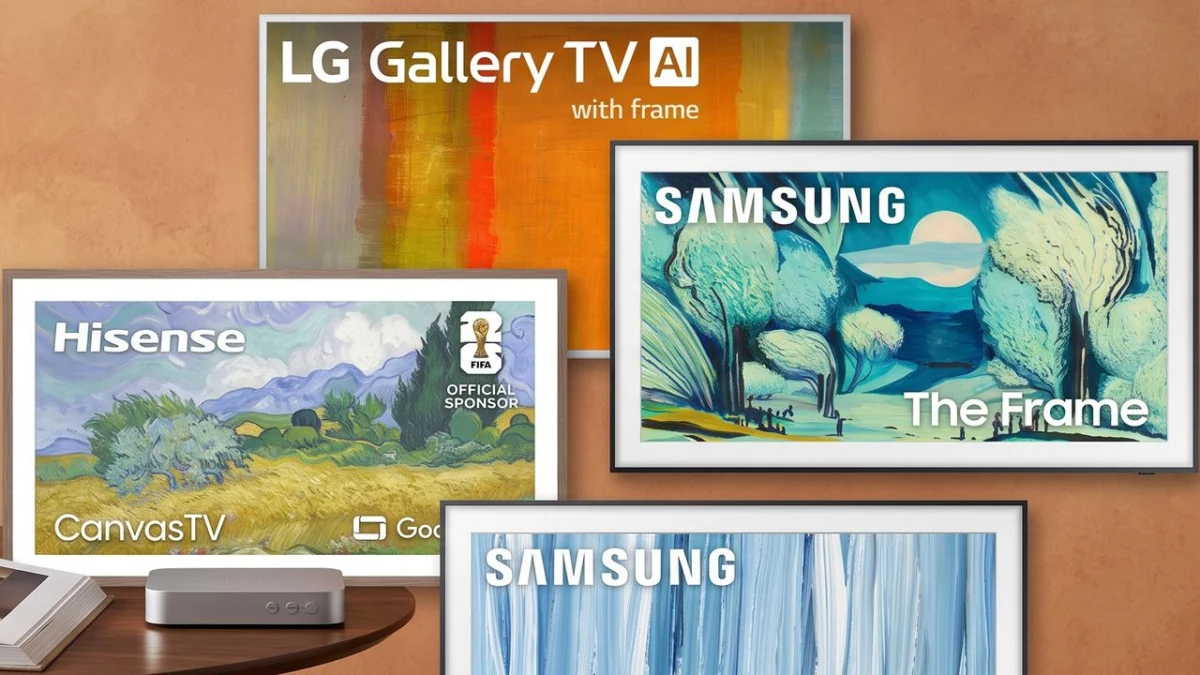
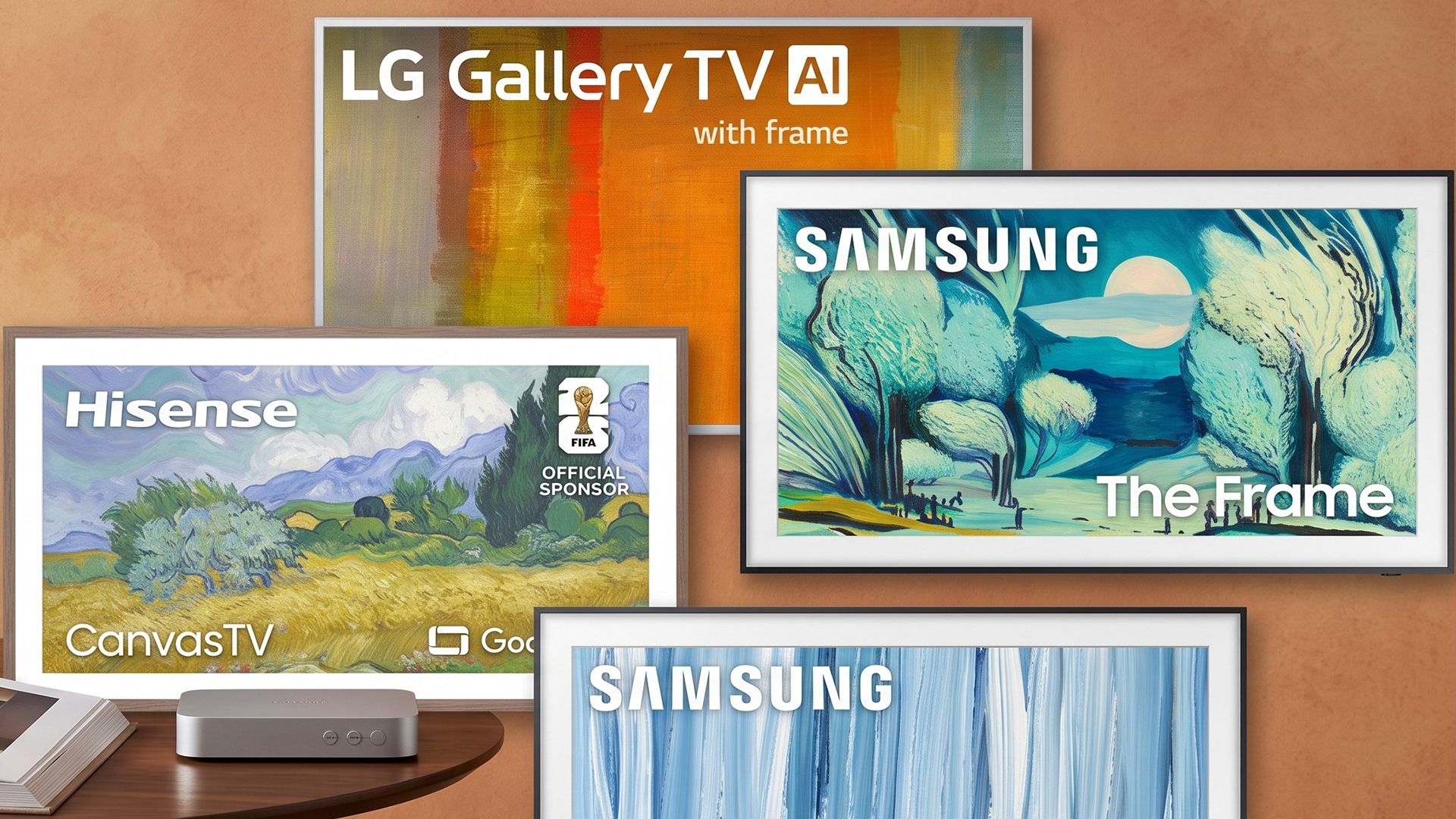
As the summer season winds down, the retail landscape shifts gears, ushering in the highly anticipated Labor Day sales period. For design-conscious tech enthusiasts, this year’s holiday weekend offers a unique window of opportunity: the chance to secure a high-end "Frame" TV—a hybrid device that functions as both a 4K smart television and a sophisticated piece of digital wall art—at a significantly reduced price point.
Leading the charge is a striking deal from Best Buy, which has slashed $400 off the MSRP of the 55-inch 2025 Samsung The Frame. Now retailing at $697.99, down from its original $1,099, this promotion brings the industry’s gold standard for art-integrated technology into a price bracket usually reserved for standard, non-aesthetic displays.
Main Facts: The Evolution of the "Art TV"
The concept of the "Frame" TV—pioneered by Samsung and quickly adopted by competitors—is rooted in the idea of reclaiming the living room. For decades, the "black mirror" effect of a powered-down television has been a point of contention for interior designers and homeowners alike. A large, dormant screen can act as an eyesore in an otherwise curated space.
The Frame series solves this by utilizing a matte, anti-reflection display and a sensor-driven "Art Mode." When the TV is not actively streaming content, it mimics the appearance of a physical canvas. Depending on the user’s preference, the screen can display high-resolution fine art, personal photography, or curated graphic designs.
The 2025 iteration of the Samsung model, which earned a four-star rating in our recent review, features refined AI upscaling and improved color reproduction, ensuring that the transition between "Smart TV" and "Gallery Piece" is seamless. The current Labor Day discount is particularly notable because it effectively positions the Samsung model at a price lower than many lower-tier "dupes" or knock-off frames currently flooding the market, making it an exceptionally compelling value proposition.
Chronology: From Niche Luxury to Mainstream Appliance
The journey of the art-centric television has been one of steady refinement.
- 2017: The Inception: Samsung launches the first generation of "The Frame." While the technology was novel, early models struggled with thick bezels and limited art libraries.
- 2020-2021: The Pandemic Shift: As remote work forced people to spend more time in their homes, the demand for "aesthetic home office" tech skyrocketed. This period saw a massive uptick in interest for TVs that could disappear into a room’s decor.
- 2023: The Rise of Competition: Recognizing the success of the concept, competitors like Hisense (with the Canvas TV) and LG (with the Gallery series) entered the fray. This competition drove down prices and forced a "spec war" regarding screen quality.
- Labor Day 2024: We find ourselves at a turning point. The technology has matured to the point where "Frame" features are no longer just an expensive gimmick, but a standard expectation for premium home displays. The current pricing, specifically the $697.99 entry point for the 55-inch model, suggests that manufacturers are eager to clear inventory for the holiday season while simultaneously capturing the attention of a broader, value-conscious demographic.
Supporting Data: Why Consumers Are Pivoting
Market analysis indicates that the "lifestyle tech" sector is currently outperforming standard consumer electronics in the home decor category. Consumers are increasingly prioritizing the integration of technology into their existing furniture ecosystems.
According to retail analytics from the current sales cycle:
- Price Sensitivity: The average consumer is willing to pay a 15–20% premium for a TV that features "lifestyle" aesthetics (slim profiles, customizable bezels) over a standard equivalent.
- The "Dupe" Dilemma: In our testing, we have found that many budget-friendly alternatives—often marketed as "art TVs"—fail to account for the necessary ambient light sensors required to make a screen look like paper or canvas. When the screen is too bright, the art looks like a digital slide. Samsung’s proprietary matte finish remains the benchmark.
- The Rise of the Digital Curator: User engagement data shows that owners of Frame TVs spend an average of 4.5 hours per day in "Art Mode," effectively making the device a permanent fixture of their home’s visual landscape, rather than a temporary distraction.
Official Responses and Market Positioning
Industry representatives suggest that these Labor Day sales are a calculated move. Speaking on condition of anonymity, a retail analyst noted, "The goal for brands right now is penetration. If they can get a Frame TV into a home, they secure the user into their ecosystem—subscription services for art galleries, smart home integration, and peripheral accessory sales like custom-colored magnetic bezels."
Hisense, which has positioned its "Canvas" TV as a direct challenger, has focused its messaging on the "total cost of ownership." By including features that Samsung might charge for as add-ons, they are forcing the market to become more competitive. For the consumer, this is a "win-win." Whether you choose the industry-leading Samsung or the feature-dense Hisense Canvas, the baseline quality for art-mode displays has never been higher.
Implications: The Future of the Living Room
What does this shift mean for the future of home cinema? We are moving toward a period where the television, as a distinct object, is effectively becoming obsolete.
The Aesthetic Integration Trend
The success of these deals highlights a broader trend: "Invisible Technology." Consumers are tired of black plastic boxes. They want technology that respects the architecture of their homes. This is evident in the push toward ultra-short-throw projectors, hidden speakers, and, of course, the Frame TV.
A New Category of Digital Decor
Beyond the TV, the digital photo frame market is also seeing a resurgence. As screens become higher in resolution, a digital frame is no longer a low-res, pixelated display of the past. Modern digital frames offer crisp, high-definition viewing angles that truly rival traditional printed photos. For those who aren’t looking to overhaul their living room with a 55-inch display, the current crop of Labor Day deals on high-end digital frames—often featuring cloud-syncing and motion sensors—offers a more accessible entry point into digital curation.
Considerations for the Buyer
Before clicking "buy," prospective buyers should consider the following:
- Wall Placement: While these TVs are designed to mount flush to the wall, they still require a "One Connect" box or similar solution for cable management. Ensure your wall setup can accommodate the cable hidden behind the drywall.
- Subscription Models: Be aware that most of these TVs provide a limited set of free art, with the vast majority of high-quality galleries locked behind a monthly subscription. Factor this recurring cost into your long-term budget.
- The "Matte" Factor: If you are buying a "dupe," verify that the screen is matte. A glossy screen will reflect every light source in your room, which completely ruins the "canvas" illusion.
Conclusion: Is Now the Time to Buy?
Labor Day is traditionally a time for deep discounts on appliances, and the Frame TV is arguably the most "appliance-like" gadget on the market. If you have been waiting for the price of the 55-inch Samsung The Frame to drop below the $700 threshold, your patience has been rewarded.
The current crop of sales represents more than just a seasonal price cut; it marks a maturation of a product category. Technology has finally caught up with the interior design aesthetic, and the gap between "functional tech" and "home decor" has never been narrower. As we move into the final quarter of the year, these deals offer the perfect opportunity to transform your living space from a media hub into a curated home gallery.

 Nana Wu
 Rifan Muazin