


In the high-stakes world of VTubing, where personality and entertainment value are the primary currency, few stars shine as brightly as Hololive’s Usada Pekora. However, the beloved entertainer recently found herself at the center of a corporate firestorm after a stream featuring Pokémon Emerald prompted an intervention from Nintendo. What began as a nostalgic quest to capture the elusive Mythical Pokémon, Mew, quickly devolved into a lesson on the rigid intersection of Japanese intellectual property law, corporate distribution guidelines, and the murky market of secondary-market retro gaming.
The incident has sparked a global debate, pitting the passionate nostalgia of fans against the uncompromising stance of game publishers regarding hardware modification and software integrity.
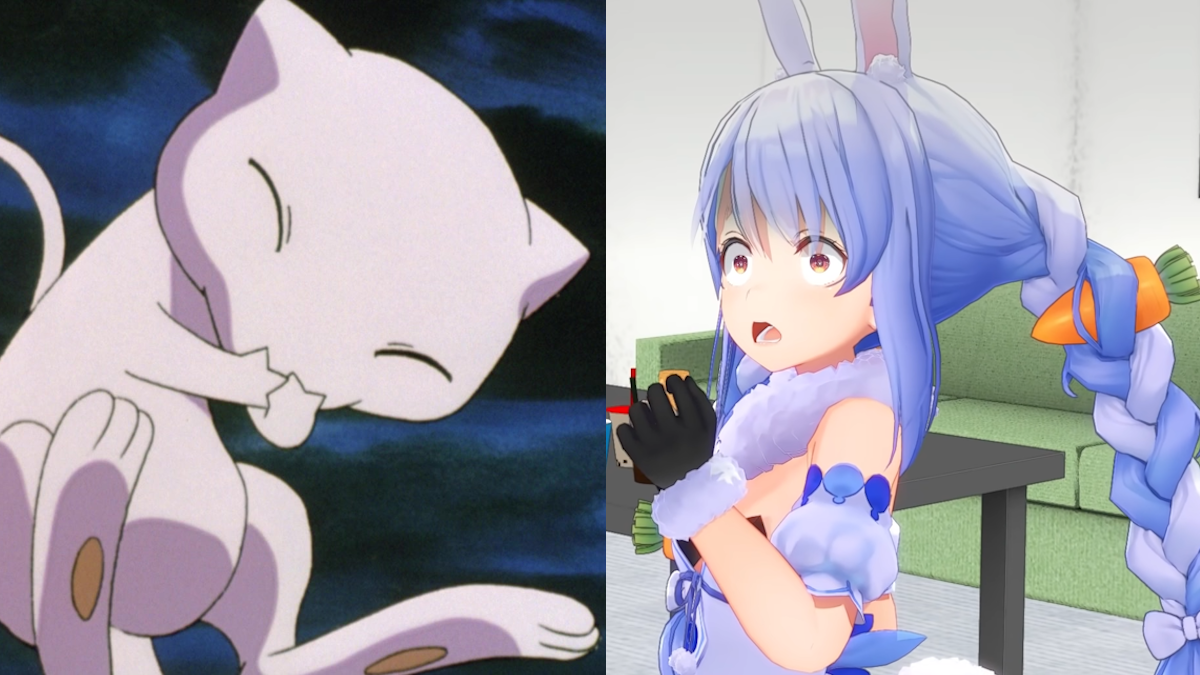
The Quest for the Old Sea Map
The controversy ignited when Usada Pekora, attempting to provide her audience with a high-quality, authentic retro gaming experience, sought out original, pre-owned copies of Pokémon Emerald on various Japanese auction platforms. Her goal was specific: she hoped to acquire a cartridge that still contained the legendary "Old Sea Map."
In the original 2005 release of the game, the Old Sea Map was a rare, event-exclusive item distributed by Nintendo at specific physical locations. Holding the map allowed players to travel to Faraway Island to encounter and capture Mew. Because these events concluded nearly two decades ago, acquiring the item on an original cartridge is a Herculean task, requiring the purchase of used software that might still hold the data from the original, legitimate distribution.
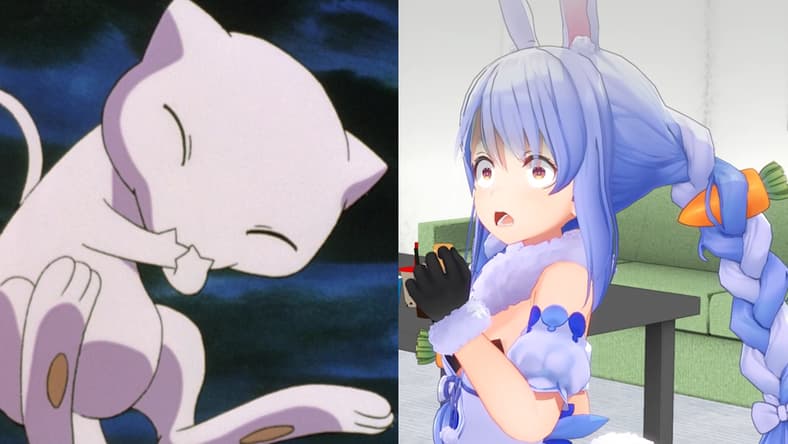
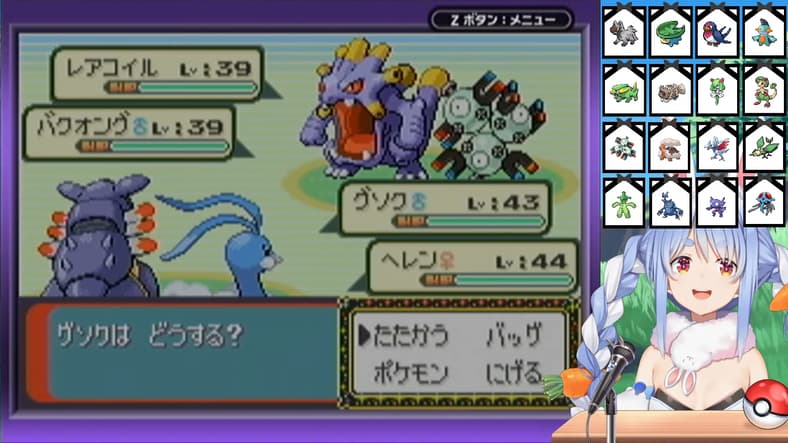
Pekora was visibly delighted when she believed she had struck gold. Upon loading the cartridge, the game displayed the presence of the Old Sea Map, as well as the "Mystic Ticket," another rare item used to encounter Lugia and Ho-Oh. For the streamer and her audience, it appeared to be the perfect setup for a high-profile "shiny hunting" stream.
A Chronology of the Disappearance
The events unfolded rapidly over the course of several days:

- The Stream: Pekora broadcast her playthrough, expressing excitement about the rare items and outlining her plan to hunt for a Shiny Mew.
- The Backlash: Almost immediately, eagle-eyed viewers and commentators began questioning the legitimacy of the cartridge. Concerns were raised that the ROM had been modified to inject the event items, a practice common among "repro" or hacked carts sold on the secondary market.
- The De-platforming: Within five days of the stream, the official video was scrubbed from YouTube, and Hololive Productions, the agency behind Pekora, released an official statement confirming they had been in contact with Nintendo.
- The Clarification: On April 3rd, Pekora held a follow-up stream to address the confusion, expressing her own frustration at not knowing whether the cartridge was authentic or a sophisticated forgery. Ultimately, she decided to abandon the pursuit of Mew entirely to avoid further controversy.
The "Gray Zone" of Retro Hardware
The heart of the dispute lies in whether the cartridge was legitimately "old" or a "repro"—a modern reproduction cartridge that looks and functions like the original but contains flashed data, often including unauthorized modifications or save-file injections.
In her address to fans, Pekora highlighted the confusion surrounding the item. "There are suspicions that the ROM has been modified," she explained. "Before I’m 100% sure, I don’t want to do it if it’s fake… I apologize for causing a fuss over this."

The issue is that modern, high-quality reproduction cartridges are incredibly difficult to distinguish from the original 2004-2007 hardware without specialized diagnostic tools. For a streamer, the risk of unknowingly utilizing "hacked" data is high, yet for a company like Nintendo, the distinction is legally irrelevant. To them, if the code is not original, it is an infringement of their intellectual property.
Official Responses and Corporate Guidelines
Hololive Productions handled the situation with the gravity typical of a major talent agency dealing with a titan like Nintendo. Their statement, titled "Notice Concerning Response to Game Distribution Suspected of Violating Guidelines," was direct.
"We have consulted with Nintendo Corporation… regarding the content of a recent game distribution that was suspected of violating the guidelines," the statement read. The company confirmed that Nintendo requested the video be made private to prevent "misunderstanding" and insisted that Hololive talent must strictly adhere to future guidelines.
This is a significant moment for the VTuber industry. For years, Japanese streamers have operated under "implied" or "expressed" permissions from publishers. This incident serves as a stark reminder that these permissions are not a blank check. Nintendo’s intervention—which included a requirement to educate talent on the necessity of complying with these strict guidelines—highlights that even the most popular creators are subject to the same copyright and usage policies as any other individual.

Implications: Japanese Law and the "Unfair Competition" Act
The tension is not merely a corporate squabble; it is backed by stringent Japanese law. In 2019, Japan significantly amended its Unfair Competition Prevention Act. While the primary intent was to curtail the reselling of unauthorized game keys, the legislation was drafted broadly enough to cover the distribution of tools and programs that alter save data.
Under this act, distributing software that modifies game data, or selling modified consoles/carts, can result in severe penalties, including fines up to ¥5 million ($34,870 USD) and up to five years in prison.

The Japanese legal system has recently demonstrated its willingness to enforce these laws. In late 2024, a 36-year-old man was arrested for selling "hacked" Pokémon in Scarlet and Violet. Shortly after, another individual was arrested for selling modified 3DS save data. In a high-profile case earlier this year, a 58-year-old man received a suspended prison sentence for selling modified Nintendo Switch consoles. These cases underscore that Nintendo is not merely protecting its "brand image"—it is actively engaging in a legal campaign to sanitize the environment surrounding its software.
The Cultural Divide: Fans vs. Compliance
The reaction to the takedown was markedly different between international and domestic audiences. Many English-speaking fans on social media platforms like X (formerly Twitter) expressed outrage, viewing Nintendo’s actions as an overreach—an attempt to punish a streamer for playing a game that is no longer being actively sold or supported by the company.

Conversely, the Japanese fan base was largely more reserved and, in some cases, supportive of the decision. Many Japanese viewers expressed relief that Pekora was not facing more severe personal or legal consequences, emphasizing the importance of protecting the agency’s relationship with publishers. In the Japanese streaming culture, where official permission is the cornerstone of content creation, there is a clearer understanding that "the publisher is always right" when it comes to their intellectual property.
Conclusion: The Future of Retro Streaming
The Usada Pekora incident serves as a definitive case study for the future of retro gaming on streaming platforms. It illustrates that "authenticity" is no longer just about the nostalgia of the player; it is about the legal integrity of the physical media being broadcast.
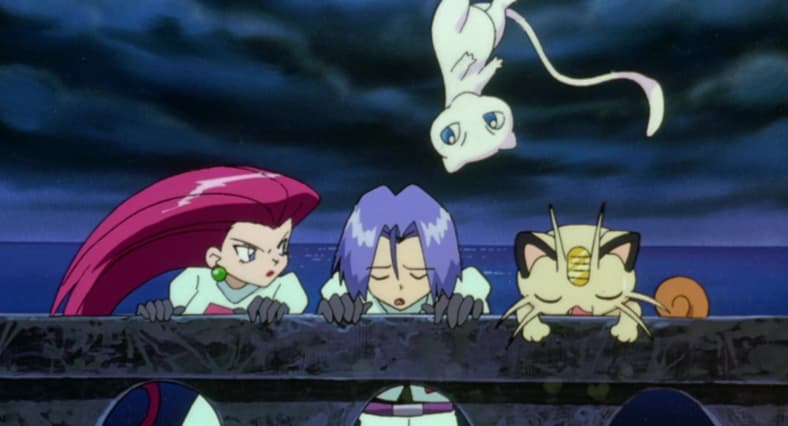
As Nintendo continues to curate its "Switch Online" offerings, they have shown little interest in allowing legacy titles to exist in a "wild west" environment where modified, unofficial hardware can be showcased to millions of viewers. For streamers, the message is clear: if you are going to play retro games, you must be absolutely certain of the provenance of your hardware. Anything less than 100% verified original, unmodified media risks falling into the "gray zone" that Nintendo—and the Japanese legal system—is currently targeting with renewed vigor.
For now, Pekora has moved on, turning her attention to Pokémon Fire Red. It is a safe, stable choice that keeps her within the bounds of current guidelines. For the rest of the industry, the "Mew" controversy will stand as a permanent reminder that in the eyes of the law, the line between a "collector’s item" and "pirated software" is often a thin one—and it is one that creators cross at their own peril.










No comments yet. Be the first to join the conversation!