

By Marketing Dive Staff
The marketing and advertising industry is currently navigating a period of profound transition. As we move through the second quarter of 2026, the industry is defined by a paradoxical tension: while the promise of artificial intelligence (AI) has captured the imagination of the C-suite, the hard reality of stagnant budgets and resource constraints continues to tether strategic execution to traditional limitations.
This month’s "Go Figure" analysis examines the key data points that illustrate this tug-of-war. From the aggressive global expansion of Netflix’s ad-supported tier to the operational turnaround at Kraft Heinz, the current marketing climate reveals a sector desperate to innovate but constrained by the practicalities of capital allocation.
Main Facts: The State of the Industry in 2026
The primary narrative emerging from the first half of 2026 is one of "AI-fueled" ambition tempered by fiscal caution. While the industry buzz around AI dominated the recent upfront season, actual investment levels remain modest. According to recent Gartner research, AI is a top strategic priority for 70% of CMOs; however, it accounts for only 15.3% of total marketing budgets on average.
Simultaneously, the industry is witnessing a shift in how legacy brands and media giants approach their growth models. Netflix, once the poster child for subscription-only streaming, has solidified its pivot toward a robust advertising-led business model. Meanwhile, CPG giants like Kraft Heinz are leveraging significant increases in marketing spend—up 37% year-over-year in Q1—to revitalize core brands and capture new consumer segments through strategic partnerships, such as their landmark deal with the NFL.
These moves, however, occur against a backdrop of widespread executive anxiety. More than half of CMOs (56%) report that they lack the budget required to execute their 2026 strategic visions, highlighting a growing disconnect between board-level expectations and the reality of marketing resource allocation.
Chronology: Key Developments in Q1 and Q2 2026
The trajectory of the current marketing landscape can be traced through several critical milestones over the past few months:
- February 2026: Kraft Heinz officially pauses plans to split its grocery and condiment businesses. CEO leadership confirms that internal issues are "fixable," triggering a $600 million reinvestment plan covering product innovation and marketing.
- March 2026: Kraft Heinz aggressively targets the health and wellness segment with the launch of "PowerMac," a protein-and-fiber-enhanced version of its flagship Mac & Cheese. Simultaneously, the company finalizes a five-year global partnership with the NFL to become the league’s primary condiment partner.
- April 2026: Netflix announces a major expansion of its ad-targeting capabilities, integrating audience data from demand-side platform (DSP) partners Amazon and Yahoo, alongside the introduction of a proprietary Conversion API tool.
- May 2026: The annual Upfront season highlights a "sports overload" and a heavy emphasis on AI-driven ad solutions. Netflix uses its May 13th presentation to announce its intent to expand its ad-supported tier to 15 additional countries by 2027, bringing its total footprint to 27 nations.
Supporting Data: By the Numbers
To understand the scale of these shifts, we must look at the quantitative markers defining the industry:
15 New Markets for Netflix
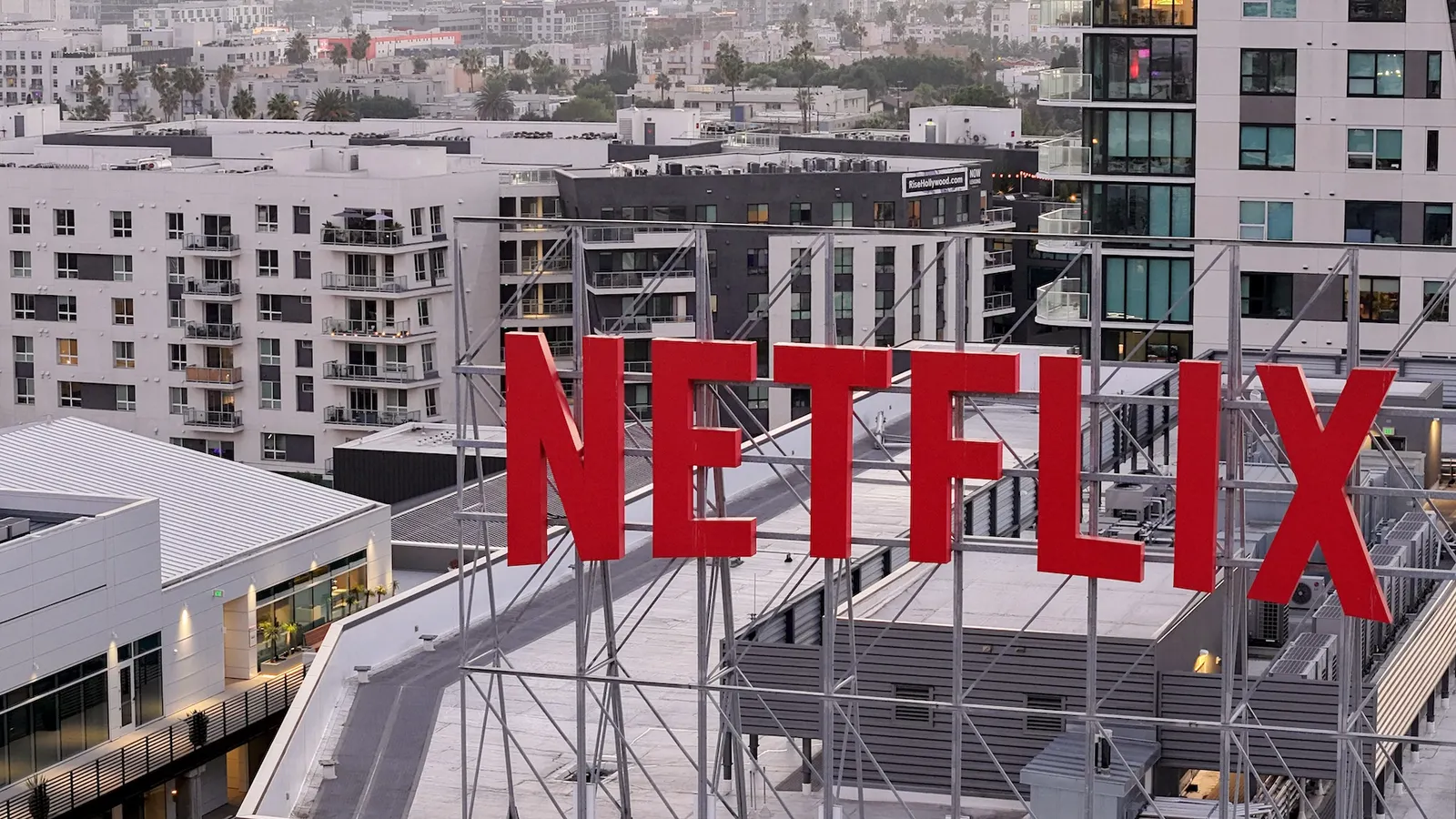
Netflix’s international expansion is the centerpiece of its advertising growth strategy. By 2027, the streamer plans to be active in 27 countries with its ad-supported tier. The upcoming expansion includes markets such as Austria, Denmark, Belgium, and Colombia. With 250 million monthly active viewers globally and over 60% of new signups opting for the ad-supported tier, Netflix is betting that geographic scale will be the primary driver of its goal to double advertising revenue to $3 billion by 2026.
8% Increase in ROAS for Kraft Heinz
Kraft Heinz’s decision to hike marketing spend by 37% in Q1 is yielding tangible results. The "reworked marketing playbook" has directly contributed to an 8-percentage-point increase in return on global ad spend (ROAS). This suggests that the company’s focus on core brands—supported by high-profile partnerships and product innovation—is resonating with consumers more effectively than previous, more fragmented strategies.
56% Budget Gap
Perhaps the most sobering statistic for the industry is the 56% of CMOs who explicitly state they lack the budget to meet their 2026 goals. This is exacerbated by the fact that average marketing budgets as a percentage of company revenue remain nearly flat, hovering at 7.8% in 2026 compared to 7.7% in 2025. The data suggests a "do more with less" mandate that is driving many firms toward AI, not necessarily for competitive advantage, but as a survival mechanism to improve operational efficiency.
Official Responses and Strategic Shifts
The Streaming Pivot
Netflix’s leadership has been vocal about the importance of its advertising business in maintaining revenue growth, which increased 16% year-over-year in Q1. During the May 13th upfront presentation, executives emphasized that their "Ads Suite" is not just about scale, but about technological capability. By integrating with Amazon and Yahoo, Netflix is attempting to bridge the gap between streaming engagement and actionable retail media data.
The CPG Turnaround
For Kraft Heinz, the shift has been defined by a move toward "Away From Home" consumption. By aligning with the NFL, the company is embedding its brands into the cultural fabric of American sports. As the company noted in recent earnings calls, the $600 million investment isn’t merely about "more ads"—it is about structural improvements to how the company interacts with its consumers, ensuring that their products are present in the moments when consumers are most engaged.
Implications: The Future of Marketing Operations
The implications of these data points are clear: the marketing function is in the midst of an identity crisis.
The AI Infrastructure Trap
While 70% of marketers identify AI as a key strategic goal, only 30% believe they possess the infrastructure to implement it effectively. This 40-point "infrastructure gap" is the primary barrier to the widespread adoption of generative AI in creative and operational workflows. Organizations that have successfully optimized their AI workflows are currently allocating 8.9% of revenue to marketing, significantly higher than the industry average. This suggests that AI investment is not an expense, but a prerequisite for higher budget allocations.
The "Do More With Less" Mandate
The stagnant nature of marketing budgets suggests that CMOs will continue to face pressure to automate. With four in 10 industry professionals planning to test AI-generated creative this year, the industry is moving toward a model where efficiency is the primary metric of success. However, the risk is that by focusing exclusively on efficiency and operational workflows, brands may lose the creative spark that differentiates them in a crowded marketplace.
The Return of Strategic Partnerships
The success of the Kraft Heinz/NFL deal serves as a reminder that even in an AI-dominated world, traditional brand building remains potent. By focusing on consumer experience and "Away From Home" opportunities, legacy brands are finding ways to grow outside of the digital echo chamber.
Conclusion
As we look toward the remainder of 2026, the industry is bifurcating. On one side are the media giants and CPG leaders who are successfully leveraging data, global scale, and strategic partnerships to drive growth. On the other are the majority of CMOs who remain hamstrung by inadequate resources and a lack of the technical infrastructure required to operationalize their AI ambitions. For the latter group, the challenge of the next 18 months will be less about the next "big thing" in technology and more about the difficult, foundational work of building the infrastructure required to make those technologies work.












No comments yet. Be the first to join the conversation!