Laily UPN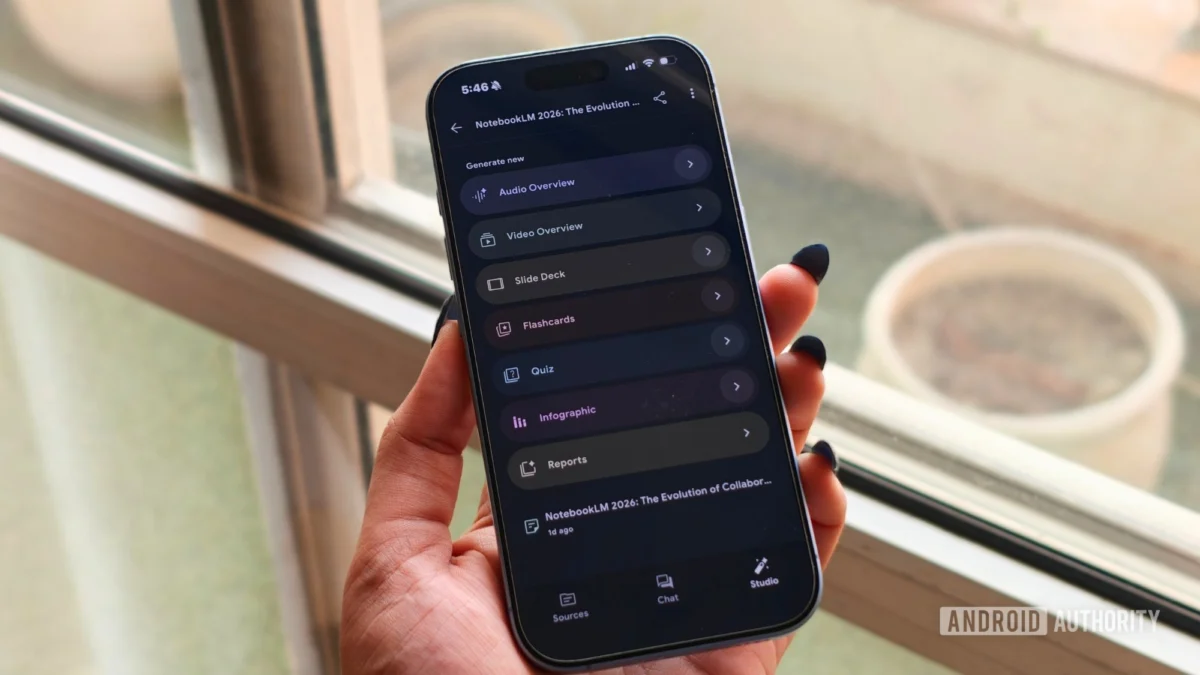
In the rapidly evolving landscape of artificial intelligence, Google’s NotebookLM has emerged as a gold standard for knowledge management. By allowing users to ingest vast troves of documents, PDFs, and multimedia sources to generate summaries, quizzes, and even conversational "audio deep-dives," it has revolutionized how researchers, students, and professionals interact with their data. However, for the privacy-conscious and the technically inclined, the reliance on a centralized cloud service operated by a tech giant is a significant point of friction.
Enter Open Notebook, an open-source project that serves as a functional, highly customizable mirror to NotebookLM. While it captures the core utility that has made Google’s tool a sensation, it operates under an entirely different paradigm. For those willing to trade the "plug-and-play" convenience of Google for the sovereignty of their own hardware, Open Notebook offers a compelling, albeit demanding, alternative.
Main Facts: What is Open Notebook?
At its core, Open Notebook is a self-hosted, open-source platform designed to replicate the primary workflows of NotebookLM. Its value proposition is simple: you retain control over your data, your models, and your infrastructure.
The Core Feature Set
Like its proprietary counterpart, Open Notebook allows users to:
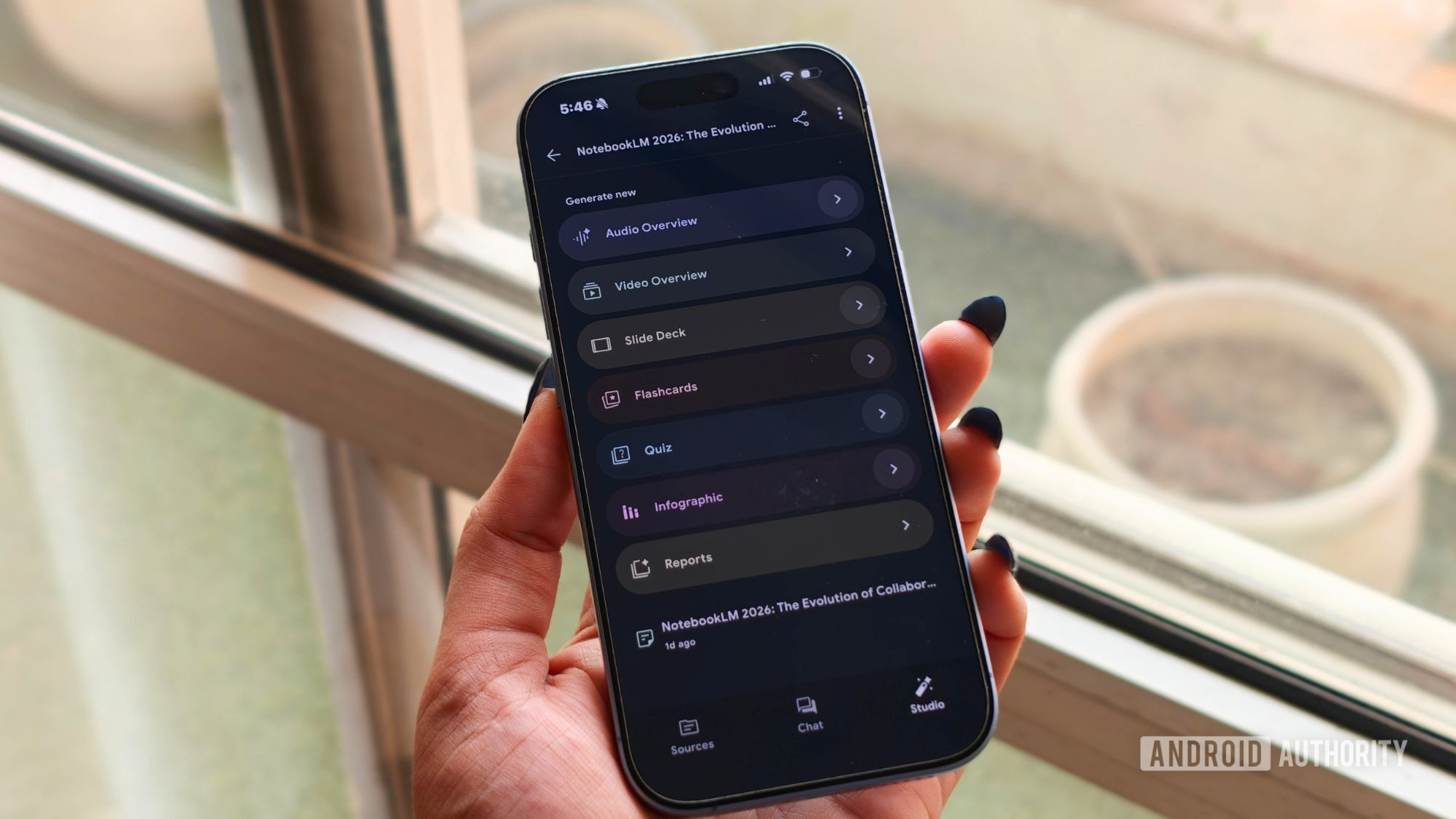
- Ingest Multi-Modal Sources: Upload PDFs, text documents, and even link YouTube videos to serve as the "ground truth" for your research.
- Synthesize Information: Generate audio-based summaries (podcasts), structured quizzes, and comprehensive study guides.
- Conversational Interface: Query your uploaded sources in a chat-based environment, with the AI providing citations for every claim made—a critical feature for avoiding "hallucinations."
The fundamental difference lies in the architecture. While NotebookLM is a SaaS (Software as a Service) product, Open Notebook is a containerized application. It does not exist on a remote server controlled by a corporation; it lives on your local machine or your private cloud instance.
Chronology: The Rise of "Notebook-style" AI
The evolution of AI research assistants has moved at breakneck speed over the last 24 months.
- Early 2024: The "LLM-in-a-box" concept begins to gain traction as models like Mistral and Llama 3 become capable enough to handle RAG (Retrieval-Augmented Generation) tasks locally.
- Mid-2024: Google launches the full suite of NotebookLM features, including its viral "Audio Overview" feature, which captures the public imagination by turning dry research papers into engaging, two-person podcast banter.
- Late 2024 – Early 2025: The open-source community begins to reverse-engineer the workflow. Developers identify the need for a local interface that can handle vector databases and LLM orchestration without hitting the rate limits or privacy barriers of proprietary tools.
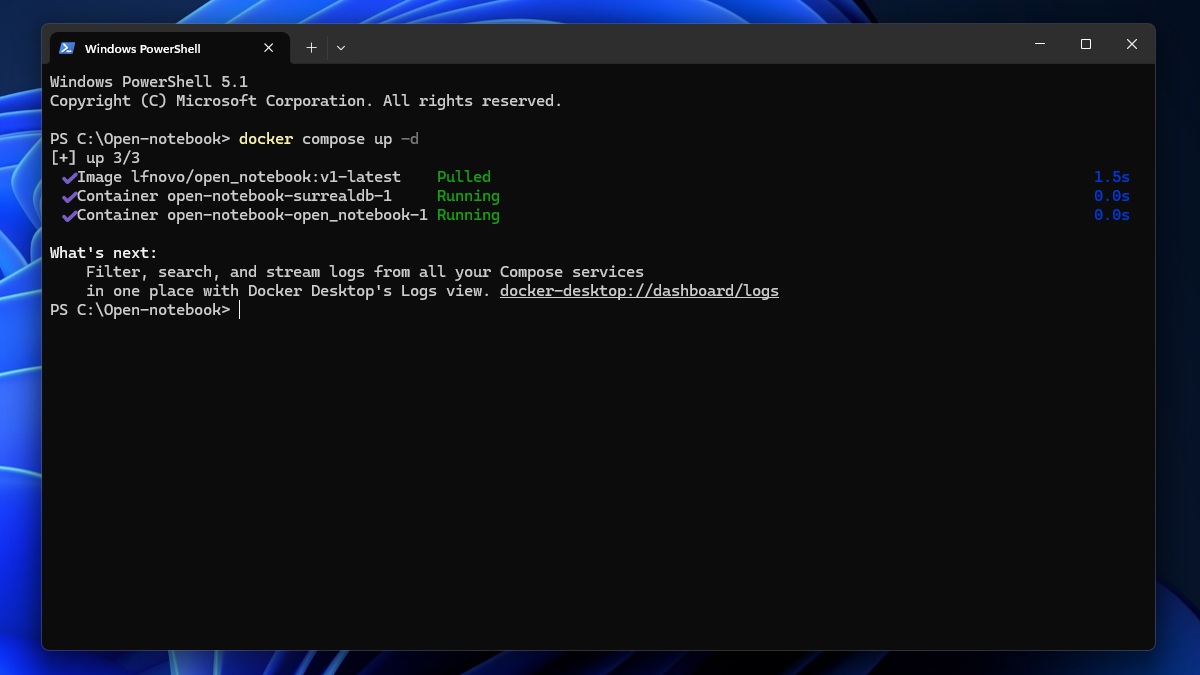
- June 2026: The release of advanced containerized versions of Open Notebook, utilizing tools like Docker and SurrealDB, marks the point where the project reaches "feature parity" with major industry players, albeit with a steep learning curve.
Supporting Data: Why Make the Switch?
The decision to migrate from a polished, cloud-based product like NotebookLM to a self-hosted solution like Open Notebook involves a series of trade-offs.
Privacy and Sovereignty
In the current climate of data security, the ability to keep research data on a local machine is a premium feature. With NotebookLM, your data is uploaded to Google’s servers, processed, and stored according to their terms of service. With Open Notebook, you define the security perimeter. If you are handling proprietary corporate data or sensitive academic research, this is not just a preference—it is a necessity.
The "Model Agnostic" Advantage
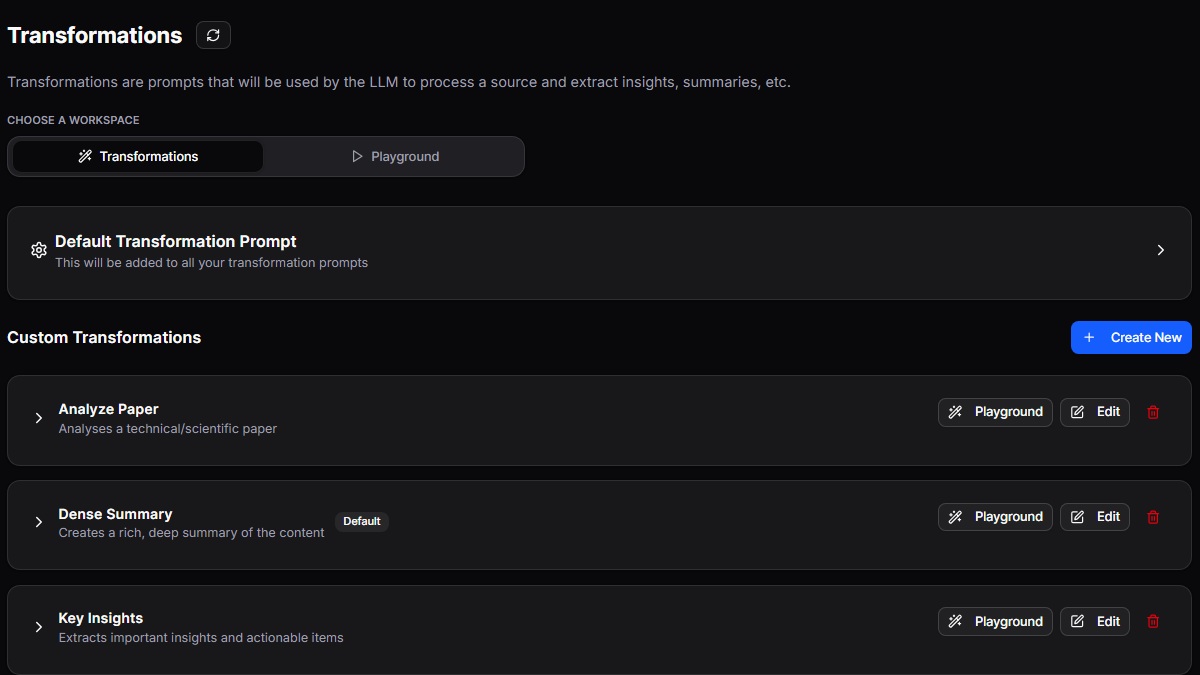
NotebookLM is locked into Google’s Gemini ecosystem. While Gemini is undeniably powerful, users often have specific needs for different models. Open Notebook allows users to swap between:
- Local Models: Via Ollama (e.g., Llama 3, Mistral, Gemma 2), which operate entirely offline.
- Cloud Models: GPT-4o, Claude 3.5 Sonnet, or Gemini Pro via API keys.
This flexibility means if a new, more efficient model is released tomorrow, you can integrate it into your existing notebook workflow immediately without waiting for a platform update.
Resource Utilization
| Feature | NotebookLM (Cloud) | Open Notebook (Self-Hosted) |
|---|---|---|
| Data Privacy | Subject to Google’s Policy | Full Local Control |
| Model Choice | Fixed (Gemini) | Flexible (Open Source or API) |
| Setup Time | Instant | Hours (requires Docker/Terminal) |
| Hardware | None Required | Requires CPU/GPU/RAM |
| Cost | Free (with limits) | Variable (API costs or electricity) |
Official Responses and Developer Perspective
The developer community behind Open Notebook has maintained a transparent stance: the goal is not to replace the convenience of Google, but to provide a "safety valve" for users who value autonomy.
According to documentation provided by the project leads, the focus is on "decoupling the research interface from the service provider." They acknowledge that the user experience (UX) is currently secondary to functionality. In a recent developer note, the team emphasized that "while we aim to lower the barrier to entry, the complexity of managing a vector database and an LLM backend simultaneously is a feature of the project, not a bug—it ensures the user understands exactly how their data is being queried."
Google, conversely, has leaned into the "Pro" and "Enterprise" aspects of NotebookLM, focusing on integration with Google Workspace. Their response to the rise of open-source alternatives has been to deepen the product’s integration with the ecosystem, banking on the fact that for 99% of users, the effort of running a Docker container is a dealbreaker.
Implications: The Future of Personal Research
The emergence of Open Notebook carries significant implications for the future of AI.
1. The Democratization of Complex AI
By providing a clear, open-source pathway to building a research assistant, projects like Open Notebook prevent the "black box" scenario. If every user has the ability to run their own "Notebook," the reliance on a single corporate entity for our intellectual output is diminished.
2. The Rise of "Prosumer" Hardware
As these tools become more sophisticated, we are seeing a shift in how professionals view their hardware. A high-end GPU is no longer just for gaming or video editing; it is now a requirement for the local processing of massive research libraries.
3. The Audio Synthesis Divide
The most striking difference remains the "Audio Summary" feature. NotebookLM’s audio is remarkably human-sounding, benefiting from Google’s massive investment in DeepMind’s speech synthesis. Open Notebook, while capable of generating audio, currently struggles to match the cadence, pacing, and naturalistic interruptions of the Google-produced podcasts. This is a hurdle that the open-source community is currently prioritizing, but for now, it remains the strongest argument for staying with the proprietary version.
4. Technical Literacy as a Barrier
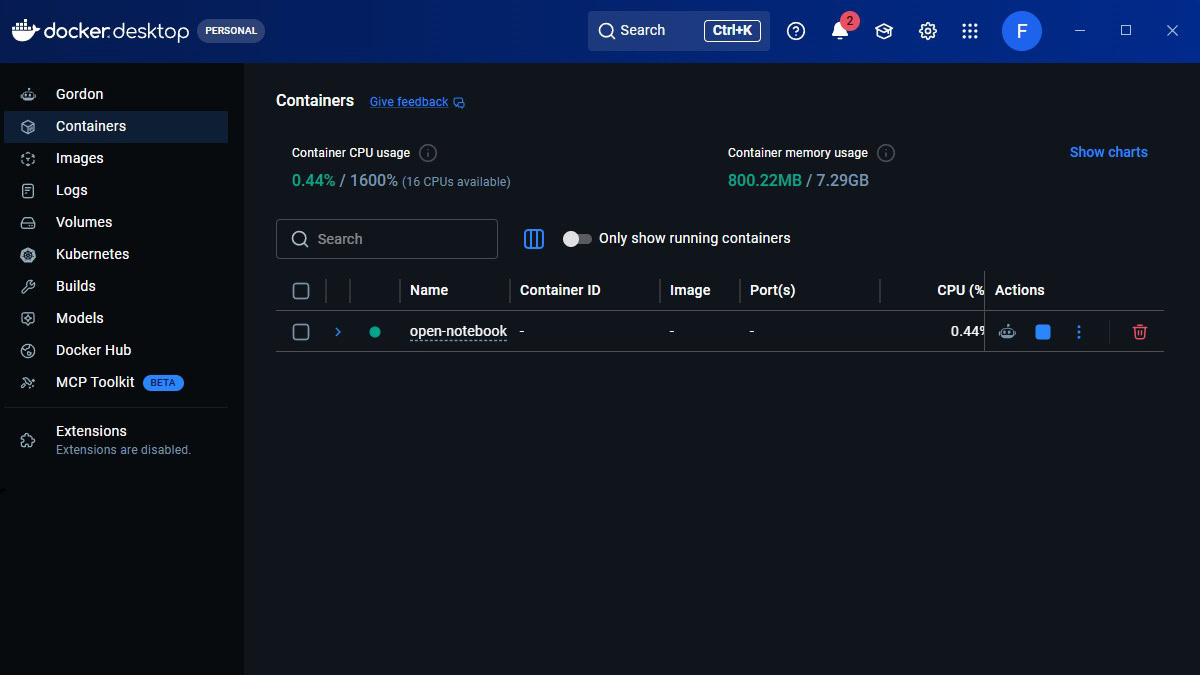
The most profound implication is the widening gap between the "technically literate" and the "average user." The setup process—involving Docker Compose, environment variables, and API key management—acts as a gatekeeper. Unless the Open Notebook team can develop a "one-click installer" that hides the complexity of the backend, the tool will remain a niche utility for developers and enthusiasts.
Conclusion: Is it Worth the Effort?
For the average user who needs a quick summary of a meeting or a study guide for a class, NotebookLM remains the superior product. Its ease of use, superior audio quality, and seamless integration with the Google ecosystem make it a time-saving marvel.
However, for the power user, the academic researcher, or the privacy advocate, Open Notebook is a revelation. It transforms the AI research assistant from a rented service into a permanent, owned tool. It requires a significant time investment—ranging from a few hours to several days for a full, secure setup—but the payoff is a research environment that is yours, and yours alone.
As the lines between local and cloud-based AI continue to blur, projects like Open Notebook provide a necessary roadmap for a future where our most valuable data remains under our own digital roof. Whether you choose to walk that path depends on how much you value the sovereignty of your own knowledge.


 Jia Lissa
 Ammar Sabilarrohman