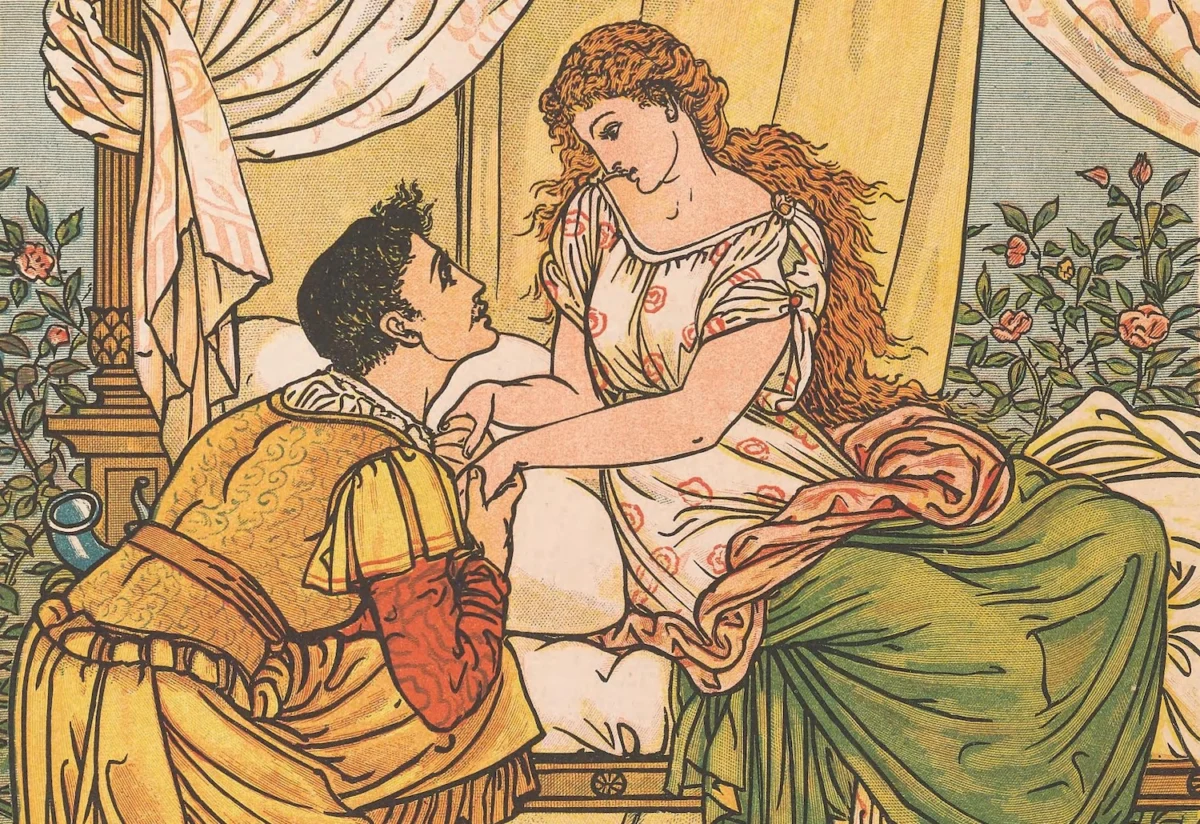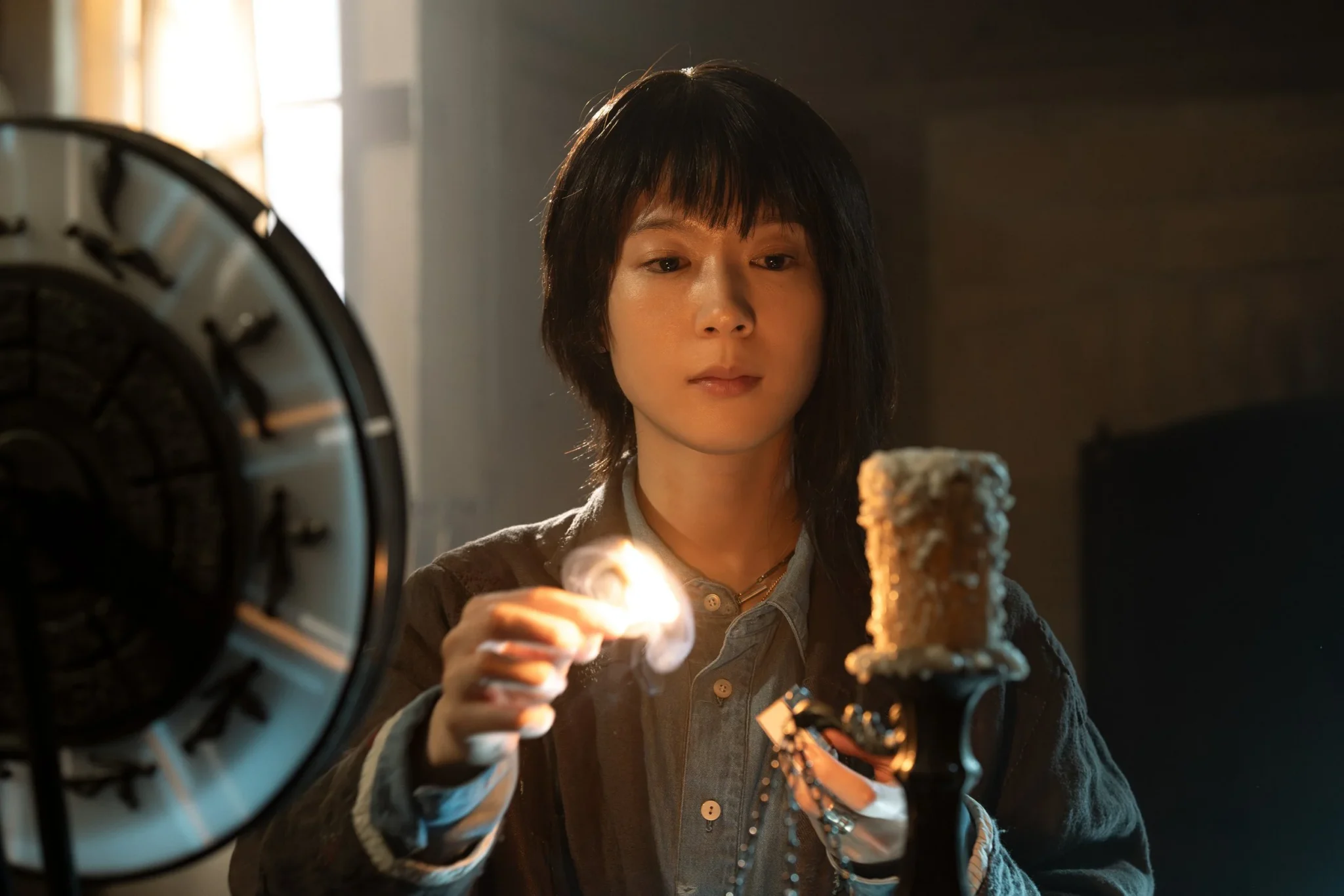
It lurks in the periphery of cinema, a silhouette against a full moon that feels less like a creature of folklore and more like a mirror held up to the human condition. From the grainy silver screens of the 1940s to the high-definition visceral horror of contemporary streaming, the werewolf has remained one of literature and film’s most enduring, malleable symbols. While sci-fi often grapples with the cold logic of the future, horror—specifically the werewolf subgenre—confronts the messy, squelching reality of the present.
As explored during the development of the survival-horror game The Wolf of Derevnya, the werewolf corpus is not merely a collection of creature features; it is a profound repository of cultural anxieties. By analyzing these narratives, we can trace how society has projected its changing relationship with the body, gender, and the "other" onto the myth of the lycanthrope.
Chronology of the Lycanthropic Shift
The werewolf myth has undergone a radical transformation throughout the centuries. Pre-modern accounts, dating prior to the 16th century, largely viewed the werewolf through a theological lens—a demonic manifestation of evil. However, the 20th century marked a pivot toward psychological internalism.
The Freud-inspired "Id" metaphor became the bedrock of 20th-century storytelling. Works such as 1941’s The Wolf Man and the 2013 game The Wolf Among Us emphasize a dualistic struggle: the civilized, rational ego battling an uncontrollable, primal violence. This Jekyll-and-Hyde archetype persists because it mirrors a universal human experience—the tension between social conformity and personal desire.
Yet, as the 21st century progresses, the "civilized vs. beast" dichotomy has begun to fracture. Modern iterations are moving away from the condemnation of the "beast" and toward the concept of the "hopeful monster." Rather than viewing the wolf as an enemy to be destroyed, contemporary narratives increasingly question whether the "civilized" world is worth preserving at the expense of our primal nature.
Supporting Data: From Predation to Puberty
The thematic evolution of the werewolf is best mapped through its changing allegories.
The Decline of the Predatory Metaphor
Historically, the "predator" werewolf—an external, violent threat—gained traction during the second-wave feminist era, epitomized by the 1984 film The Company of Wolves. This narrative frame suggests that the danger is not within, but waiting at the door. However, this metaphor is currently losing favor. Critics argue that it relies on tired bio-essentialism, reducing men to insatiable beasts and women to passive prey. In recent years, audience interest in this trope has dwindled, as it offers little in the way of profound psychological exploration.
Puberty as a Biological Horror
Perhaps no film has dissected the lycanthropic transition with as much surgical precision as 2000’s Ginger Snaps. By equating the transformation with menstruation and the onset of puberty, the film reclaimed the werewolf as a female-coded experience. It highlighted the discomfort of a changing body, the societal pressures of "becoming a woman," and the invasive, sometimes hostile, nature of medical and parental surveillance. The film’s genius lies in its refusal to look away from the "sticky" reality of biology, treating blood and metamorphosis not as supernatural events, but as intense, visceral milestones of growth.
The Queer Coding of the Cryptid
There is a long-standing kinship between the LGBTQ+ community and the monster genre. The werewolf, specifically, serves as a powerful metaphor for the transmasculine experience and the broader "coming out" process. The necessity of concealing one’s true nature, the fear of rejection, and the eventual struggle to integrate one’s inner reality with the outer world are all inherent to the lycanthropic narrative.
This is nowhere more evident than in the 2017 film Good Manners. The film navigates the complexities of class, race, and queer identity through the lens of a supernatural pregnancy. By centering a romance between a privileged woman and an impoverished nanny, the film subverts traditional horror tropes, using the "monstrous" birth of a werewolf child to explore the radical, nontraditional structures of queer families. In Good Manners, the werewolf is not a tragedy, but a manifestation of the "hopeful monster"—an entity that defies the rigid boundaries of the status quo.
Implications: The Physicality of the Human Condition
The most significant implication of these evolving metaphors is the shift in how we perceive the human body. For centuries, Western thought was dominated by Cartesian dualism—the idea that the mind is a divine entity trapped within a "meat-sack." The werewolf story serves as a violent rejection of this separation.
When a werewolf transforms, the mind and the body are forced into a brutal, inseparable union. The horror does not stem from the presence of the beast; it stems from the realization that the beast is an extension of the self. As we advance further into the 21st century, the genre is moving away from the "evil" label. Instead, it is embracing the "gooeyness" of our existence.
The implications for future storytelling are vast. We are seeing a move toward:
- Menopause as Liberation: As seen in Catherine Lundoff’s Silver Moon series, the werewolf transition can represent the shedding of societal expectations, allowing the protagonist to reclaim autonomy after decades of labor and family obligation.
- Pregnancy as Existential Transformation: Reinterpreting the "ripping" out of the womb not as a horror trope, but as a visceral exploration of the physical toll of maternity.
- Gender-Exploratory Narratives: Moving beyond the "male-coded" violence of older films to create narratives that embrace a hermaphroditic, fluid experience of power and puberty.
Conclusion: The Enduring Allure of the Gooey
What, then, is a werewolf story? It is not merely a tale about sex, nor is it simply a metaphor for repressed rage. It is a fundamental examination of our tenuous relationship with our own physicality. We live in a world that demands we be rational, clean, and contained, yet we are creatures driven by sticky, chaotic, and uncontrollable biological imperatives.
Werewolf fiction succeeds because it externalizes these fluids—the blood, the sweat, the milk, and the transformation. It forces us to acknowledge that the "civilized" and the "savage" are not two separate entities, but two sides of the same coin.
As we look toward the future of speculative fiction, we can expect the werewolf to remain a fixture of our cultural landscape. New voices are expanding the genre, moving past the tired moralizing of the past to offer something more nuanced and, perhaps, more honest. The monster is no longer just a warning of what we might become if we lose control; it is an invitation to embrace the chaotic, biological truth of what we already are. Sometimes, as Freud might have conceded, a wolf is just a wolf—but even then, that wolf is a reflection of the profound, unshakeable "gooeyness" of the human soul.