Capcom’s renaissance over the past several years has been nothing short of extraordinary. From the towering heights of Resident Evil to the relentless innovation within the Monster Hunter franchise, the Japanese publisher has cemented its status as an industry titan. However, its recent commitment to the Nintendo Switch 2 has arguably been its most impressive feat. By leveraging the highly versatile RE Engine, Capcom has proven that the Switch 2—despite its positioning as a more accessible, portable-first platform—is fully capable of delivering high-fidelity, blockbuster experiences that rival its more powerful contemporaries.
The latest jewel in this crown is Onimusha: Way of the Sword. While the title has made waves on high-end hardware like the PS5 Pro, it is on the Switch 2 where the game truly finds its soul, offering a masterclass in optimization that bridges the gap between raw power and efficient, elegant design.
The Technical Triumph: RE Engine on the Go
The RE Engine has long been the backbone of Capcom’s visual identity, known for its photorealistic skin shaders, intricate environmental lighting, and industry-leading facial animation. In Onimusha: Way of the Sword, this technology is pushed to new limits.
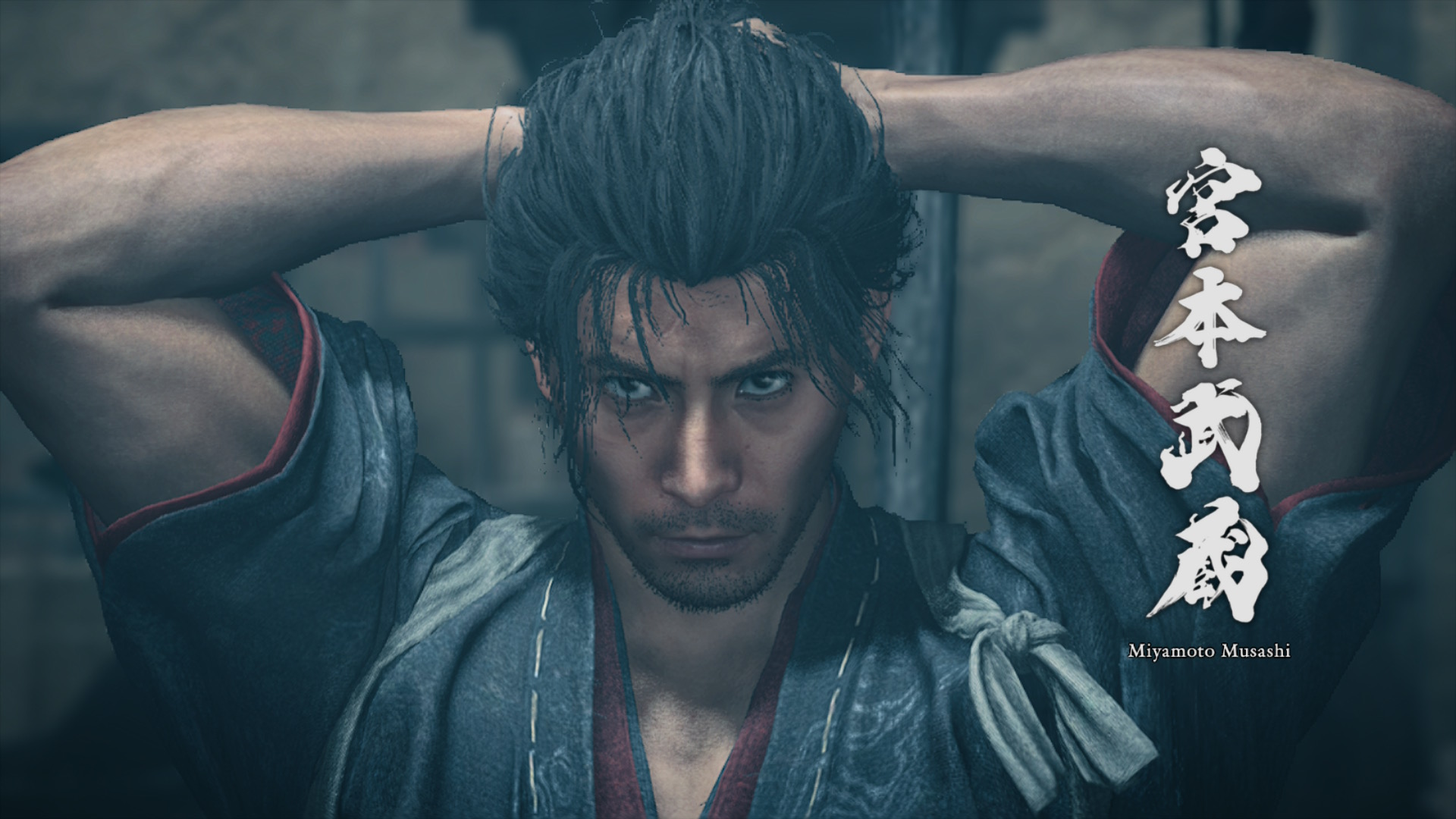
The most striking aspect of the game is the digital recreation of the legendary Japanese actor Toshiro Mifune. By modeling the protagonist, Miyamoto Musashi, after the late star of Akira Kurosawa’s Seven Samurai, Capcom has achieved a level of emotional depth rarely seen in action titles. The engine captures Mifune’s famous ability to pivot instantaneously between intense, stoic drama and subtle, dry humor. While the English voice acting occasionally falls into the trap of being somewhat disjointed or "dodgy," the visual performance remains stellar, grounding the player in the world of feudal Japan with a level of authenticity that feels both respectful and technically sophisticated.
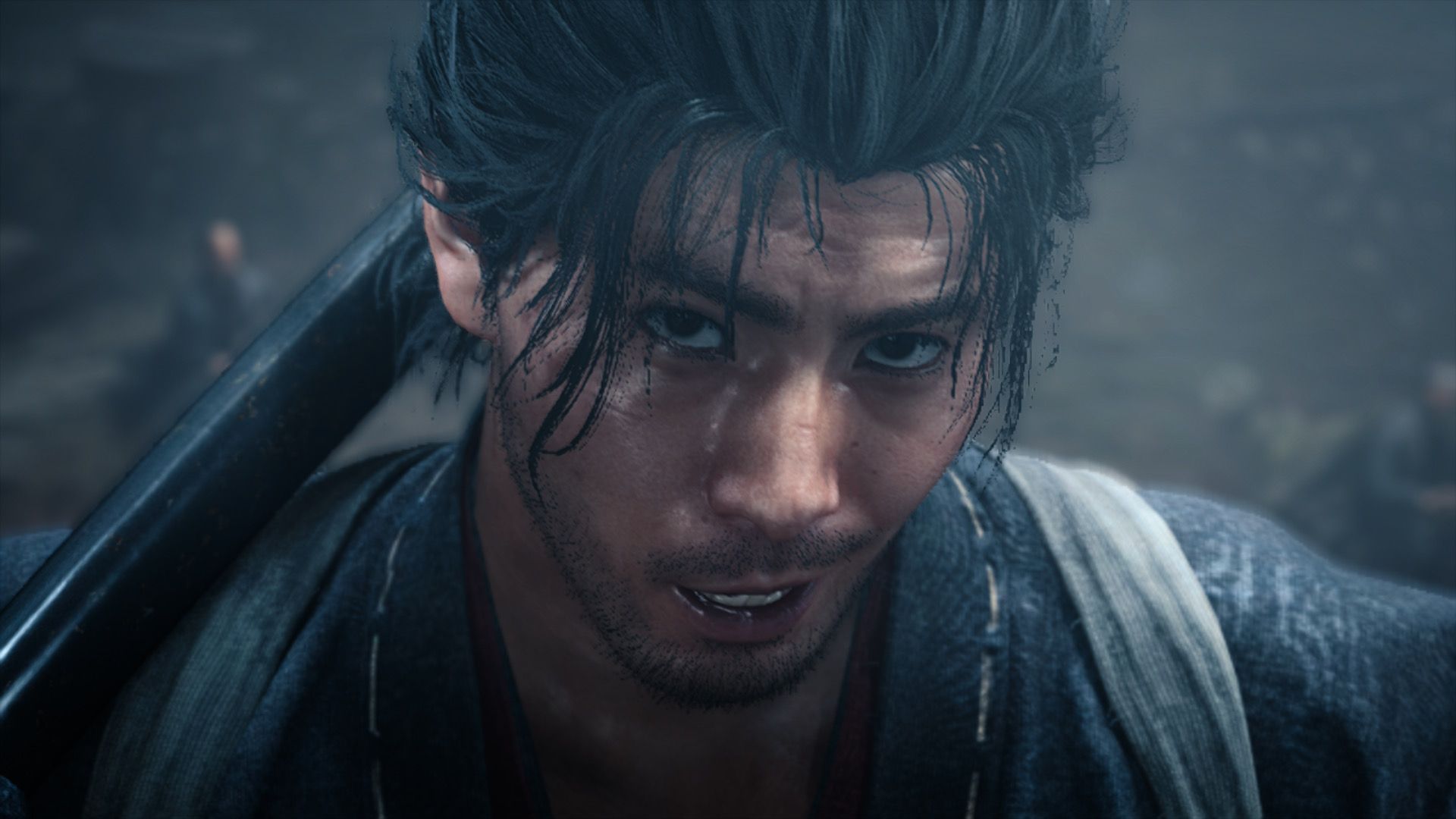
During testing, the Switch 2 version stood out as the superior way to experience the title. Even while navigating the busy atmosphere of trade shows like Gamescom, the game maintained a high level of fidelity during cinematic sequences, ensuring that Musashi’s swagger and presence remained intact regardless of the display output.
Chronology of a Revival
The Onimusha series has long been a dormant giant in Capcom’s portfolio. After the success of the original trilogy on the PlayStation 2, the series faded into the background as the industry pivoted toward open-world epics.
- Early 2000s: The Onimusha franchise defines the "cinematic action" genre, blending pre-rendered backgrounds with fixed camera angles and intense swordplay.
- The Drought: Following Onimusha: Dawn of Dreams, the franchise saw over a decade of silence, save for mobile spin-offs and HD remasters.
- The RE Engine Era: With Capcom’s massive internal shift to the RE Engine, fans began clamoring for a return to historical action.
- The Announcement: Capcom finally confirmed Way of the Sword during a recent showcase, promising a return to the series’ roots while utilizing modern combat mechanics.
- Launch: The game launched simultaneously across PS5, Xbox Series X/S, PC, and Nintendo Switch 2, marking the franchise’s triumphant return to the spotlight.
The Art of the Duel: Redefining Swordplay
What elevates Way of the Sword above its predecessors is not just its graphical prowess, but its fundamental approach to combat. The original PlayStation 2 games were revolutionary for their time, but their combat was relatively basic. Way of the Sword takes that foundation and refines it into a rhythmic, highly satisfying dance.
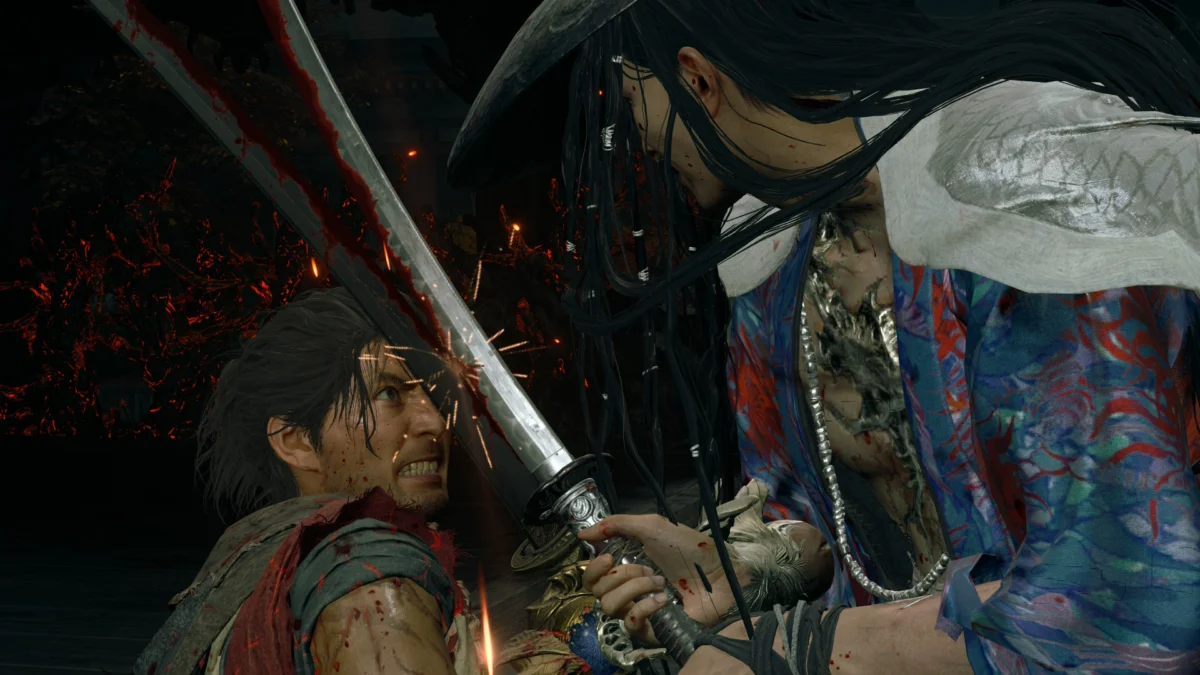
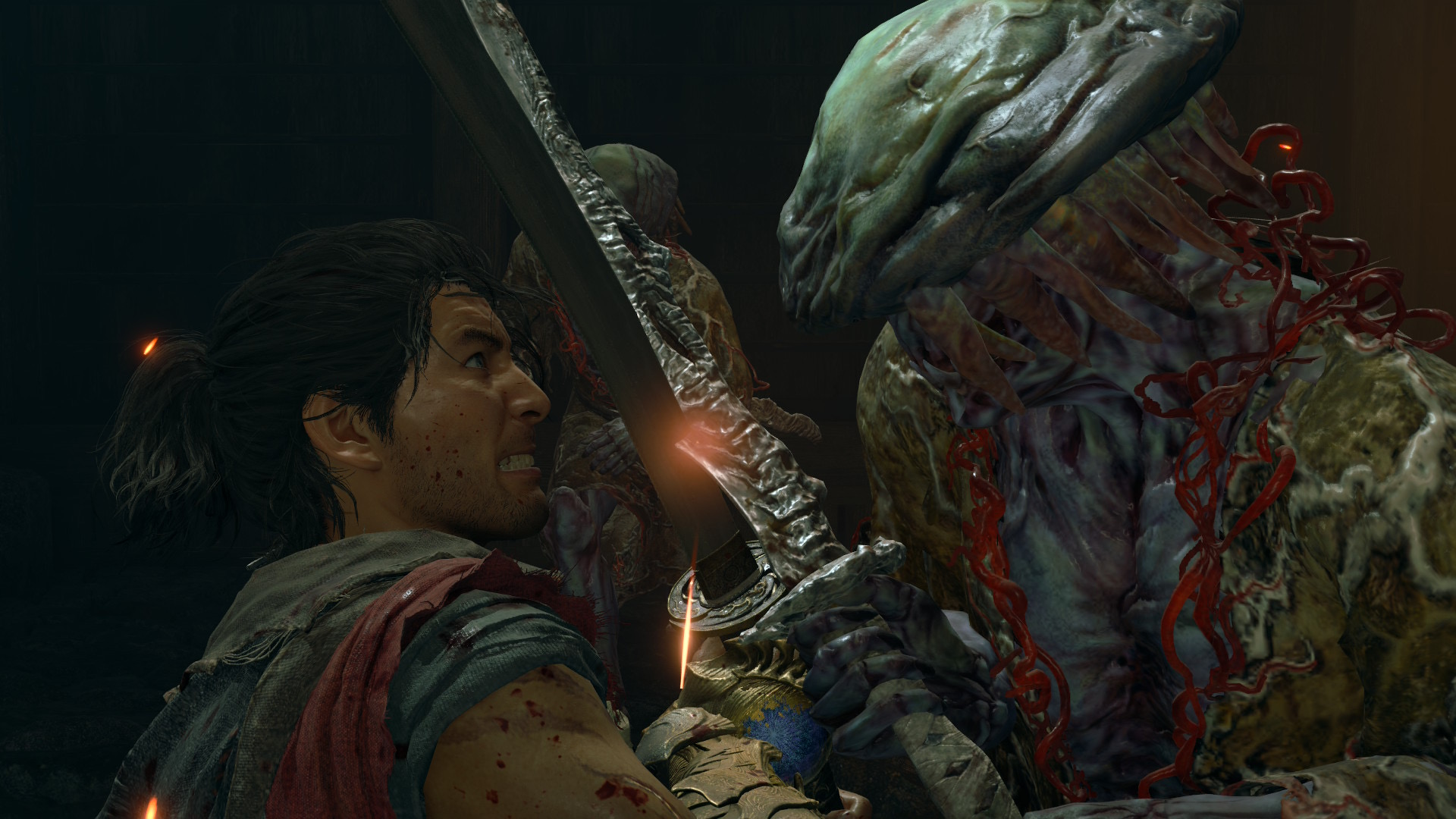
The core of the combat is the "Issen" system—a perfectly timed counter-attack that results in an instant kill. Capcom has polished this to a mirror sheen. The camera intelligently zooms in during a successful parry, emphasizing the weight and impact of the blade. When players find themselves locked in a "blade clash," the animation is fluid and responsive, allowing for a seamless transition from a defensive stalemate to a lethal, dismembering blow.
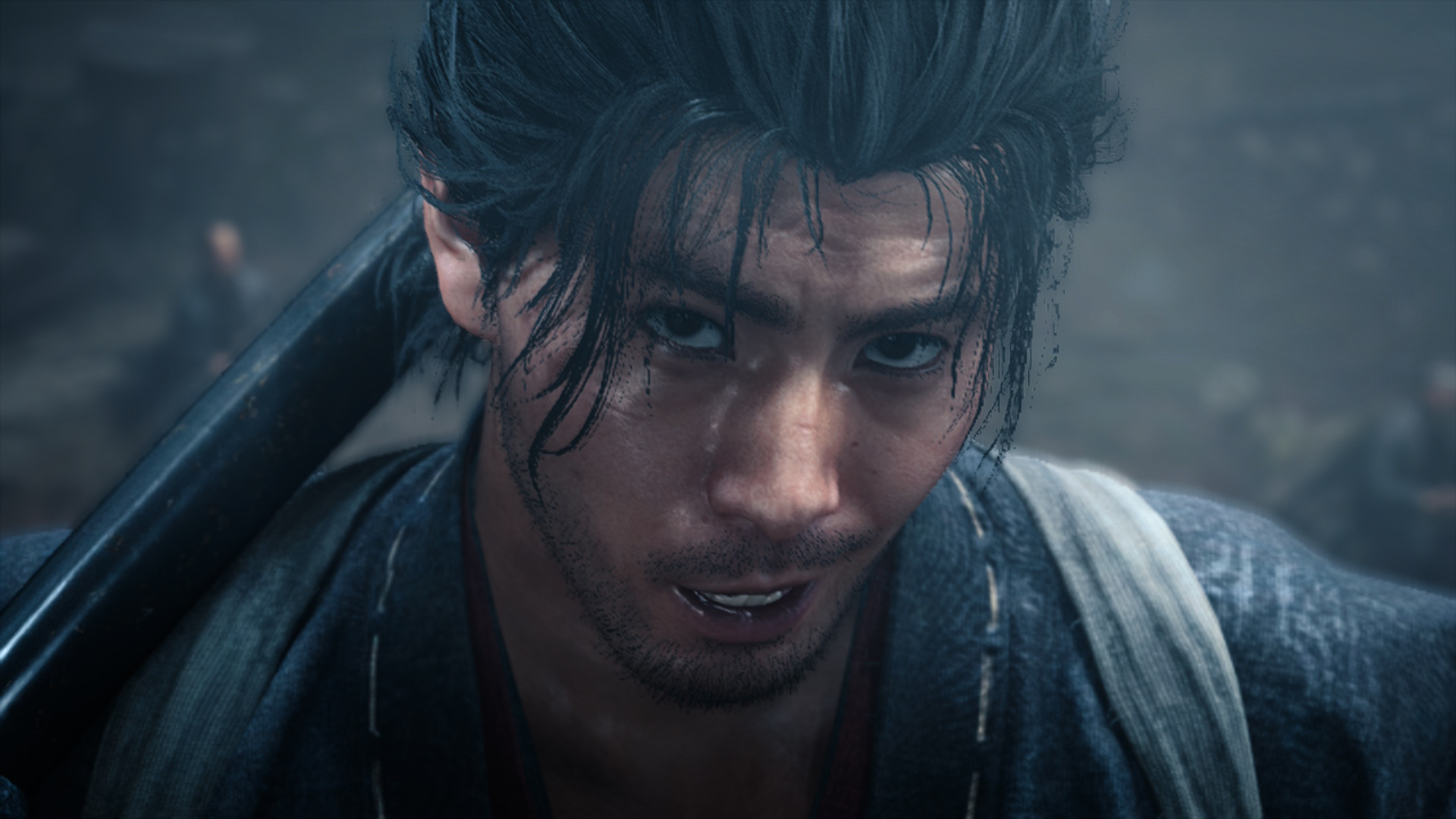
Unlike Ghost of Tsushima or the upcoming Ghost of Yotei, which often lean into a slow, deliberate "Kurosawa-esque" pretension, Onimusha is unapologetically punchy. It values the speed and thrill of the duel, prioritizing visceral feedback over cinematic pacing.
Supporting Data: Performance and Precision
A critical factor in the game’s success is its framerate. In a genre where frame-perfect inputs are the difference between life and death, 30 FPS can feel sluggish. Capcom’s decision to include an unlocked framerate mode for the Switch 2—reaching up to 40 FPS—is a game-changer.
While some purists might fear that an unlocked framerate would lead to inconsistent input lag, the performance on the Switch 2 is surprisingly stable. This is largely due to the nature of the game’s combat encounters. Because Musashi is a grounded character—meaning he is not constantly sprinting or performing aerial acrobatics—the engine is spared from having to calculate chaotic, multi-directional movement during the most intense fights. The meat of the game occurs in one-on-one or small-group skirmishes, where the 120Hz display capability of the Switch 2 provides a crisp, responsive experience that makes the swordplay feel tighter than ever.
Official Responses and Control Discrepancies
Despite the technical victory, the implementation of motion controls has sparked debate. Capcom’s decision to allow players to use the right Joy-Con to simulate sword slashes (horizontal and vertical) is a bold attempt to emulate the "feel" of the blade. While it is more responsive than initial previews suggested, it remains a gimmick that most players will likely disable after the first boss.
More concerning is the lack of consistency in control schemes. Currently, the game’s gyro-aiming for the bow is locked to Joy-Con configurations, leaving Pro Controller users—who would benefit most from the precision of gyro—without a native way to aim using motion. This inconsistency mirrors earlier Capcom titles like Resident Evil Revelations, where gyro implementation felt like an afterthought. Fans are currently petitioning for a patch, and given Capcom’s recent track record of post-launch support, there is a strong possibility that a future update will rectify this oversight.
The Broader Implications: Capcom’s Unstoppable Momentum
The success of Onimusha: Way of the Sword on the Switch 2 is a significant signal for the industry. It proves that the "power gap" between Nintendo’s hardware and the competition is no longer an insurmountable barrier to entry for AAA developers. When a game is built with the efficiency of the RE Engine, the focus shifts from raw graphical output to art direction and mechanical satisfaction.
Furthermore, it highlights Capcom’s current philosophy: they are not interested in just churning out ports. Whether it is Dragon’s Dogma 2: Dark Arisen or the return of a classic franchise like Onimusha, Capcom is curating a library of experiences that feel tailored to the platform. By embracing the strengths of the Switch 2—portability, gyro-capability, and high-refresh-rate screens—Capcom is setting a benchmark for what third-party developers should strive to achieve.
Conclusion
Onimusha: Way of the Sword may not have the narrative focus of a masterpiece like Pragmata, nor the open-world scale of the industry’s largest RPGs, but it doesn’t need to. It succeeds because it is an incredibly focused, satisfying, and polished action experience. It is a game that respects the player’s time and rewards their skill, all while running beautifully on hardware that fits in a backpack.
As we look toward the future, with the highly anticipated Dragon’s Dogma 2: Dark Arisen on the horizon, one thing is certain: Capcom is currently in the best form of its history. If this is the new standard for the "Way of the Sword," then the path forward for the publisher—and for the players—is brighter than ever.