

From the cobblestone streets of Milan to the bustling avenues of Manhattan, the global retail landscape is undergoing a disturbing metamorphosis. What was once the mundane act of purchasing a product has been transformed into a high-stakes, adrenaline-fueled spectacle of endurance, desperation, and, increasingly, violence. As brands leverage the psychological triggers of scarcity and digital urgency, the "drop" has become a flashpoint for social disorder, raising critical questions about corporate responsibility in an age of manufactured FOMO (Fear Of Missing Out).
The Anatomy of a Riot: A Pattern of Chaos
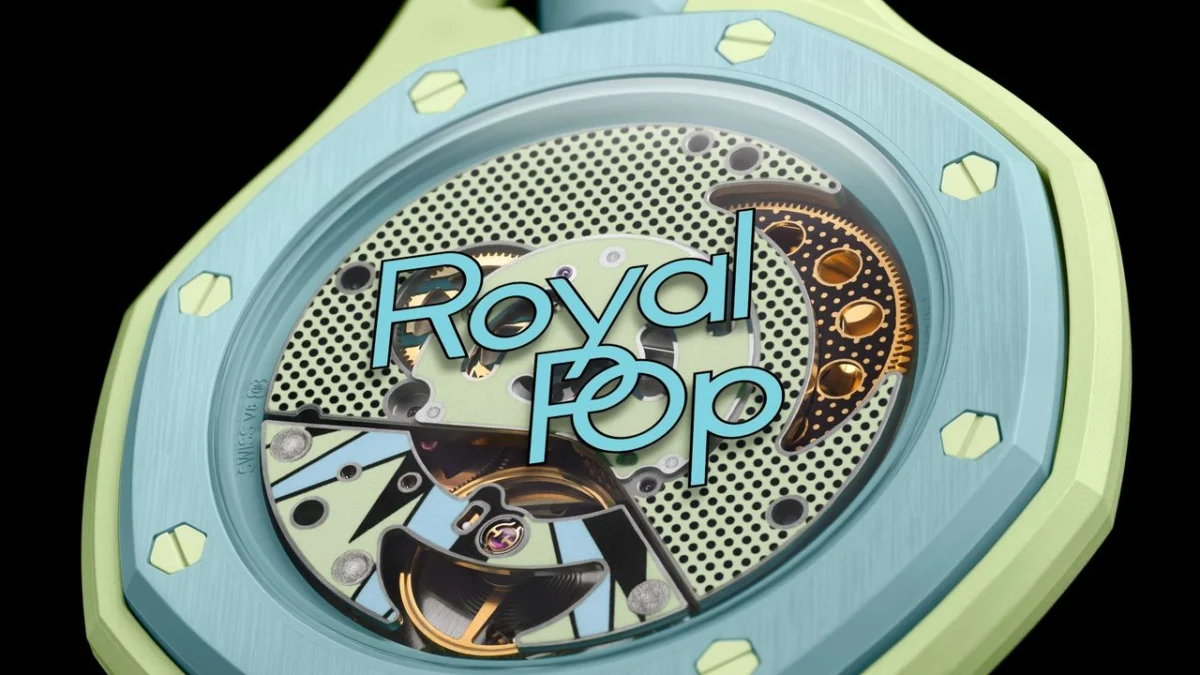
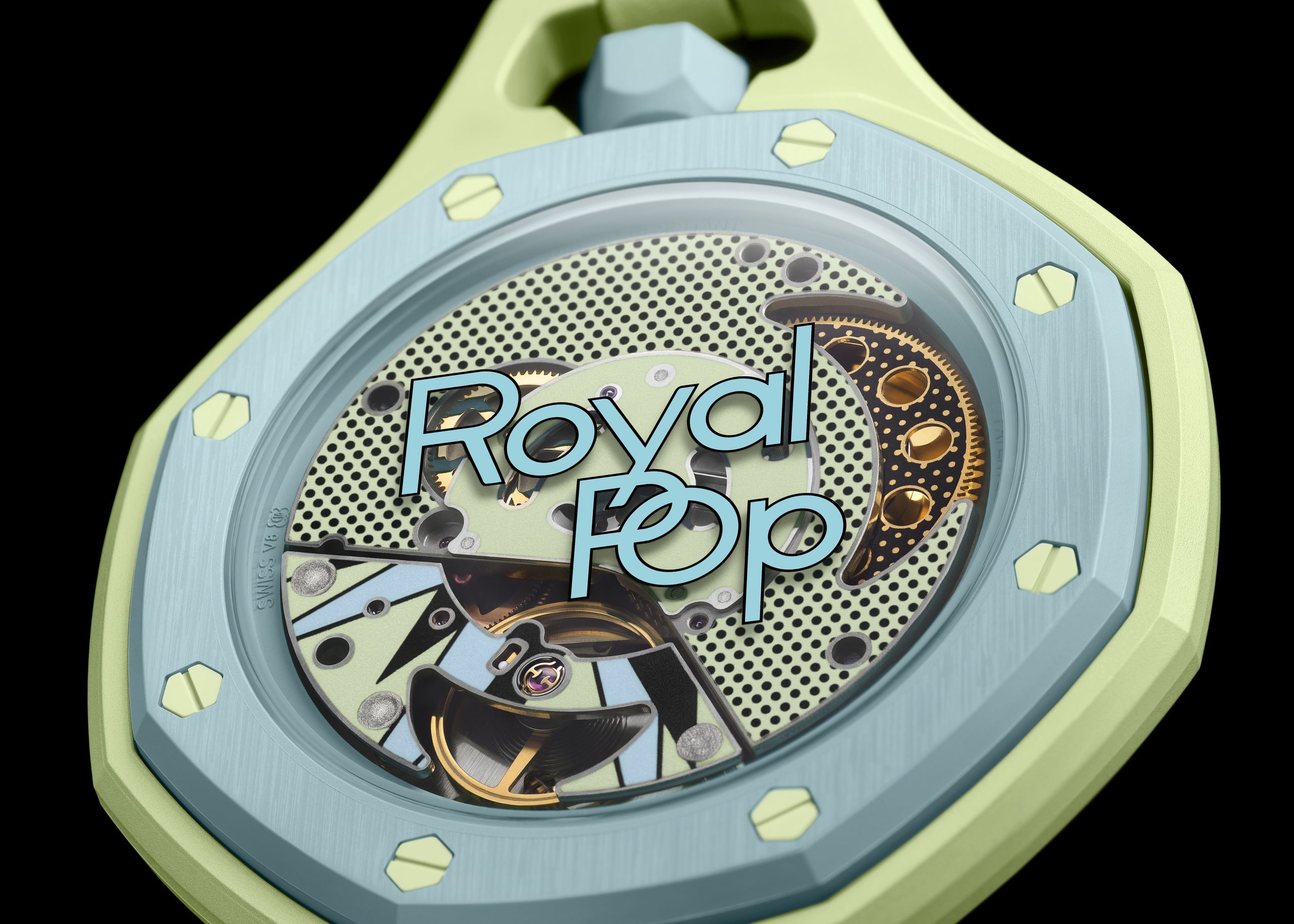
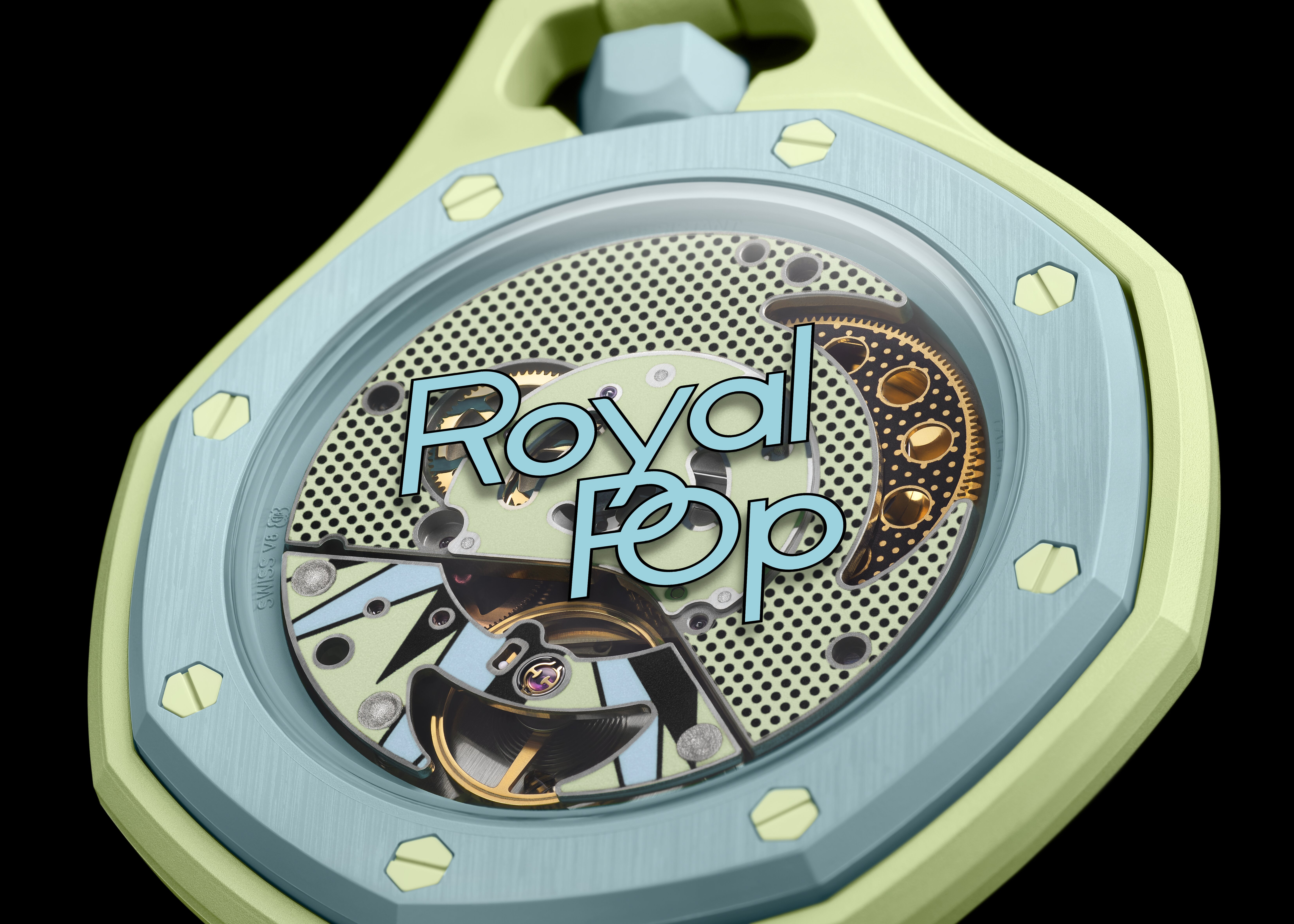
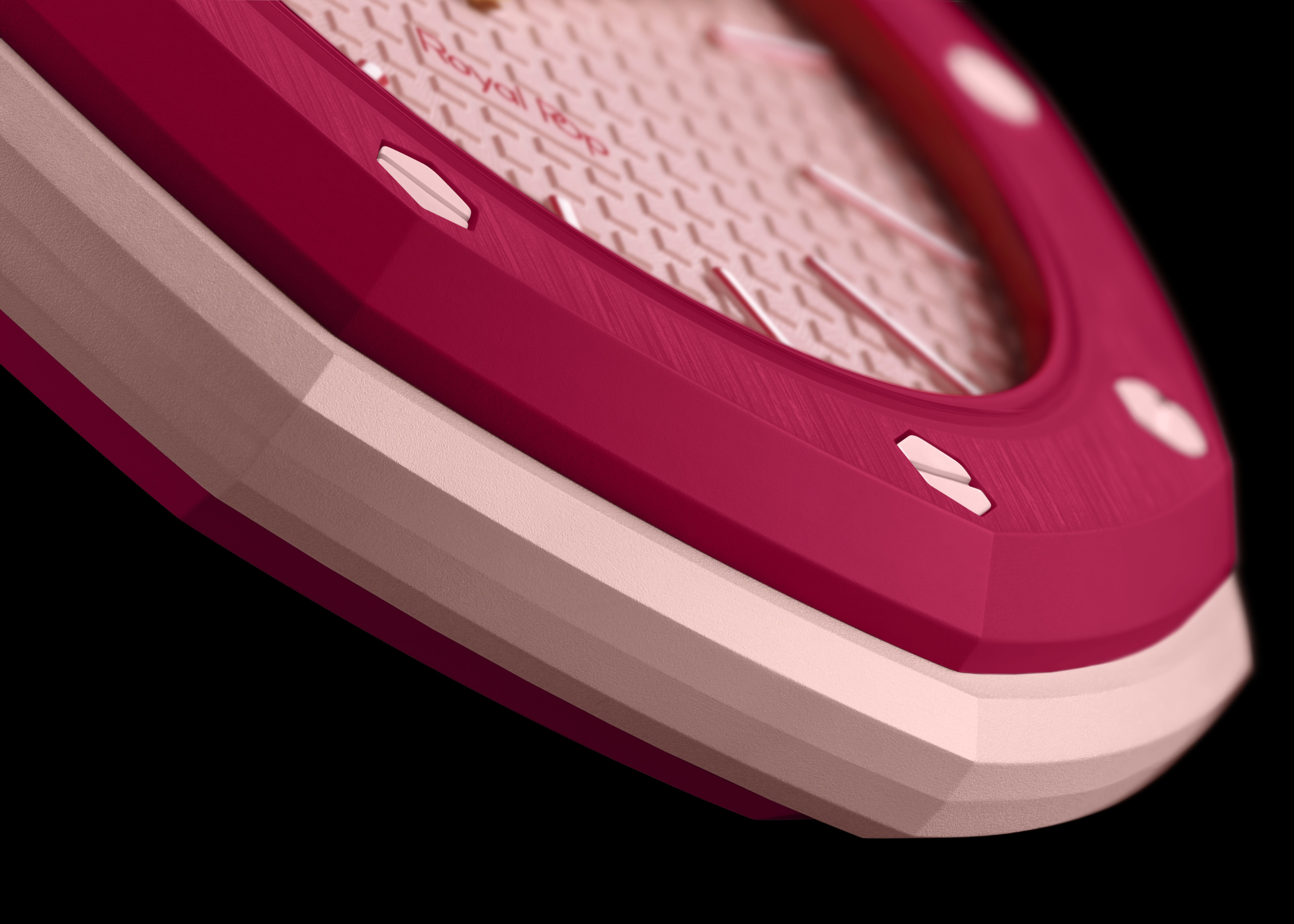
The recent launch of the Audemars Piguet x Swatch "Royal Pop" collection on May 16, 2026, served as a stark reminder that retail strategy often ignores the reality of human behavior. While the collaboration promised an accessible entry point into the world of luxury horology—marrying the high-end aesthetic of Audemars Piguet with the playful accessibility of Swatch for £335—it delivered scenes reminiscent of a riot.
In London, police were forced to deploy dogs to manage the surge. In Paris, law enforcement resorted to tear gas to disperse crowds that had become unmanageable. In Birmingham, a dispersal order was issued as the sheer volume of bodies overwhelmed the store’s capacity. These weren’t isolated incidents; they were the predictable conclusion of a strategy that prioritizes viral engagement over public safety.
This is not a singular failure; it is a systemic trend. In April 2026, a highly anticipated Palace x Nike Air Max 95 collaboration in Manhattan was canceled entirely after the NYPD intervened to shut down a queue that had turned violent. Similarly, the Chinese toy company Pop Mart was forced to pause all UK sales of its popular Labubu dolls in 2025 following a string of physical altercations at its Stratford store. One witness described a terrifying scene where a dispute between a staff member and a customer escalated into a full-scale brawl, leaving shoppers fleeing in fear.
A Chronology of Escalation
The history of the "drop" culture is a relatively short one, yet its evolution toward violence has been rapid.
- The Early Years (2015–2020): Brands like Supreme and Yeezy pioneered the scarcity model, using limited-run releases to foster cult-like followings. While queues were long, they were largely characterized by community and a sense of shared purpose among collectors.
- The Digital Shift (2020–2023): As social media algorithms became more sophisticated, brands began using "pre-heat" campaigns to artificially inflate demand. The reliance on digital anticipation turned previously orderly lines into chaotic swarms.
- The Current Crisis (2024–Present): We have entered an era where the marketing strategy is indistinguishable from crowd management. The "drop" is no longer just a release; it is an event designed to trigger a fight-or-flight response in consumers. The line between a successful marketing campaign and a public safety hazard has blurred to the point of non-existence.
The Economics of Scarcity
Why do brands persist in this high-risk strategy? The answer lies in the bottom line. Scarcity is a potent driver of value. By intentionally releasing fewer units than the market demands, brands create a vacuum that is filled by speculation and social media hype.
The numbers tell a compelling story for the boardroom. Pop Mart, despite the chaos surrounding its physical stores, reported a staggering 185% revenue increase in 2025, largely attributed to the "Labubu" craze. To marketing executives, the disorder is not a bug in the system; it is a feature. It is a metric of success that proves the product has reached a level of desirability that transcends the product itself.
According to behavioral scientists, this is a calculated manipulation of human nature. The difficulty of walking away from a queue—the "sunk cost" of time and effort—is a psychological trap. Brands know that once a consumer has invested hours in a line, they are significantly more likely to tolerate, or even participate in, aggressive behavior to secure the prize at the end of the tunnel.
Official Responses: A Study in Detachment
When the dust settles and the store windows are broken, the corporate response is almost universally formulaic. Following the Royal Pop chaos, Swatch issued a statement reminding customers that the collection was "not a limited edition." This response, while technically accurate, was widely perceived as tone-deaf. It effectively blamed the consumer for the frenzy, ignoring the weeks of targeted social media priming that the brand itself had orchestrated.
This "arm’s length" approach is standard operating procedure for major corporations. By issuing boilerplate apologies or redirecting customers to online channels, brands distance themselves from the physical consequences of their marketing campaigns. When a man is handcuffed on a Manhattan pavement because he tripped in a rush created by a brand’s artificial scarcity, the brand’s claim of "not encouraging violence" rings hollow. It is the equivalent of lighting a bonfire in a crowded room and expressing shock when the curtains catch fire.
The Ethical Imperative: Redefining Design
The design industry has spent the last decade positioning itself as a beacon of ethics. From sustainability initiatives to the focus on inclusive design and fair supply chains, there is a genuine desire among the creative community to use their skills for the greater good. However, there is a glaring blind spot in this ethical framework: the ethics of consumption and crowd management.
If a designer creates a product that is "genuinely clever" or "genuinely charming," but the strategy to sell that product results in physical harm, can we still call that design a success? The impulse that drives a designer to create beauty is the same impulse that brands are now weaponizing to create chaos.
Implications for the Future
The current trajectory is unsustainable. As police departments begin to treat retail events as high-risk security threats, the cost of these drops will eventually manifest in ways that even the most profitable brands cannot ignore:
- Increased Regulation: Local governments may begin to mandate security permits and strict occupancy controls for "drop" events, increasing costs and logistical burdens.
- Liability and Litigation: As the frequency of injury increases, it is only a matter of time before brands face class-action lawsuits regarding their responsibility for crowd control and safety.
- Brand Erosion: While "hype" sells in the short term, it can erode long-term brand equity. Consumers may eventually tire of the toxicity associated with a brand’s release process, leading to a "hustle-fatigue" that could permanently damage consumer loyalty.
Conclusion: A Call for Responsibility
It is time for the creative and marketing industries to bring the question of public safety into their ethical conversations. A brand launch should be an opportunity to celebrate innovation and creativity, not a reason for law enforcement to deploy tear gas.
If brands continue to manufacture scarcity, they must also be prepared to manufacture safety. This means investing in sophisticated digital queueing systems, limiting the number of people at physical locations, and taking genuine ownership of the events they facilitate.
Designers, marketers, and CEOs must ask themselves a difficult question: Is the revenue gained from a successful, high-frenzy drop worth the physical toll on the community? If the answer is "yes," then the industry has a fundamental moral problem to address. The next generation of brand strategy must shift away from the exploitation of human desperation and toward a more sustainable, respectful, and safe model of engagement. Anything less is not just bad marketing; it is a failure of humanity.









No comments yet. Be the first to join the conversation!